Strategic packing is a cornerstone of a successful backpacking adventure through Europe. For many first-time travelers, the allure of preparing for an extended journey often leads to the critical error of overpacking, transforming what should be an exciting exploration into a cumbersome ordeal. This comprehensive guide outlines the optimal approach to packing for European travel, emphasizing lightweight efficiency, security, and adaptability, ensuring a smoother and more enjoyable experience.
The Philosophy of Lightweight Travel in Europe
The primary objective for any European backpacker should be to travel light. Limiting one’s gear, including the backpack itself, to approximately 20-22 pounds (around 9-10 kilograms) offers numerous advantages. This weight threshold is crucial for adhering to the strict carry-on weight limits imposed by many European budget airlines, such as Ryanair or EasyJet, which can levy significant fees for exceeding allowances. Beyond cost savings, a lighter load significantly enhances mobility, a vital factor when navigating bustling train stations, cobblestone streets, and the often-present stairs in hostels or historic buildings. Furthermore, a compact and manageable backpack is inherently easier to monitor, reducing the risk of becoming a target for petty theft prevalent in crowded tourist areas. The physical comfort derived from carrying less weight also cannot be overstated, mitigating fatigue over long travel days and allowing for more energy to be dedicated to exploration.

Curating Your Wardrobe: Smart Choices for European Exploration
Clothing typically constitutes the bulk of a traveler’s luggage, making strategic choices paramount. The key principle is versatility through layering, allowing adaptation to Europe’s diverse climates, which can range from warm Mediterranean sun to cool alpine evenings or sudden rain showers.
Essential Clothing Breakdown
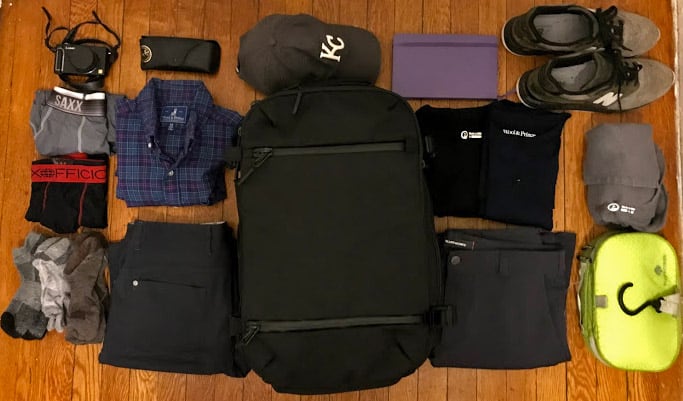
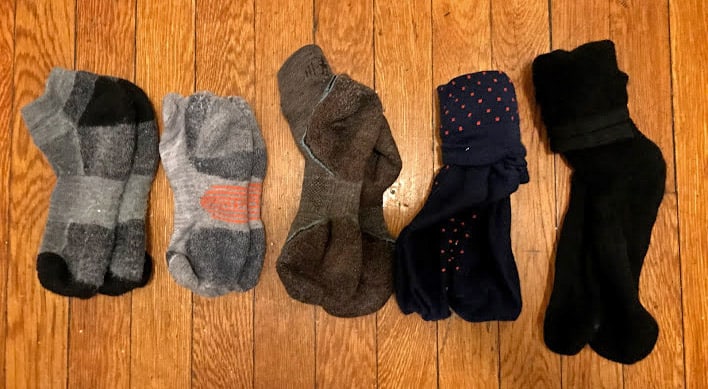
Socks (5-8 Pairs): Often underestimated, high-quality socks are indispensable. Experienced travelers consistently advocate for investing in merino wool or wool/synthetic blend socks. Merino wool is prized for its natural odor-resistant properties, moisture-wicking capabilities that keep feet dry, and temperature regulation, making it suitable for both warm and cool conditions. Synthetics offer similar quick-drying benefits. Carrying enough pairs to rotate, or even change mid-day, helps prevent blisters and maintains foot hygiene. Brands like Darn Tough and Smartwool are frequently recommended for their durability and performance.
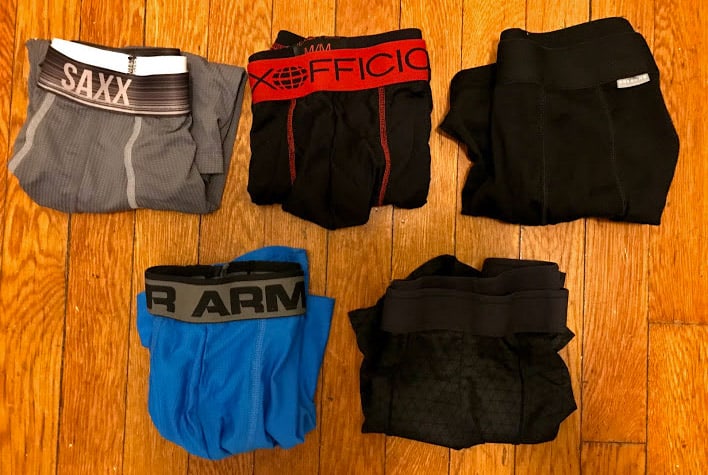
Underwear (5-9 Pairs): Similar to socks, quick-drying, breathable, and odor-resistant underwear made from synthetic materials or merino wool are highly advantageous. They allow for fewer pairs to be packed, as they can be easily hand-washed and dried overnight. ExOfficio and Icebreaker are popular choices among seasoned travelers.
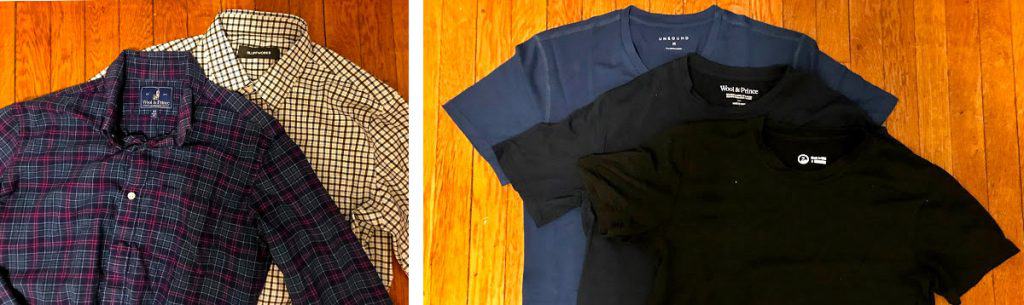
Shirts and Tops: A mix of casual button-up shirts and t-shirts forms the core of a versatile wardrobe.

- Casual Button-Up Shirts (2-4): Long-sleeve button-ups offer flexibility, with sleeves that can be rolled up for casual wear or kept down for a slightly more formal appearance or cooler temperatures. When selecting shirts, prioritize lightweight, quick-drying fabrics that resist wrinkles and odors. Materials like linen, Tencel, or performance blends are ideal.
- T-Shirts (3-4): Solid-colored t-shirts, preferably in cotton or merino wool, are excellent for layering or standalone wear. They are easy to mix and match with other items and can be worn under button-ups to extend the wear of outer layers.
- Sweaters/Sweatshirts (1-2): A lightweight sweater or sweatshirt provides an extra layer of warmth for cooler evenings or air-conditioned environments. Opt for styles that complement your other clothing for maximum utility. During summer travel, this item might be omitted to save space, relying solely on layering with shirts and a jacket.
Pants (2 Pairs): Limiting trousers to two pairs is a common recommendation.
- Dark Jeans (1 pair): Dark-wash jeans are highly versatile, suitable for both casual daytime exploration and slightly more upscale evening activities. They are durable and do not require frequent washing, making them practical for extended trips. Despite their weight and longer drying time compared to synthetics, their versatility and prevalence in European fashion make them a staple.
- Neutral-colored Chinos/Travel Pants (1 pair): A well-fitting pair of lightweight chinos or dedicated travel pants in a neutral color provides an alternative that can be dressed up or down. Modern travel pants often feature quick-drying, wrinkle-resistant fabrics with hidden security pockets, blending functionality with style. Brands like Outlier and Western Rise offer excellent options.
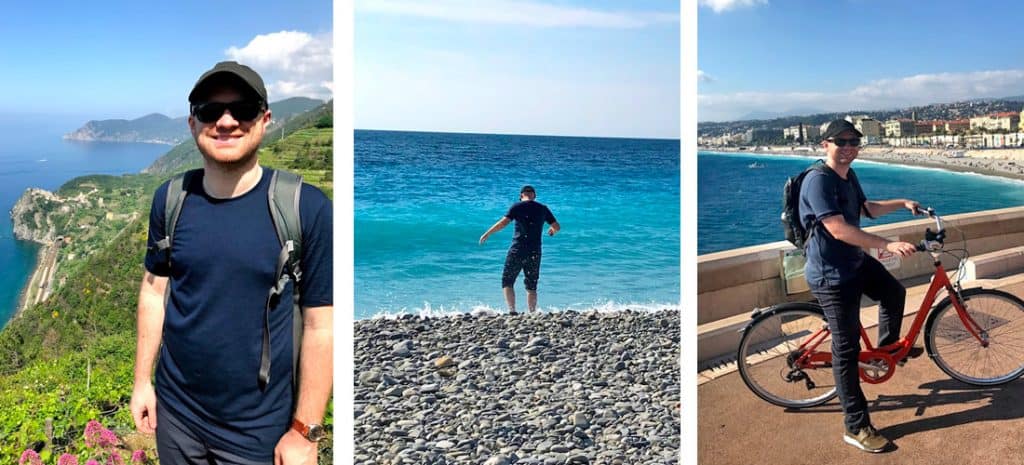
Shorts: While historically less common for adults in some parts of Europe, shorts are increasingly accepted, particularly in Southern Europe during warmer months. The recommendation is to choose well-fitting, tasteful shorts and avoid overtly "touristy" styles like cargo shorts or overly athletic wear.
Outerwear: Prepared for Any Weather
Jackets and Rainwear: The choice of outerwear is highly dependent on the season and specific regions of travel.
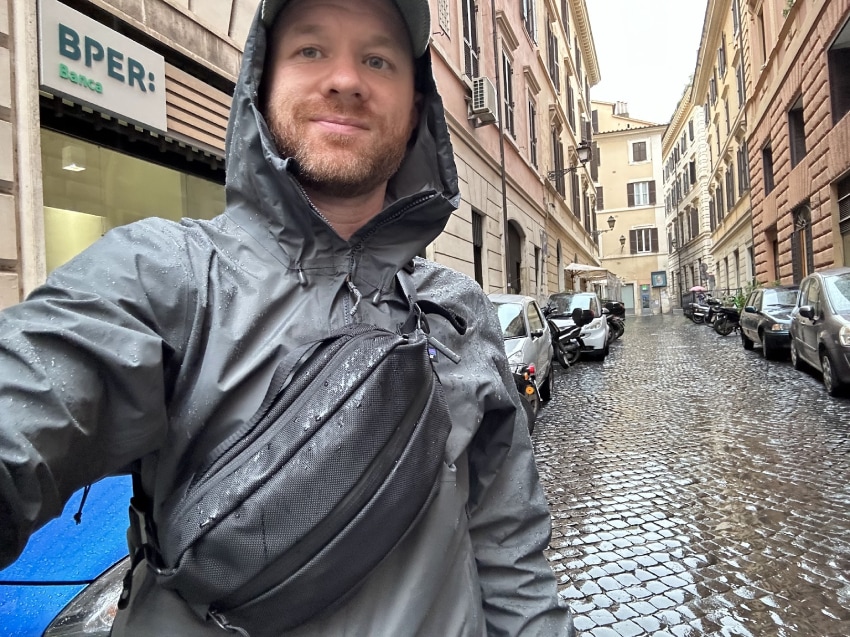
- Lightweight Rain Jacket: A packable, waterproof, and windproof jacket is a crucial item, especially given Europe’s unpredictable weather. It provides protection against unexpected downpours without adding significant bulk.
- Lightweight Insulated Jacket (Optional): For shoulder seasons or cooler climates, a packable down or synthetic insulated jacket offers warmth and can be layered under a rain jacket for enhanced protection.
- Casual Jacket/Blazer (Optional): A stylish, lightweight casual jacket can elevate an outfit for evening outings, contributing to a more refined European aesthetic.
Footwear: The Foundation of Comfort
Shoes for Traveling Europe (1-2 pairs): Given the extensive walking involved in European travel, comfortable and supportive footwear is non-negotiable.
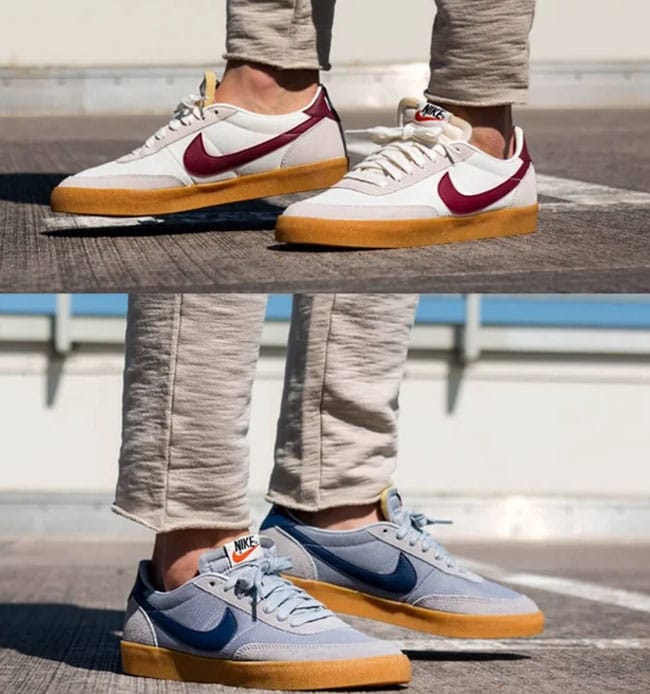
- Primary Walking Shoes: A sturdy pair of comfortable sneakers (e.g., from New Balance, Adidas) that offer good arch support and cushioning is essential. Leather sneakers can provide both comfort and a stylish appearance suitable for day and night.
- Secondary Pair (Optional): If a second pair is desired, a compact, versatile option like stylish canvas sneakers or sturdy sandals for warmer weather can be considered.
- Hostel Sandals/Flip-Flops: A cheap pair of rubber flip-flops is highly recommended for hostel showers to maintain hygiene.
- Avoid: Heavy hiking boots are generally unnecessary unless specific strenuous winter hiking is planned. Dress shoes are also typically superfluous for budget backpackers; smart sneakers suffice for most casual to semi-formal settings.
Essential Travel Gear: Beyond Clothing
Backpacks and Organization
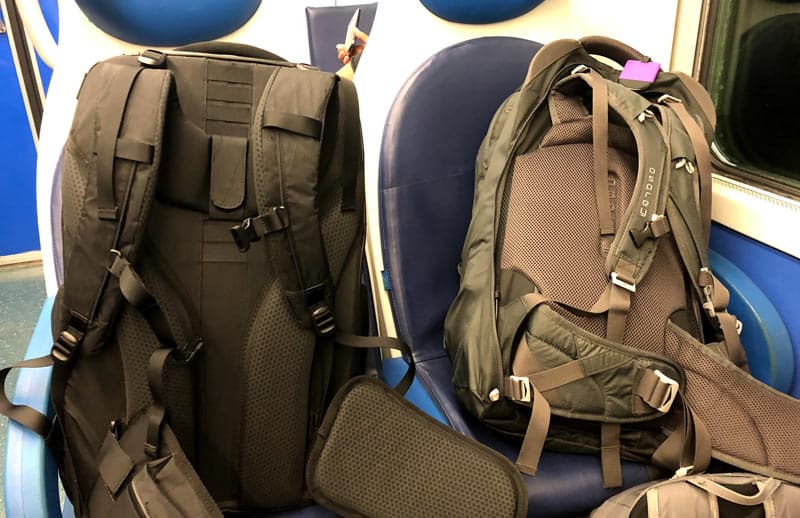
Travel Backpack: The choice of backpack is fundamental. A quality travel backpack designed for carry-on compliance (typically 40-50 liters) allows travelers to bypass checked baggage fees and wait times. Features such as a full-panel zip opening for easy access, comfortable suspension systems, and durable materials are important. Brands like Osprey, Tortuga, and Aer are highly regarded.
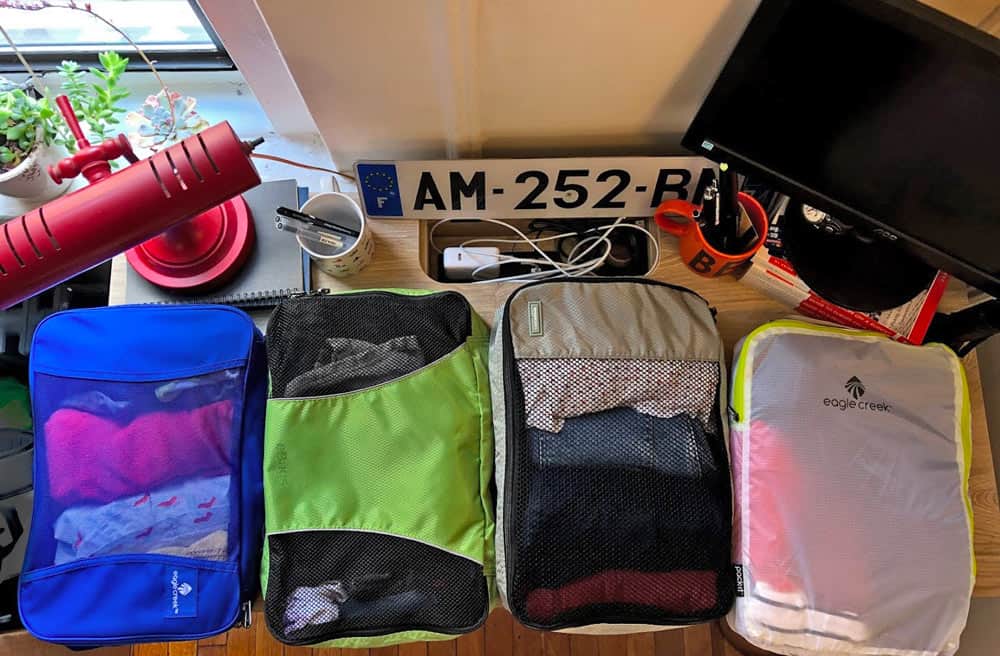
Packing Cubes: These lightweight, zippered compartments revolutionize backpack organization. They allow clothes to be neatly separated, compressed, and easily accessed without disturbing the entire contents of the bag, minimizing wrinkles and maximizing space. Eagle Creek and Gonex are popular choices.
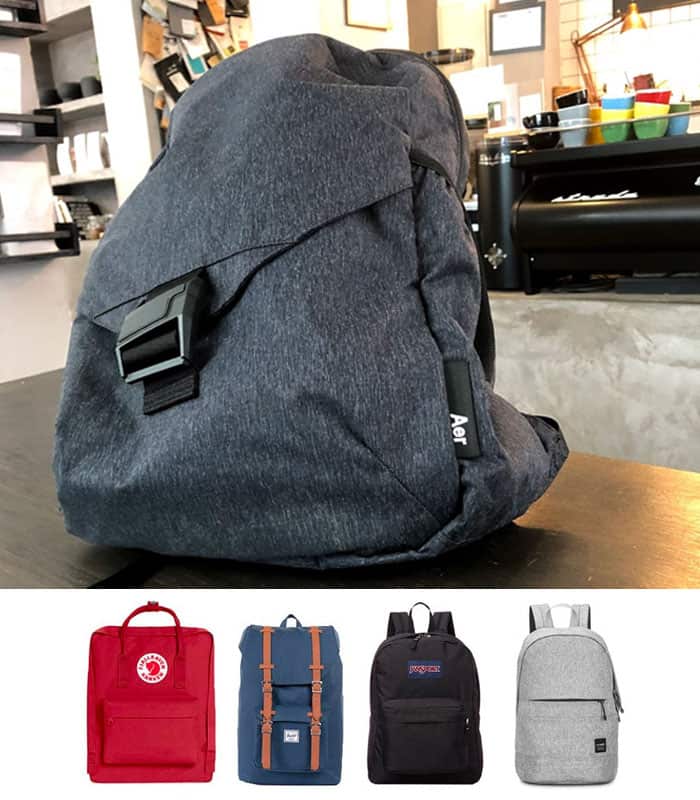
Travel Daypack: A small, compressible daypack (15-25 liters) is invaluable for daily excursions, carrying essentials like a camera, water bottle, snacks, and a light jacket. Ideally, it should pack flat into the main backpack during transit days.
Connectivity and Digital Essentials
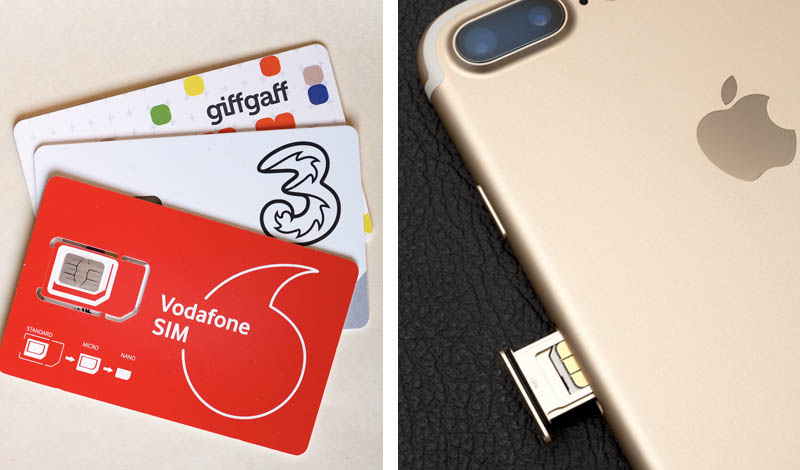
eSIM Data Plan: For cost-effective and seamless mobile data, an eSIM or local SIM card is vastly superior to international roaming plans from home carriers. Providers like SimOptions or Holafly offer affordable, flexible data plans across Europe, crucial for navigation, communication, and accessing travel information.
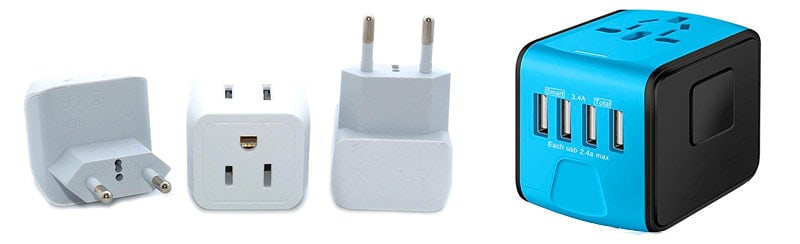
Outlet Plug Adapters: European outlets operate at 220-240V, differing from North America’s 110-120V. While most modern electronics (laptops, phones, cameras) are dual-voltage and only require a plug adapter, low-power devices like hair dryers might need a voltage converter. Continental Europe primarily uses Type C/F plugs, while the UK uses Type G. A universal adapter or a few country-specific adapters are essential.
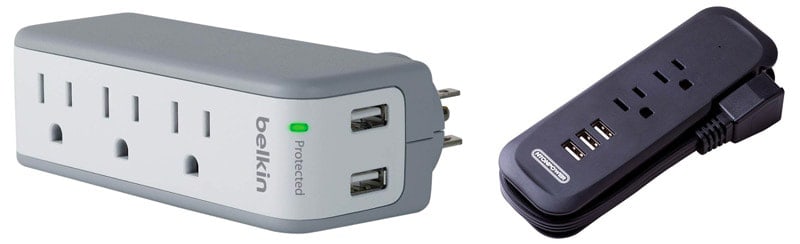
Travel Power Strip: Hostels and older hotels often have limited power outlets. A compact travel power strip with USB ports is a highly practical item, allowing multiple devices to be charged simultaneously from a single adapter.
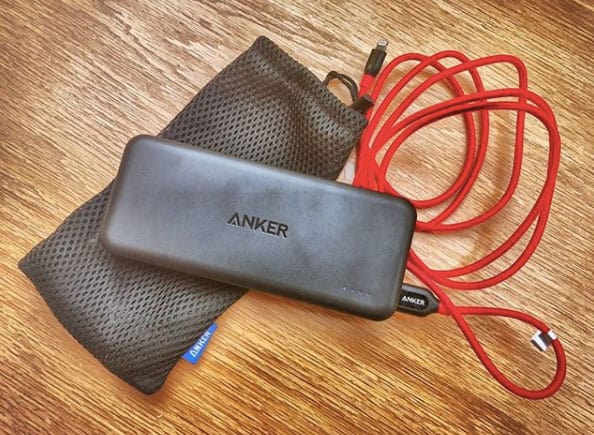
Portable Phone Charger: With heavy reliance on smartphones for navigation, photography, and communication, a portable power bank is critical to avoid running out of battery during long days of sightseeing. Anker PowerCore series is a popular, reliable option.
Tablet or E-Reader: A tablet or e-reader offers a lightweight alternative to a laptop for entertainment, communication, and accessing digital guidebooks, reducing bulk and weight.
Headphones: Wireless earbuds (e.g., Apple AirPods) are convenient for daily use, while a wired pair can serve as a backup or for in-flight entertainment systems.

Personal Care and Hygiene
Minimalist Toiletries: Liquids, gels, and creams add significant weight. Travelers are advised to bring travel-sized containers of essential toiletries or plan to purchase items locally upon arrival. Reusable silicone bottles are an environmentally friendly option. Basic items typically include:
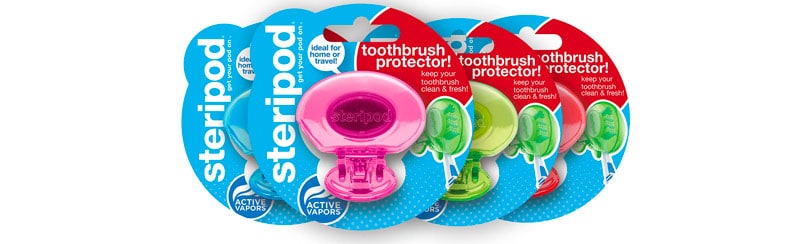
- Toothbrush & travel-sized toothpaste
- Small soap/shampoo bar (to avoid liquid restrictions)
- Deodorant
- Sunscreen
- Lip balm
- Small comb/brush
- Any necessary medications
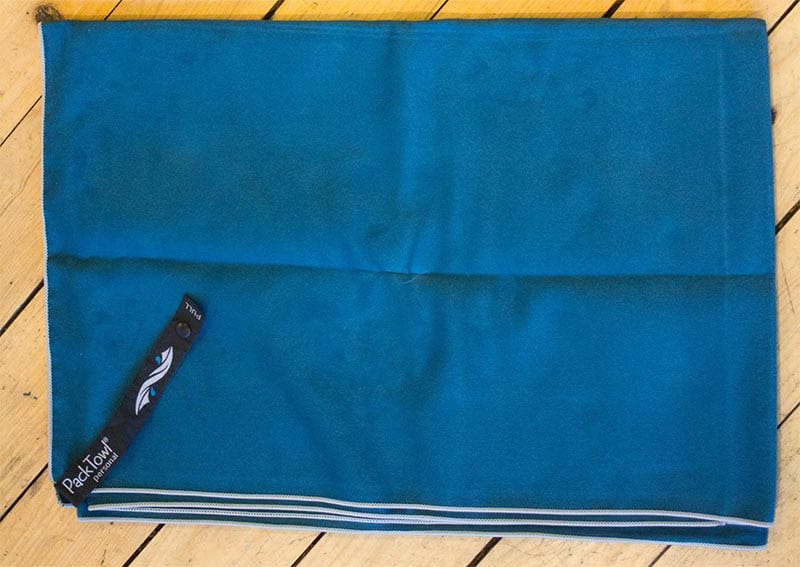
Travel Towel: A quick-drying microfiber travel towel is a must-have, particularly for hostel stays where towels may not be provided or incur extra fees. Unlike traditional cotton towels, they absorb moisture efficiently and dry rapidly, preventing unpleasant odors in a backpack.
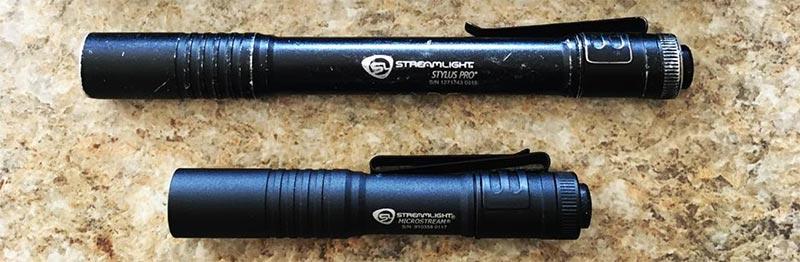
Small Flashlight: A compact keychain flashlight or headlamp is useful for navigating dark hostel dorms without disturbing others, or for finding items in a dimly lit backpack.
Essential Miscellaneous Items
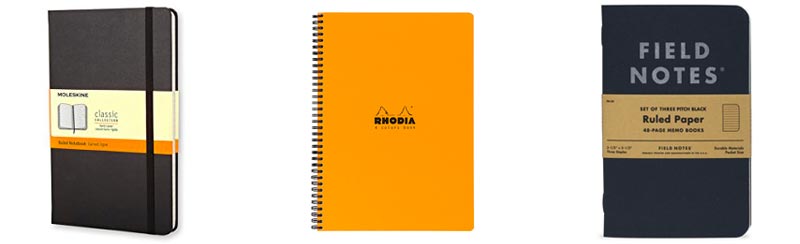
- Notebooks and Pens: For jotting down directions, recommendations, travel memories, or budget tracking.
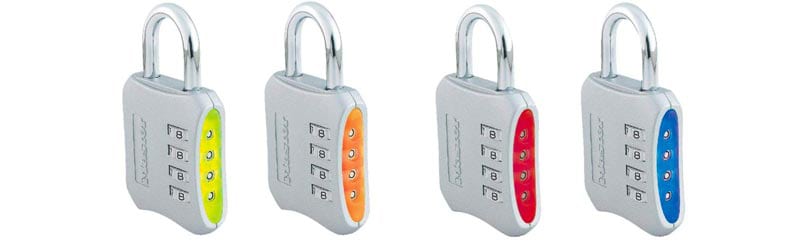
- Padlock & Retractable Cable Lock: Essential for securing valuables in hostel lockers or for temporarily attaching a backpack to a fixed object on trains or buses.
- Sleep Sheet/Sleep Sack: An optional item for those concerned about hostel bedding cleanliness; silk versions are lightweight and comfortable.
- Earplugs & Eye Mask: Crucial for light sleepers, especially in shared hostel dorms or during long-haul transport.
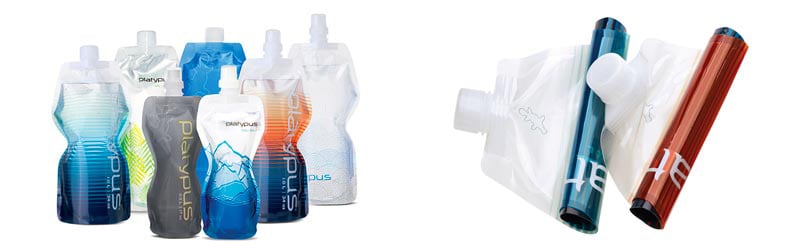
- Reusable Water Bottle: An eco-friendly choice for staying hydrated and reducing plastic waste, as tap water is safe to drink in most of Europe.
- Travel Utensils: A lightweight, reusable set of cutlery or a spork is handy for picnics and self-catering meals.
- Photocopies of Important Documents: Physical and digital copies (stored securely in the cloud or emailed to oneself) of passports, visas, and insurance details are vital for emergency situations.
- Ziploc Bags (Multiple Sizes): Useful for separating dirty laundry, wet items, or containing liquids to prevent leaks.
- Money Belt (Optional): While some travelers prefer them for securing cash and important documents, others find them uncomfortable. A safer alternative is often to distribute valuables across different secure locations on one’s person and in the backpack.
- Collapsible Umbrella: A compact umbrella offers quick protection from sudden rain showers.
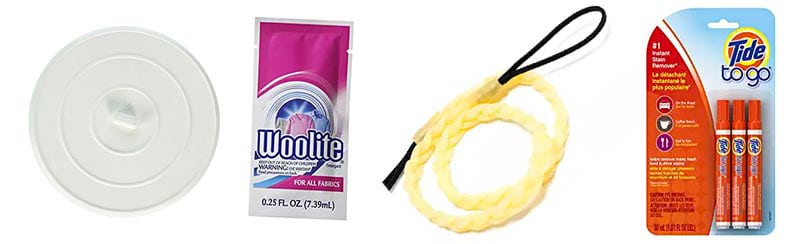
- Laundry Supplies: A small amount of travel detergent, a universal sink stopper, and a lightweight clothesline can facilitate hand-washing clothes.
- Guidebooks & Phrasebooks: Digital versions on an e-reader or phone save space and weight. A small physical phrasebook can be helpful for basic communication.
What to Leave Behind: Common Packing Pitfalls
To achieve optimal lightness and efficiency, several items commonly considered for travel should be deliberately omitted:
- Excessive Clothing: More than a week’s worth of clothing is generally unnecessary, given the availability of laundry facilities.
- Multiple Pairs of Bulky Shoes: Beyond the recommended one or two versatile pairs, extra shoes add significant weight and volume.
- Full-Sized Toiletries: These are heavy and readily available for purchase in Europe.
- Expensive Jewelry or Valuables: These attract unwanted attention and pose a higher risk of theft or loss.
- Heavy Guidebooks: Digital versions are more practical.
- Hair Dryers/Straighteners (unless dual voltage): These often require heavy voltage converters. Most accommodations provide hair dryers, or they can be purchased cheaply.
- Sleeping Bags: Unless specific camping or outdoor activities are planned, these are bulky and unnecessary for typical hostel/hotel stays.
- Pillows: Travel pillows are sufficient for comfort during transit; full-sized pillows are redundant.
Acquiring Your Travel Arsenal
Numerous retailers specialize in travel gear, offering a wide range of products designed for durability, lightness, and functionality. Online platforms like Amazon, alongside outdoor and travel specialty stores such as REI, Patagonia, and Osprey, are excellent resources for acquiring high-quality backpacks, clothing, and accessories. Decathlon offers budget-friendly yet functional options for many travel essentials.
By adhering to a disciplined and strategic packing approach, backpackers can significantly enhance their European adventure. Prioritizing lightweight, versatile, and essential items not only streamlines transit and reduces costs but also frees travelers from the burden of excessive luggage, allowing for greater immersion in the rich cultural tapestry and diverse landscapes of Europe.
Related posts: