Most Visited Cities in Europe: A Comprehensive Analysis of Europe’s Booming Tourism Landscape

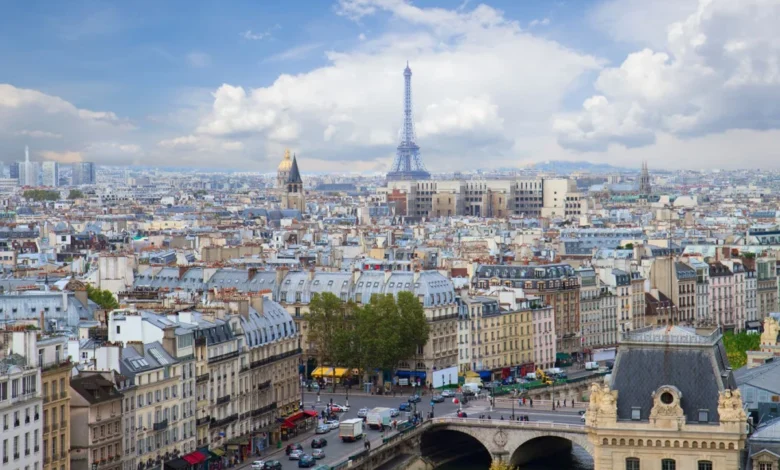
Europe’s tourism sector has demonstrated a remarkable resurgence, with international arrivals projected to exceed pre-pandemic levels in 2025, reaching an impressive 793 million visitors. This robust recovery underscores the continent’s enduring appeal as a premier global travel destination. A comprehensive study conducted in 2024 by Euromonitor International, alongside data from various local tourism offices, has revealed the most popular urban centers driving this unprecedented influx. These findings offer invaluable insights for travelers planning multi-city itineraries and highlight the dynamic shifts within the European tourism landscape.
Europe’s Resurgent Tourism: A Post-Pandemic Revival
The continent experienced record tourism numbers in 2024, signaling a full recovery from the travel slump induced by the global pandemic. This robust rebound is attributed to pent-up demand, eased travel restrictions, and concerted efforts by national and local tourism bodies to safely welcome visitors back. The economic implications of this recovery are significant, with tourism contributing substantially to local economies through hospitality, retail, and cultural sectors. According to the World Travel & Tourism Council (WTTC), Europe’s travel and tourism sector is forecast to grow by 3.4% annually over the next decade, outpacing the overall European economy. This growth is anticipated to create 3.5 million new jobs, highlighting the sector’s critical role in economic stability and growth across the continent. However, this surge also brings challenges, including managing visitor flow, preserving environmental and cultural heritage, and ensuring sustainable tourism development.
The Top Tier: Cities Commanding the Most Attention
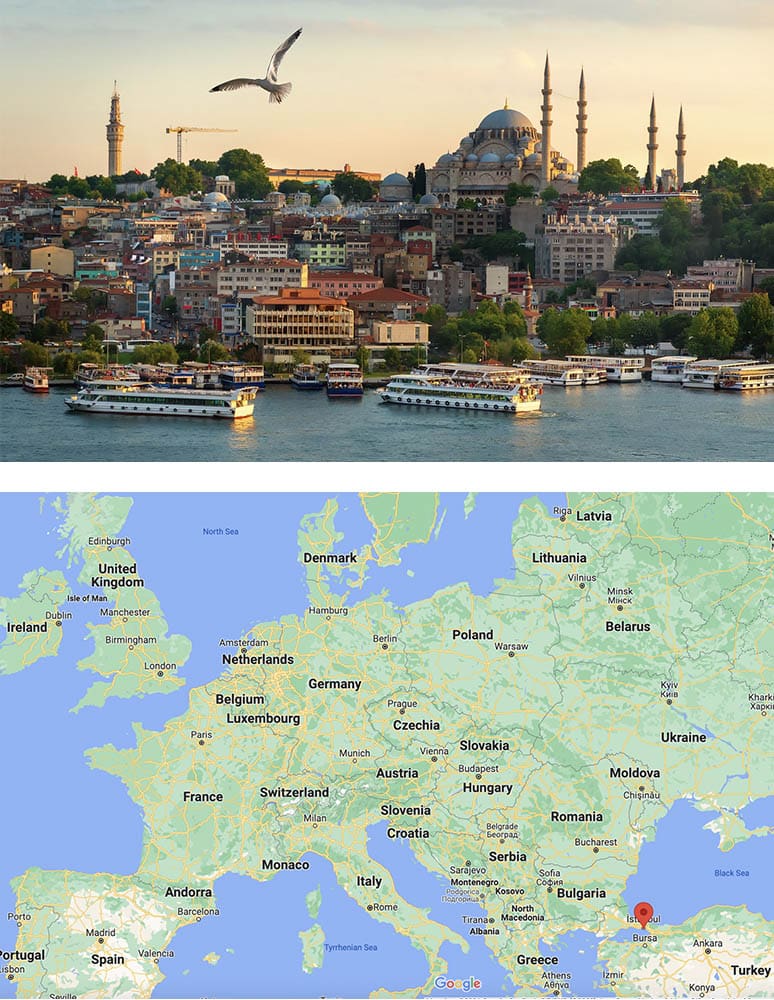
The ranking of Europe’s most visited cities provides a snapshot of current travel trends, with some perennial favorites maintaining their dominance while others climb the ranks, reflecting evolving traveler preferences and regional developments.
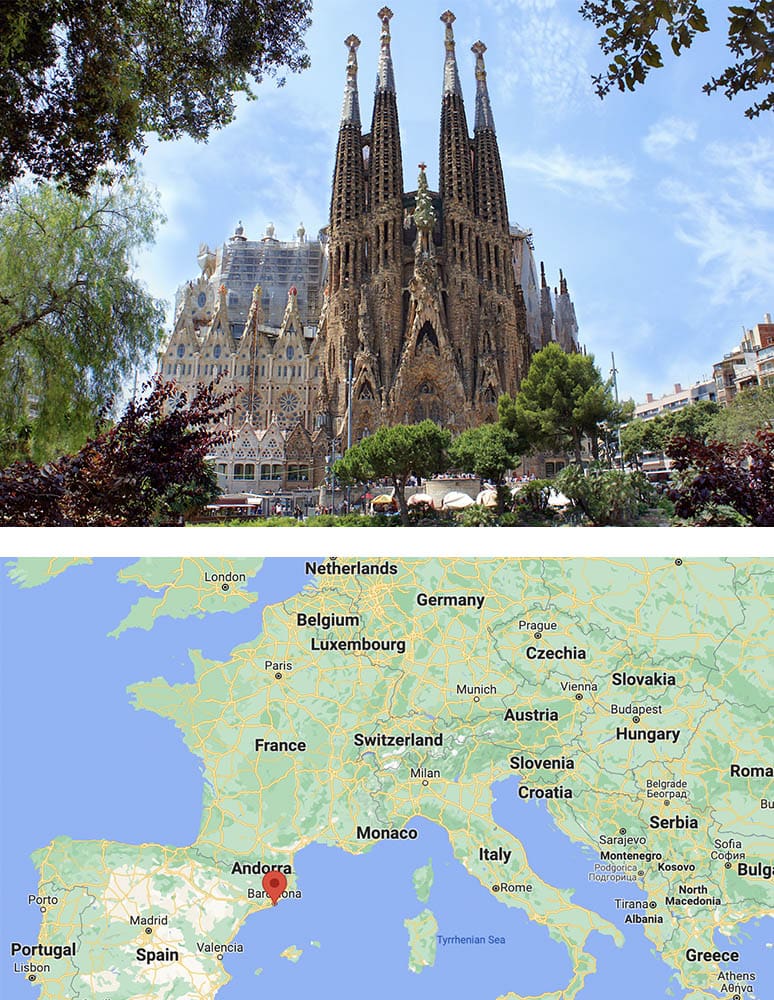
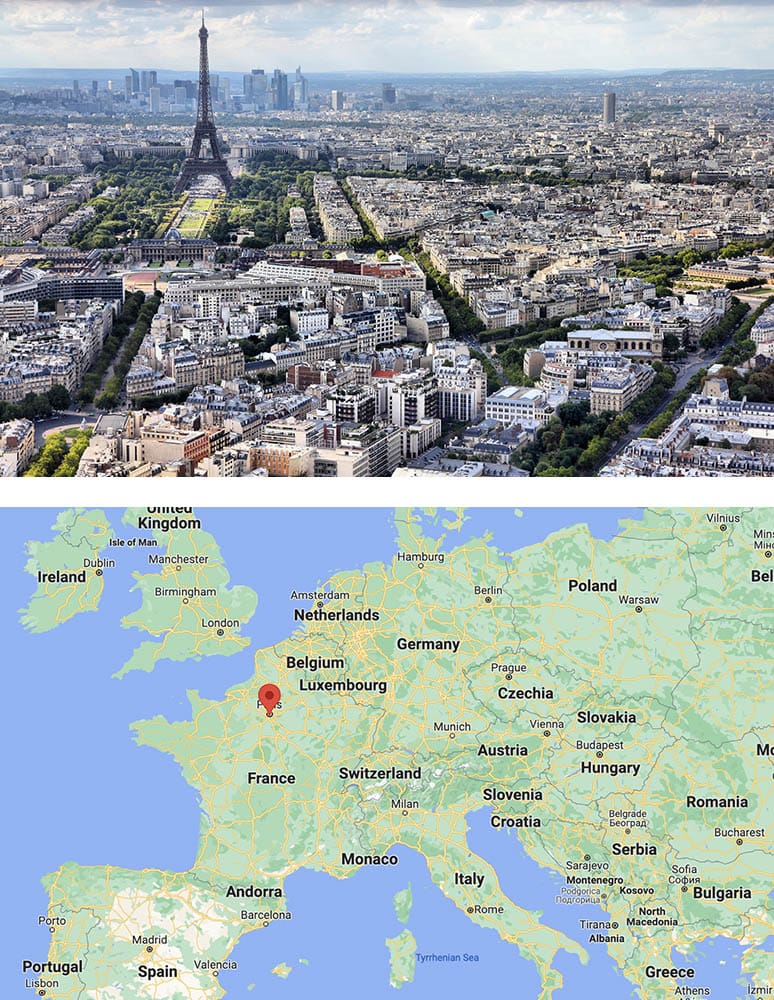
1. Paris, France – 50 Million Annual Visitors
The French capital, often hailed as the "City of Lights," has officially reclaimed its position as Europe’s most visited city, narrowly surpassing London in recent years. France, as a nation, also remains the most visited country in Europe, a testament to its diverse attractions and rich cultural heritage. Paris’s enduring allure stems from its unparalleled concentration of world-famous sights, from the iconic Eiffel Tower and the artistic treasures of the Louvre Museum to the historic Notre Dame Cathedral and the charming streets of Montmartre. Beyond its architectural grandeur, Paris is a global hub for fashion, haute cuisine, and vibrant nightlife, offering an eclectic mix of experiences for every traveler. The city’s efficient Metro system facilitates easy navigation, allowing visitors to seamlessly explore its numerous arrondissements. Furthermore, Paris boasts an extensive array of accommodation options, including a high number of vacation rental apartments, hotels, and hostels, catering to a wide range of budgets and preferences. Local tourism authorities consistently promote Paris as a cultural epicenter, leveraging its upcoming major events, such as the 2024 Olympic Games, to further solidify its global standing and attract new demographics of visitors.
Source: https://press.parisinfo.com/key-figures

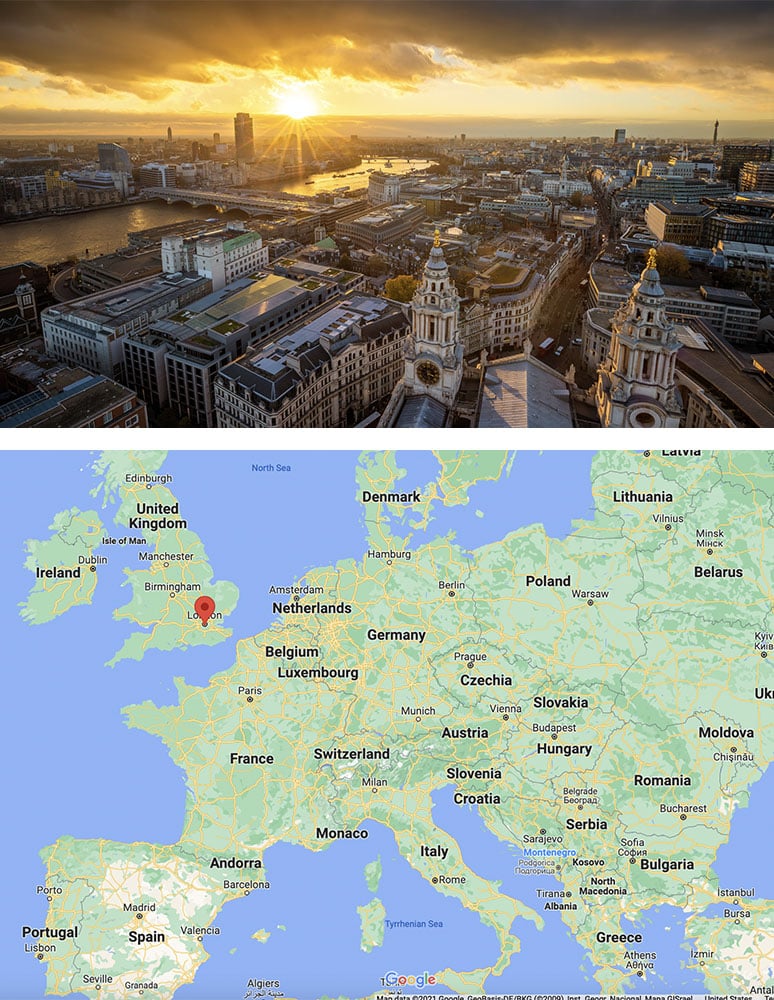
2. London, United Kingdom – 40 Million Annual Visitors
For many years, London held the coveted title of Europe’s most visited city, a reflection of its status as a dynamic global metropolis. Despite being recently overtaken by Paris, London remains a powerhouse in international tourism and a favored first stop for many travelers. Its multiple major international airports, including Heathrow and Gatwick, offer abundant and often competitively priced flights, making it highly accessible. For first-time international travelers, the absence of a language barrier provides a welcoming entry point into European exploration. London is a city of immense depth and diversity, featuring historic landmarks like the Tower of London, Buckingham Palace, and Westminster Abbey, alongside world-class museums such as the British Museum and the National Gallery. Its vibrant West End theatre district, diverse culinary scene, and extensive public transport network ensure that visitors can easily spend a week or more without exhausting its offerings. The city’s tourism board continues to highlight its blend of tradition and modernity, appealing to a broad spectrum of international visitors. London’s tourism sector generates billions for the UK economy, with continuous investment in infrastructure and cultural events.
Source: https://data.london.gov.uk/dataset/number-international-visitors-london
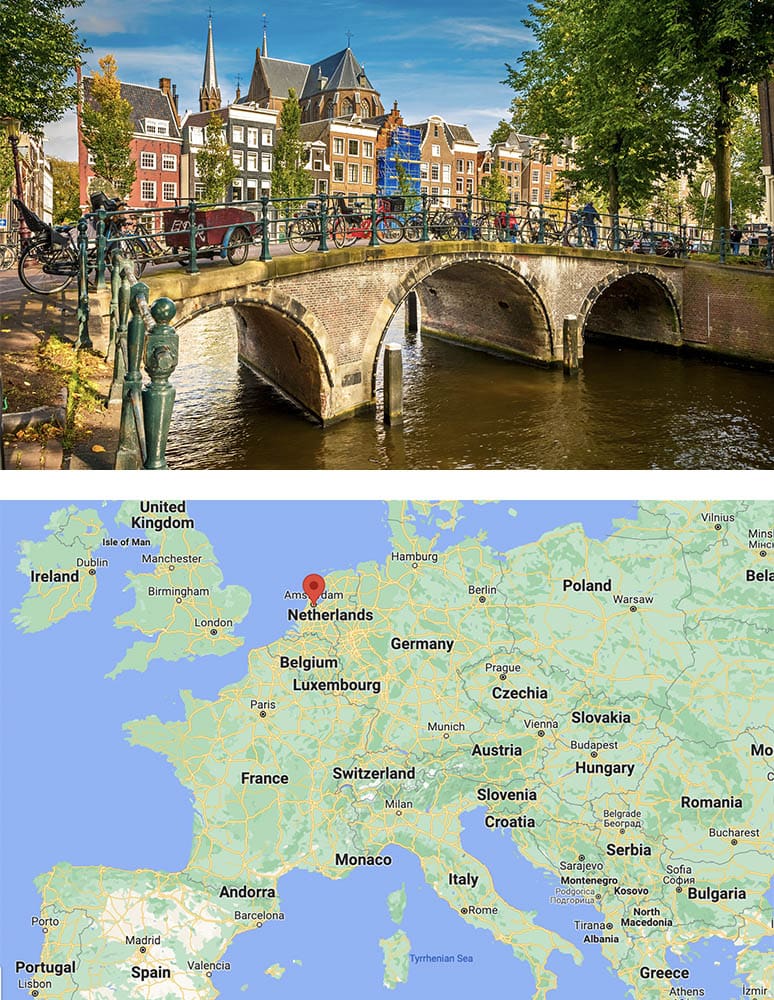
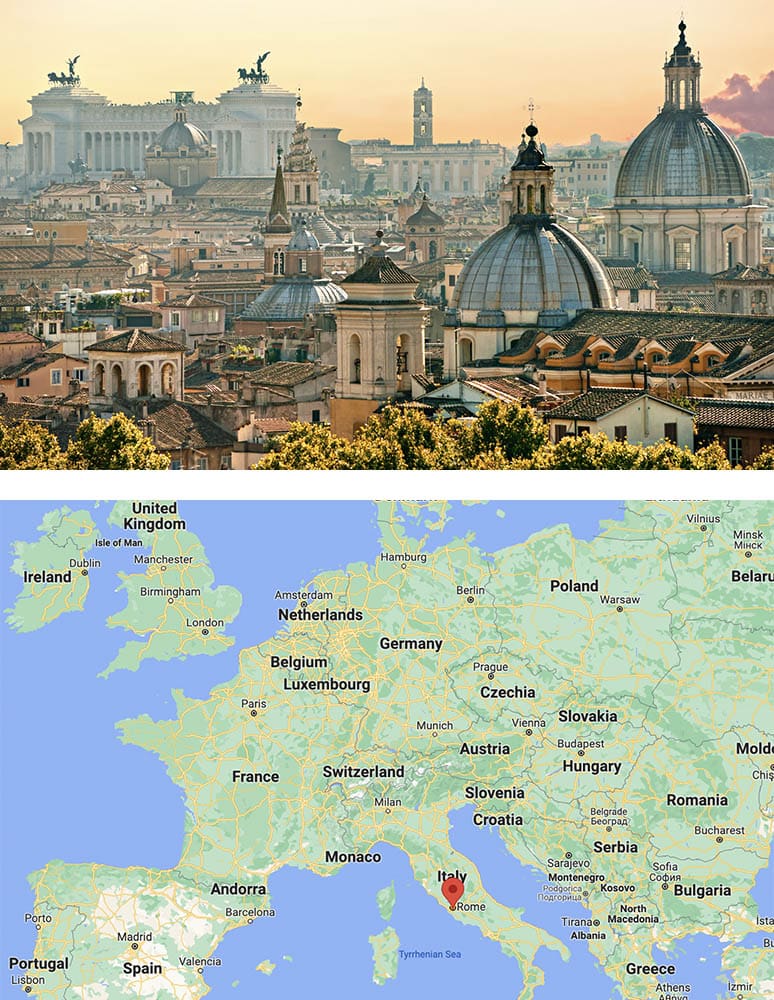
3. Rome, Italy – 35 Million Annual Visitors
The "Eternal City" of Rome consistently ranks among Europe’s most cherished destinations, drawing millions with its unparalleled historical and cultural significance. Widely regarded as one of the world’s most historically, educationally, and culturally rich cities, Rome offers a living museum experience. From the ancient grandeur of the Colosseum and the Roman Forum to the spiritual heart of Vatican City and the baroque splendor of the Trevi Fountain, every corner of Rome tells a story spanning millennia. The city’s profound influence on Western civilization, as the birthplace of an empire, law, and art, makes it an essential pilgrimage for history enthusiasts. Rome is also exceptionally well-connected to Italy’s other magnificent cities and regions via a high-speed rail network, positioning it as an ideal starting point for a broader Italian adventure. The city faces the ongoing challenge of managing the preservation of its ancient sites