Fly Tot Review: A Comprehensive Analysis of Inflatable Airplane Cushions for Toddler Travel

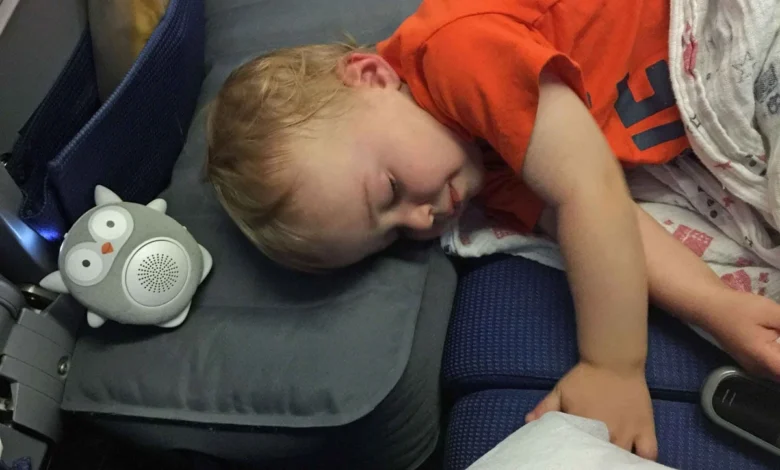
Navigating long-haul air travel with a toddler is widely considered one of the most taxing experiences for parents, often characterized by limited space, sleep deprivation, and the logistical challenge of keeping an active child confined to an economy seat for several hours. The emergence of inflatable travel cushions, such as the Fly Tot, has provided a potential solution by expanding the usable surface area of an airline seat, allowing children to lie flat. As families increasingly return to international travel, understanding the utility, safety considerations, and airline compliance of these devices has become essential for modern parenting.

The Evolution of In-Flight Comfort for Children
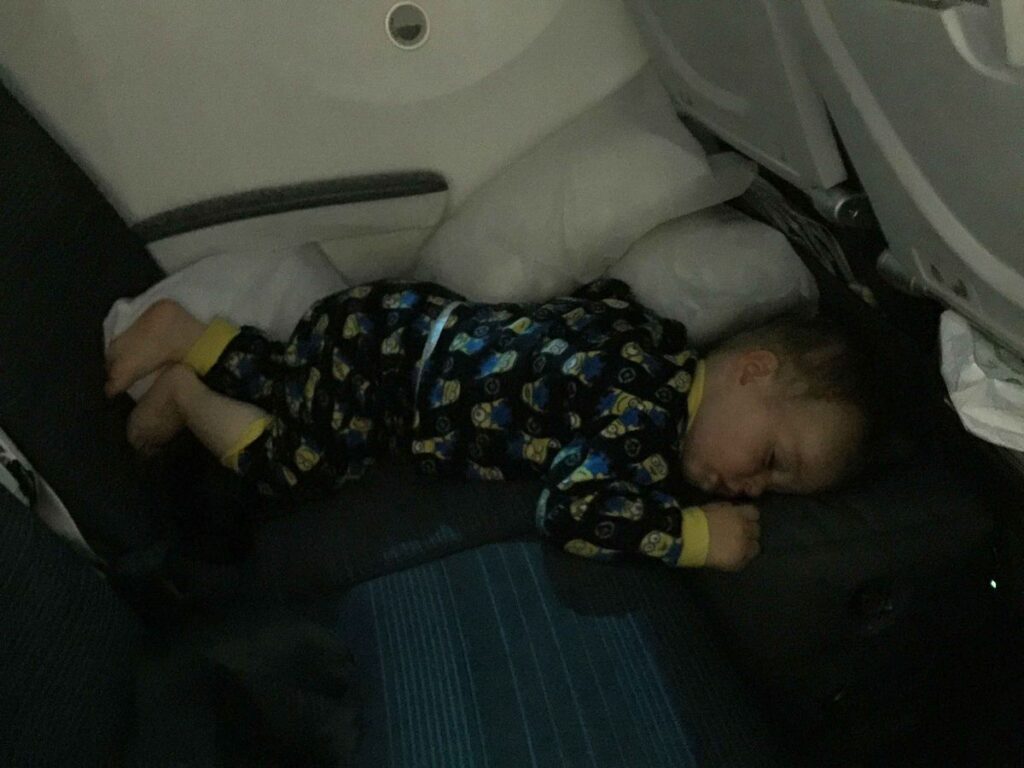
The concept of the inflatable airplane cushion originated from a fundamental need to bridge the gap between a standard child’s car seat and the adult-sized economy seat. For children between the ages of 2 and 8, the transition to sitting in a standard airplane seat often results in legs dangling and an inability to find a comfortable sleeping position. The Original Fly Tot, introduced nearly a decade ago, sought to solve this by filling the footwell area, effectively creating a "bed" that extends the depth of the seat.

Recent developments in the product line have seen the introduction of the Fly Tot Plus. Unlike its predecessor, this iteration features a patented two-width design, allowing for better compatibility with varying seat pitches and aircraft configurations found across major carriers. This design shift reflects an industry-wide recognition that standardized, one-size-fits-all travel accessories often fail to account for the diversity of aircraft cabin layouts.
Technical Specifications and Safety Features
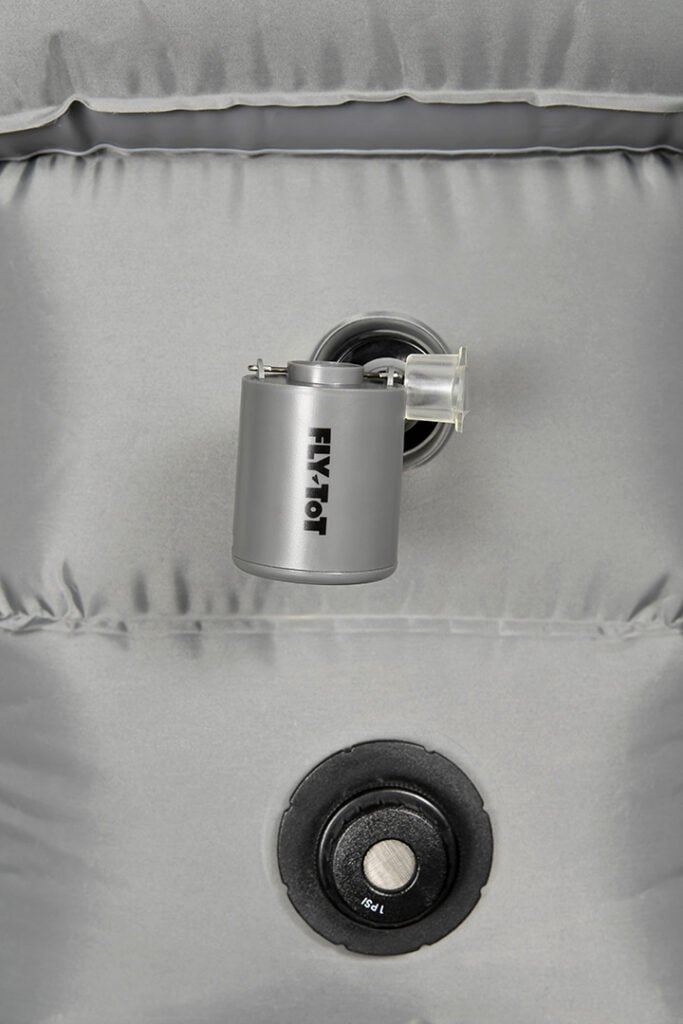
The modern iteration of the Fly Tot includes several critical safety and convenience upgrades. A primary concern for aviation regulators regarding such devices is the potential for rapid cabin depressurization. To address this, the Fly Tot Plus incorporates a patented automatic safety release valve. This mechanism is designed to trigger if there is a sudden change in cabin pressure, ensuring that the cushion does not become a structural hazard or obstruction during an emergency.
Furthermore, the inclusion of a rechargeable "Tiny Pump" signifies a transition toward more efficient, travel-friendly equipment. In earlier years, parents were often forced to rely on manual pumps that occupied significant carry-on capacity. The current pump is designed to fit in the palm of a hand and can inflate the cushion in under one minute, addressing common criticisms regarding the time-intensive setup required during the boarding process.

Regulatory Landscape and Airline Policies
The use of inflatable travel cushions remains a complex issue within the aviation industry. There is currently no global standard or universal approval from the International Air Transport Association (IATA) regarding these devices. Instead, the legality of using a Fly Tot or similar cushion is determined on a case-by-case basis by individual airlines.

Most major international carriers now have specific clauses in their "Conditions of Carriage" that address seat extenders. Generally, these policies mandate that the device must be placed only in window seats or middle seats in the center section, ensuring that it does not block access to the aisle or prevent a passenger from exiting in an emergency. Cabin crew retain final authority; if a flight attendant determines that the device poses a safety risk, they may require it to be deflated and stowed immediately. Consequently, seasoned travelers are advised to verify the specific policy of their airline via official channels well in advance of their departure date.
Impact on Parental Stress and Travel Logistics

Data collected from frequent travelers suggests that the primary benefit of such devices is the reduction of physical and psychological strain on parents. By creating a flat, stable sleeping surface, children are more likely to remain in their own seats, which facilitates sleep and provides parents with greater autonomy during long-haul flights.
Analysis of the shift in travel patterns over the last decade indicates that as families prioritize comfort and rest, the demand for "toddler-friendly" aviation accessories has grown. However, the adoption of these tools is not without its challenges. The investment cost of these products can be significant, and for families who travel infrequently, the utility may not justify the expenditure. Furthermore, the reliance on these products for children under the age of 2 is discouraged by manufacturers, as infants typically require different safety restraints and should be secured via a lap belt or an approved FAA-compliant car seat.
Comparative Analysis of Market Alternatives
The market for inflatable airplane beds has expanded significantly, with competitors such as the Flyaway Kids Bed and Plane Pal offering variations on the same theme. The Flyaway Kids Bed, for instance, utilizes a different design philosophy, creating a raised platform that keeps the floor space underneath partially clear.

When comparing these options, parents must evaluate several factors:
- Ease of Inflation: The time required to set up the device and the noise levels of the pumps used.
- Packing Efficiency: How much space the deflated product occupies in a carry-on bag.
- Versatility: Whether the device can be used in different seat configurations or if it is restricted to specific layouts.
- Regulatory Compliance: Whether the design is more likely to be accepted by stricter cabin crews.
Expert Recommendations for Successful Implementation
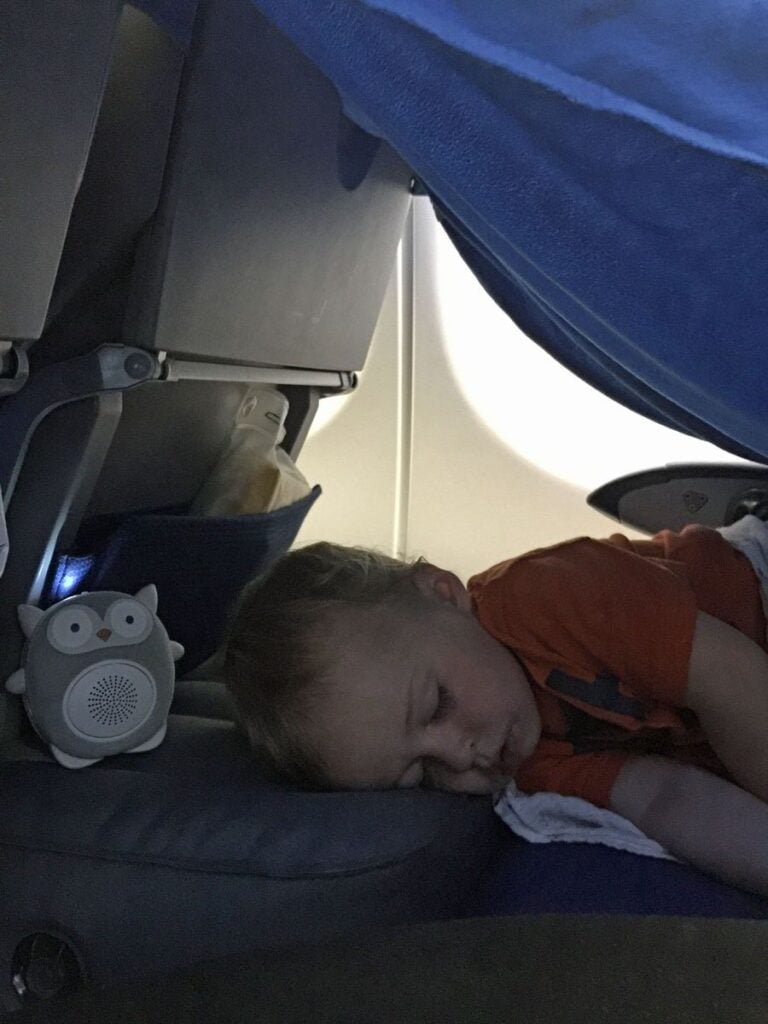
To minimize potential conflict with airline staff and maximize the efficacy of the device, industry experts and frequent flyers suggest a standardized approach to usage:
- Pre-Flight Preparation: Practice the inflation and deflation process at home. Understanding the valve mechanism is crucial when working in the cramped confines of an economy seat.
- Strategic Timing: Never attempt to set up an inflatable cushion during taxi, takeoff, or landing. It is best to wait until the aircraft has reached cruising altitude and the meal service has concluded, as this minimizes the likelihood of interrupting the cabin crew’s workflow.
- Proactive Communication: While not always required, informing the flight crew of your intent to use the device can often lead to a more cooperative environment. Polite interactions with staff are consistently correlated with better outcomes in the event of policy enforcement.
- Compliance with Seat Belt Signs: Always prioritize the seat belt policy. If the "Fasten Seat Belt" sign is illuminated, the device must be treated as secondary to the child’s safety. Many airlines require the child to be in a normal seated position with the belt fastened during turbulence, regardless of the cushion’s presence.
Broader Implications for Family Travel

The widespread adoption of these devices represents a broader trend in the travel industry: the professionalization of family travel. As parents demand more convenience and comfort, manufacturers have responded with high-tech, safety-conscious solutions. However, the reliance on such products also underscores the reality of modern aviation, where economy class seating has become increasingly restrictive, making it difficult for passengers—particularly those with small children—to maintain a basic level of physical comfort.
While the Fly Tot and its competitors offer a tangible benefit, they serve as a stop-gap measure for a larger issue regarding seat pitch and the physical constraints of air travel. For the foreseeable future, however, these cushions are likely to remain an essential component of the "toddler travel kit" for long-haul international journeys.

Final Assessment
The utility of the Fly Tot Plus, and the inflatable bed category at large, is contingent upon the specific needs of the family and the policies of the airline being utilized. For families embarking on 10-hour-plus journeys, the ability to facilitate child sleep is a significant advantage that can positively impact the entire trip. Yet, users must approach the product with a clear understanding of its limitations, the necessity of airline approval, and the responsibility of ensuring that the device does not impede cabin safety. As the industry continues to evolve, further standardization in policy regarding these devices would be a welcome development, providing clarity to parents who seek to make air travel more manageable for their young children.