Mastering the Disney Cruise Line Experience at Castaway Cay: A Comprehensive Guide to the Private Island Oasis

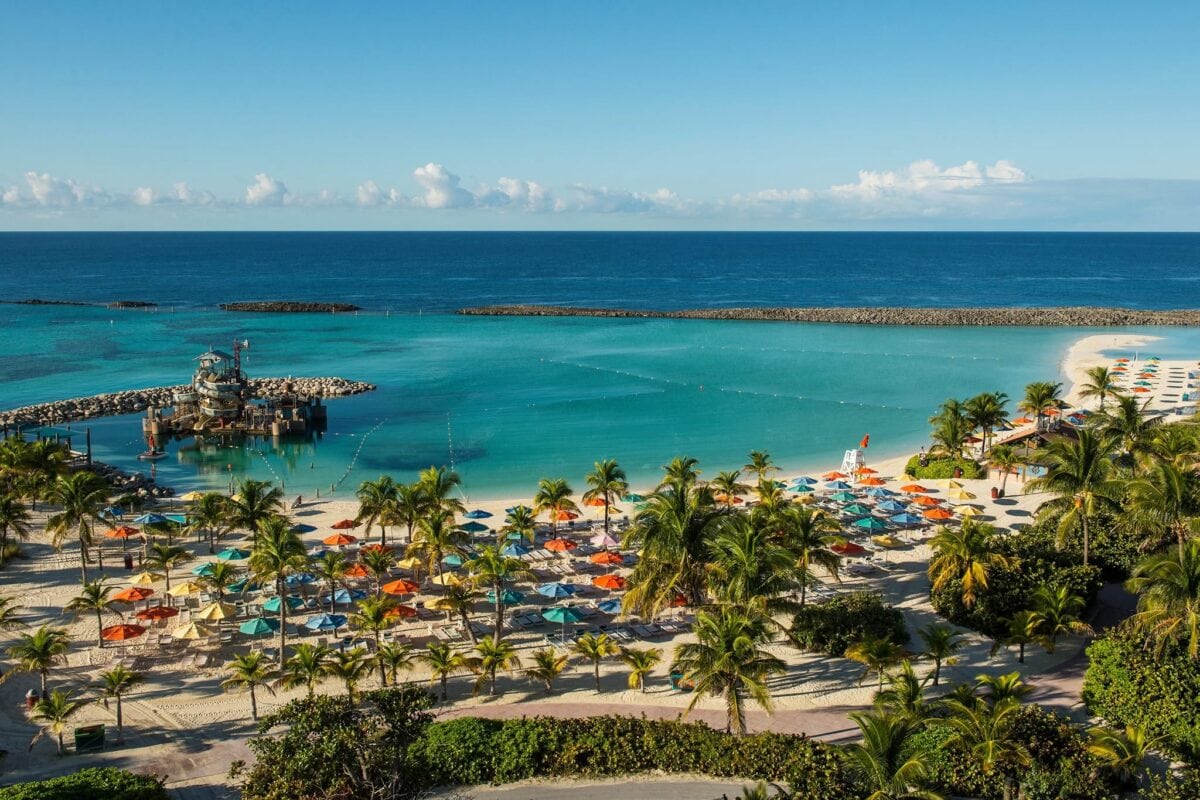
Disney Cruise Line’s Castaway Cay serves as the gold standard for private cruise destinations, offering a meticulously curated tropical experience that blends Bahamian natural beauty with the logistical precision for which the Walt Disney Company is known. Spanning approximately 1,000 acres, of which only a fraction is developed, the island—originally known as Gorda Cay—underwent a massive transformation in the late 1990s to become the first private island in the cruise industry where ships could dock directly alongside a pier. This engineering feat eliminated the need for "tendering"—the process of using small boats to ferry passengers to shore—thereby maximizing the time guests spend on the island and ensuring a seamless transition from the ship to the shore.
Historical Context and the Evolution of Gorda Cay
The history of Castaway Cay is as colorful as its turquoise waters. Before Disney signed a 99-year lease with the Bahamian government in 1997, Gorda Cay had a storied past, including a period in the 1970s and 80s when its remote airstrip was reportedly used for illicit activities. Disney’s intervention involved a massive environmental and infrastructural overhaul. The company spent approximately $25 million to $30 million on the initial development, which included dredging 263,000 cubic yards of sand to create a deep-water ship channel.
The island officially opened as Castaway Cay in 1998, coinciding with the launch of the Disney Magic. Since then, it has become the highest-rated port of call for Disney Cruise Line (DCL). In 2023, the island underwent a significant refurbishment to refresh its facilities, a move that included the permanent closure of the popular Spring-A-Leak splash pad, signaling a shift in the island’s recreational layout to accommodate larger guest capacities from the newer "Triton-class" ships like the Disney Wish and the upcoming Disney Treasure.
Infrastructure and the Cashless Ecosystem
One of the defining features of Castaway Cay is its integration with the ship’s onboard systems. Upon disembarking, guests are required to carry their "Key to the World" card. This card serves a dual purpose: it is the primary identification required for re-boarding the vessel and the sole method of payment for nearly all island transactions, including shore excursions, bicycle rentals, and alcoholic beverages.
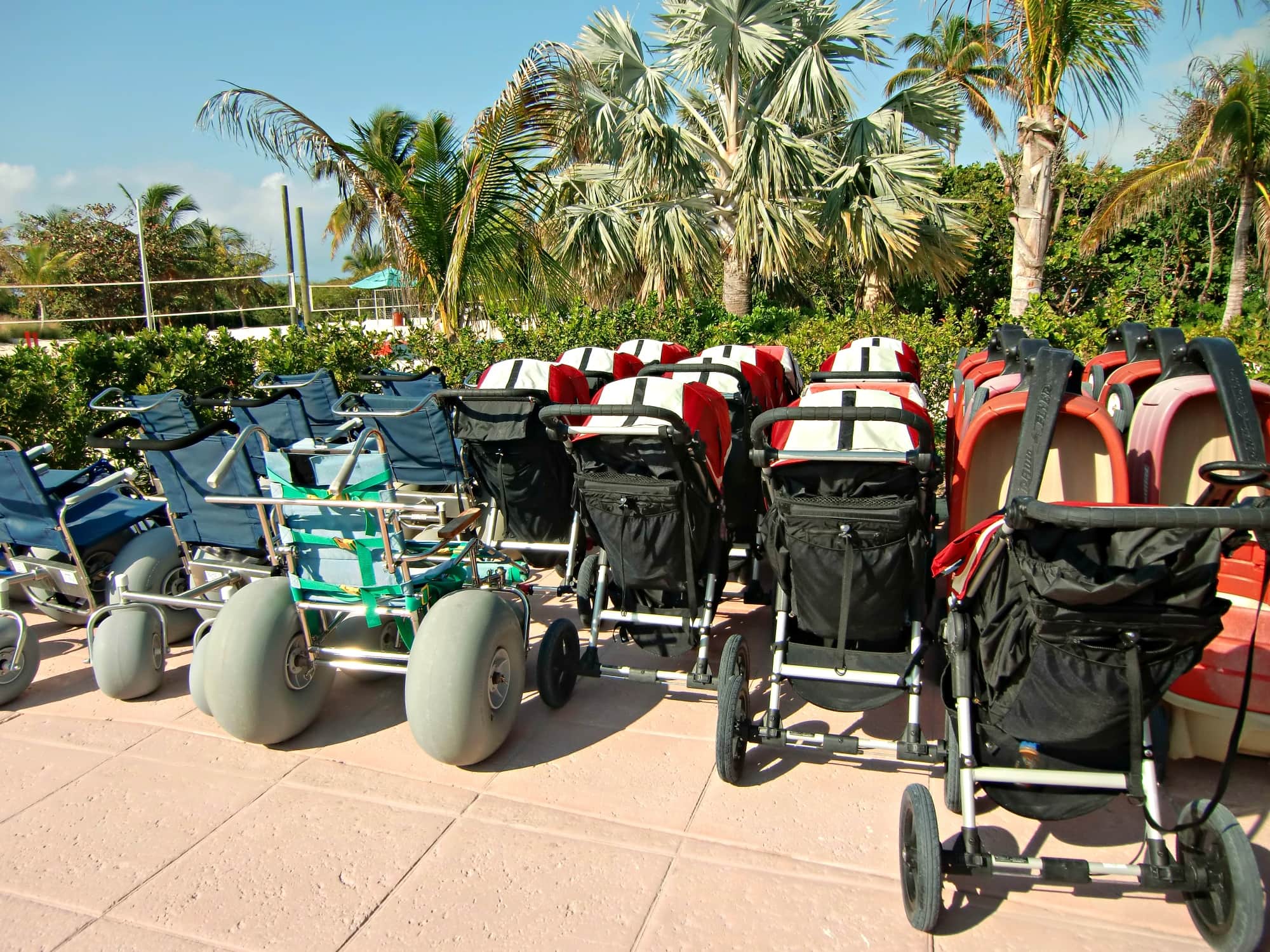
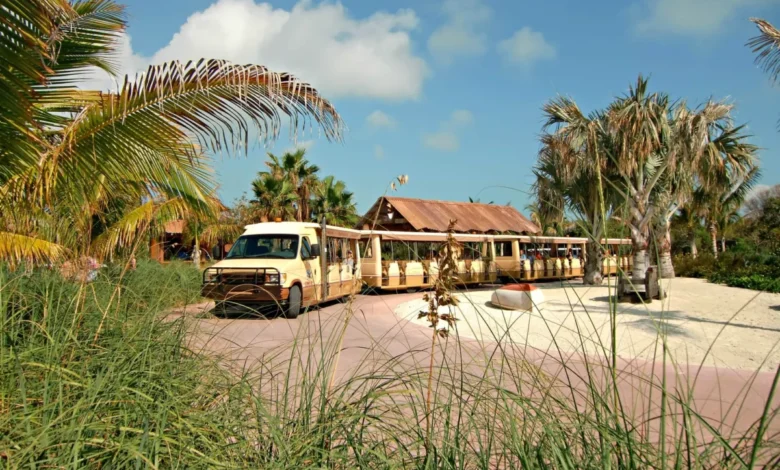
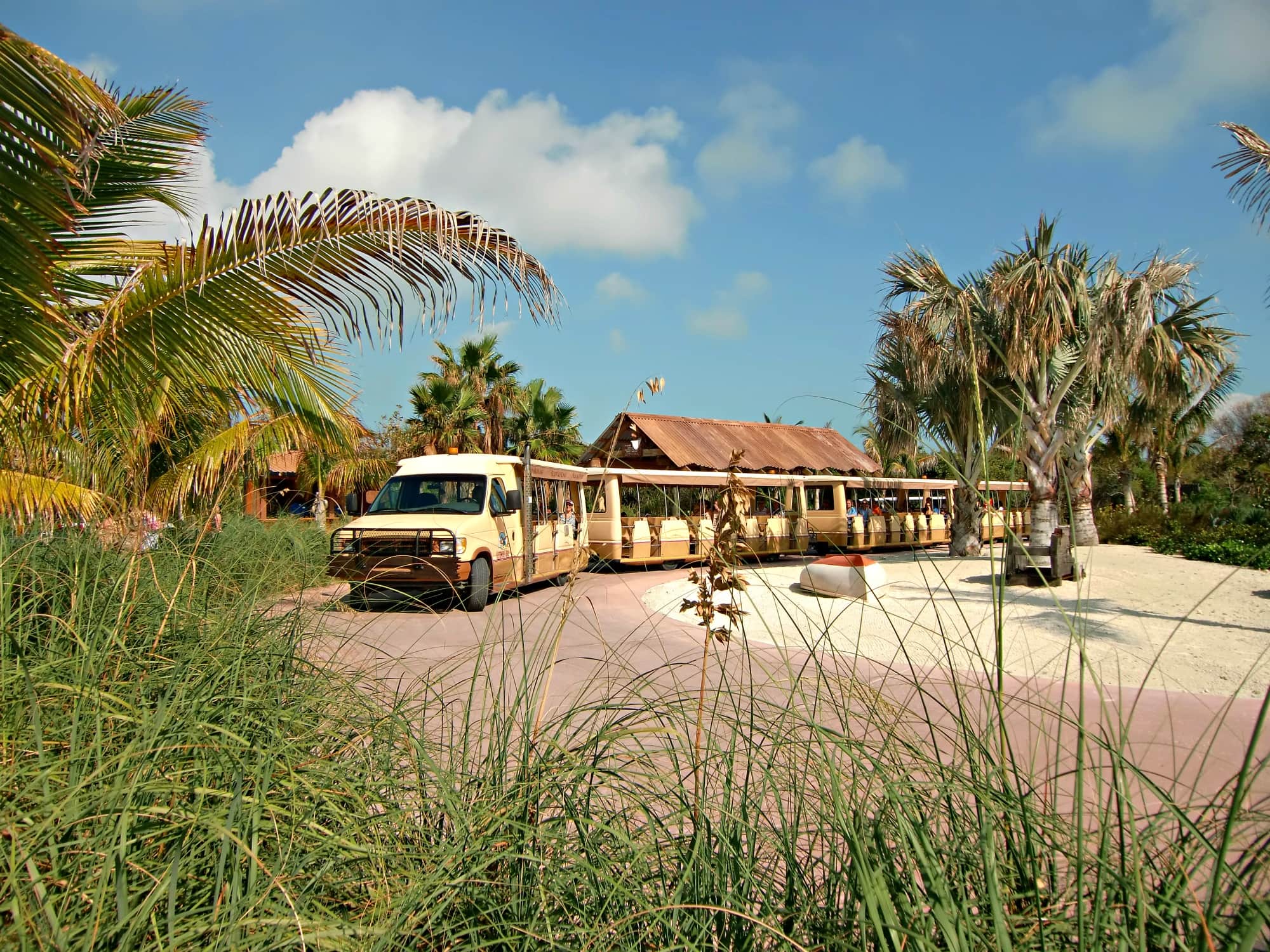
The logistical efficiency extends to guest comfort. Unlike many Caribbean ports where travelers must lug heavy gear, Disney provides complimentary beach towels on the pier. Furthermore, for families traveling with young children, the island offers a fleet of complimentary all-terrain strollers, wagons, and specialized sand-friendly wheelchairs. This infrastructure is supported by a 3.1-mile-long island footprint that is serviced by a sophisticated tram system. The tram operates on a continuous loop, transporting guests from the ship to the Family Beach, the Pelican Plunge area, and the adult-exclusive Serenity Bay.
Geographic Layout and Beach Specialization
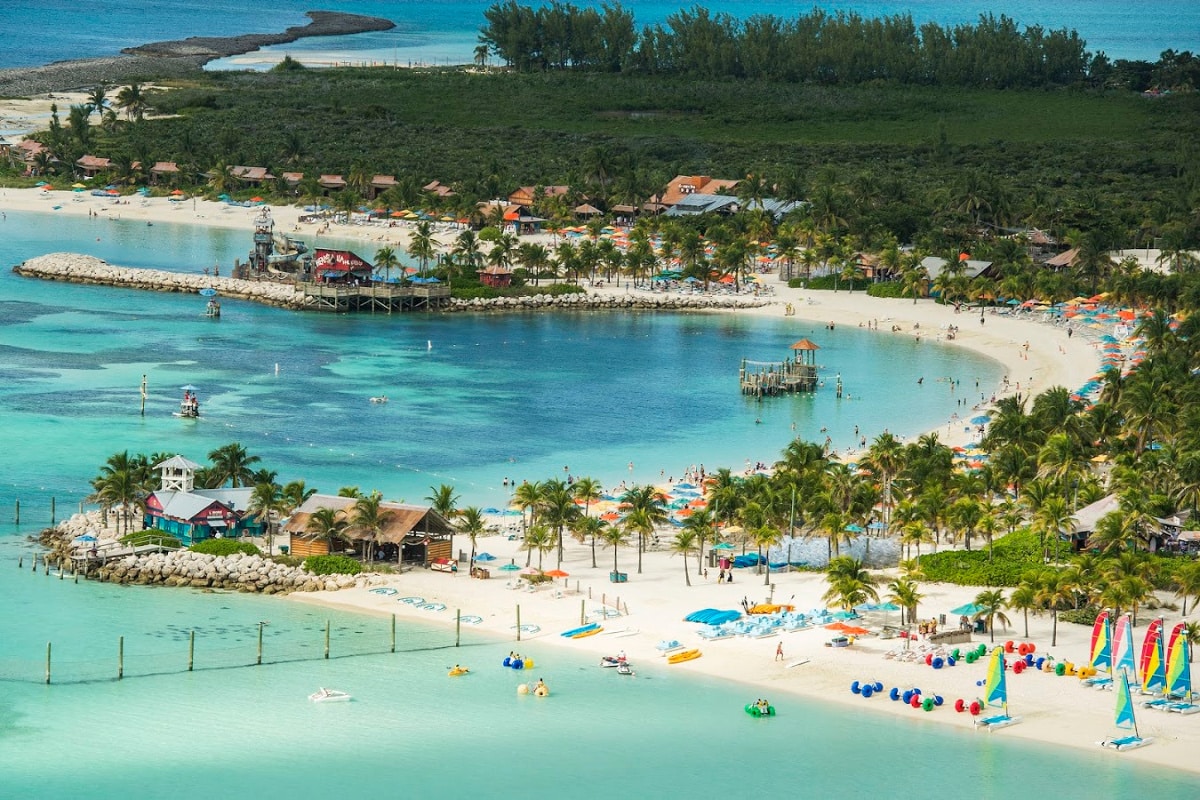
Castaway Cay is strategically divided into three distinct beach zones, each designed to cater to different demographic needs:
1. Castaway Family Beach:
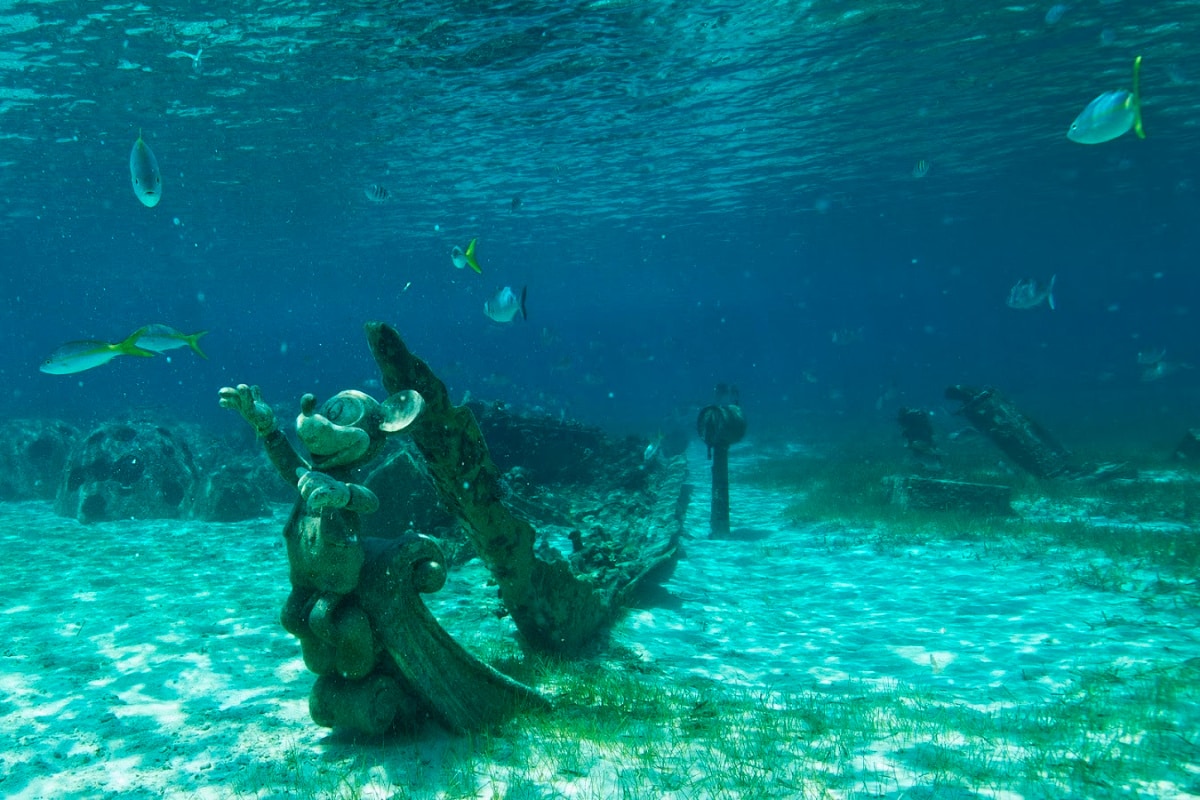
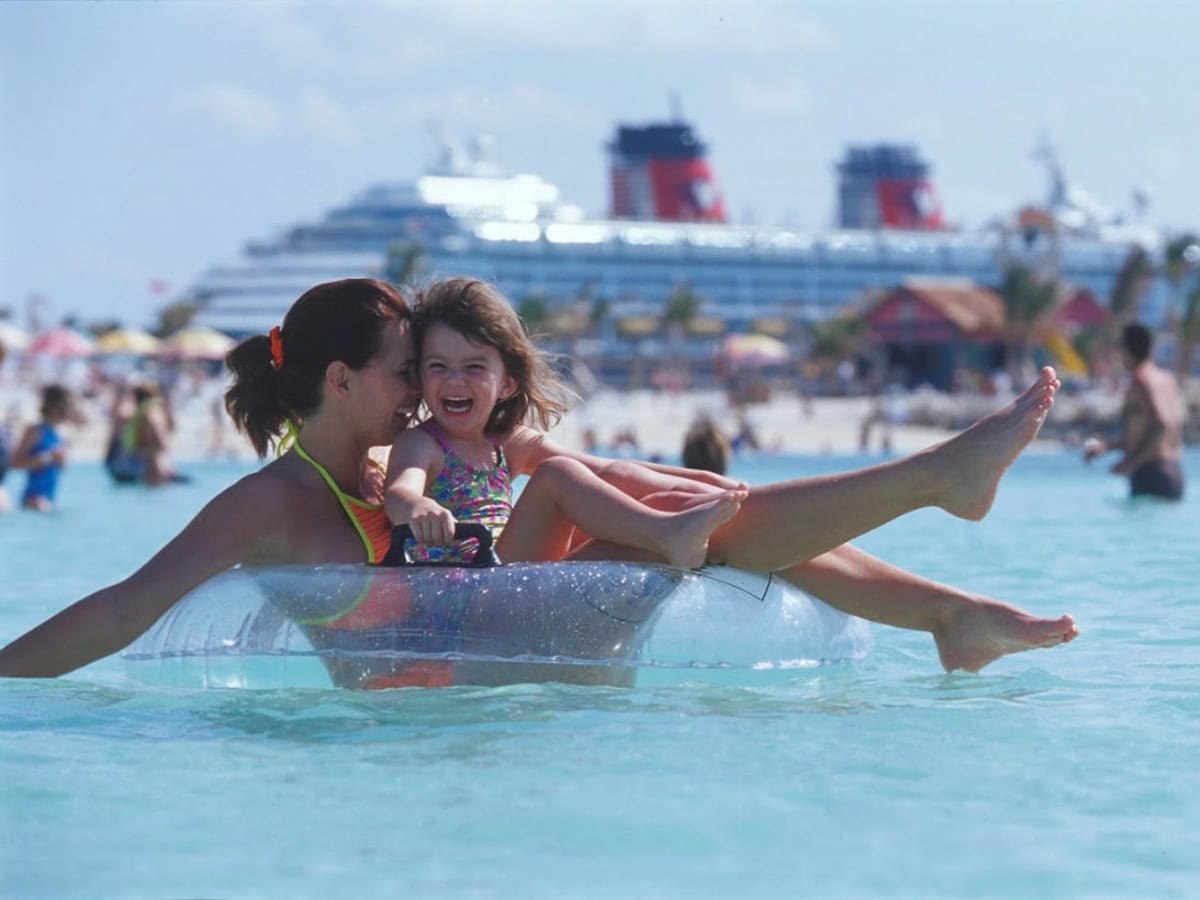
The primary hub of activity, the Family Beach, is situated closest to the ship. It features calm, shallow waters ideal for children. This area is also home to the Snorkeling Lagoon, which spans several acres and contains hidden underwater "Easter eggs," such as a submerged statue of Mickey Mouse and a replica of a 20,000 Leagues Under the Sea submarine.
2. Sports Beach:
Located adjacent to the Family Beach, this area is dedicated to active recreation. It features sand volleyball courts, tetherball, and a variety of beach games. It is designed for guests who prefer physical engagement over stationary lounging.
3. Serenity Bay (18+):
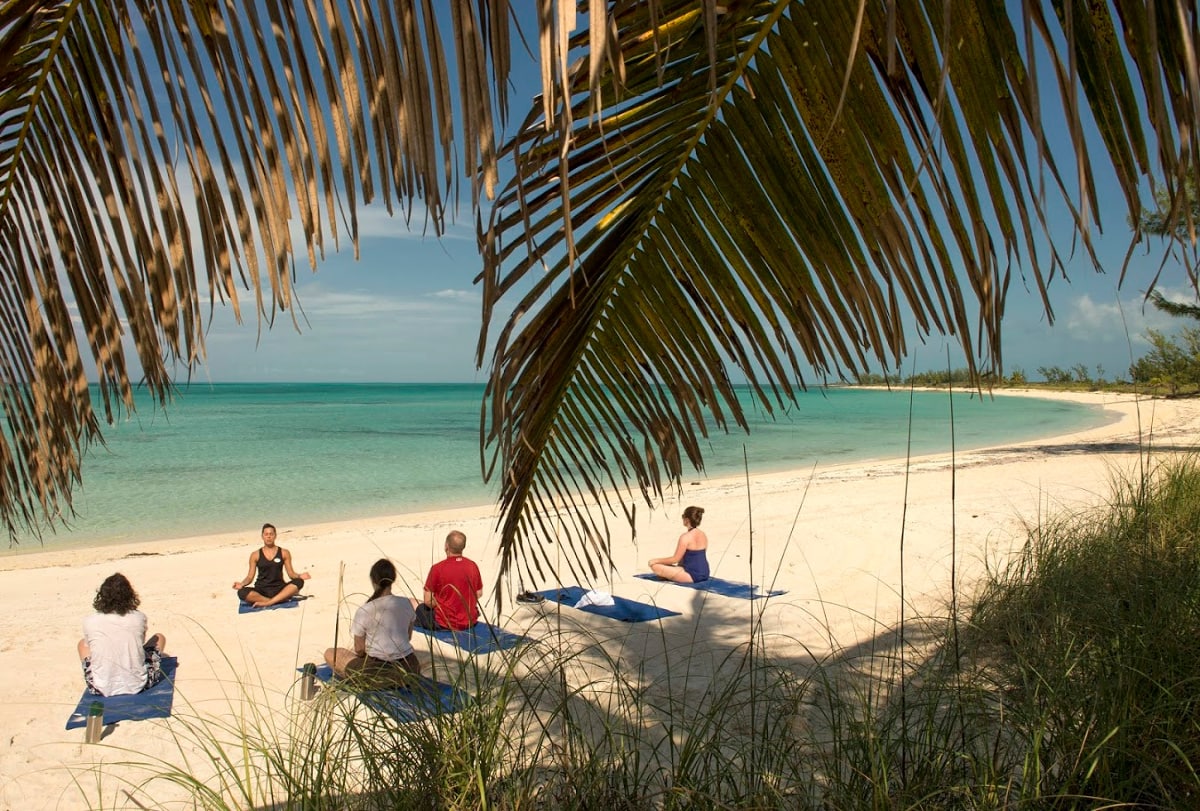
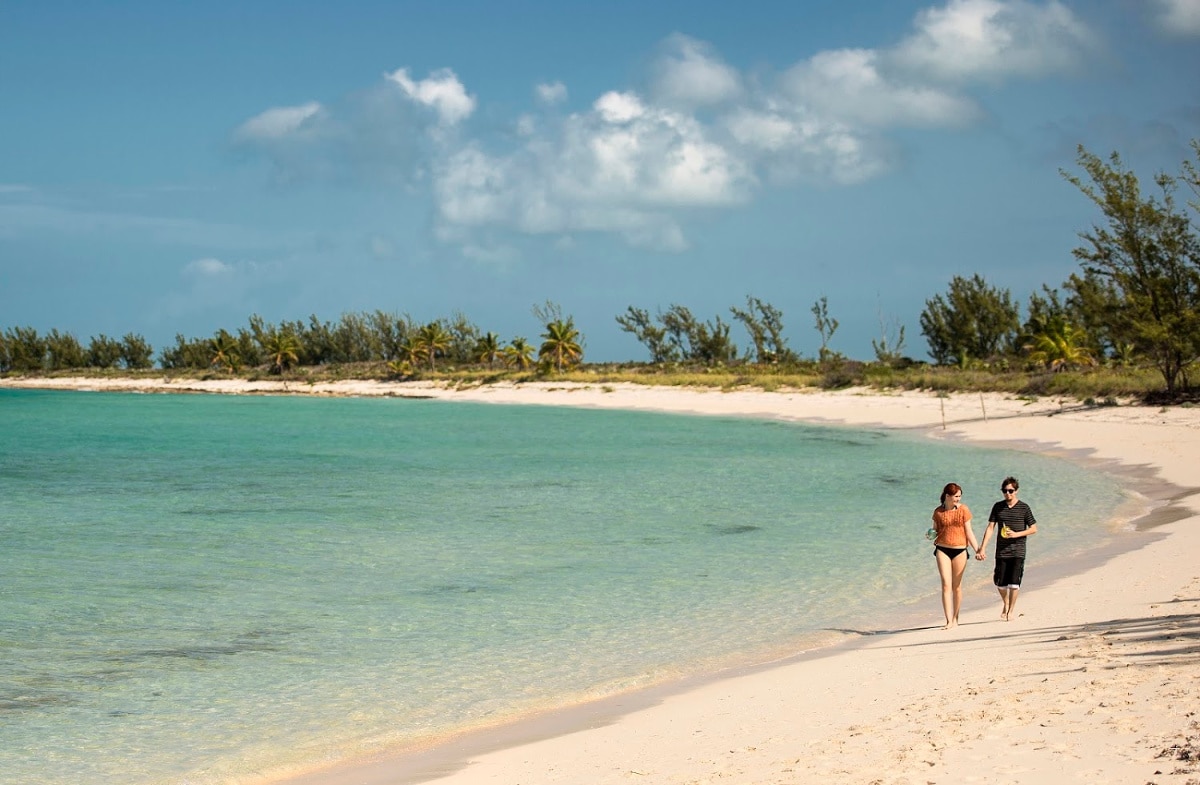
Located at the far end of the island, Serenity Bay offers a secluded retreat for adults. The atmosphere here is markedly quieter, with a focus on relaxation and wellness. This beach has its own dedicated dining facility and bar, ensuring that adults can enjoy a full island day without returning to the more crowded family areas.
Culinary Operations and Gastronomy
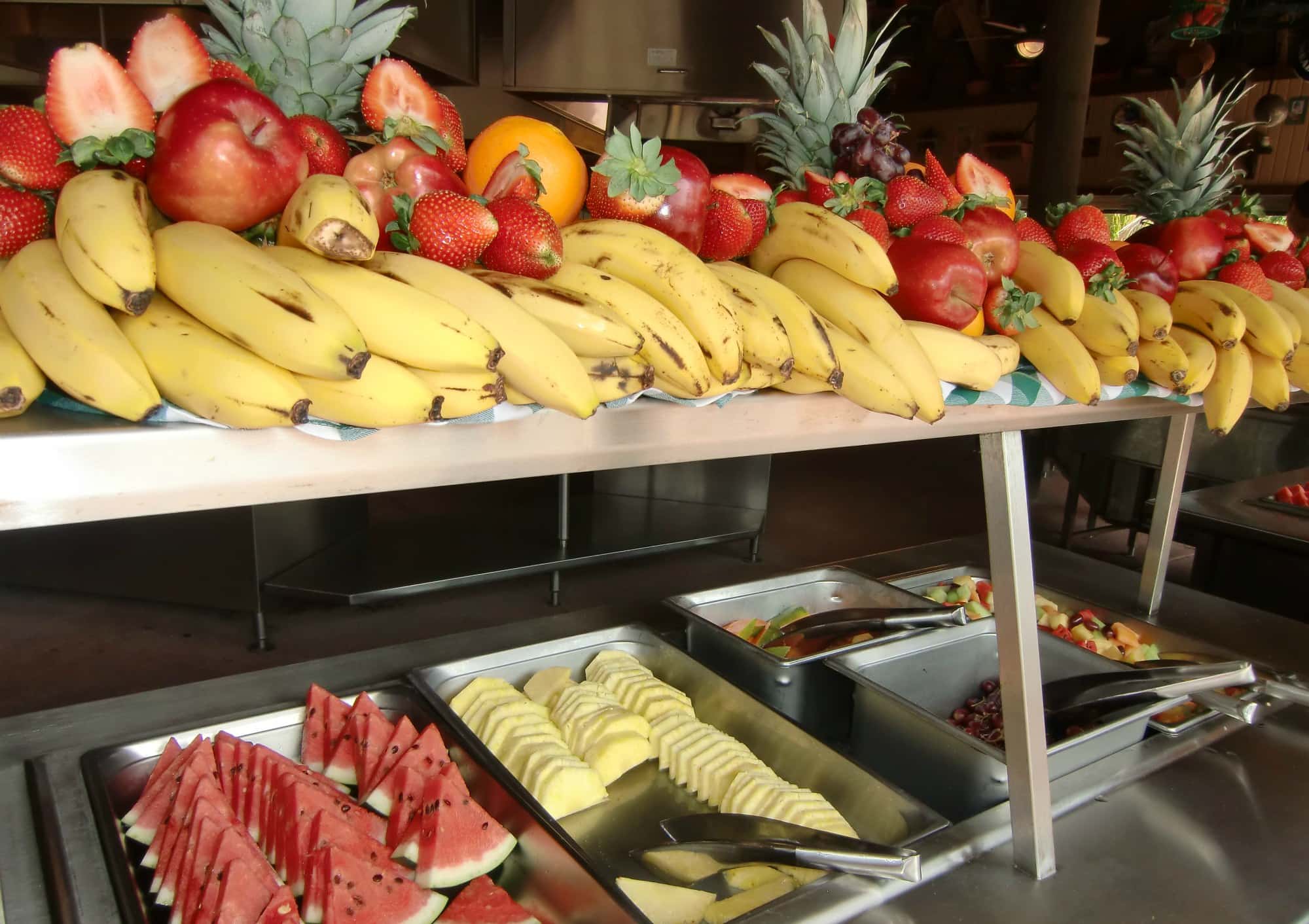
The dining experience on Castaway Cay is a logistical marvel. Food is prepared on the ship and transported to the island’s three major BBQ pavilions: Cookie’s BBQ, Cookie’s Too BBQ, and Hangar 98 BBQ (formerly known as Serenity Bay BBQ). The menu is designed to reflect a classic "island cookout" theme, featuring ribs, rotisserie chicken, burgers, and an array of salads and fresh tropical fruits.
Hangar 98 BBQ, located at Serenity Bay, offers a slightly elevated menu compared to the family sites, often including ribeye steaks and specialized seafood gumbo. It is important for guests to note that culinary operations on the island typically conclude by 2:00 PM to allow the crew to begin the breakdown and cleaning process before the ship’s evening departure. While food and soft drinks are included in the cruise fare, alcoholic beverages and bottled water are available for an additional charge. However, Disney provides multiple filtered water stations throughout the island, encouraging the use of reusable bottles as part of their environmental initiatives.
Active Recreation and the Castaway Cay 5K
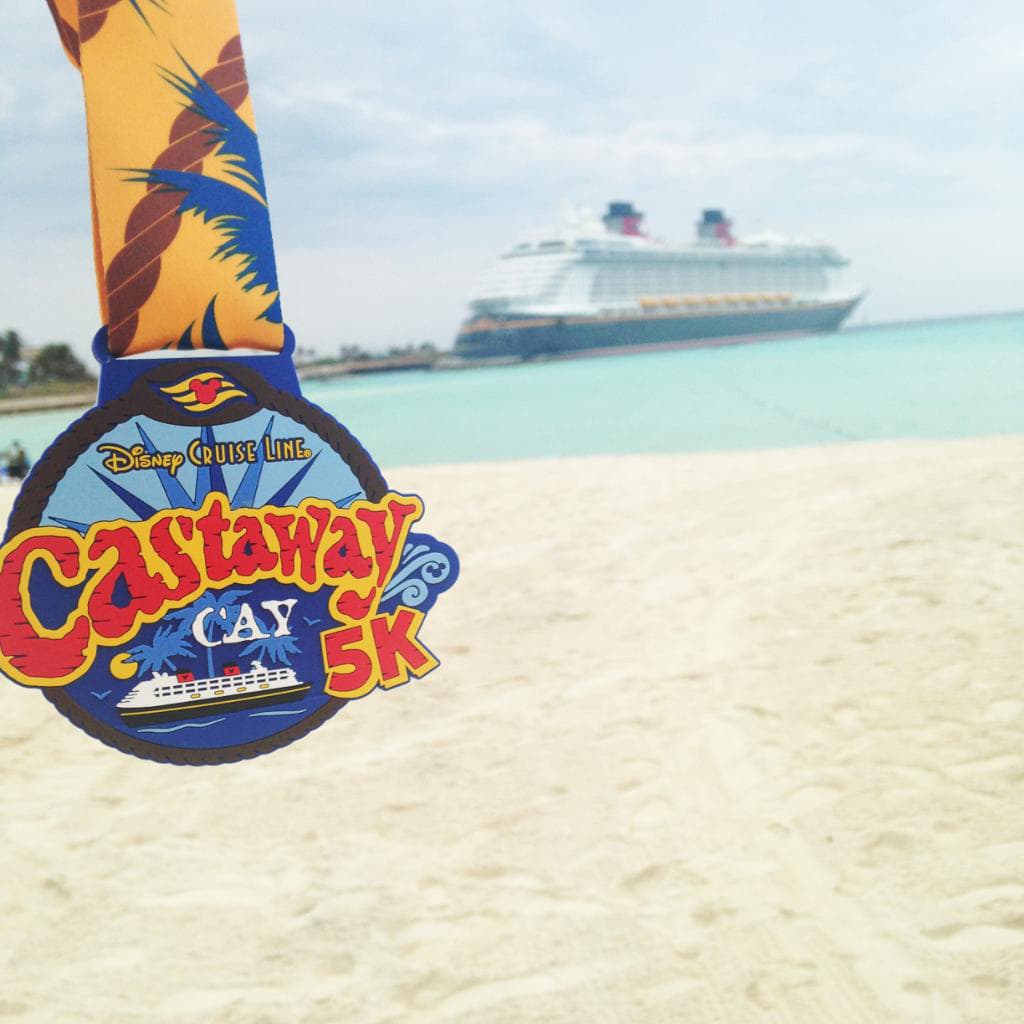
For many guests, the day begins with the Castaway Cay 5K. Formerly an organized race with a set start time, the 5K has evolved into a self-paced event. Runners and walkers can follow the marked 3.1-mile course, which takes participants through the island’s interior bike paths and past the old airstrip. Upon completion, participants can claim a commemorative rubber finisher medal at the bike rental stand.
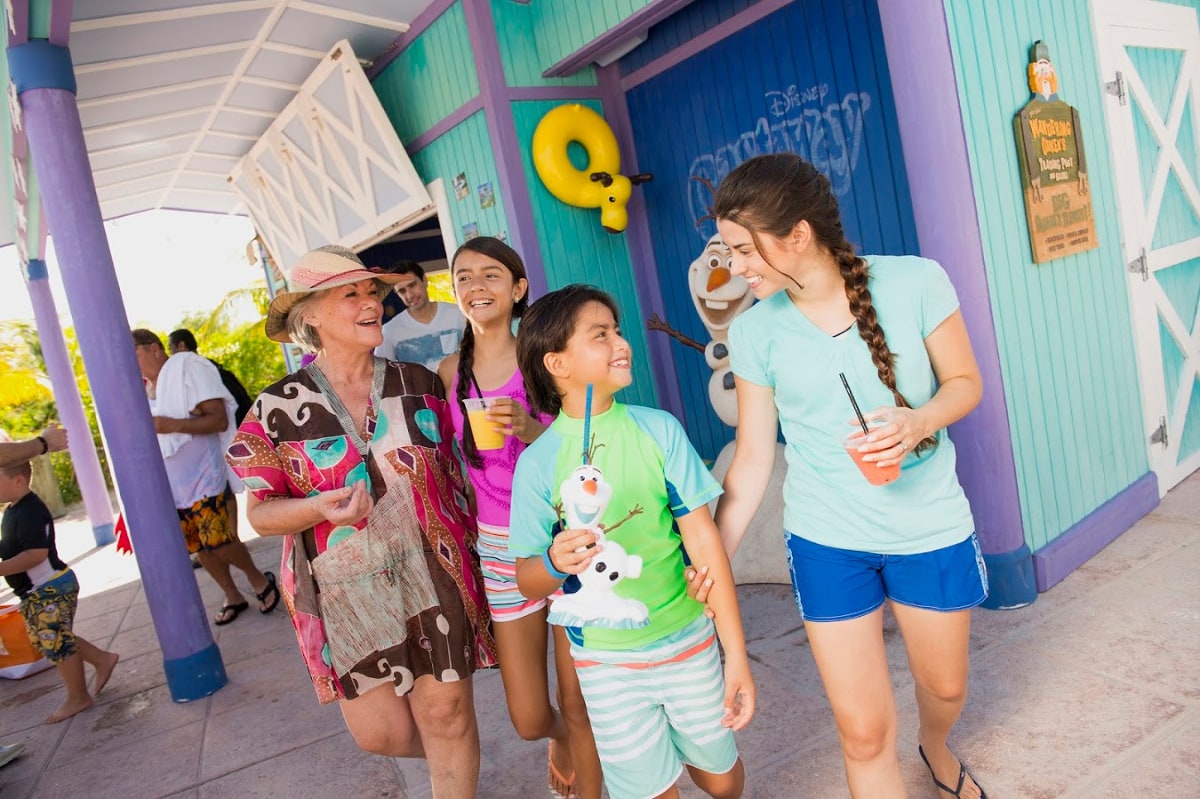
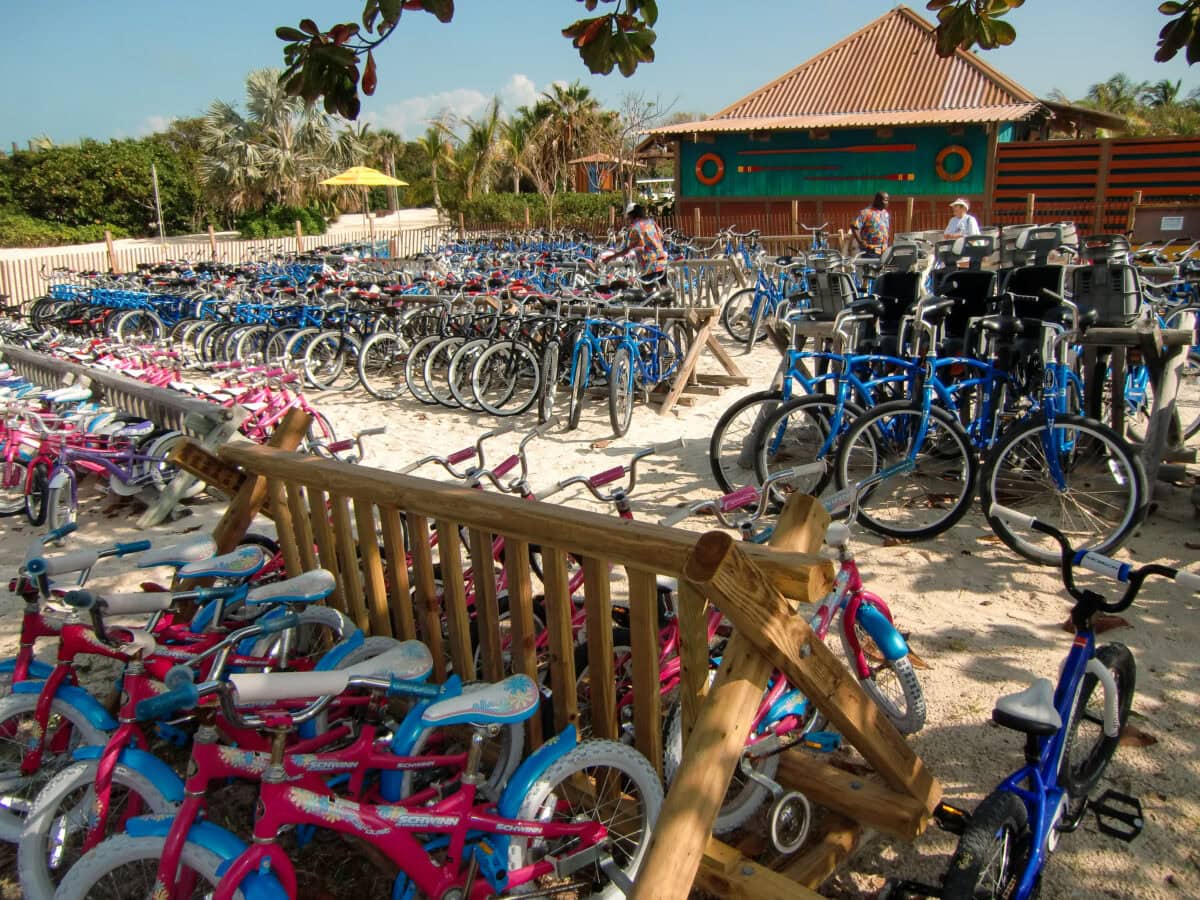
Beyond the 5K, the island offers 1.5 miles of dedicated bike trails. Guests can rent bicycles equipped with child seats or choose from a variety of watercraft, including kayaks, paddleboats, and "aqua bikes." For those seeking a bird’s-eye view, parasailing excursions provide a unique perspective of the ship and the surrounding Bahamian archipelago.
Youth Programming and Supervised Care
Disney’s commitment to family-friendly service is evident in its island-based childcare. Scuttle’s Cove is an expansive, supervised youth area for children aged 3 to 12. Staffed by the same professional counselors found in the ship’s Oceaneer Club, Scuttle’s Cove allows parents to drop off their children for organized sand games and water play while they enjoy the adult-exclusive areas of the island. Similarly, the "Teen Hideout" provides a dedicated space for guests aged 14 to 17 to socialize in a parent-free environment.
Environmental Stewardship and Conservation
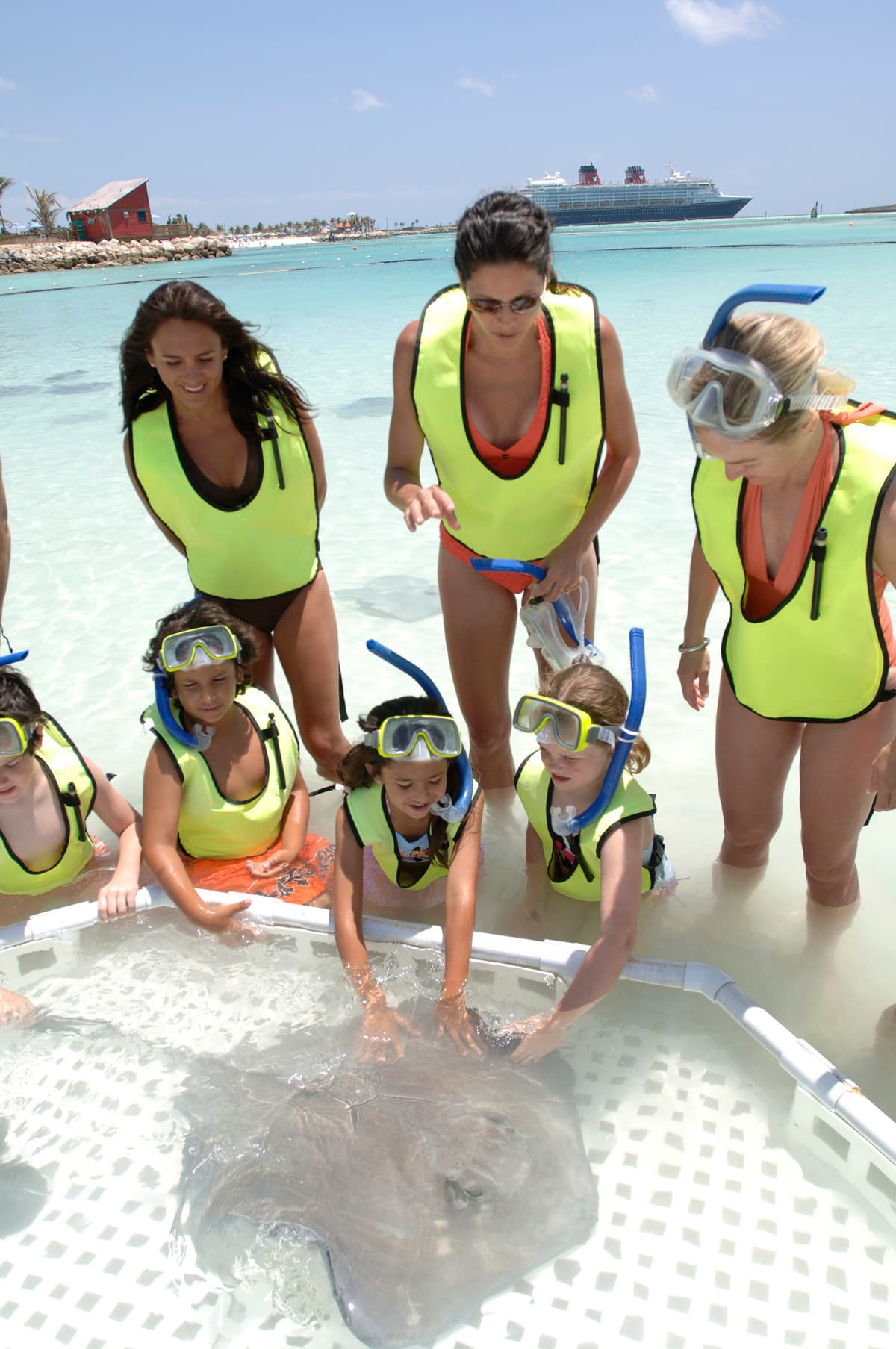
Disney Cruise Line utilizes Castaway Cay as a laboratory for environmental conservation. The island’s power is partially supplemented by a massive solar array, and the company maintains an active coral reef restoration program in the surrounding waters. Disney’s animal experts also manage the "Stingray Adventure," a controlled environment where guests can learn about and interact with Southern Stingrays. This program emphasizes education and the protection of marine life, ensuring that the high volume of tourism does not negatively impact the local ecosystem.
Strategic Importance in the Cruise Market
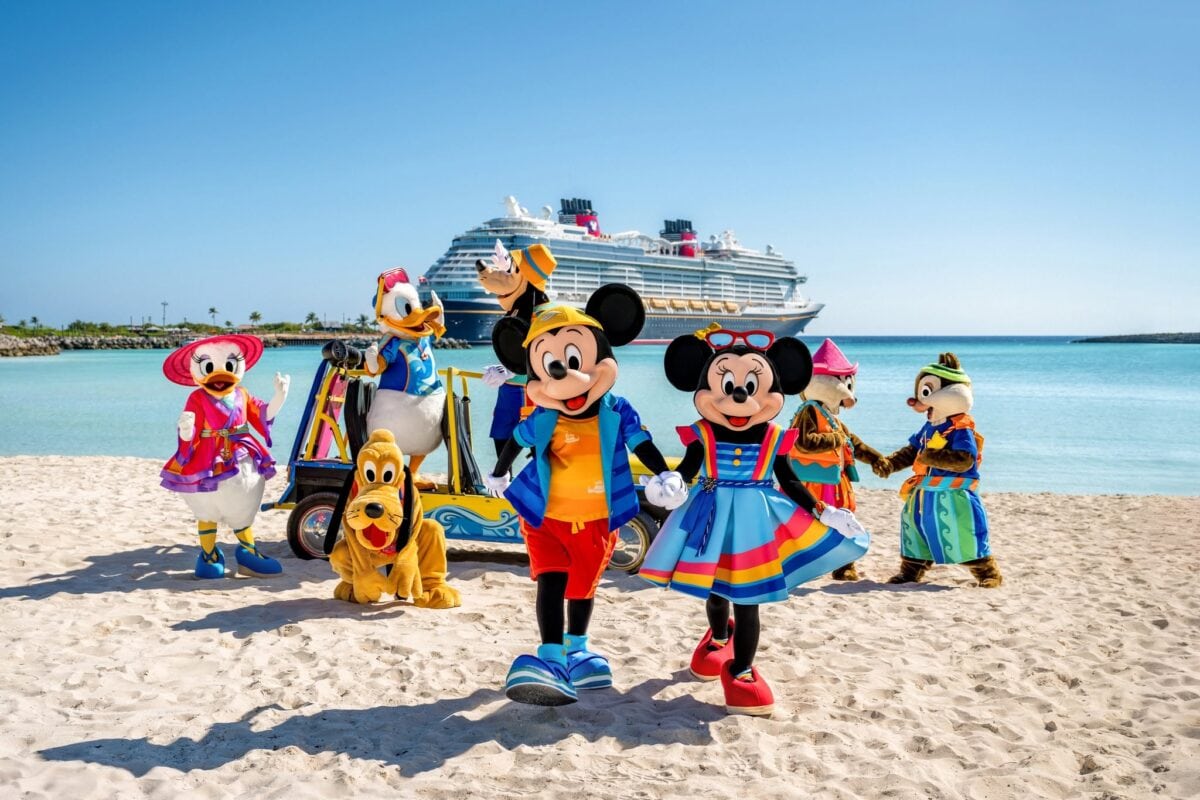
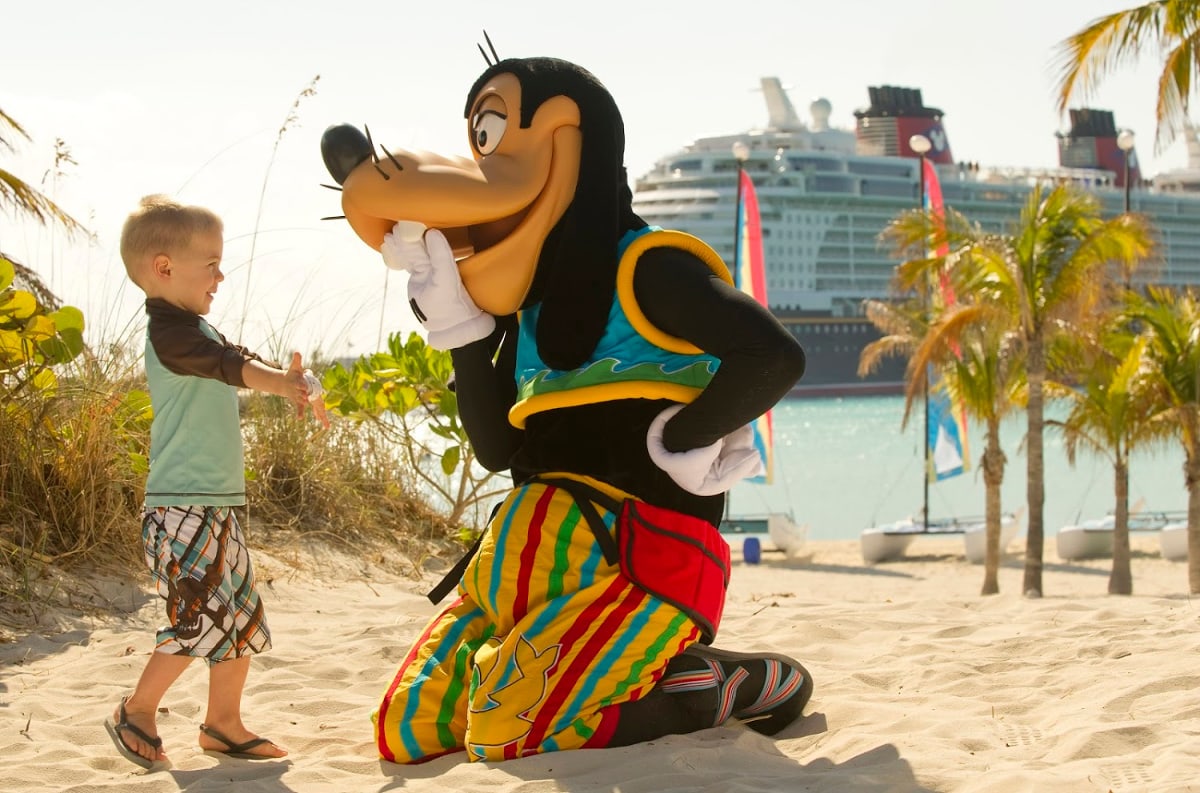
The "private island" model has become a critical battleground in the cruise industry. As competitors like Royal Caribbean and MSC Cruises invest billions into their own private destinations (such as Perfect Day at CocoCay and Ocean Cay MSC Marine Reserve), Disney’s Castaway Cay remains a benchmark for brand consistency. The island serves as a physical extension of the Disney theme park experience, complete with character meet-and-greets featuring Mickey, Minnie, and Captain Jack Sparrow in island-themed attire.
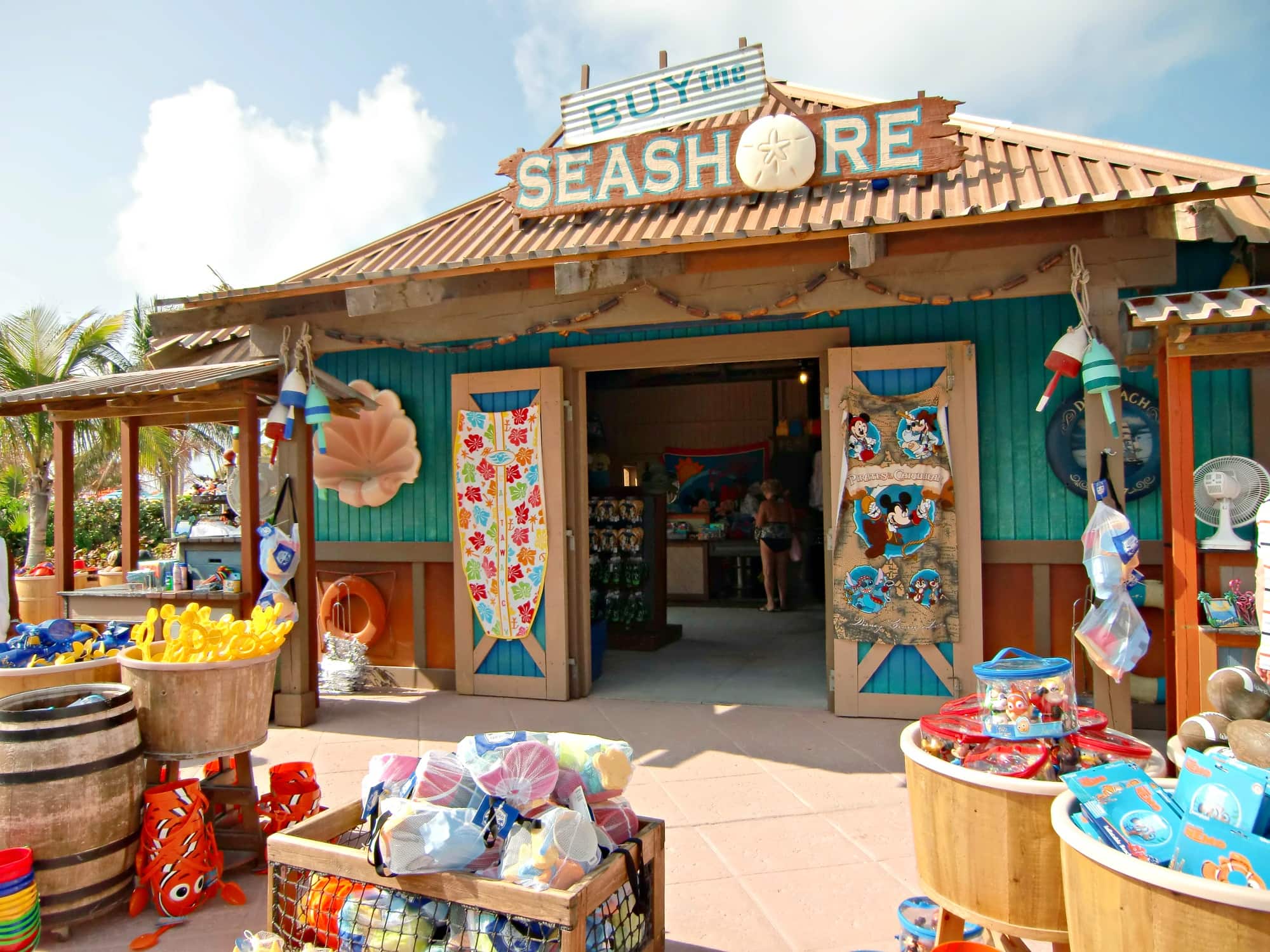
From an economic perspective, Castaway Cay allows Disney to capture a higher percentage of "on-shore" spending. By controlling the excursions, the food, and the merchandise (which is exclusive to the island and not sold on the ship), Disney ensures that the port-of-call experience is both a revenue driver and a high-satisfaction touchpoint for guests.
Practical Travel Intelligence and Guidelines
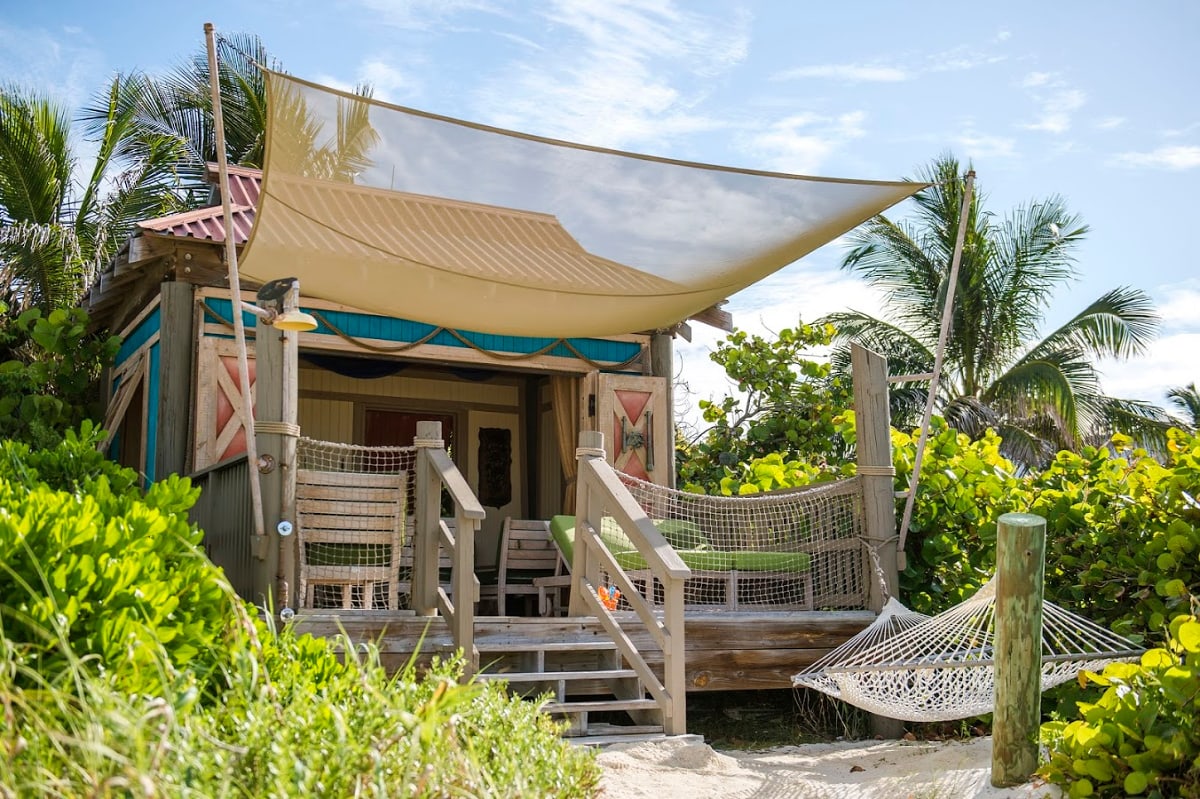
To maximize the island experience, travel experts suggest several key strategies. First, guests interested in premium amenities, such as private cabanas, must book months in advance, as these typically sell out within minutes of the booking window opening for Castaway Club members. Second, because the island’s post office is operated by the Bahamian government rather than Disney, it is the only facility that requires cash (U.S. or Bahamian dollars).
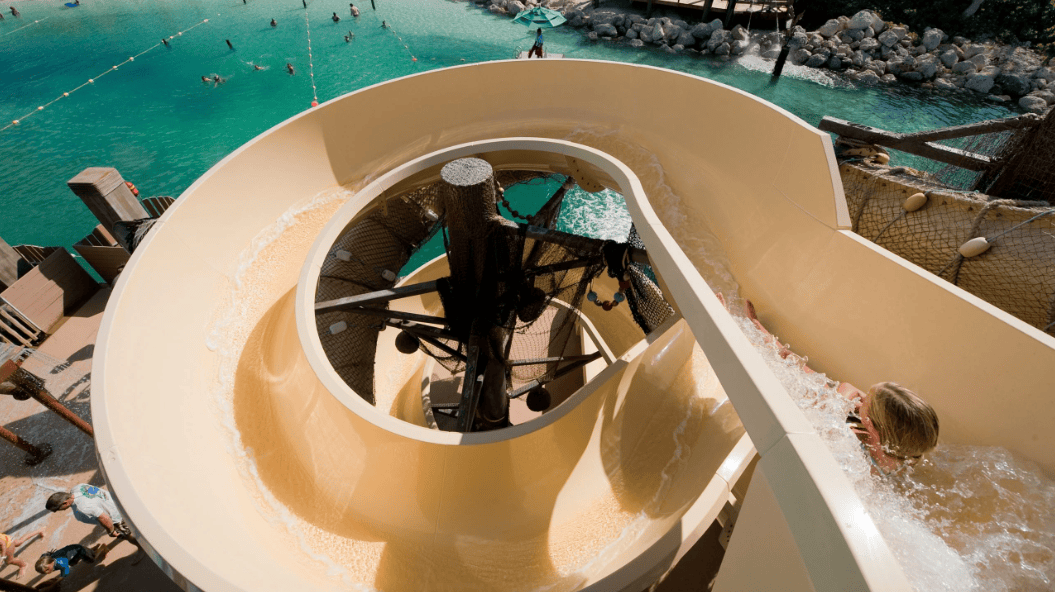
Furthermore, guests are advised to arrive at the Family Beach early if they desire a front-row lounger near the water, as these areas fill up quickly after 10:00 AM. For those seeking a quieter experience without the price tag of a cabana, the far end of the Family Beach near the Pelican Plunge slides often remains less crowded during the early morning hours.

Conclusion: The Future of Disney’s Private Destinations
As Disney Cruise Line expands its fleet to eight ships by 2028, the pressure on Castaway Cay’s infrastructure will increase. To mitigate this, Disney recently opened a second private destination in the Bahamas: Lookout Cay at Lighthouse Point. While Lookout Cay focuses more on Bahamian culture and artistry, Castaway Cay remains the quintessential "Disney" tropical escape. Its blend of logistical perfection, family-centric design, and natural beauty ensures that it will remain a cornerstone of the Disney Cruise Line experience for decades to come. Through continuous refurbishment and a steadfast commitment to guest service, Castaway Cay continues to define the pinnacle of the private island cruise destination.