Beyond the Steel Tanks: A Deep Dive into Authentic Chianti Classico Wine Tourism

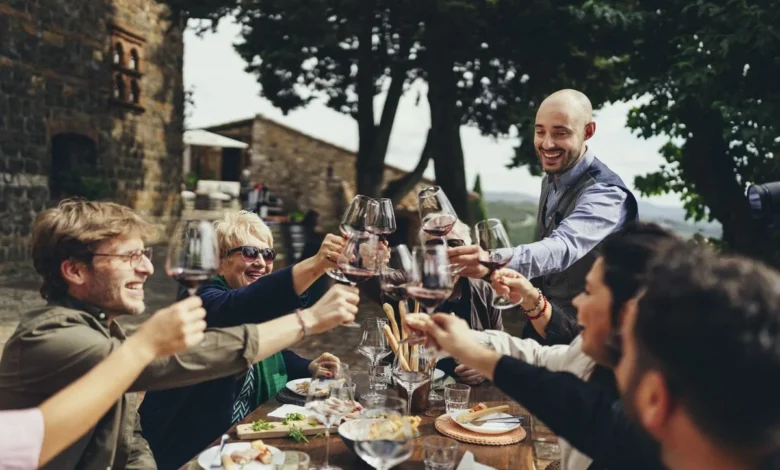
The transition of the Italian wine industry from mass-market commercialization to boutique, family-operated experiences has reached a critical juncture in the Chianti Classico region. For travelers seeking an alternative to the industrial-scale winery tours characterized by high-volume production and retail-heavy itineraries, a new model of immersive, small-group agritourism has emerged. This shift is not merely a preference for smaller venues; it is a fundamental change in how the history, geography, and production methods of Tuscany are communicated to a global audience. Central to this evolution is the "Your Vino" program, a full-day excursion from Florence that prioritizes intimate engagement with organic, family-owned producers, offering a stark contrast to the standard commercial circuit.
The Geography and Significance of Chianti Classico
Chianti Classico, a historic wine-producing zone nestled between the metropolitan hubs of Florence and Siena, remains one of the most protected and scrutinized viticultural areas in the world. Encompassing roughly 7,000 hectares of registered vineyards, the region is defined by its distinct terroir—a complex interplay of altitude, soil composition (notably galestro and alberese), and microclimates.
Historically, the region has struggled with the dilution of its brand identity due to the broader "Chianti" designation, which covers a much larger and more diverse geographic area. The "Gallo Nero" (Black Rooster) seal serves as the industry standard for authentic Chianti Classico, guaranteeing that the wine is produced within this specific historic territory and adheres to strict regulations, including a minimum of 80 percent Sangiovese grapes. By focusing exclusively on these small, organic estates, modern educational tours provide visitors with an accurate representation of the labor-intensive standards required to maintain this heritage.
The Evolution of the Winery Tour Experience
The traditional commercial tour model, which often prioritized the logistics of large motorcoaches and the volume of visitors through gift shops, is increasingly viewed as an outdated relic of early 2000s tourism. Data from regional agricultural boards suggest that contemporary travelers—particularly those from North America and Northern Europe—now rank "direct access to the maker" as a primary factor in their booking decisions.
In response, the tour model developed by local sommelier-led groups in Florence focuses on a tripartite structure: three distinct, small-scale producers; an authentic, home-cooked lunch prepared by the family owners; and an educational framework delivered by a qualified sommelier. This approach removes the "middleman" of the commercial guide, allowing for direct technical inquiries regarding pruning, fermentation, and soil management.
Chronology of a Typical Discovery Day
The operational flow of a boutique tour is designed to maximize educational exposure while minimizing the transit fatigue associated with rural exploration.
- 10:00 AM – Departure from Florence: The excursion begins with a departure from a central urban meeting point. By utilizing smaller, air-conditioned passenger vans, the tour maintains a maximum capacity of eight participants, allowing for access to narrow, rural access roads that large buses cannot navigate.
- 11:30 AM – First Producer Visit: The morning session is dedicated to the technical aspects of the cellar. Participants meet the winemaker to discuss the harvest cycle and organic farming practices. This serves as an introduction to the sensory profile of local Sangiovese.
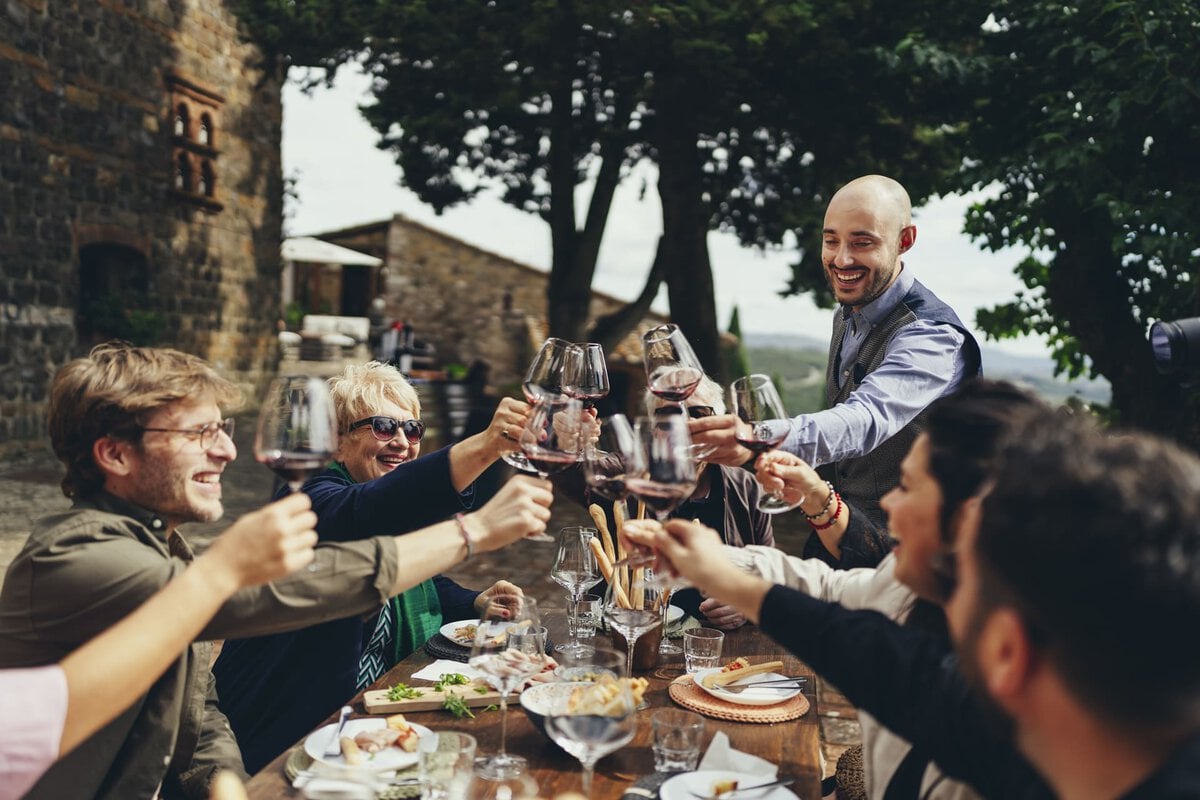
- 1:30 PM – The Family Table: The second stop functions as the cultural heart of the experience. The inclusion of the winemaker’s family—specifically the participation of the older generation in preparing the meal—is a deliberate effort to preserve the culinary traditions of rural Tuscany. This is not a catered event; it is a functional household environment where the land and the wine are discussed as a single, integrated story.
- 3:30 PM – Third Producer & Comparative Analysis: The final stop allows for a comparative tasting. Guided by the sommelier, guests are encouraged to identify nuances between the three producers, noting differences in acidity, tannins, and finish—factors that are often obscured in larger, less personal tastings.
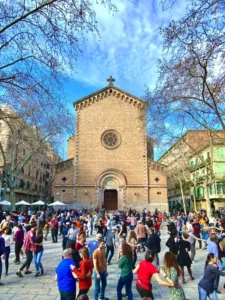
- 5:30 PM – Return to Florence: The day concludes in the Sant’Ambrogio district, ensuring that visitors return to the city in time for evening dining.
Supporting Data and Economic Impact
The financial structure of these tours reflects the premium placed on authenticity. At approximately €210 per adult, the price point accounts for the high overhead of small-group logistics and the specialized nature of sommelier-led education. Economic analysts observing the Italian tourism sector note that this model contributes to the sustainability of small, family-owned agricultural businesses. By selling wine directly to consumers at the cellar door, these producers bypass the significant margins typically claimed by international distributors and retailers, effectively doubling their profit per bottle.
For the traveler, this model provides a unique value proposition: the ability to sample wines that are often not exported to their home countries. Because these estates produce limited quantities, the winery visit is frequently the only channel through which these specific vintages can be acquired.
Professional Perspectives on Viticultural Education
"The shift we are seeing is toward literacy," says a spokesperson for regional agricultural heritage initiatives. "Visitors no longer want to be told that a wine is ‘good.’ They want to understand the variables of altitude, the impact of the 2026 harvest conditions, and why organic certification is becoming the standard for the next generation of Chianti producers."
The role of the sommelier is paramount in this process. By facilitating the conversation, the guide ensures that the technical details of winemaking are accessible to the layperson while remaining intellectually rigorous for the enthusiast. This professional mediation bridges the gap between the rural, often insular world of the Italian farmer and the global, urbanized reality of the traveler.
Practical Considerations and Planning
For those planning to integrate these experiences into a wider itinerary, several logistical factors should be noted:
- Environmental Variables: As these tours rely heavily on the accessibility of cellars and outdoor vineyards, they are weather-dependent. While operators maintain schedules throughout the year, participants are advised to prepare for the specific challenges of the season—namely, the high heat of July and August and the cooler, damp conditions of the harvest months in September and October.
- The "Black Rooster" Standard: Travelers are encouraged to use these tours as a practical training ground for identifying quality. Learning to spot the "Gallo Nero" on a label ensures that when guests return home, they are better equipped to navigate retail shelves for authentic Chianti Classico rather than mass-produced generic labels.
- Logistics and Transportation: The decision to avoid rental cars is highly recommended for those participating in full-day wine tours. The combination of rural roads, limited parking at historic estates, and the legal implications of alcohol consumption makes professional transport a safety and convenience necessity.
Broader Implications for Tuscany’s Future
The success of the boutique, family-centric tour model indicates a growing trend toward "Slow Tourism." This philosophy prioritizes the preservation of the destination’s social fabric over the rapid throughput of high-volume tourism. By ensuring that the benefits of the tourism dollar reach the actual families who work the soil, this model helps mitigate the rural exodus that has historically plagued many Italian agricultural regions.
As the industry moves toward 2027 and beyond, it is likely that the "small-winery" approach will set the standard for regional tourism. The ability to witness the labor of winemaking—seeing the tractors in the rows and the staff working the vats—provides an emotional and intellectual connection that is entirely absent in the sterile environments of larger, automated estates. For the discerning traveler, the value of the day lies not in the consumption of the wine itself, but in the understanding of the land, the history of the family, and the rigors of a centuries-old tradition that remains vital, active, and, most importantly, accessible.