No Gatekeeping: The 10 Best Redemptions in Points and Miles That You Need to Book ASAP


The modern landscape of travel rewards and frequent flyer programs is characterized by a constant state of flux, where lucrative opportunities appear abruptly and disappear just as quickly. In the intricate ecosystem of points and miles, savvy travelers are perpetually searching for sweet spots—those rare valuations where the cost in reward currency is disproportionately low compared to the cash price of a ticket. Recently, industry experts have turned their attention to a select group of "endangered species" redemptions: exceptionally high-value flight bookings that offer extraordinary luxury or utility for a fraction of standard rates. These fleeting opportunities require immediate action from consumers before airline loyalty programs inevitably devalue their currencies or alter award charts.
The Mechanics of Sweet Spots and the Reality of Devaluations
To understand the urgency behind booking these specific redemptions, one must examine the operational and financial strategies of major global airlines. Loyalty programs have increasingly transitioned away from fixed-rate award charts toward dynamic pricing models. In a dynamic system, the number of miles required for a seat fluctuates based on demand, seasonal trends, and cash ticket prices, which frequently erodes the value of accumulated points.
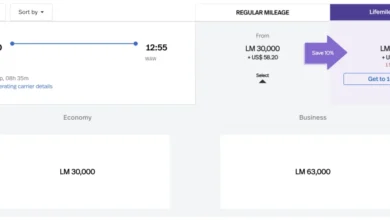
Despite this industry-wide shift, a handful of legacy carriers and international alliance partners maintain fixed-rate sweet spots or highly advantageous routing rules. For instance, travelers can still leverage specific partner airline programs to book domestic flights for as low as 2,000 miles, cross oceans in lie-flat business class seats to London while bypassing exorbitant carrier-imposed fuel surcharges, or fly in luxury to destinations like Japan for roughly 60,000 miles. However, as travel demand remains robust and loyalty programs seek to optimize their balance liabilities, these outlier sweet spots face imminent extinction. Industry analysts frequently caution that holding onto points for too long in a devaluing currency is a financial miscalculation, making the mantra of "earn and burn" more relevant than ever.
Decoding the Top Redemptions: From Regional Hops to Transpacific Luxury
The spectrum of high-value redemptions spans various tiers of travel, catering to both budget-conscious explorers and luxury-seeking globetrotters. At the foundational level, short-haul domestic flights booked through specific partner sweet spots offer unmatched utility. By utilizing distance-based award charts, travelers can traverse regions for a nominal fee in points, insulating themselves against volatile domestic cash fares that often spike during peak holiday seasons.
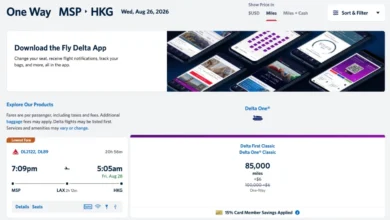
At the premium end of the spectrum, long-haul business class redemptions represent the pinnacle of travel hacking. Securing a lie-flat pod across the Atlantic Ocean to London typically triggers heavy carrier surcharges, but specific transatlantic programs allow savvy flyers to minimize out-of-pocket taxes and fees drastically. Similarly, transpacific journeys to Japan—a premier bucket-list destination—often command well over 100,000 miles under modern dynamic pricing models. Yet, strategic utilization of alliance partnerships still permits travelers to secure these coveted long-haul business class seats for approximately 60,000 miles, translating to a substantial discount on products that routinely retail for thousands of dollars in cash.
Recent Industry Shifts: Alaska Airlines Updates and Lounge Innovations

While navigating the nuances of award redemptions, frequent flyers are also monitoring broader structural changes within major carrier loyalty programs. Alaska Airlines, long regarded as a consumer favorite due to its generous stopover policies and unique partner network, has recently rolled out family-friendly program updates. These modifications aim to simplify the booking and seating process for families traveling together, addressing longstanding pain points in reward travel where seating children alongside parents on award itineraries could prove unnecessarily complicated.
Concurrently, the competitive landscape of domestic airport lounges continues to evolve. As airlines expand their proprietary lounge networks to capture high-spending premium passengers, industry discussions frequently turn to unconventional amenities and brand positioning. Questions surrounding quirky lounge concepts—such as satirical debates over whether low-cost carriers like Southwest Airlines might ever consider vintage amenities like dedicated smoking sections in upcoming lounge concepts—highlight the cultural quirks and shifting expectations of modern air travelers. While legacy carriers invest heavily in upscale dining, cocktail bars, and wellness rooms, the operational challenges of scaling lounge access to match exploding credit card-fueled demand remain a central hurdle for airline executives.
The Role of Cobranded Ecosystems and Financial Partners
The sustainability of earning sufficient points to capitalize on these endangered redemptions relies heavily on the broader financial ecosystem, notably credit card rewards and cobranded partnerships. Programs like Bilt Rewards have fundamentally altered how consumers accumulate points by allowing renters to earn valuable rewards on monthly rent payments—traditionally a non-earning household expense—while simultaneously investing in community-focused neighborhood rewards. By bridging the gap between everyday spending and travel aspirations, these financial instruments enable consumers to accumulate the massive balances required for premium cabin redemptions without solely relying on frequent flying.
Implications for the Future of Frequent Flyer Programs
The systematic erosion of high-value award redemptions points to a broader trend of commodification within the travel industry. As airlines rely more heavily on their loyalty programs as profit-generating financial entities rather than mere customer retention tools, the margins for arbitrage are shrinking. Airlines are increasingly utilizing sophisticated data analytics to identify and eliminate sweet spots that favor the consumer over the corporate balance sheet.
For travelers, this environment necessitates a proactive, highly informed approach to points and miles management. Waiting for the "perfect time" to book an aspirational trip is increasingly risky as award availability dries up and redemption rates face upward pressure. Experts recommend maintaining a diversified portfolio of transferable currencies—such as Chase Ultimate Rewards, American Express Membership Rewards, Capital One Miles, and Citi ThankYou Points—providing the flexibility to pivot instantly when a new sweet spot emerges or an existing one faces a sunset clause.
Ultimately, navigating the world of points and miles requires vigilance, adaptability, and a willingness to act decisively. As the travel industry enters another year of shifting alliances and evolving pricing structures, the window to experience world-class travel at a fraction of the cost is narrower than ever, making the imperative to book quickly both a strategy and a necessity.
Related posts: