The Culinary Heritage of Melaka: Inside Kedai Kopi Chung Wah and the History of Hainanese Chicken Rice Balls

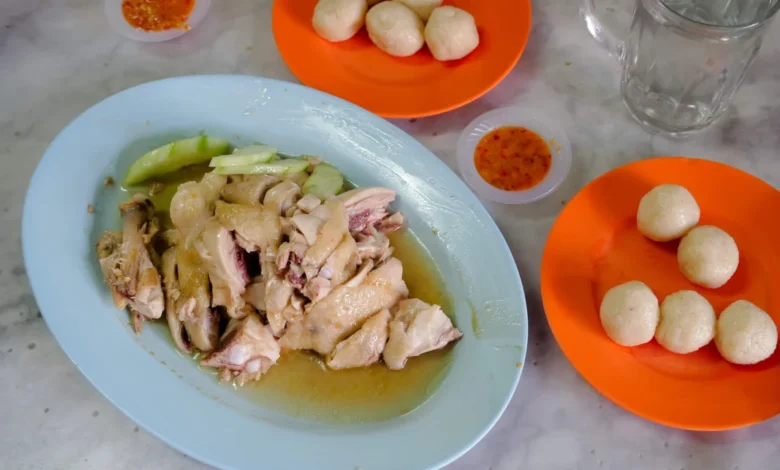
The historic coastal city of Melaka, Malaysia, is internationally recognized as a melting pot of architectural marvels, maritime trade history, and diverse culinary traditions. Among its many culinary landmarks, few generate as much daily anticipation—and as many queues—as Kedai Kopi Chung Wah, a family-owned establishment situated at the foot of Jonker Street. Famed for pioneering the region’s distinct iteration of Hainanese chicken rice—served not as loose grains, but as hand-formed spheres of seasoned rice—the restaurant serves as a living museum of Southeast Asian migration, culinary adaptation, and cultural preservation.
Historical Context and Migration Patterns
To understand the prominence of Hainanese chicken rice in Malaysia, one must trace the historical diaspora of the Hainanese people from China’s southernmost island province. Beginning in the mid-19th century and accelerating into the early 20th century, waves of immigrants from Hainan arrived in British Malaya, seeking economic opportunities in tin mining, rubber plantations, and domestic service.
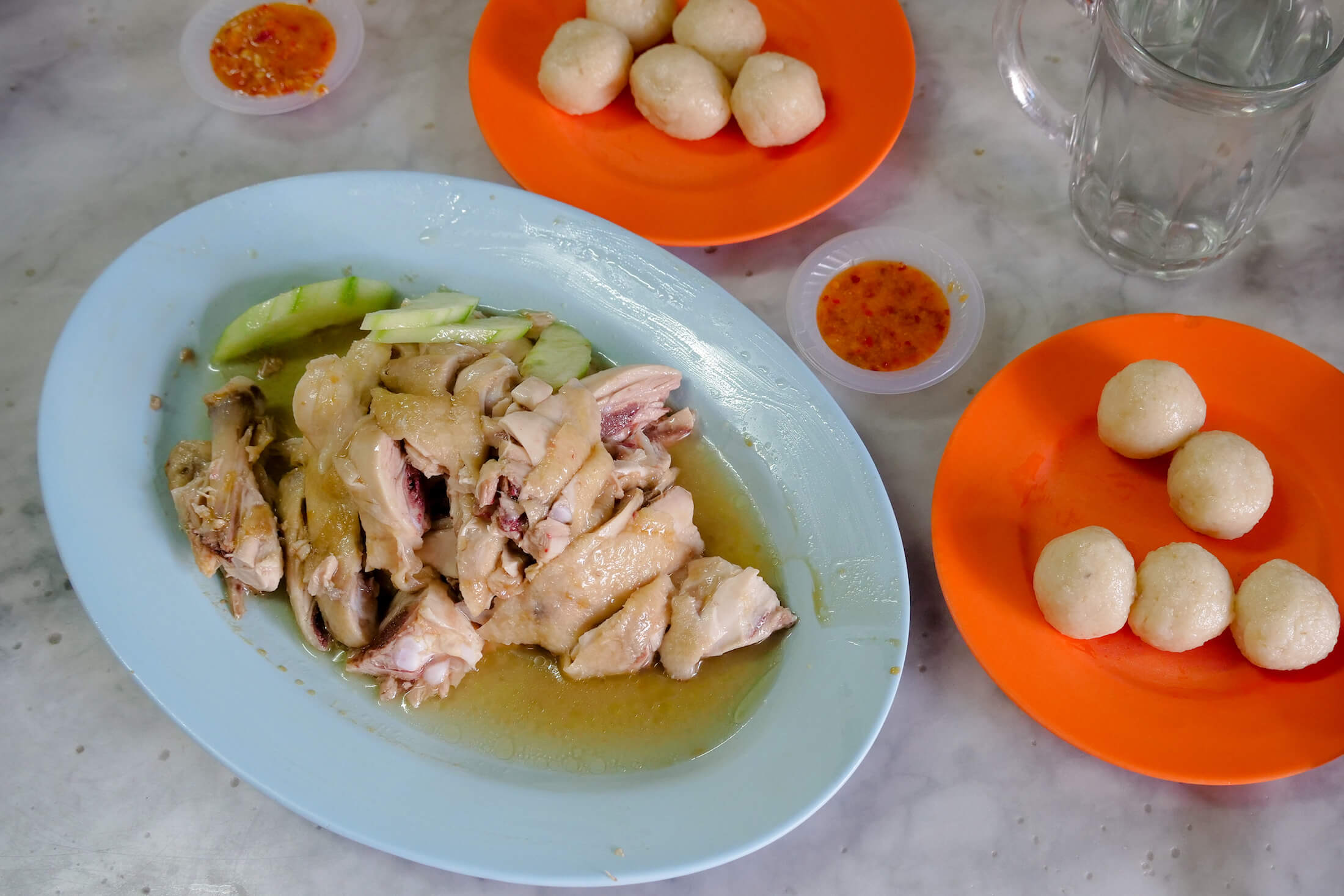
Because many early British households and colonial administrators employed Hainanese cooks, these culinary professionals adapted traditional recipes from their home province—specifically Wenchang chicken, which features poached chicken served with oily rice and a ginger-chili dipping sauce—to local ingredients and tastes available in Malaya. Over decades, this adaptation evolved into what is widely regarded today as a national dish across Singapore, Malaysia, and parts of Thailand.
Melaka itself adds a unique historical layer to this culinary tradition. Long before the arrival of modern tourism, the Straits of Malacca served as a vital maritime chokepoint connecting East Asia, India, and the Middle East. Since the 15th century, the port city has welcomed international traders, establishing a complex multicultural society that later birthed distinct hybrid cultures such as the Peranakan (Straits Chinese) and Nyonya communities. While Hainanese chicken rice remains distinct from Peranakan cuisine, its integration into Melaka’s food culture underscores the city’s long-standing role as a crossroads of transnational gastronomy.
The Anatomy of the Melaka Rice Ball
What distinguishes Kedai Kopi Chung Wah from thousands of other chicken rice purveyors across Southeast Asia is the physical presentation and preparation of the staple carbohydrate. Rather than being served loose on a plate, the jasmine rice is compressed by hand into firm, dense spheres while still piping hot.

Historical accounts and culinary researchers suggest that these rice balls were originally invented by Hainanese laborers and families as a practical solution for portability. Pressed tightly together, the rice retained its heat longer and could be easily packed into baskets for consumption during long workdays in the fields or as travel provisions for picnics in the hills.
From a technical perspective, creating these spheres requires precision. The rice is cooked in rich chicken broth rendered from the poaching process, infused with garlic, ginger, and rendered poultry fat, imparting a smoky, savory aroma. Once cooked, the grains—binding together due to starch release and compression—achieve a texture often compared to glutinous rice, though standard non-sticky rice varieties are utilized. This density allows servers to effortlessly plate the dish by rolling the spheres directly onto small ceramic dishes, where they maintain their structural integrity until consumed.
Operational Logistics and Dining Culture
Operating daily from 9:00 AM, Kedai Kopi Chung Wah manages a high-volume, fast-paced dining environment that routinely draws long queues of both international tourists and domestic travelers. The restaurant’s ordering system is engineered for maximum efficiency to cope with spatial constraints and heavy foot traffic on Jonker Street.

Patrons typically ascertain the size of their dining party upon arrival, which dictates the allocation of rice ball plates. Diners then select their poultry portion—traditionally ordered by the half-chicken or whole chicken. The poached chicken is meticulously chopped into bite-sized pieces, served at room temperature or warm, featuring skin that is kept tender and gelatinous through a post-poaching ice bath immersion.
Culinary analysts often attribute the enduring popularity of the meal not solely to the poultry, but to the accompanying condiments. The restaurant’s signature chili-garlic dipping sauce relies on a sharp vinegar base, heavy infusions of crushed garlic, and a localized blend of bird’s eye chilies. This acidic, pungent profile cuts through the rich fat of the chicken and the savory depth of the rice balls, creating a balanced flavor profile characteristic of Hainanese-Malaysian fusion cuisine.
Broader Economic and Cultural Implications
Establishments like Kedai Kopi Chung Wah play a significant role in Melaka’s broader tourism economy. As a designated UNESCO World Heritage Site, Melaka relies heavily on cultural tourism, with gastronomic heritage serving as a primary economic driver. Traditional kopitiams (traditional coffee shops) anchor the historical district, preserving intangible cultural heritage against the backdrop of rapid modernization and commercial development.

Furthermore, the longevity of multi-generational eateries highlights ongoing challenges regarding succession planning and labor within traditional food sectors. As younger generations migrate toward corporate employment or modern hospitality sectors, family-run institutions face increasing pressure to balance authentic, labor-intensive preparation methods with modern commercial demands. Despite these pressures, venues maintaining strict adherence to heritage recipes provide valuable cultural touchstones for researchers and culinary historians documenting the evolution of overseas Chinese cuisine.
Visitor Information
- Establishment Name: Kedai Kopi Chung Wah
- Location: Jonker Street intersection (adjacent to the Melaka River bridge), Melaka, Malaysia
- Operating Hours: 9:00 AM to 3:00 PM (Weekdays); 9:00 AM to 4:00 PM (Weekends)
- Average Pricing: Moderate; standard meals for small parties generally range below 30 Malaysian Ringgit (approx. $7 USD), reflecting the accessibility of traditional street food fare in the region.
Related posts: