The Cultural and Culinary Significance of Collard Greens in Southern Gastronomy and New Year Traditions

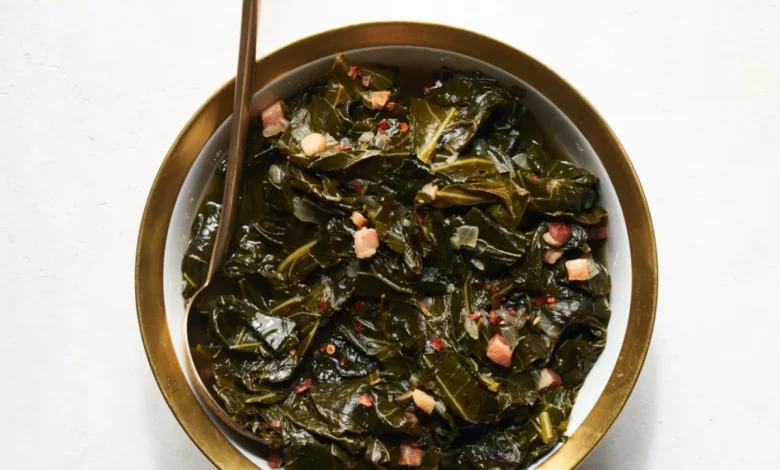
Collard greens, a staple of the Brassica oleracea family, occupy a singular position in American culinary history, particularly within the Southern United States. Beyond their nutritional profile, these hardy, dark-leafed greens serve as a primary component of the traditional New Year’s Day meal, a ritual widely observed to invite prosperity and financial success in the coming year. This tradition, often paired with black-eyed peas—which represent coins—and cornbread—which symbolizes gold—forms a culinary trifecta that has persisted across generations.
The historical trajectory of collard greens is deeply intertwined with the African diaspora and the agrarian history of the American South. Historically, these greens were a primary food source for enslaved people, who cultivated them in small garden plots. Over time, the preparation techniques—often involving long simmering times with pork fat—became a hallmark of Southern soul food. Today, the dish has transcended its origins, appearing on the menus of upscale establishments such as Henrietta Red in Nashville, where Chef Julia Sullivan continues the practice of serving them annually on January 1.
Chronology and Evolution of the New Year’s Tradition
The custom of eating greens on New Year’s Day is rooted in a blend of folklore and economic aspiration. While the precise origins are difficult to pinpoint, the association between green foliage and currency gained prominence in the post-Civil War era. By the early 20th century, the ritual was firmly embedded in the cultural calendar of the American South.
For many families, the preparation of collard greens is a multi-generational event. Chef Julia Sullivan notes that her own culinary approach to the dish is a continuation of family practices passed down from her grandparents. This reflects a broader trend in Southern households, where the preservation of specific recipes serves as a tangible connection to lineage and regional identity. While the superstitions surrounding the dish—such as the belief that failing to consume greens will result in financial misfortune—are largely symbolic, they remain a powerful driver of demand for the product each winter.
Nutritional Composition and Botanical Context
From a botanical perspective, collard greens are highly resilient, capable of thriving in cooler temperatures, which makes them an ideal winter crop. Nutritionally, they are dense with vitamins A, C, and K, as well as fiber and calcium. According to data from the United States Department of Agriculture (USDA), a single cup of cooked collard greens provides a significant percentage of the daily recommended intake for these essential micronutrients.
The preparation process is essential to both the texture and the nutritional availability of the greens. The traditional long-simmering method, often criticized for potentially reducing water-soluble vitamin content, remains the standard for flavor development. By breaking down the tough cellular structure of the leaves, the cooking process renders the greens silky and palatable, while the addition of aromatics like onions, garlic, and red pepper flakes creates a complex flavor profile that balances the vegetable’s natural bitterness.
Culinary Methodology: Balancing Flavor and Texture
The science of cooking collard greens relies on the precise management of pH and heat. The inclusion of acidic agents, such as apple cider vinegar, is a critical step in the culinary process. When added toward the end of the cooking cycle, vinegar serves two primary functions: it brightens the flavor of the dish by counteracting the earthy, bitter notes inherent in the leaves, and it provides a necessary contrast to the heavy, savory fats derived from bacon or smoked ham hocks.
Professional culinary standards suggest a measured approach to acidity. While a quarter-cup of vinegar is a standard baseline for a large pot, the desired "tang" is subjective. Chefs often recommend starting with a smaller quantity—approximately two tablespoons—to allow for taste testing. This adjustment ensures that the vinegar serves as an enhancement rather than a dominant flavor profile.
Comprehensive Preparation and Safety Protocols
Proper preparation of collard greens is as much about food safety as it is about culinary technique. Because the leaves grow close to the ground, they are prone to accumulating grit and sand. The industry-standard cleaning procedure involves three distinct steps:
- Stem Removal: The fibrous, woody center ribs must be excised, as they do not soften at the same rate as the leaf tissue.
- Mechanical Slicing: Stacking the leaves and rolling them into a "cigar" shape allows for efficient, uniform crosswise slicing.
- Submersion and Agitation: The greens must be submerged in a large volume of water. Agitation is required to dislodge particulates. Crucially, the leaves should be lifted out of the water rather than drained through a colander, as the latter method often deposits the grit back onto the produce.
It is a common misconception that greens must be dried before cooking. In a stewing application, the residual moisture on the leaves actually aids in the initial wilting process, reducing the need for additional water or broth.
Adaptability and Dietary Inclusivity
In recent years, the culinary industry has seen an increased emphasis on dietary inclusivity, leading to significant adaptations of traditional collard green recipes. The removal of pork products is increasingly common, either for religious, health, or ethical reasons.
For those seeking a non-meat alternative, the challenge lies in replicating the "umami" or savory depth typically provided by smoked meats. Culinary experts have found success by substituting chicken or vegetable broth for water and incorporating umami-rich ingredients such as miso paste, soy sauce, or smoked paprika. These alternatives allow for a similar mouthfeel and depth of flavor without the reliance on traditional animal fats.
Furthermore, the versatility of the base recipe allows for the substitution of various sturdy greens. Mustard and turnip greens provide a sharper, more pungent profile, while kale offers a heartier texture. Swiss chard, while technically a cooking green, is significantly more delicate and requires a truncated cooking time to avoid over-softening.
Broader Economic and Cultural Implications
The market for collard greens experiences a predictable spike in late December, reflecting the sustained popularity of this tradition. Agricultural data indicates that growers in the Southeast prioritize the harvest of these greens in anticipation of the New Year’s Day demand. This seasonal surge is a vital component of the local agricultural economy.
From a sociological perspective, the endurance of the collard green tradition speaks to the power of food as a vessel for cultural memory. Even as demographics shift and culinary trends lean toward global fusion, the ritual of the New Year’s meal remains a constant in the Southern social fabric. The "superstitious" nature of the tradition, as described by Chef Sullivan, provides a sense of continuity and shared experience that transcends the kitchen.
As we look toward the future of regional American cuisine, the collard green remains a cornerstone. Its ability to bridge the gap between historical necessity and modern fine dining demonstrates the adaptability of traditional foodways. Whether prepared with traditional bacon or modernized with plant-based umami enhancers, the collard green continues to serve its dual purpose: as a nutritional powerhouse and a symbol of hope for the year ahead. Through the rigorous application of preparation techniques and a respect for the history of the ingredient, cooks continue to ensure that this Southern staple remains relevant in the modern culinary landscape.
Related posts: