Open Tab: A Weekly Roundup of Industry Shifts, Regulatory Settlements, and Cultural Trends

The transition into autumn has brought a distinct set of developments across the culinary, labor, and international trade sectors. From the evolving landscape of reality television to significant shifts in labor rights and the complexities of North American trade policy, this week’s news cycle underscores the volatility inherent in modern consumer-facing industries. While seasonal shifts often dictate consumer behavior, recent institutional changes suggest that the underlying structures of these sectors are undergoing a more permanent transformation.
The Evolution of Culinary Media and Retail
The landscape of food media is experiencing a notable pivot. The announcement that Nigella Lawson has joined the judging panel of The Great British Baking Show marks a significant departure from the tenure of Prue Leith. Lawson, a culinary icon known for her sophisticated, sensory-focused approach to cooking, introduces a shift in the show’s established aesthetic and pedagogical style. Industry analysts suggest that this transition is intended to maintain viewer engagement as the program enters its latest iteration, potentially signaling a move toward a more polished, authoritative tone in televised baking competitions.
Simultaneously, the retail sector is witnessing an expansion of the “chef-as-brand” model. Allison Roman’s recent partnership with footwear brand Margaux illustrates the ongoing integration of culinary influence into lifestyle and fashion markets. By transitioning from the kitchen to the production of high-end footwear, Roman reflects a broader trend where culinary professionals leverage their brand equity to diversify revenue streams. These moves, while seemingly disparate, reflect a growing trend toward the commodification of the culinary personality beyond the plate.
Labor Rights and the DoorDash Settlement
In a landmark development for the gig economy, DoorDash has entered into a $131.5 million settlement regarding systemic underpayment of its workforce. The settlement follows a rigorous investigation into the company’s labor practices in New York City, where the Department of Consumer and Worker Protection (DCWP) found that the platform failed to consistently pay delivery workers in accordance with local regulations.
The chronology of this case highlights the increasing regulatory scrutiny directed toward app-based delivery services. Following reports of wage theft and non-compliance with the city’s minimum pay standards, city officials initiated a multi-year audit of DoorDash’s payment logs. The investigation revealed that approximately 264,000 workers had been impacted by underpayments or late disbursements.
The financial breakdown of the settlement is significant:
- $12.3 million is designated specifically for workers who experienced underpayment or delayed compensation.
- $83 million is allocated to compensate drivers for time spent waiting on the app between active delivery assignments.
- $16.7 million will be paid as civil penalties to the city.
According to official figures from the Mayor’s office, the impact is highly stratified: roughly 700 workers are eligible for payments exceeding $10,000, while over 27,000 individuals will receive at least $1,000. This settlement serves as a critical precedent for gig economy workers, signaling that municipalities are increasingly willing to enforce rigid labor standards despite the decentralized nature of the app-based workforce.
The Intersection of Public Health and Venue Viability
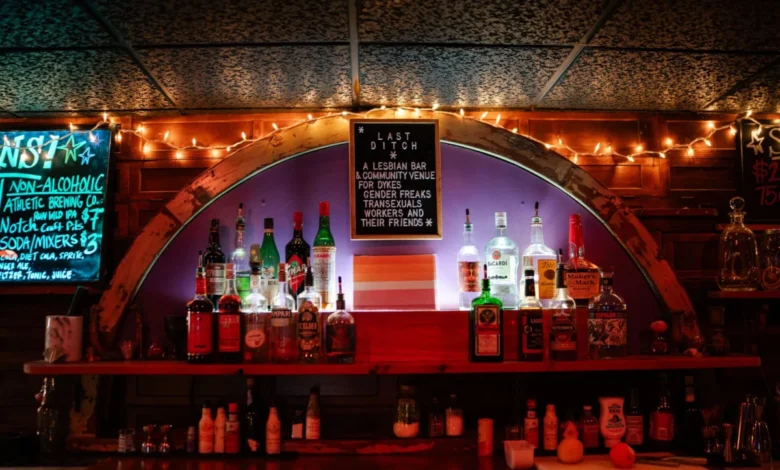
The controversy surrounding “Last Ditch,” a lesbian bar and arts venue in Greenfield, Massachusetts, has sparked a broader debate regarding the sustainability of niche queer spaces in a post-pandemic economic environment. The venue’s decision to move from a strictly mask-compliant environment to a mask-optional policy on Saturday nights triggered a significant public backlash, revealing deep-seated tensions within the community regarding accessibility and inclusivity.
The timeline of the crisis began with an Instagram announcement intended to boost stagnant revenue, followed immediately by an intense influx of negative sentiment from the venue’s core demographic. Critics argued that the policy change prioritized short-term financial gain over the safety of immunocompromised patrons. The resulting fallout included public mediation sessions conducted via Zoom, which ultimately exposed the venue’s precarious financial position, including tens of thousands of dollars in outstanding debt.
This incident is not an isolated phenomenon. Historically, similar queer spaces—such as Mina’s World in Philadelphia and Doc Marie’s in Portland—have faced closure due to internal conflicts that escalated into public disputes. Sociologists point to a recurring pattern: when these venues, which often operate on razor-thin margins, attempt to pivot their operational strategies to avoid insolvency, they frequently encounter resistance from stakeholders who hold them to strict political and safety standards. With LGBTQ+ bars closing at a record pace across the United States, this trend highlights the systemic vulnerability of independent queer venues, which are often expected to simultaneously function as safe havens, political institutions, and profitable businesses.
Geopolitical Tensions and the Whiskey Trade
The U.S. and Canada are currently entangled in an escalating trade dispute involving the import and export of spirits. Last year, several Canadian provinces implemented bans on American-produced whiskey, citing broader trade disagreements. In response, the U.S. administration enacted a 50% tariff on Canadian whisky, which has now culminated in a near-total import ban set to take effect early next week.
The implications of this trade war are substantial for the hospitality and retail sectors. The ban effectively halts the flow of Canadian product into the U.S. market, though the policy contains specific exemptions for bulk spirits that are bottled domestically. Market analysts warn that while the current exemption provides a temporary buffer for supply chains, the uncertainty of trade policy makes long-term inventory planning difficult. Historically, trade barriers on alcohol have led to price volatility and the forced substitution of products, impacting both the consumer experience and the bottom line for bars and distributors. As negotiations remain ongoing, industry leaders are bracing for further fluctuations in international trade law.
Professional Etiquette in a Digital Age
The modern job market has seen an uptick in discourse regarding interview decorum, much of it driven by viral social media content. The recent debate concerning whether candidates should bring an iced coffee to a job interview is indicative of how digital platforms shape professional expectations.
While the topic may seem trivial, it touches on a fundamental shift in how the current workforce perceives the boundaries between personal habits and professional environments. Career counselors and human resources professionals generally advise that in a high-stakes interview setting, candidates should prioritize minimizing distractions. The presence of a beverage—regardless of its temperature or popularity—is often viewed as a potential point of distraction or an unnecessary breach of traditional formality. However, as workplace culture shifts toward more casual, authentic representations of the self, the consensus remains fragmented. The debate underscores a growing tension between traditional corporate etiquette and the evolving, more informal expectations of younger generations entering the professional sphere.
Broader Implications and Outlook
The common thread running through this week’s headlines is the tension between traditional stability and modern disruption. Whether through the regulation of the gig economy, the economic precarity of independent cultural spaces, or the volatility of international trade, the current climate is one of rapid adjustment.
The $131.5 million settlement against DoorDash, in particular, acts as a benchmark for future labor disputes. It confirms that the era of regulatory leniency for platform-based companies is waning. Similarly, the public discourse surrounding venue management and trade policy highlights that consumers and workers alike are increasingly attentive to the ethics and policies of the organizations they support. As these sectors continue to navigate economic pressures, the ability to balance fiscal responsibility with social and regulatory compliance will determine the survival and success of these institutions in the coming fiscal year. The week’s events demonstrate that whether in the kitchen, the courtroom, or the boardroom, the margin for error is shrinking.