The Midnight Slice and the Morning Bag: How Split’s Untamed Street Food Culture Is Quietly Disappearing

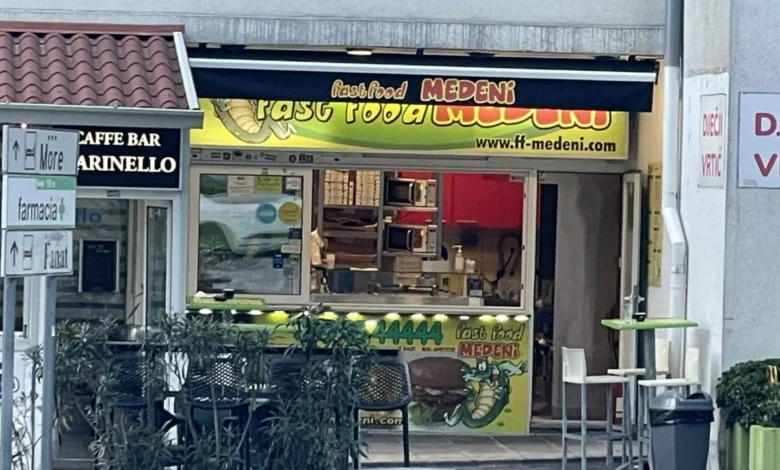
The culinary identity of Split, Croatia’s vibrant coastal hub, is undergoing a subtle yet profound transformation. While international tourists flock to the stone-walled taverns of Varoš and the sun-drenched terraces along the Riva promenade to sample traditional Dalmatian delicacies like pašticada, grilled fish, and black risotto, a parallel, deeply entrenched food culture thrives in the city’s residential neighborhoods. This is the world of neighborhood bakeries (pekare) and micro-sized fast-food windows operating out of spaces scarcely larger than three by two meters. Offering items such as burek, warm krafne (Croatian doughnuts), customizable toasted sandwiches, piletina u tijestu (chicken wrapped in pizza dough), and iconic Balkan ćevapi, these establishments have served as the caloric backbone of local life for decades. However, the rise of global fast-food franchises, the ubiquity of digital delivery apps, and shifting consumer habits threaten to erode this urban culinary fabric.
Main Facts and the Anatomy of Split’s Street Food Economy

Unlike Western-style fast food epitomized by multinational chains like McDonald’s, Burger King, or KFC, Split’s street food ecosystem is hyper-local, decentralized, and deeply tied to the rhythms of everyday life. Operating largely on the fringes of the historic center—tucked beneath residential apartment blocks in districts far removed from tourist foot traffic—these eateries offer affordable, calorie-dense meals generally priced at just a few euros.
The infrastructure is bare-bones: a service window, a high-heat grill, a toaster, and occasionally a pizza oven. Customers include university students between lectures, manual laborers seeking a quick midday meal, beachgoers, football fans streaming out of local matches, and revelers returning home in the early morning hours.
Prominent staples of this culture include:

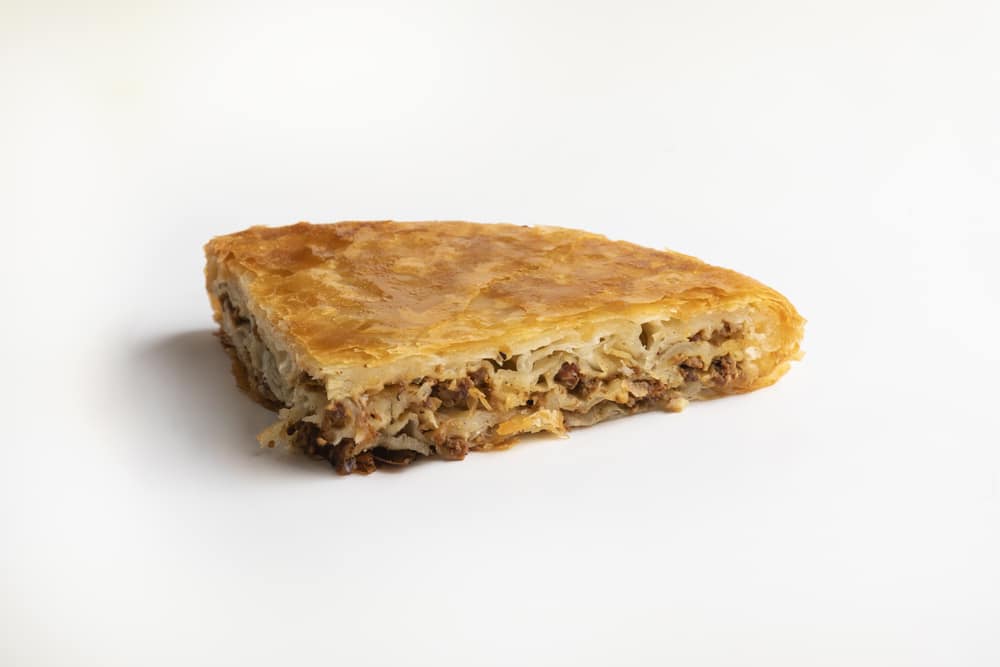
- Burek: Layers of paper-thin flaky dough stuffed with savory minced meat or cheese, traditionally consumed in the dead of night.
- Krafne: Yeast-dough doughnuts without a central hole, generously filled with chocolate, apricot jam, or custard, frequently bought warm from bakery back doors late at night.
- Topped Sandwiches and Piletina u Tijestu: Customizable foot-long toasted sandwiches or chicken wrapped in pizza dough, finished with an array of self-selected condiments and toppings such as mayonnaise, pickles, corn, and boiled eggs.
- Ćevapi: Cylindrical spiced minced meat grilled over open flames, served inside traditional flatbread (somun or lepinja) with chopped onions, ajvar (red pepper relish), or kajmak (clotted cream).
Chronology and Evolution of Neighborhood Institutions
The longevity of these establishments is a testament to their integration into the social fabric of Split. Long before the city became a major European tourism hotspot, local culinary institutions were anchoring neighborhood life.
- 1967: Kantun Paulina opens its doors, establishing a legendary status for its street-side ćevapi that persists nearly six decades later. Patrons have stood on the pavement to eat their meals here for generations.
- 1989: Popaj is founded as a family-run fast-food operation in Split. Its cultural footprint has grown so vast that it has been immortalized in lyrics by Croatian hip-hop group Dječaci and pop artist Domenica, cementing its status as a local landmark.
- 2001: Fast Food Medeni opens, eventually expanding to four locations across Split and neighboring Kaštela, proving that neighborhood-scale fast food could scale regionally while retaining its local appeal.
- Post-2020 (COVID-19 Era): The pandemic fundamentally alters delivery logistics. Nearly all local fast-food vendors adopt digital delivery platforms such as Wolt and Glovo, inadvertently shifting consumer behavior away from physical interaction at the street window.
Supporting Data and Cultural Metrics
The demographic and economic pressures facing these traditional outlets reflect broader trends in European urban centers. According to local food researchers and urban analysts, the proliferation of suburban shopping malls housing standardized international fast-food chains has altered retail geography in Dalmatia.
While precise figures on the contraction of independent pekare and micro-fast-food outlets are difficult to isolate due to the family-owned nature of the businesses, industry observations indicate a measurable decline in late-night foot traffic at traditional walk-up counters. Conversely, franchises located in shopping complexes—bolstered by complimentary parking, climate-controlled dining rooms, and predictable, standardized menus—have seen steady growth among domestic consumers.
Simultaneously, traditional street foods like ćevapi are experiencing a process of gentrification. Once strictly consumed standing up on street corners, ćevapi are increasingly migrating indoors into sit-down restaurant formats, accompanied by a corresponding markup in price that distances the dish from its working-class roots.

Official Responses and Stakeholder Perspectives
Local restaurateurs, long-time residents, and cultural commentators have voiced growing concern over the passive erosion of this micro-cuisine. While municipal authorities focus heavily on regulating hospitality zones within Diocletian’s Palace to manage tourism saturation, the neighborhood fast-food sector receives little official policy protection.
Local experts and historians argue that these establishments perform an invaluable social function. They act as informal community hubs where socio-economic lines blur—where taxi drivers, police officers, students, and laborers queue shoulder-to-shoulder at 3:00 AM.

"People have not stopped eating this food; they have simply changed how they acquire it," notes Ante, a local Split culinary chronicler. "When these physical spaces vanish, we lose more than a cheap meal. We lose a tangible anchor of everyday urban life."
Broader Economic and Social Implications
The decline of Split’s walk-up food culture carries several broader implications for urban sociology and local economies:

- Homogenization of Public Space: As physical queues diminish in favor of app-based home delivery or sterile mall-based franchises, the streetscape loses a vital layer of nocturnal public life and spontaneous human interaction.
- Economic Displacement: Independent operators operating on razor-thin margins struggle to compete with the marketing budgets, real estate advantages, and delivery optimization of multinational conglomerates.
- Loss of Culinary Heritage: While grand Dalmatian recipes are preserved in upscale guidebooks, the working-class culinary innovations born from post-war Yugoslav urban culture risk being entirely forgotten or commodified into unrecognizable luxury iterations.
Ultimately, while Split’s neighborhood fast-food shops and all-night bakeries remain operational for now, their long-term viability hinges on whether locals continue to step outside and embrace the sidewalk culture that built them. Without conscious consumer support for these physical storefronts, the midnight burek and the warm evening krafna may soon exist only through the glowing screen of a delivery application.