The Ultimate Seven-Day Scotland Itinerary: A Comprehensive Guide to the Highlands and Beyond

Scotland has long served as a premier destination for travelers seeking a convergence of dramatic natural landscapes, centuries of complex history, and a distinct cultural identity. While the nation is compact in geographical size, its density of heritage sites, varied topography, and unique regional traditions require a strategic approach for those looking to maximize a one-week visit. This itinerary outlines a structured seven-day route designed to balance the urban sophistication of Edinburgh with the rugged, isolated beauty of the Scottish Highlands and the Inner Hebrides.
Strategic Planning and Logistics
Travelers planning a week-long excursion through Scotland should prioritize rental car logistics. While public transportation is robust within central hubs like Edinburgh and Glasgow, the most efficient way to access the Highlands, the North Coast 500 routes, or remote coastal villages is by private vehicle. Prospective visitors must be prepared for single-track roads and the legal requirement to drive on the left side of the road.
Furthermore, visitors should be aware of shifting fiscal policies in the capital. As of July 2026, the City of Edinburgh Council has implemented a 5% visitor levy on overnight accommodations, including hotels and short-term rentals, intended to support infrastructure and tourism management. Additionally, Scotland’s unpredictable maritime climate necessitates versatile packing, specifically including high-quality rain gear and waterproof footwear, regardless of the season.
The Itinerary: A Seven-Day Chronology
Day 1: Arrival and Transit to Oban
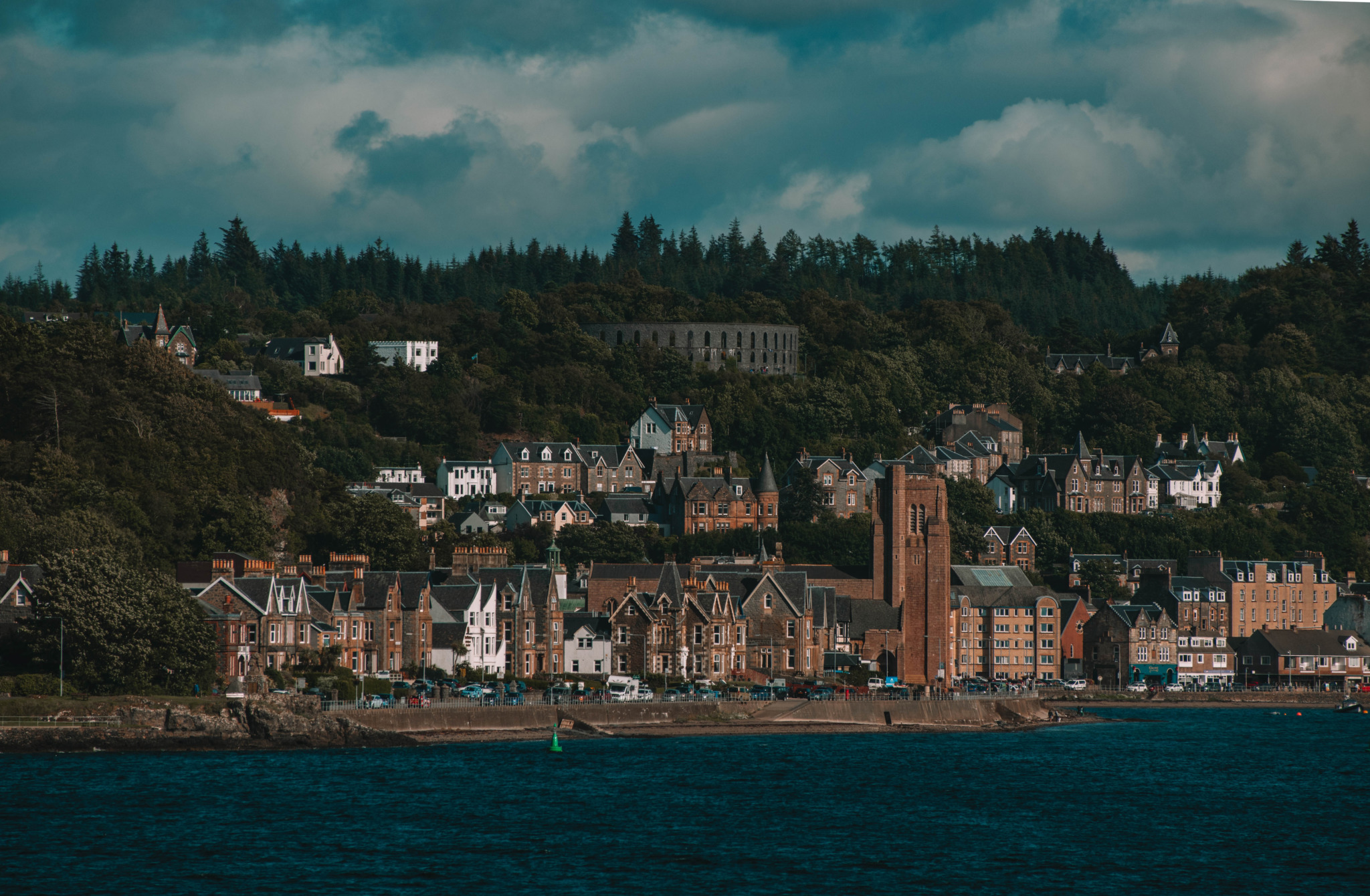
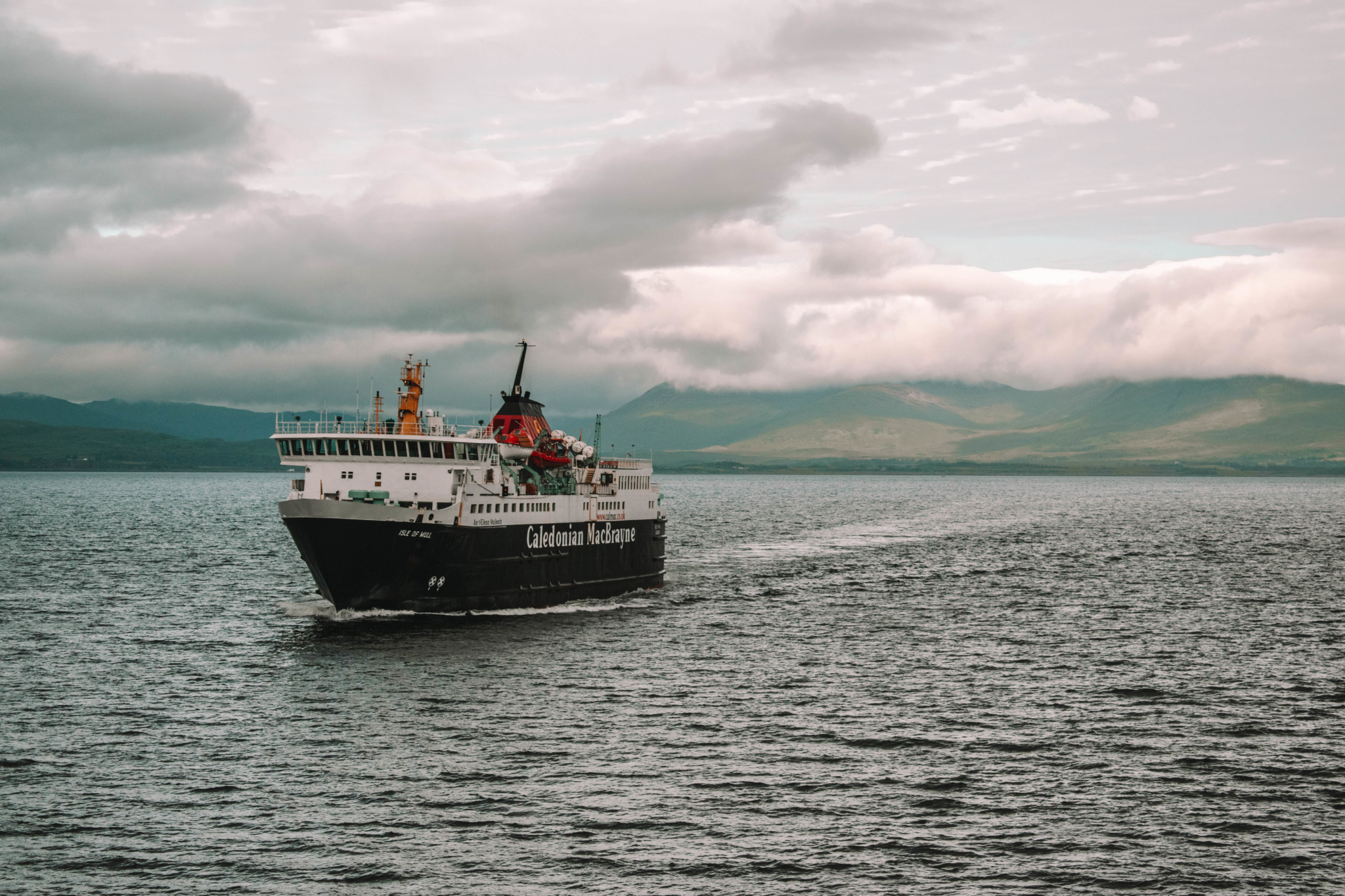
For those who have already experienced the capital, the optimal strategy is to depart Edinburgh immediately upon arrival. A three-hour drive westward leads to Oban, often referred to as the "Gateway to the Isles." This coastal town serves as the primary hub for the ferry network connecting the mainland to the Inner Hebrides.

Day 2: The Three-Isles Expedition
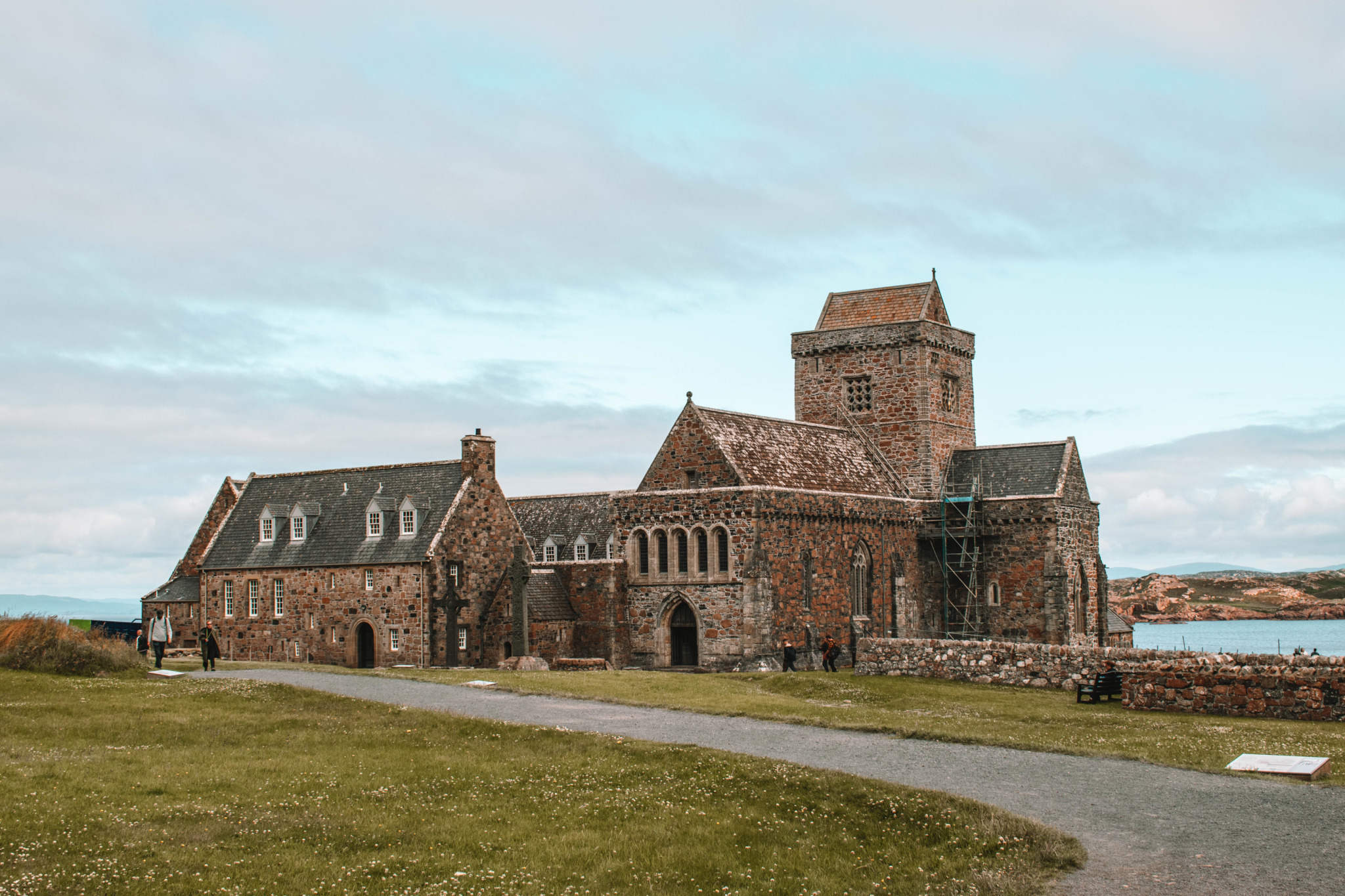
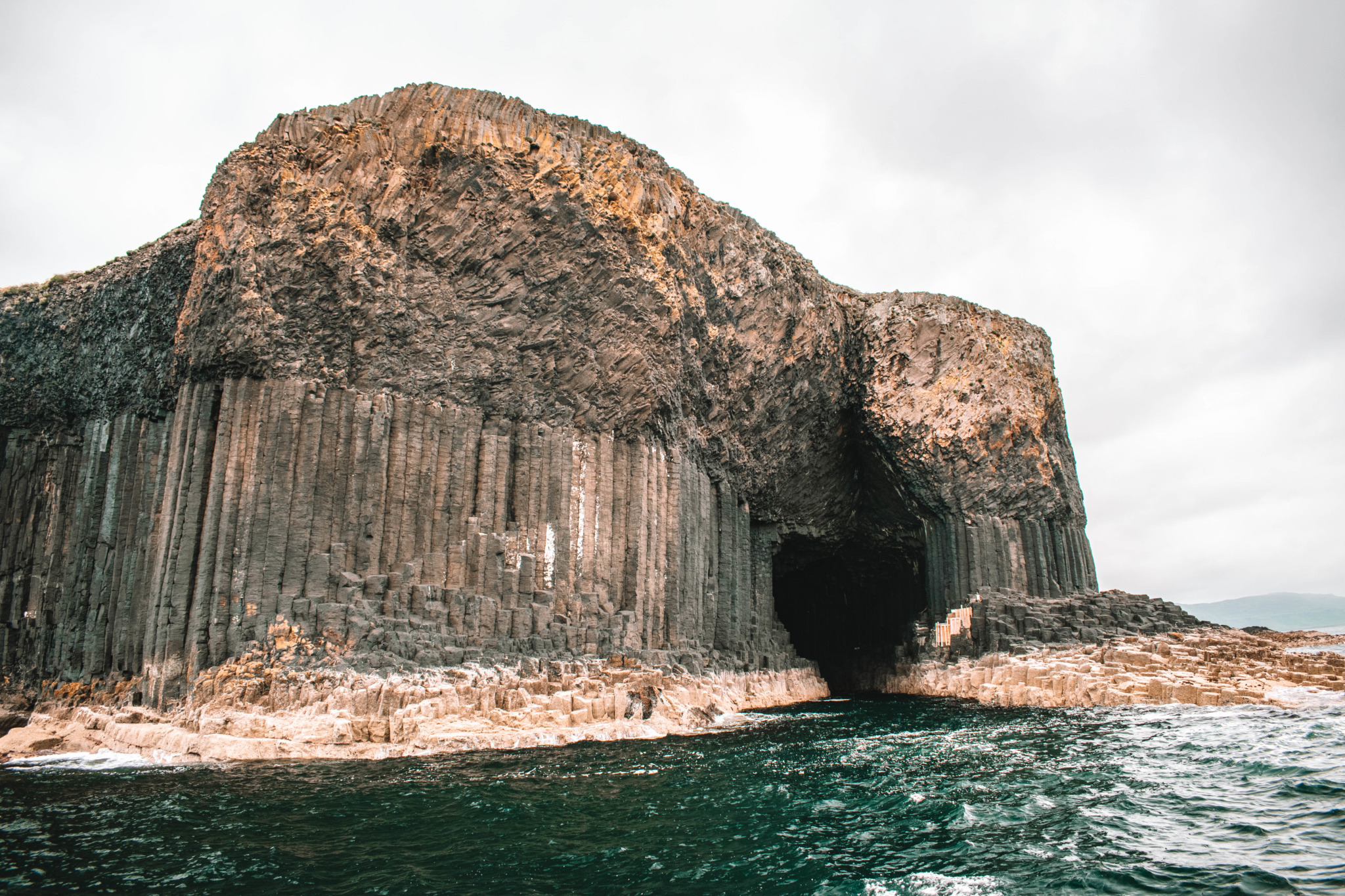
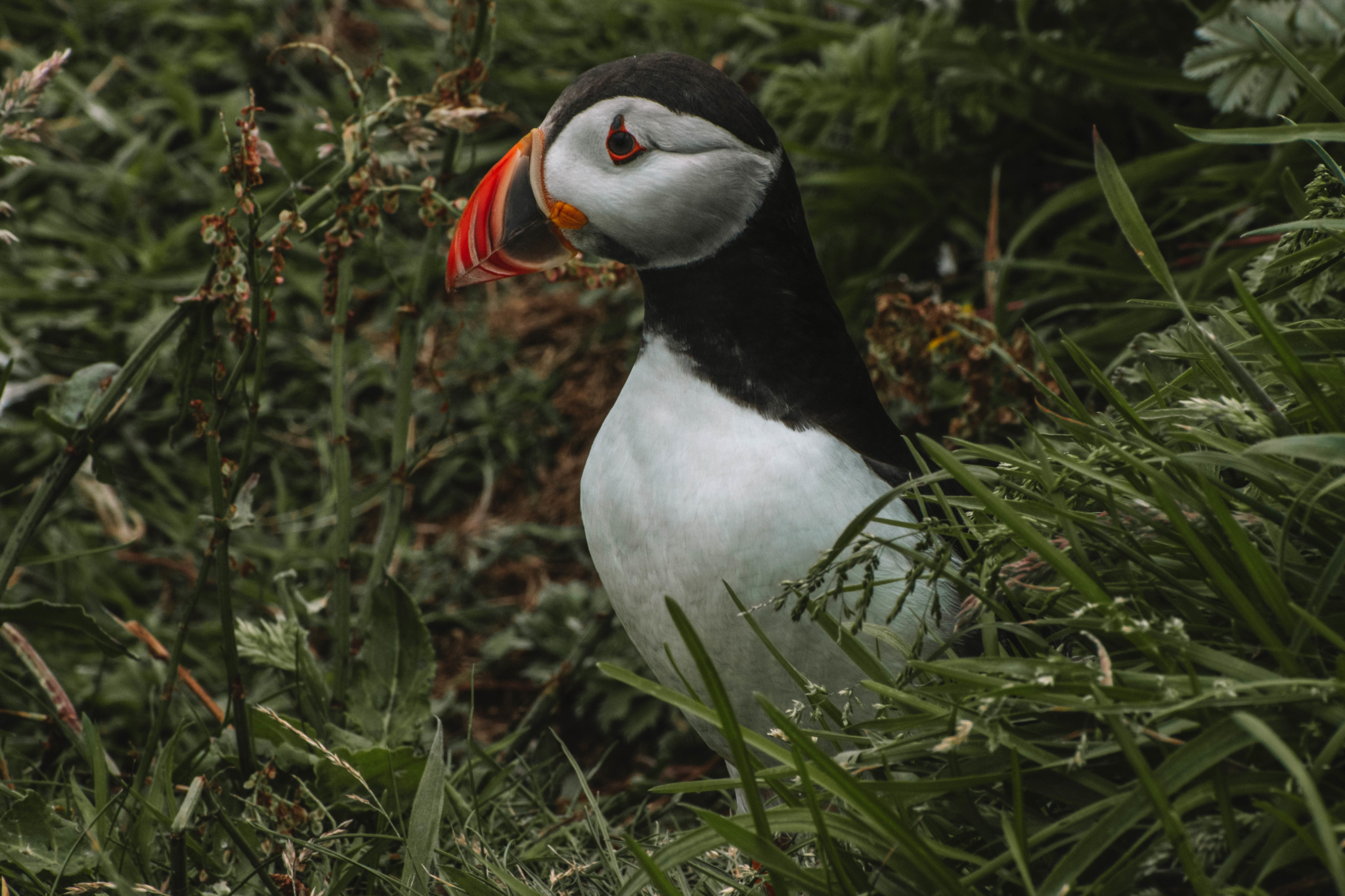
The second day is dedicated to the maritime heritage of the region. A seasonal tour—typically operating from April through October—provides access to the Isle of Mull, Iona, and Staffa. The Isle of Mull, the second-largest of the Inner Hebrides, offers significant biological diversity, including the rare white-tailed sea eagle. A stop at the Inverlussa mussel farm provides insight into the local aquaculture industry, which is a vital economic contributor to the coastal communities. The journey continues to Iona, a site of profound historical importance as the birthplace of Scottish Christianity, dating back to 563 AD. The day concludes with a visit to Staffa, famous for the geological marvel of Fingal’s Cave, characterized by its hexagonal basalt columns.

Day 3: The Isle of Skye
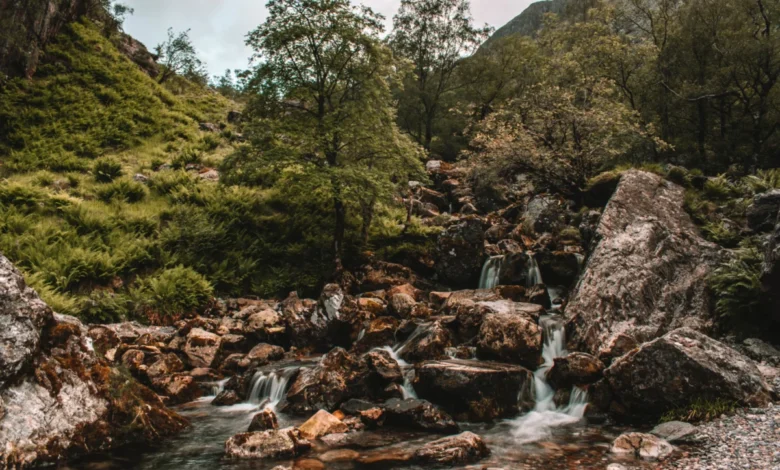
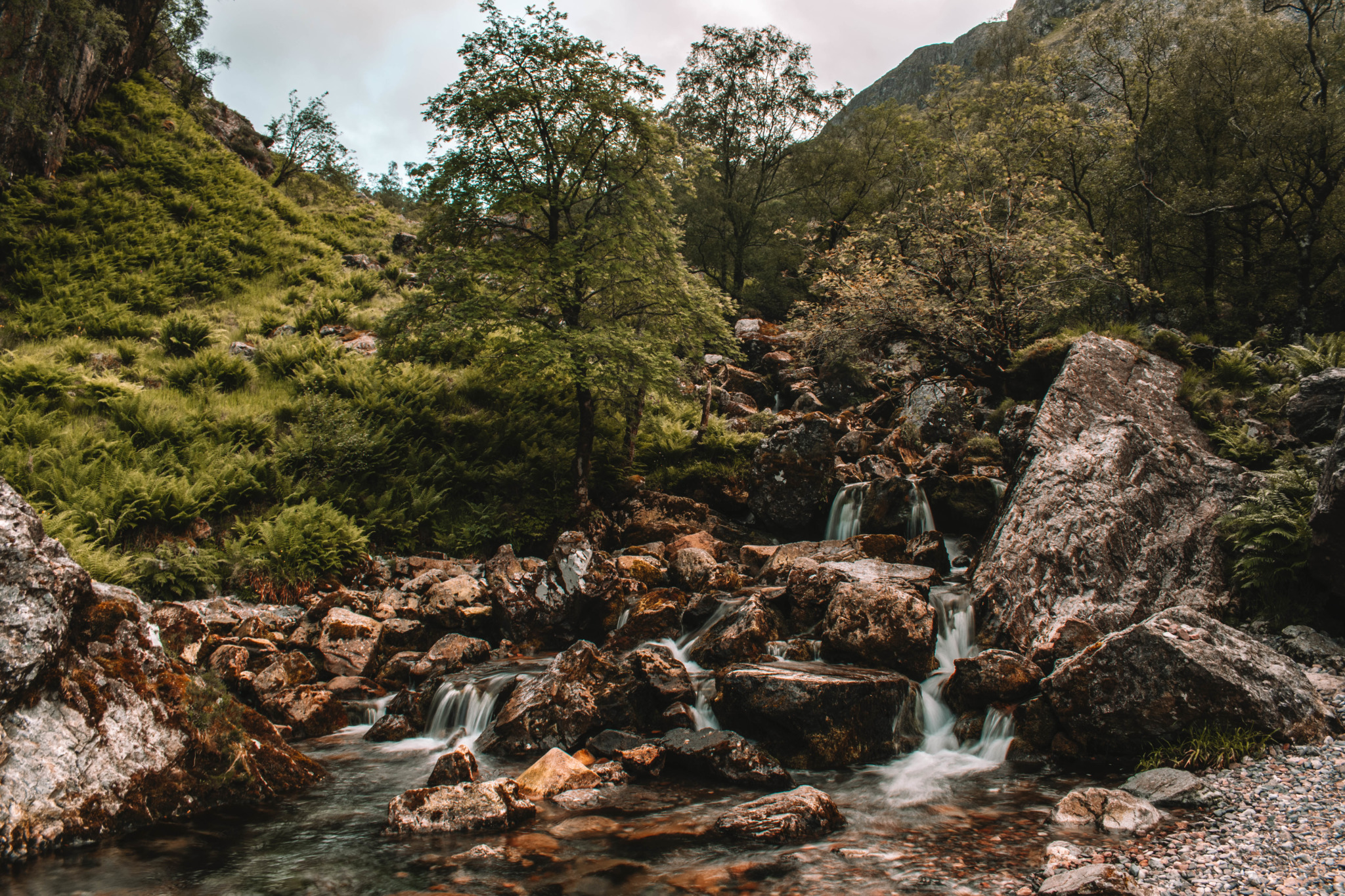
Transitioning north, the route leads to the Isle of Skye. En route, the 13th-century Eilean Donan Castle serves as a primary historical landmark. Skye, the largest of the Inner Hebrides, is defined by its dramatic volcanic landscape. The Talisker Distillery, the island’s oldest, provides a lens into the Scotch whisky industry—an export sector that contributes billions to the UK economy. A visit to the Fairy Pools, a series of spring-fed rock pools, showcases the island’s natural water features.
Day 4: Cultural and Historical Depth on Skye
The fourth day involves exploring the northern peninsula of Skye. Key sites include Dunvegan Castle, the ancestral home of Clan MacLeod, and the Museum of Island Life, which preserves the architectural history of the Highland crofting communities. The Quiraing landslip and the Kilt Rock basalt columns provide essential geological context for the island’s formation. These sites are not merely aesthetic; they are protected areas that highlight the intersection of geography and Scottish folklore.
Day 5: Loch Ness and the Highland Games
Moving inland, the focus shifts to the Great Glen and the iconic Loch Ness. Beyond the popular legends of the cryptid, the loch is a significant body of water, reaching depths of 230 meters. The nearby ruins of Urquhart Castle offer a stark reminder of the region’s turbulent medieval history. During the summer months, participating in or observing the Highland Games—which feature events like caber tossing and hammer throwing—provides an authentic engagement with contemporary Scottish cultural traditions.
Day 6: The Capital City – Edinburgh
Returning to Edinburgh, the focus shifts to the political and cultural center of the nation. The Royal Mile, stretching from Edinburgh Castle to the Palace of Holyroodhouse, encapsulates the city’s medieval and early modern history. The National Museum of Scotland is an essential stop for those seeking a granular understanding of Scottish antiquities and industrial history.

Day 7: Urban Heritage and Modern Perspectives
The final day is reserved for the nuances of the capital. Beyond the major tourist sites, a visit to the Real Mary Queen’s Close offers an underground perspective on the city’s development during the plague years, providing a stark contrast to the modern facade of the New Town, which was developed in 1767 based on the award-winning blueprints of James Craig.
Economic and Cultural Implications
The tourism sector remains a cornerstone of the Scottish economy. According to recent data from the Scottish Tourism Alliance, the industry supports over 200,000 jobs. However, this growth has prompted discussions regarding "over-tourism" in hotspots like Skye and Edinburgh. The implementation of the visitor levy is part of a broader strategy to ensure that the influx of international capital supports, rather than degrades, the local environment and heritage sites.
Expanding the Scope: Cairngorms and Aberdeen
For travelers with an extended timeframe, the Cairngorms National Park offers a significant alternative to the western route. As the largest national park in the United Kingdom, it provides extensive opportunities for high-altitude hiking and wildlife conservation. Furthermore, the coastal city of Aberdeen, known as the "Granite City," offers a different architectural and cultural experience, characterized by its historic maritime ties and proximity to coastal fortifications like Dunnottar Castle.
Conclusion
A seven-day trip to Scotland is an exercise in efficiency. By balancing the remote, geological wonders of the Inner Hebrides and Skye with the urban, historical narratives of Edinburgh, visitors can gain a comprehensive understanding of the nation’s multifaceted character. Whether one is interested in the intricacies of the whisky industry, the geological history of the North Atlantic, or the preservation of medieval architecture, this route provides a robust framework for an immersive Scottish experience. Travelers are encouraged to book accommodation and high-demand tours well in advance, as the popularity of these regions continues to rise, ensuring that the necessary infrastructure can keep pace with visitor demand.