The Ultimate Guide to Luxury Dog-Friendly Family Travel: How to Plan the Perfect Trip for Every Member of the Pack

The modern family vacation is increasingly evolving to include four-legged companions, transforming traditional holiday planning into a multi-species logistical art form. According to recent travel industry data, more than 78 percent of pet owners now consider their animals fully integrated family members, driving a significant surge in demand for pet-inclusive luxury travel. What was once a niche market characterized by roadside motels and makeshift accommodations has matured into a multi-billion-dollar sector featuring high-end resorts, gourmet room service menus, and specialized pet concierge services. Successfully navigating a vacation that accommodates both children and high-energy puppies requires meticulous planning, a realistic understanding of animal behavior, and an itinerary designed to balance relaxation, socialization, and necessary periods of professional pet care.

The travel landscape for pets has shifted dramatically over the past decade. Historically, leaving a dog behind meant relying on local boarding kennels or frantic neighbor drop-ins. Today, the travel and hospitality sectors recognize that pet owners are willing to invest heavily in experiences where no family member is left behind. Industry analysts note that luxury hospitality brands are outpacing standard competitors by integrating pet-centric amenities that rival those offered to human guests. From plush orthopaedic memory-foam beds to custom welcome treats and dedicated turndown services, hotels are redefining what it means to welcome animals.
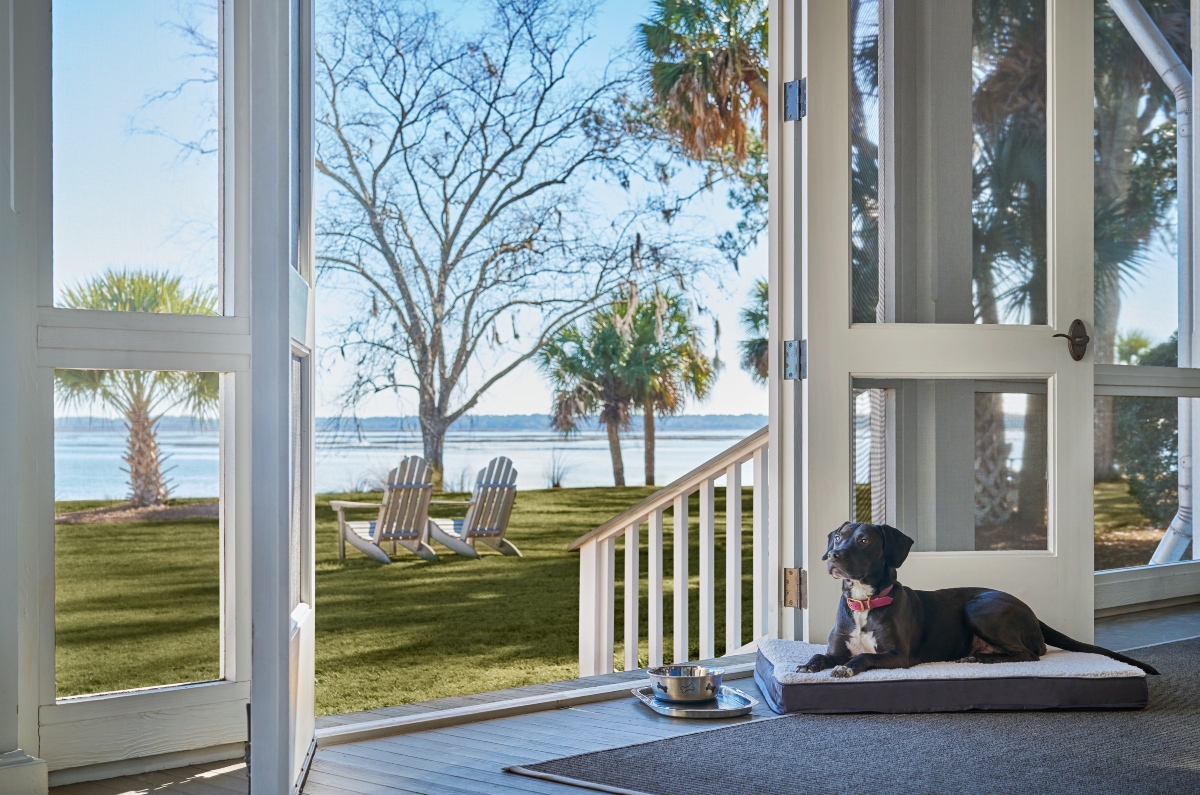
Choosing the right accommodation serves as the foundational element of a successful pet-friendly journey. Leading hospitality groups—including Montage, Auberge Resorts Collection, Kimpton Hotels, and Four Seasons—have established themselves as gold standards for traveling families with pets. For instance, Montage Laguna Beach offers an expansive in-room pet dining menu featuring wholesome proteins such as chicken, salmon, beef, and a dedicated filet mignon dish tailored for canine palates. Similarly, Montage Palmetto Bluff provides handcrafted gourmet dog biscuits alongside concierge services capable of arranging professional walking schedules or personalized sitting. These luxury properties frequently pair their canine hospitality with renowned children’s programming, such as signature Paintbox clubs, ensuring that both young children and dogs are safely entertained while adults enjoy brief respites. Additional luxury standouts include The Lowell in New York City, Enchantment Resort in Sedona, Inn by the Sea in Maine, The Broadmoor in Colorado, and the Ojai Valley Inn in California. However, industry experts continually advise travelers to verify specific weight limits, pet fees, and vaccination mandates directly with properties prior to finalizing reservations, as municipal regulations and corporate policies frequently evolve.
Crafting an inclusive itinerary demands a strategic breakdown of daily activities, balancing spaces where pets are warmly welcomed with environments where they cannot safely or legally participate. Beach excursions, for example, present unique regulatory hurdles that vary significantly by region. While coastal areas in states like Oregon offer extensive public shorelines with permissive off-leash policies, jurisdictions in other states, such as California, enforce strict prohibitions against dogs on state park beaches, though localized exceptions exist in dog-centric communities like Carmel-by-the-Sea. Researching municipal ordinances ahead of time prevents logistical setbacks and ensures that morning and evening beach walks remain relaxing highlights of the journey. Similarly, outdoor dining cultures play a vital role in destination selection. Choosing regions with temperate climates and a high density of patio-friendly restaurants allows families to linger over meals without the anxiety of leaving an anxious animal unattended in a hotel room—a practice explicitly prohibited by many lodging establishments.
When travel itineraries involve events or excursions unsuited for canine companions—such as formal weddings, historical museum tours, or high-altitude alpine hikes—advance scheduling of professional pet care becomes mandatory. Industry standards for pet boarding and daycare have risen sharply to meet the expectations of luxury travelers. Facilities such as K9 Resorts, which operates dozens of locations across the United States, offer high-end boarding and supervised daycare environments categorized strictly by dog size and temperament. Veterinary behavioral specialists emphasize that introducing a dog to a new daycare facility requires preliminary health evaluations and proof of up-to-date vaccinations well in advance of the trip. Securing these arrangements prior to departure eliminates last-minute stress, allowing families to seamlessly transition between kid-friendly adventures, adult-focused engagements, and collective family time.
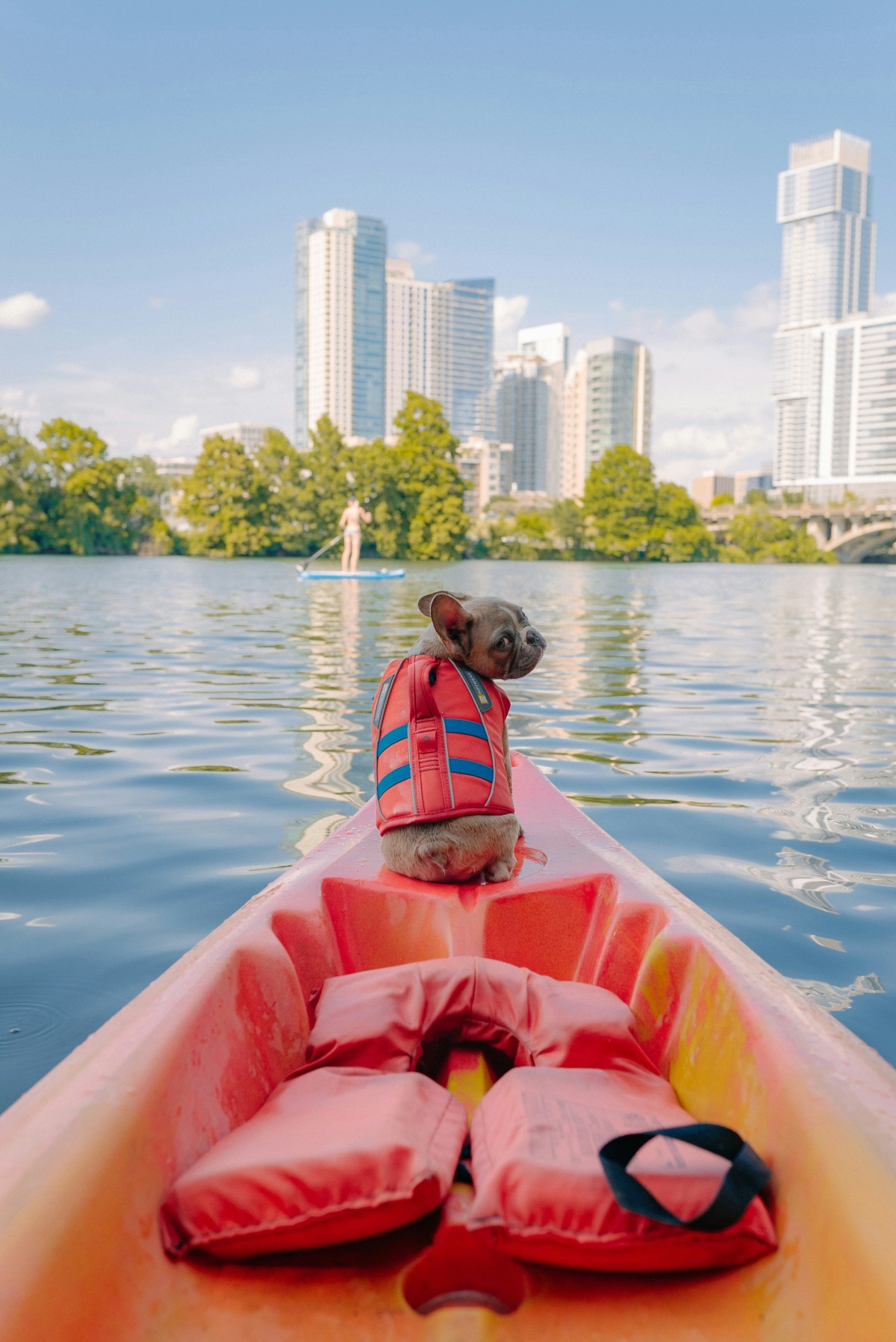
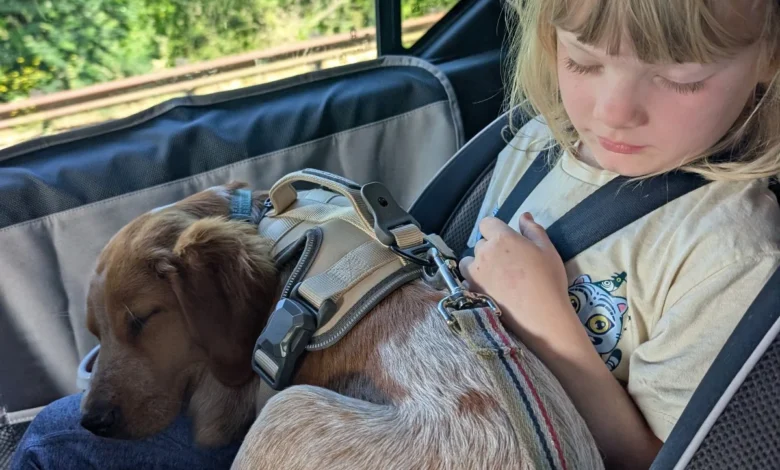
The logistical framework of traveling with pets extends far beyond the final destination; the transit phase itself requires deliberate structuring. Whether embarking on a cross-country road trip or navigating complex rail networks, the journey should be viewed as an integral component of the vacation rather than merely a hurdle to overcome. Animal behaviorists recommend breaking up extended drives with strategic stops at fenced off-leash dog parks, tranquil lakeside trails, or shaded rest areas where high-energy puppies can expend surplus energy. Incorporating these extended breaks not only prevents travel fatigue and anxiety in animals but also provides children with valuable opportunities to stretch and reset. Ensuring proper restraint inside vehicles—utilizing crash-tested harnesses, specialized seatbelts, or secure pet crates—remains a critical safety priority supported by organizations such as the American Kennel Club, which publishes comprehensive guidelines on canine travel health and safety.
The economic and psychological implications of pet-inclusive travel point toward a permanent shift in consumer behavior within the tourism sector. Market research indicates that families who successfully travel with their pets exhibit higher brand loyalty toward pet-friendly hospitality chains and frequently report higher overall satisfaction scores from their holidays. By viewing the family dog not as a travel complication, but as an active participant in shared memories—such as a child building sandcastles while a puppy runs joyful circles along the shoreline—travelers unlock a richer, more cohesive family dynamic. Ultimately, transitioning from a stressful, fragmented trip to a seamless, memorable holiday hinges on forethought, realistic expectations, and a commitment to integrating every member of the household into the fabric of the adventure.