Though small in geographic stature, Curaçao represents a monumental intersection of European colonial influence, indigenous heritage, and a dynamic modern identity. As the largest island in the ABC chain—Aruba, Bonaire, and Curaçao—this constituent country within the Kingdom of the Netherlands has transformed from a strategic 17th-century trading outpost into a vibrant hub of artistic expression and historical preservation. Understanding the island requires a deep dive into its institutional landscape, where maritime history, plantation legacies, and contemporary urban renewal converge to tell a story of resilience and adaptation.
The Architectural and Artistic Renaissance of Otrobanda
The Otrobanda district, located across the iconic Queen Emma Pontoon Bridge from the Punda district, serves as the epicenter of Willemstad’s ongoing cultural revitalization. The neighborhood, whose name literally translates from Papiamento as "the other side," has evolved from a marginalized area into a canvas for social and aesthetic transformation.
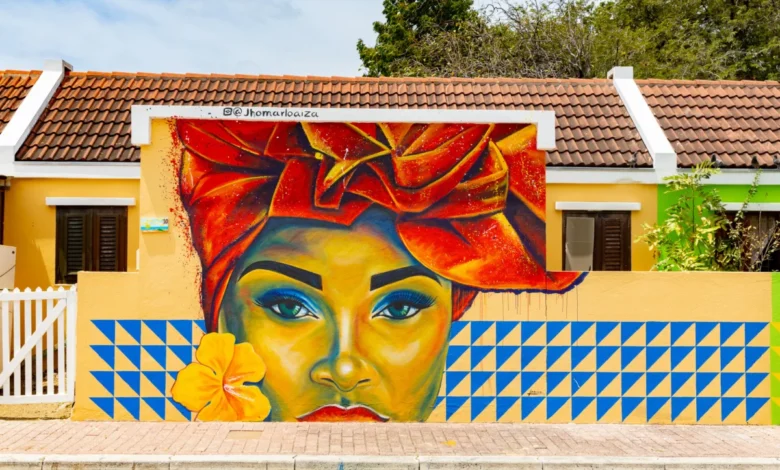
The street art movement in Otrobanda is not merely decorative; it is a calculated effort to reclaim public space. Artists such as Avantia Damberg have been instrumental in this shift, using murals to bridge the gap between historical narratives and modern urban life. The rainbow-painted steps on Van Lennepstraat are perhaps the most visible manifestation of this movement, serving as a beacon for tourists and locals alike.
This artistic surge is supported by private-sector initiatives, most notably the Bario Hotel + Bar. The hotel functions as an informal hub for cultural tourism, offering guided walking tours that contextualize the murals within the socio-economic framework of the neighborhood. Furthermore, the Kaya Kaya Street Party—a festival established to revitalize the area’s infrastructure and social cohesion—has become a biannual cornerstone for the community. Held in late August and December, the festival creates a temporary economic ecosystem, bringing together local musicians, chefs, and artists. Data regarding the festival’s impact suggests a measurable increase in foot traffic and local business revenue, indicating that cultural tourism is a viable engine for urban renewal in historically disenfranchised districts.
Chronology of Influence: From Savonet to the Modern Era
To comprehend the social stratification of Curaçao, one must visit the Savonet Museum, situated at the gateway to Christoffel National Park. The museum is housed in a structure dating back to 1662, one of the oldest plantation houses on the island. The museum’s curation serves as a chronological record of the island’s demographic shifts.
The history of the Savonet plantation mirrors the broader trajectory of Curaçao. The timeline is generally categorized into four distinct periods:
- The Pre-Colonial Era: Defined by the arrival of the Caquetio people, who navigated the Caribbean from the South American mainland.
- The Dutch West India Company Period (1634–1795): Marked by the colonization of the island to secure a strategic base for the salt trade and the subsequent establishment of the trans-Atlantic slave trade.
- The Emancipation and Post-Abolition Era (1863): A period of profound economic transition where the island moved away from plantation agriculture toward a nascent industrial model.
- The 20th Century Industrial Expansion: Defined by the arrival of the Royal Dutch Shell refinery, which fundamentally altered the island’s labor market and urban planning.
The Savonet Museum provides a rare, objective look at the transition from enslaved labor to the complex social customs that define modern Curaçaoan identity. By utilizing both traditional artifacts and modern audio-guided tours, the institution encourages a nuanced interpretation of history, allowing visitors to engage with the uncomfortable realities of the colonial past while acknowledging the resilience of the island’s post-emancipation population.
Maritime Dominance: The Curaçao Maritime Museum
Curaçao’s economic identity is inseparable from its geography. The island possesses one of the deepest natural harbors in the Caribbean, a factor that made it an indispensable asset for European powers throughout the 17th and 18th centuries. The Curaçao Maritime Museum, located in a restored monumental building in the Scharloo district, documents this 500-year history of maritime trade.
The museum’s permanent exhibition serves as a data-heavy retrospective of the island’s role in the global supply chain. It highlights the development of the harbor, which functioned as a transit point for goods moving between Europe, Africa, and the Americas. Detailed nautical charts and ship models illustrate how indigenous navigation techniques were eventually supplanted by Dutch maritime engineering.
From an economic perspective, the museum serves as a reminder that Curaçao’s current prosperity is a continuation of its historical function as a regional commercial hub. The museum’s records show that the port has remained a vital artery for the region, surviving the collapse of the slave trade, the rise and fall of the refinery era, and the modern shift toward service-based and tourism-based economies. Analysts often point to the museum as a primary example of how institutional memory can be leveraged to maintain a national identity in a globalized economy.
The Blue Bay Sculpture Garden: Integrating Art and Environment
The Blue Bay Sculpture Garden, located within the Blue Bay Golf & Beach Resort, represents a unique fusion of environmental management and cultural advocacy. Since its inception in 2017, the garden has grown into a repository of contemporary Caribbean art. With over 40 sculptures created by 29 artists, the trail functions as an open-air laboratory for the use of local materials in sculpture.
The garden’s inclusion of works by notable artists such as Yubi Kirindongo and Giovanni Abath reflects a broader movement within the Dutch Caribbean to preserve and promote local creative talent. By placing these works in a natural landscape—transitioning from the resort entrance to the historic manor house—the curators emphasize the connection between the island’s natural beauty and its human-made cultural expressions.
This project carries significant implications for regional tourism. By diversifying the "beach-and-sun" model of Caribbean tourism with high-value cultural assets, the Blue Bay Sculpture Garden demonstrates how private enterprise can contribute to public cultural infrastructure. It suggests a future where hospitality providers act as curators of national heritage, thereby providing a more comprehensive educational experience for international visitors.
Broader Implications and Future Outlook
The collective impact of these sites—Otrobanda’s street art, the Savonet Museum’s historical archives, the Maritime Museum’s trade records, and the Blue Bay sculpture trail—is a multifaceted educational landscape that moves beyond the typical tourist experience.
For policymakers and tourism boards, these institutions serve as the foundation for "heritage tourism." Data from the Curaçao Tourist Board indicates that travelers seeking educational and cultural experiences stay longer and spend more than the average cruise passenger. Consequently, the continued investment in these sites is not merely a matter of cultural preservation but a pragmatic economic strategy.
Furthermore, these institutions facilitate a necessary dialogue regarding the island’s colonial past. By providing accurate, fact-based portrayals of the indigenous population, the colonial administration, and the enslaved laborers, these sites foster an environment of transparency. As the island continues to navigate its status within the Kingdom of the Netherlands, the ability to curate and communicate its own history will remain a critical component of its sovereign identity.
In conclusion, Curaçao’s strength lies in its ability to synthesize its disparate historical threads into a cohesive narrative. Whether through the vibrant, spray-painted walls of a revitalized district or the quiet, preserved rooms of an 18th-century plantation house, the island offers an education in the complexities of the Caribbean experience. For the inquisitive visitor, these sites are more than just attractions; they are essential portals into the heart of a nation that has spent centuries defining its place on the world stage.