Discovering the Charm and History of La Crosse Wisconsin: A Comprehensive Guide to the Mississippi River Jewel

La Crosse, Wisconsin, stands as a prominent cultural and economic cornerstone of the Upper Mississippi River Valley, blending a rich industrial history with a modern commitment to tourism, outdoor recreation, and community development. Situated at the confluence of the Mississippi, La Crosse, and Black Rivers, the city serves as a regional hub with a population of approximately 51,000 residents. Historically significant as a nexus for the 19th-century timber trade and steamboat transportation, La Crosse has successfully transitioned into a versatile destination that caters to history enthusiasts, outdoor adventurers, and families.
Historical Context and Development
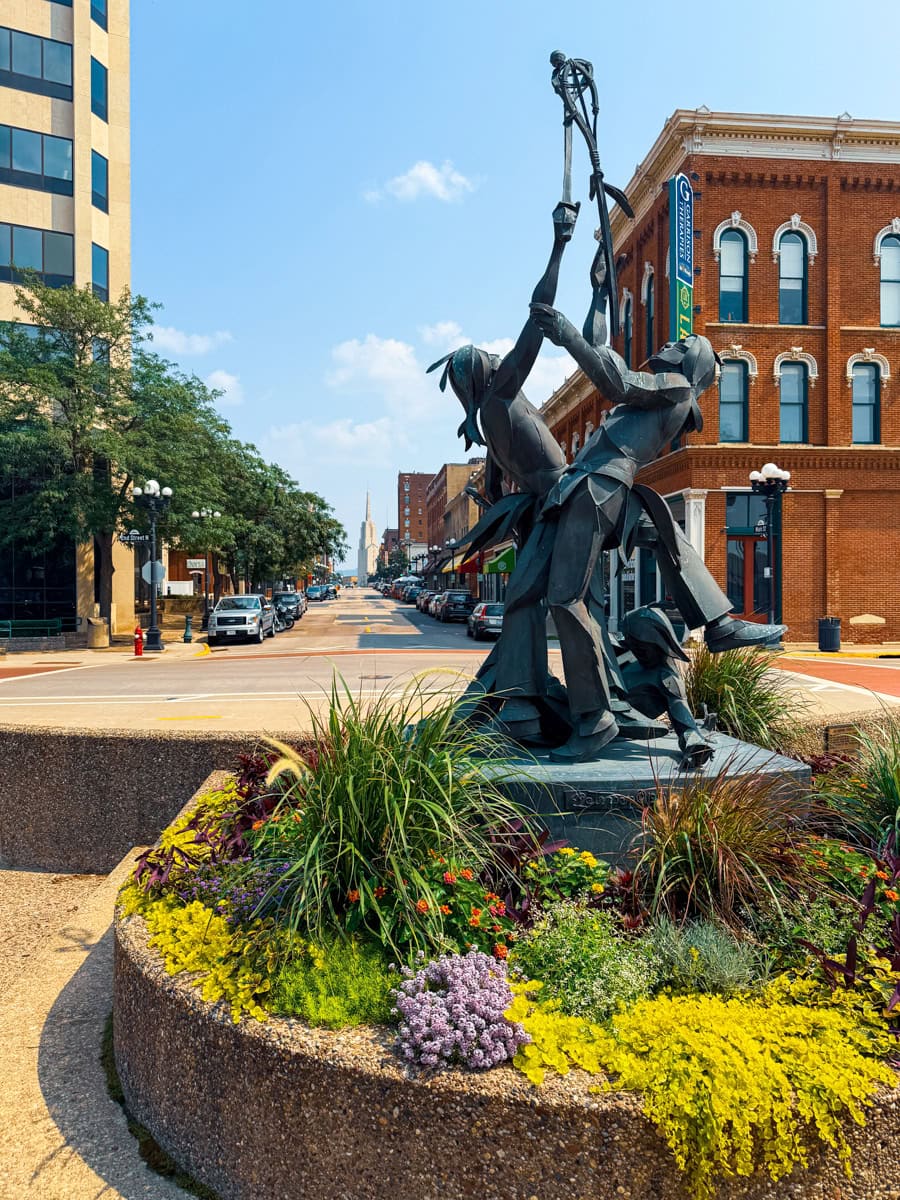
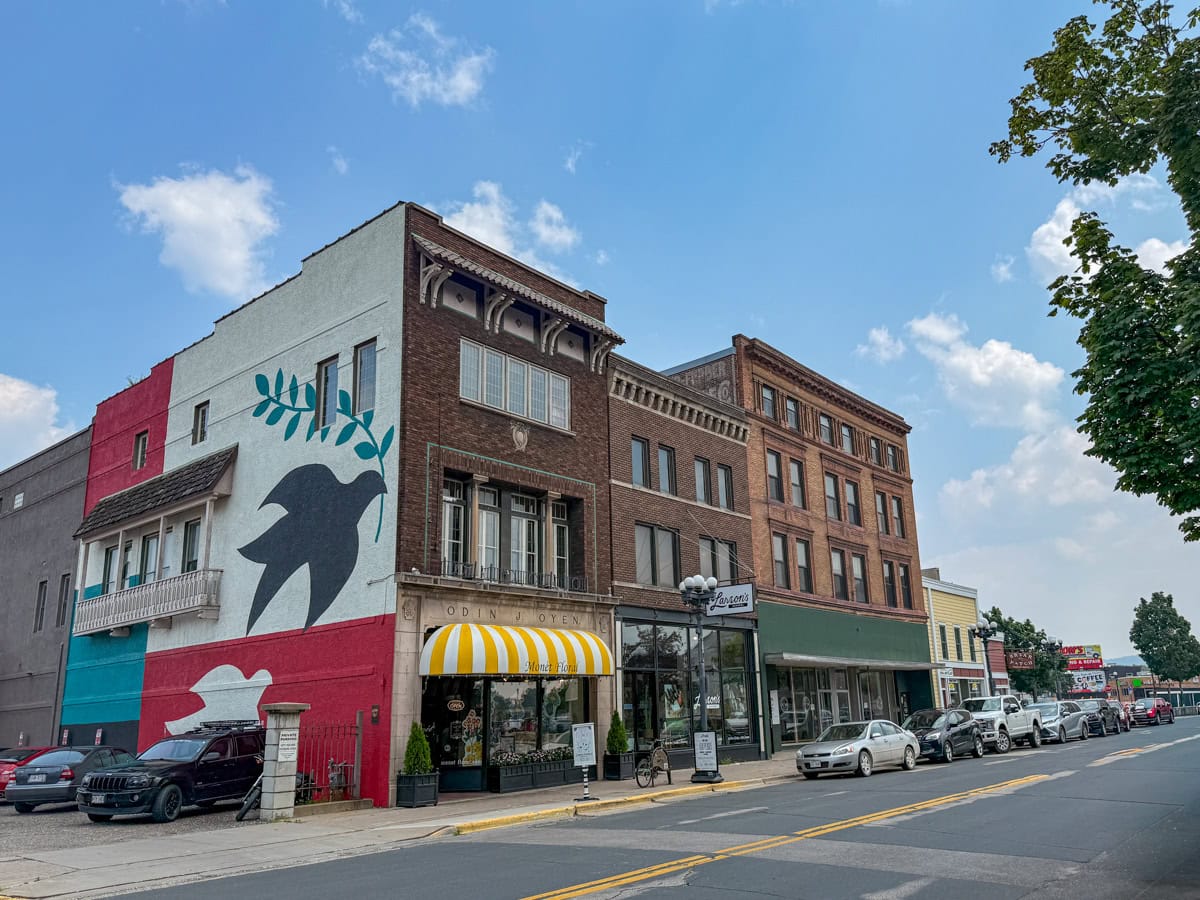
The city of La Crosse derives its name from a game played by Native American tribes in the region, which French explorers later observed and identified as "la crosse." The mid-19th century marked a period of rapid expansion, fueled by the booming logging industry that utilized the Mississippi River to transport timber to downstream markets. This era of prosperity is still reflected in the city’s architectural landscape, particularly within the downtown district, where Victorian-era brick storefronts and preserved facades remain as testaments to the city’s Gilded Age wealth.
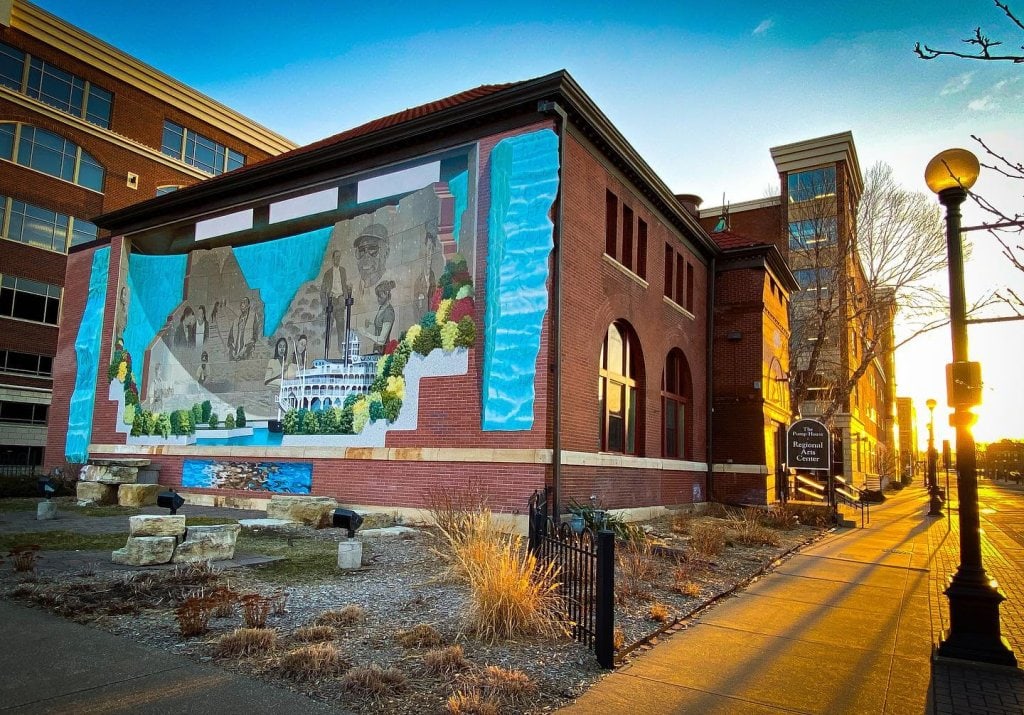
In the 20th century, the city pivoted toward manufacturing, education, and healthcare, establishing a diverse economic base that sustains its current growth. The preservation of landmark structures, such as the 1880s municipal water-pumping station—now the Pump House Regional Arts Center—highlights a community-wide effort to repurpose industrial heritage for modern cultural utility.
Riverside Park: The Urban Anchor
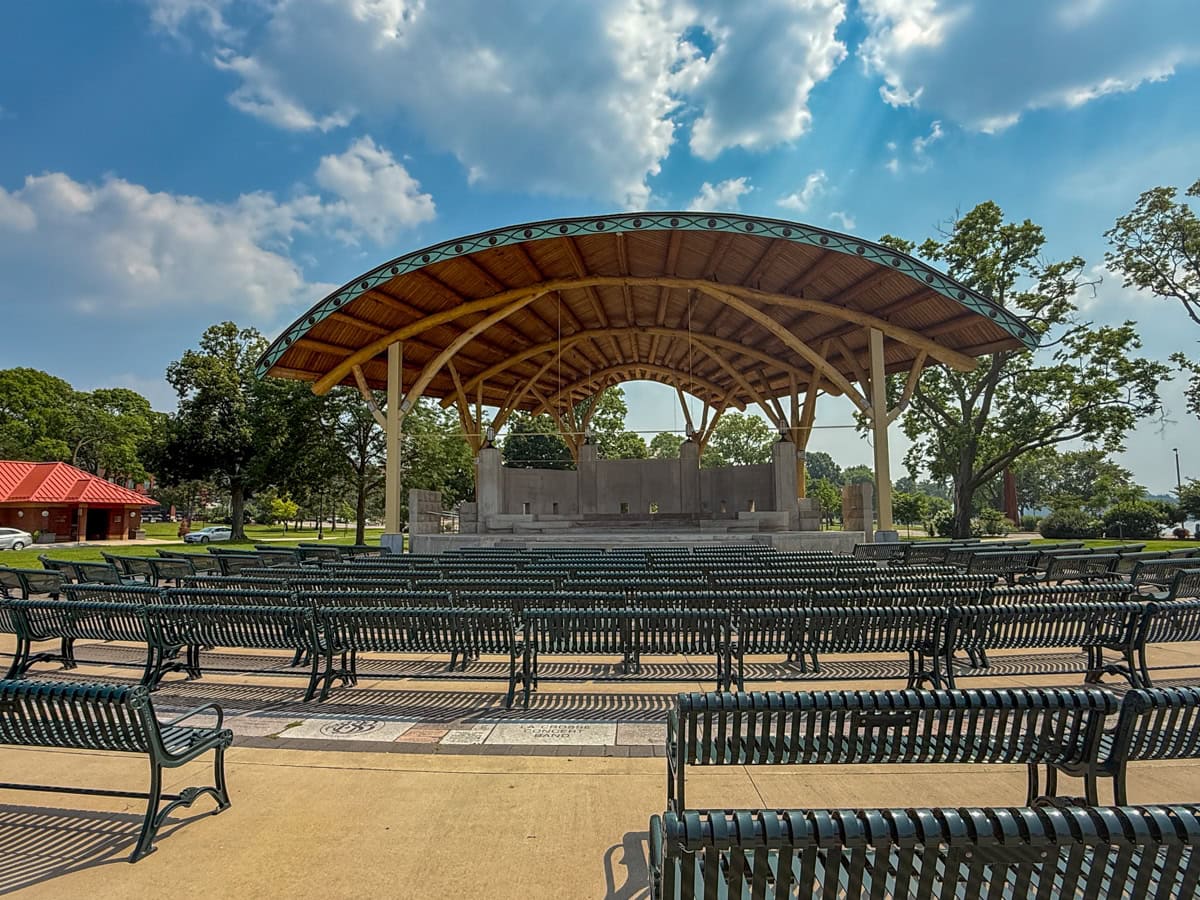
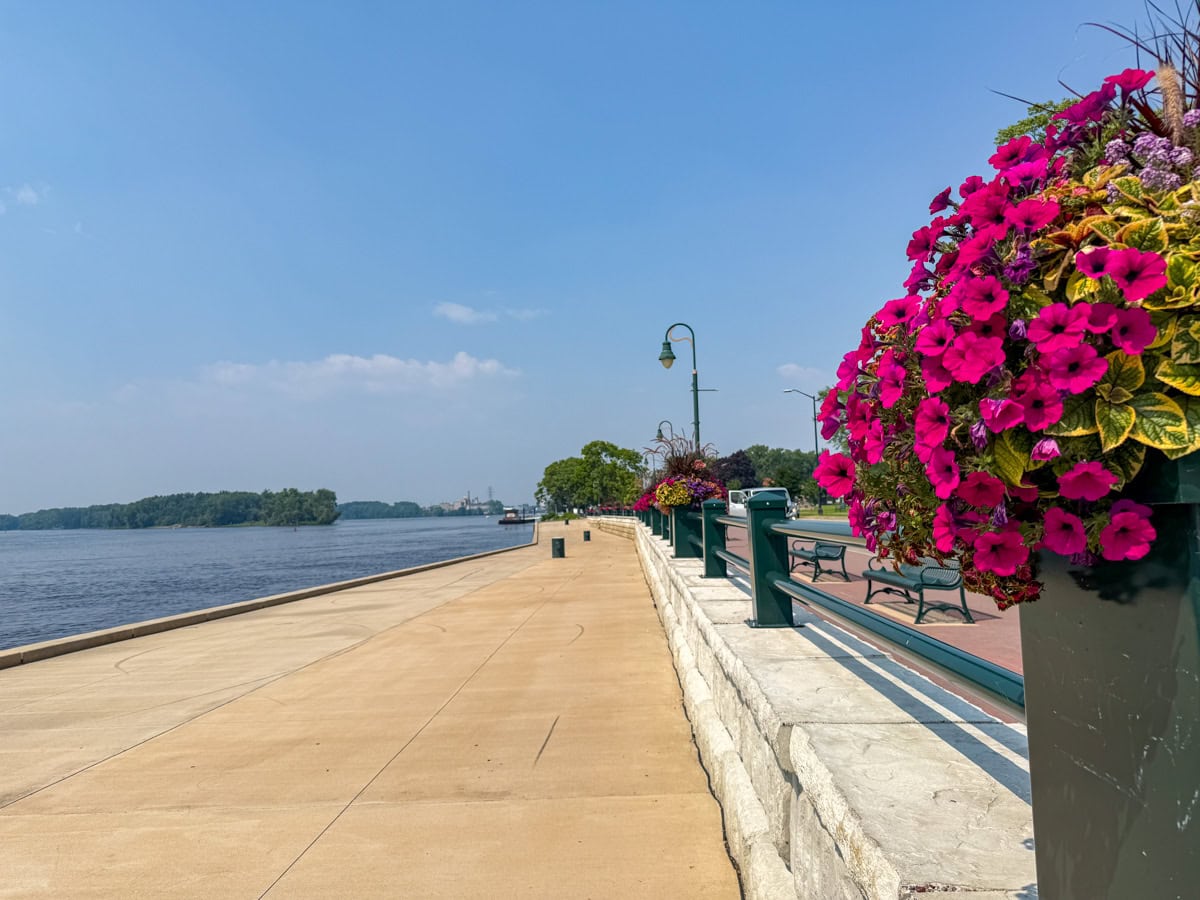
Riverside Park remains the city’s most significant public space, encompassing roughly 30 acres of prime riverfront property. This area acts as the primary venue for La Crosse’s civic life. The park’s development has been a multi-decade project, evolving from a simple riverbank access point into a sophisticated landscape featuring the 1930s Art Deco-style bandshell.
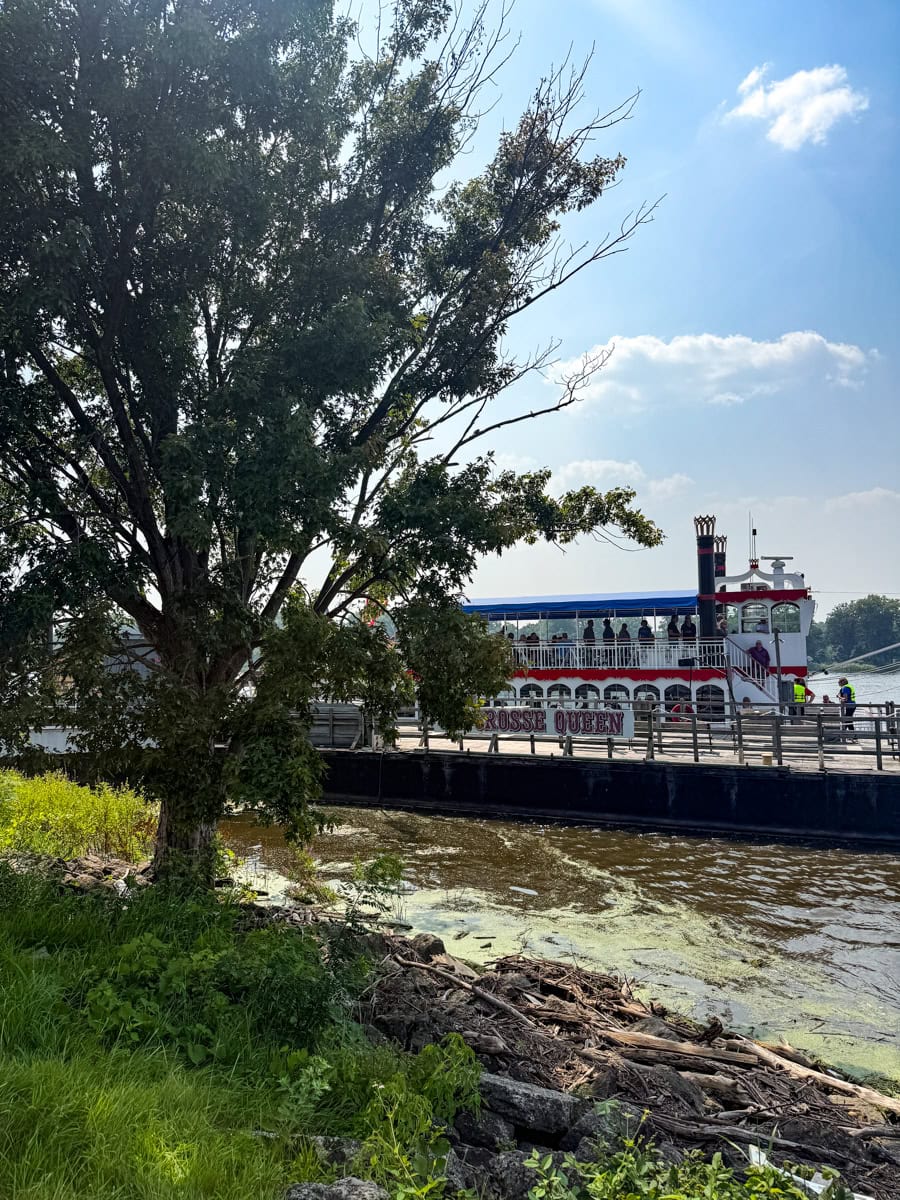
The park serves as a barometer for the city’s seasonal economy. During the summer, events like Riverfest attract thousands of visitors, providing a significant boost to local hospitality sectors. In the winter months, the site undergoes a transformation for the Rotary Lights display, an annual philanthropic event that has become a hallmark of regional tourism, drawing visitors from across the Midwest to witness a spectacle that includes a live nativity scene and ice skating facilities.
International Cultural Contributions
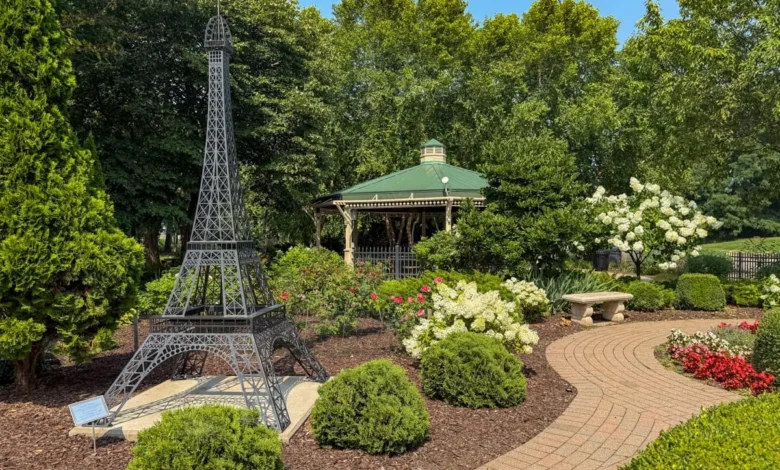
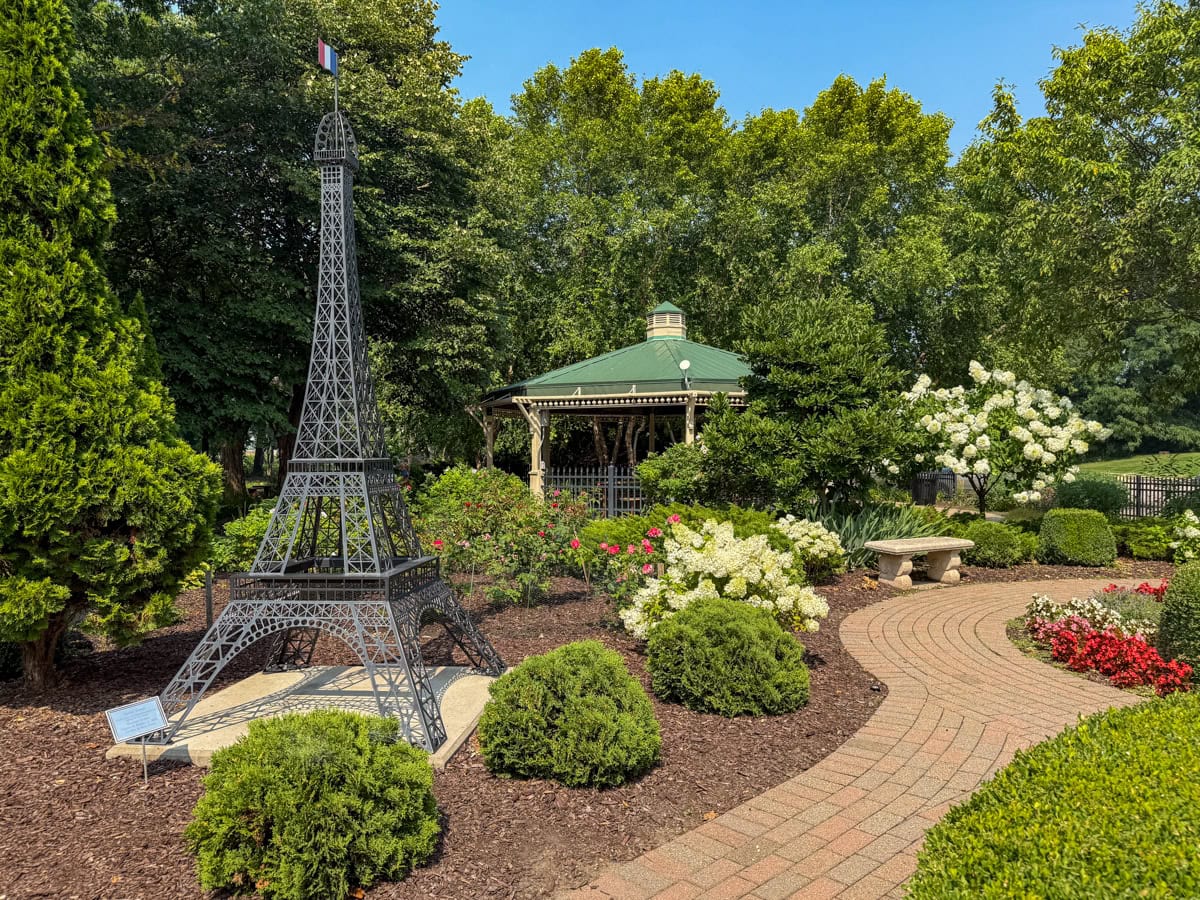
The International Friendship Gardens within the park complex reflect La Crosse’s identity as a city with deep global connections. By establishing formal sister-city relationships with locales in France, China, Germany, Russia, Norway, Ireland, and Cameroon, the city has created a botanical tribute to international cooperation. These gardens serve not only as aesthetic assets but as educational tools that highlight the diverse cultural heritage of the Midwestern United States.
Outdoor Infrastructure and Economic Impact
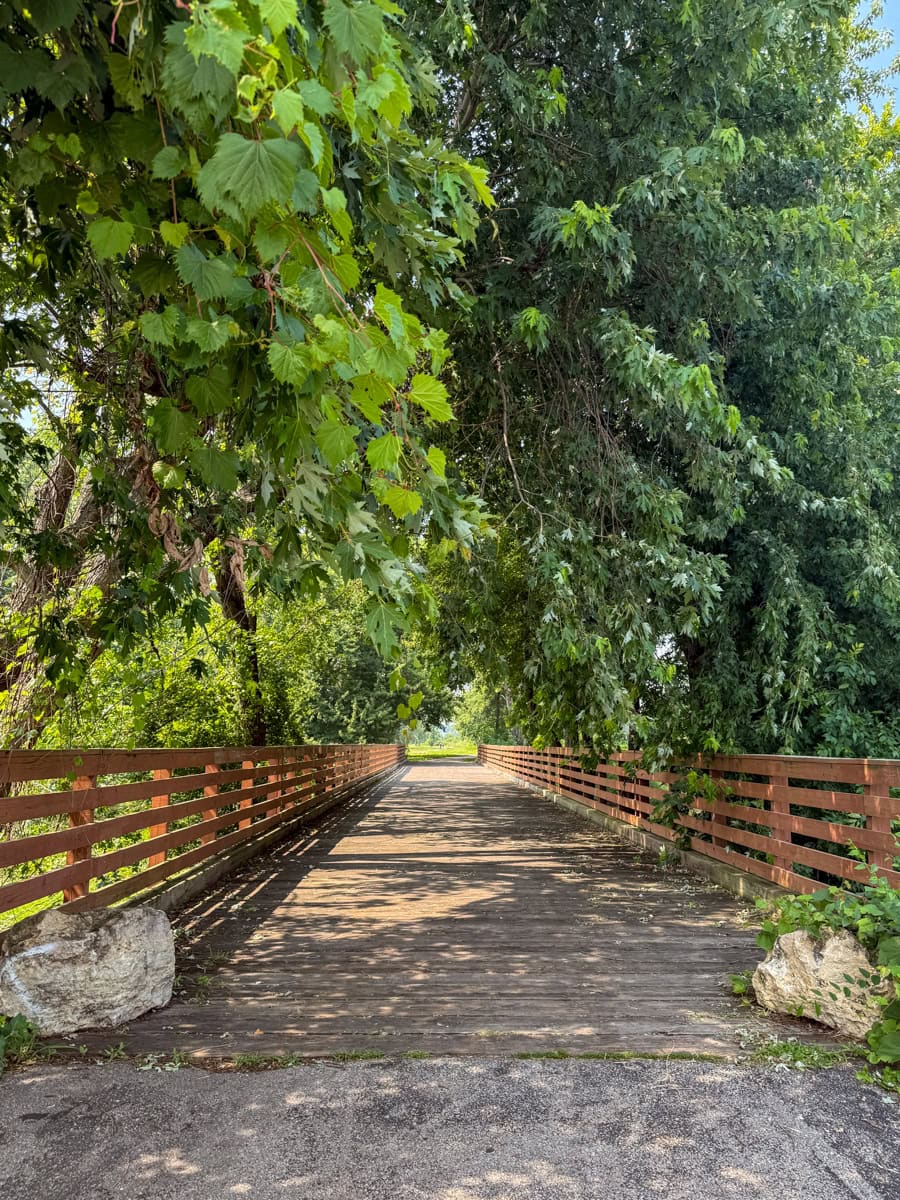
La Crosse’s geography—defined by the imposing bluffs and the extensive river marsh system—dictates its outdoor recreation strategy. The city has invested heavily in trail connectivity, including the Marsh Trail boardwalk, which provides accessibility to the La Crosse River Marsh, a critical ecosystem.
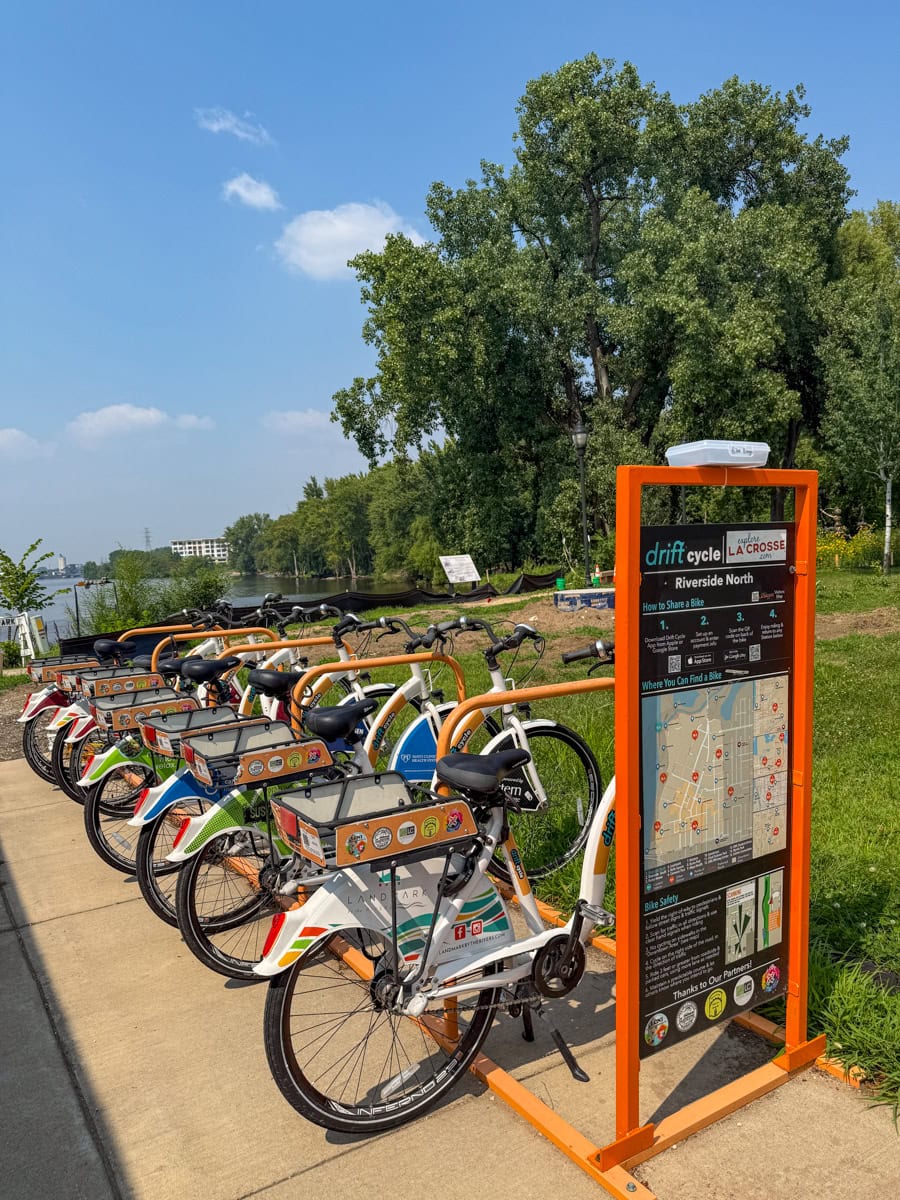
The economic implications of this investment are measurable. The promotion of the Great River State Trail and the integration of bike-share programs like Drift La Crosse have bolstered the city’s reputation as a cycling destination. Data from the local tourism board suggests that outdoor recreation is a primary driver for repeat visitation, with the bluffs, particularly Grandad Bluff, serving as a landmark destination. Standing at over 590 feet above the city, the bluff offers panoramic views that have been protected through local land conservation efforts, ensuring that the visual identity of the city remains intact for future generations.
Cultural Institutions and Institutional Support
The city supports a robust network of cultural institutions that serve both the academic population—anchored by the University of Wisconsin-La Crosse—and the general public.
- The Pump House Regional Arts Center: Beyond its role as an arts venue, it represents a successful model of adaptive reuse, turning a former water works into a three-gallery exhibition space.
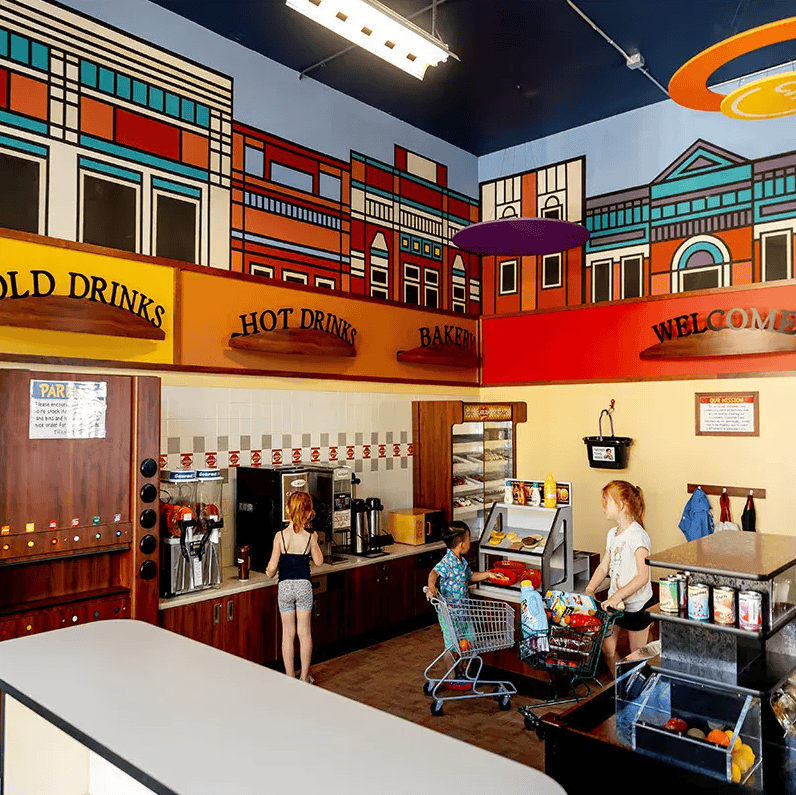
- Children’s Museum of La Crosse: This institution focuses on experiential learning for children under 10. By emphasizing interactive exhibits such as the "Mighty Mississippi" water play zone, the museum supports regional educational initiatives and provides essential family-oriented amenities.
- Dahl Auto Museum: This museum provides a specific look at the intersection of local entrepreneurship and American industrial history. Operated by one of the oldest family-owned Ford dealerships in the United States, the museum chronicles the evolution of the automobile industry, serving as a niche tourist attraction.
Religious and Architectural Significance
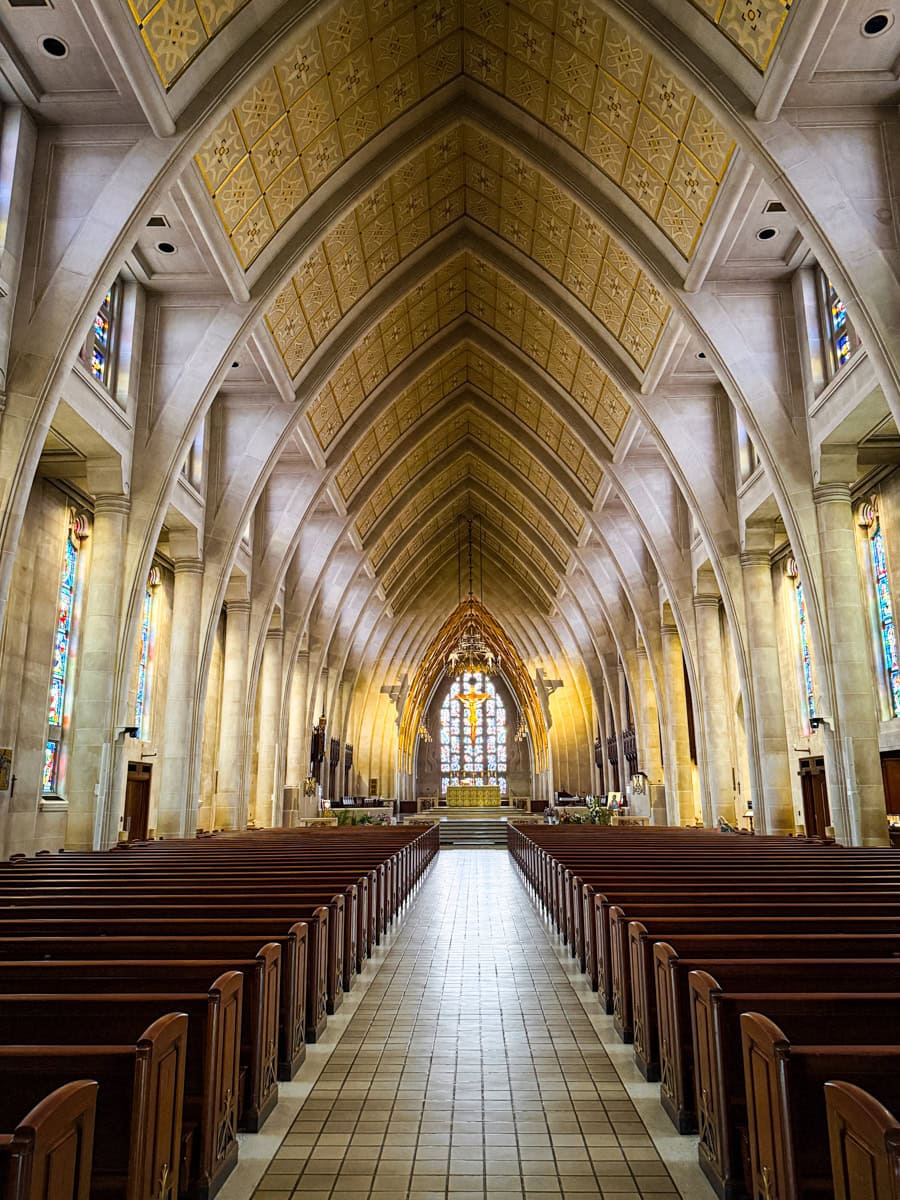
The Cathedral of Saint Joseph the Workman provides a contrasting architectural narrative to the Victorian downtown. Completed in 1962, the Gothic Revival structure is constructed of local limestone, anchoring the city’s religious and historical heritage. The cathedral, along with other historic sites, is frequently highlighted in guided tour programs, which contribute to the city’s heritage tourism sector.
Hospitality and Culinary Trends
The hospitality sector in La Crosse is heavily influenced by its proximity to the river. The presence of established hotel chains, such as the Radisson Hotel La Crosse, in close proximity to Riverside Park, reflects a deliberate urban planning strategy to concentrate tourist infrastructure in walkable, high-traffic areas.
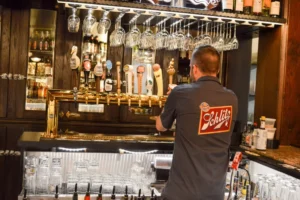
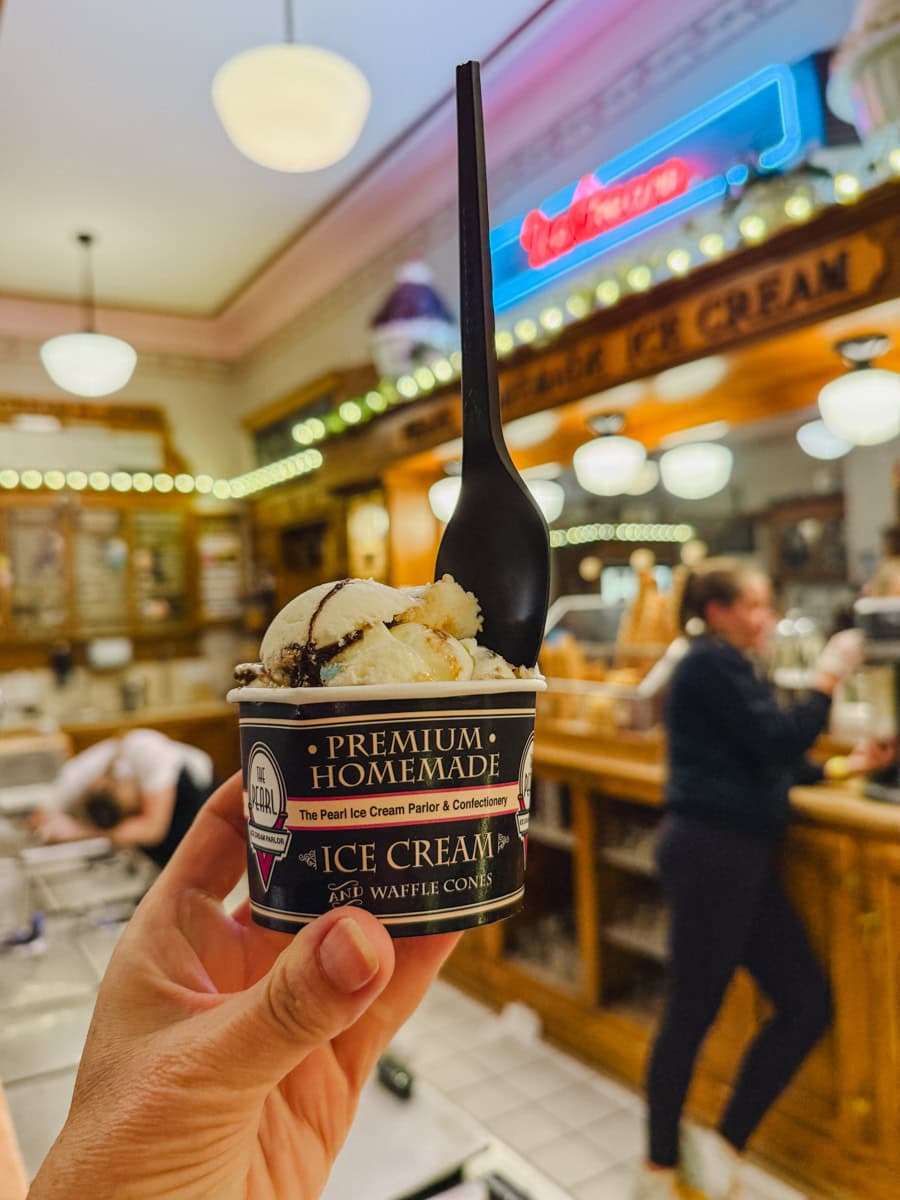
The culinary scene has also evolved to meet the demands of a modern workforce and tourist base. Establishments like the Pearl Ice Cream Parlor capitalize on nostalgia, while the growing concentration of craft breweries—such as Turtle Stack Brewery—leverages Wisconsin’s historical association with the brewing industry. The success of these businesses is often linked to the city’s "small-town vibe," which remains a central component of its marketing strategy to attract visitors from larger metropolitan areas like Minneapolis and Chicago.

Future Outlook and Strategic Implications
La Crosse faces the ongoing challenge of balancing modernization with the preservation of its historical and natural assets. As urban development continues, the city’s leadership has prioritized the maintenance of the riverfront and the surrounding bluff lands.
The long-term impact of these efforts is a stable tourism industry that functions independently of, yet in tandem with, the city’s educational and healthcare sectors. By continuing to invest in public-private partnerships, such as the Rotary Lights initiative and the development of bike-share infrastructure, La Crosse maintains its competitive advantage as a premier stop along the Great River Road.

For the prospective traveler, La Crosse offers a unique combination of accessibility and authenticity. Whether navigating the downtown historic district, participating in seasonal festivals, or exploring the geological wonders of the Mississippi River Valley, visitors encounter a city that is both deeply rooted in its past and actively engaged in defining its future. As the city continues to expand its offerings, the preservation of its small-city charm remains the primary objective, ensuring that La Crosse remains a vital and scenic component of the American Midwest.