As the autumn season descends across the United States, hospitality venues from Nevada to the District of Columbia are embracing the spirit of Halloween through curated beverage programs. These seasonal offerings, ranging from theatrically presented tiki-style drinks to sophisticated autumnal riffs on classic cocktails, reflect a growing trend in the hospitality industry: the synthesis of regional culinary heritage with holiday-themed experiential marketing. This collection of ten recipes provides a cross-section of how professional mixologists integrate local ingredients, cultural lore, and thematic presentation to capitalize on the increasing consumer demand for "spooky season" beverage experiences.
The Evolution of Seasonal Mixology
The tradition of "spooky" cocktails has evolved from simple punch bowls to complex, multi-sensory experiences. Modern mixology now emphasizes the importance of visual aesthetics—often referred to as "the look of the drink"—which serves to enhance the patron’s engagement with the venue. Industry data suggests that seasonal menu limited-time offers (LTOs) can increase beverage revenue by as much as 15% during the months of September and October. By leveraging regional motifs, such as the history of the El Camino Real trail or the folklore of the Headless Horseman, establishments are creating narrative-driven drinking experiences that resonate with both local residents and tourists.
1. The One-Eyed Willy: A Pirate-Themed Spectacle
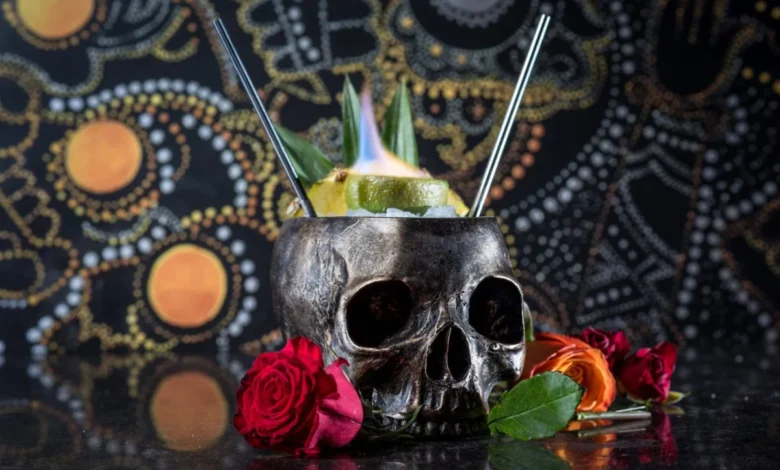
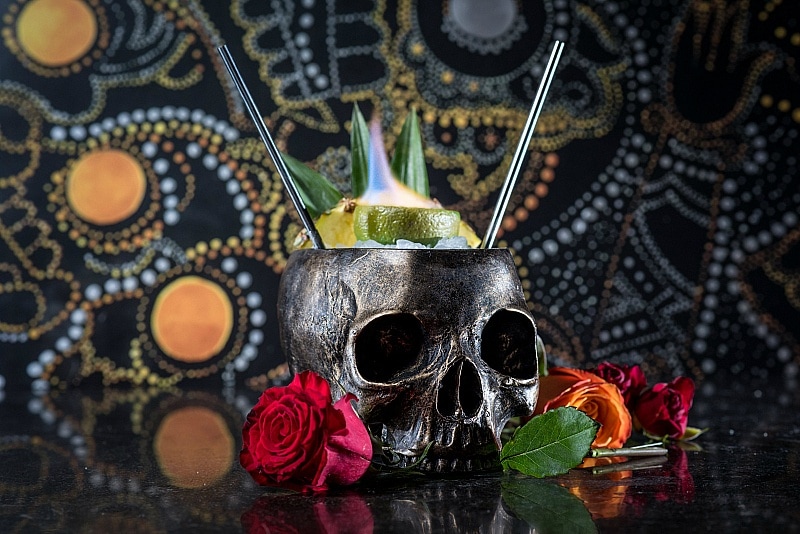
At the Borracha Mexican Cantina within the Green Valley Ranch Resort & Spa in Henderson, Nevada, the "One-Eyed Willy" cocktail serves as a primary example of thematic immersion. Designed by mixologist Mike Monrreal, the drink pays homage to the 1985 cult classic film The Goonies. The presentation—served in a skull-shaped glass and ignited with 151-proof rum—is specifically crafted for the resort’s Day of the Dead-themed bar environment. The inclusion of flammable elements is a calculated choice intended to drive social media engagement, a critical component of modern restaurant marketing.

2. The Spiked Tootsie: Historical Context in Santa Fe
In Santa Fe, New Mexico, the Coyote Cafe draws upon the city’s deep historical connection to the tequila trade. Historically, Santa Fe served as the terminal point for the El Camino Real de Tierra Adentro, the primary route for trade from Mexico to the Spanish colonial outposts. The "Spiked Tootsie" cocktail, created by owner John Quinn, utilizes coffee liqueur and orange juice to replicate the flavor profile of a nostalgic candy treat. By anchoring the cocktail in local history, the venue elevates a standard dessert drink into a regional narrative piece.
3. The Candy Corn Martini: Modernizing Tradition
The Social Kitchen + Bar at The Sage Hotel in Santa Fe utilizes a layered, tri-colored approach to recreate the visual essence of candy corn. This cocktail—composed of grenadine, vodka, sour mix, and pineapple juice—is a technical exercise in density-based layering. The drink demonstrates how mixologists use basic bar chemistry to achieve visual effects that align with consumer expectations for Halloween-themed products.

4. The Sleepy Hollow: Folklore and Seasonal Ingredients
Local Chop and Grill House in Harrisonburg, Virginia, utilizes the legend of the Headless Horseman to inform its "Sleepy Hollow" cocktail. Head Bartender Marti Cassinerio emphasizes the use of seasonal, locally sourced ingredients, which aligns with the broader farm-to-table movement currently prevalent in Virginia’s culinary scene. The use of a cocktail atomizer to spray Angostura bitters through a leaf-shaped stencil onto the foam is an example of the precision-based garnish techniques that define high-end craft cocktail programs.
5. Midori Lemon Gin Fizz: The Aesthetic of "Alien Green"
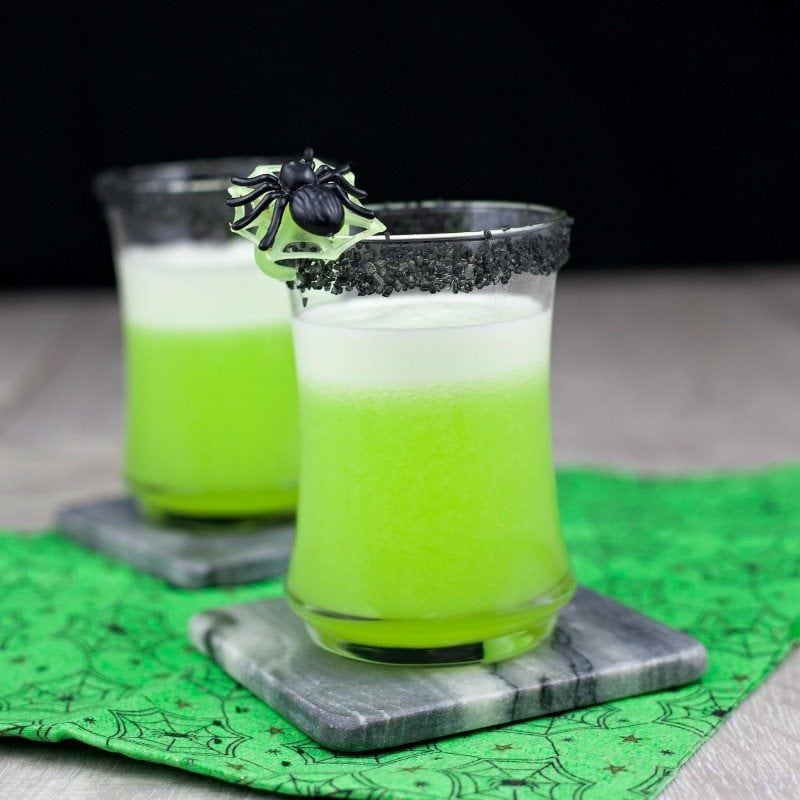
The Dell Cove Spice Co. in Chicago, Illinois, provides a template for high-impact visual presentation with its "Midori Lemon Gin Fizz." By incorporating a black salted rim and a plastic spider ring, the cocktail targets the novelty market. The use of egg white, a classic component in a traditional gin fizz, provides the necessary texture to support the "alien green" color profile, demonstrating that thematic drinks do not have to sacrifice technical quality for visual flair.

6. Cider Sangria: Leveraging Regional Agriculture
Adams County, Pennsylvania, is home to one of the most significant apple-growing regions in the United States. The "Cider Sangria" served at One Lincoln within the Gettysburg Hotel highlights the strategic use of local agricultural products. By using hard apple cider as the base, the venue promotes local producers while offering a seasonal variant on a classic Spanish beverage. This approach is highly effective for regional branding and has become a staple for hospitality venues located in apple-producing corridors during the harvest season.
7. Rye Bar Smoked Coffee: Warmth and Atmosphere
The Rye Bar at the Rosewood Hotel in Washington, D.C., focuses on the sensory experience of warmth and smokiness. The "Smoked Coffee" cocktail, served while overlooking the C&O Canal, is designed to cater to the upscale traveler. The garnish of dark, spicy chili chocolate shavings provides a sophisticated complexity that contrasts with the traditional sweetness associated with many Halloween-themed beverages.

8. Fall in the 305: Cultural Synthesis
Spencer Taliaferro of the LILT Lounge at Kimpton’s EPIC Hotel in Miami, Florida, faces the unique challenge of creating an autumnal experience in a tropical climate. "Fall in the 305" is a tribute to the seasonal transitions of the Northeast, adapted for the South Florida palate. The recipe, which utilizes a spiced apple chip garnish, is an example of "memory-based" mixology, where the drink is designed to evoke a specific emotional state associated with a season that does not naturally occur in the local geography.
9. Maple Trea: The Smoky Scotch Influence
At Zingerman’s Roadhouse in Ann Arbor, Michigan, the "Maple Trea" cocktail focuses on the quality of local ingredients. By utilizing maple syrup from Snow’s Sugarbush and a Scotch base, the cocktail mimics the aroma of burning autumn leaves. This drink represents the trend of "terroir-focused" mixology, where the origin of the ingredients is as critical as the recipe itself.
10. Pumpkin Spice Latte Cocktail: The Coffeehouse Evolution
Greg Janacek of Over Easy in Colorado Springs, Colorado, has translated the ubiquitous pumpkin spice trend into a cocktail format. By rimming the glass with crushed graham crackers, the venue mimics the texture of a pie crust, bridging the gap between pastry arts and mixology. This cocktail illustrates the industry’s ability to adapt popular consumer trends—such as the seasonal coffeehouse phenomenon—into high-margin alcoholic beverages.
The Broader Impact on Hospitality
The proliferation of these travel-inspired cocktails is indicative of a broader shift in the hospitality industry toward "experiential consumption." Consumers are increasingly seeking out venues that offer more than just a product; they are looking for a story, a sense of place, and a shared cultural experience.

From an economic perspective, the creation of these specialized menus allows venues to optimize their inventory by utilizing seasonal produce, such as apples and pumpkins, during their peak harvest times when costs are lower and quality is at its zenith. Furthermore, these recipes encourage home bartenders to replicate the experience, which sustains brand visibility for the restaurants and hotels long after the guest has departed.
As Halloween continues to expand from a single-day event into a month-long seasonal celebration, the role of the craft cocktail becomes increasingly central to the festivities. These ten examples serve as a testament to the creativity of the American bartending community, proving that even the most fleeting holiday can be elevated through professional technique, historical context, and an unwavering commitment to seasonal storytelling. For the modern traveler and the local diner alike, these cocktails provide a liquid map of the American autumn, inviting them to participate in a shared, nationwide celebration of flavor, lore, and innovation.