Berlin Christmas Markets: A Comprehensive Guide to the Capital’s Holiday Traditions

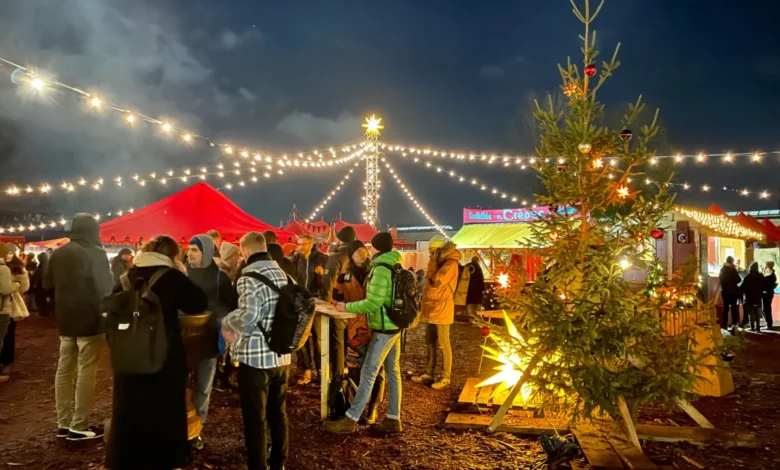
The holiday season in Berlin transforms the German capital into a sprawling constellation of light, culture, and community, characterized by the presence of over 70 distinct Christmas markets, or Weihnachtsmarkte. Unlike cities with a singular, centralized hub for holiday festivities, Berlin’s decentralized urban planning has fostered a diverse ecosystem of markets, ranging from historic, traditional town squares to avant-garde, neighborhood-specific winter festivals. As of the 2024-2025 season, these markets have solidified their status as essential economic and social drivers for the city, attracting millions of visitors and supporting local artisans, small-scale producers, and the regional hospitality industry.
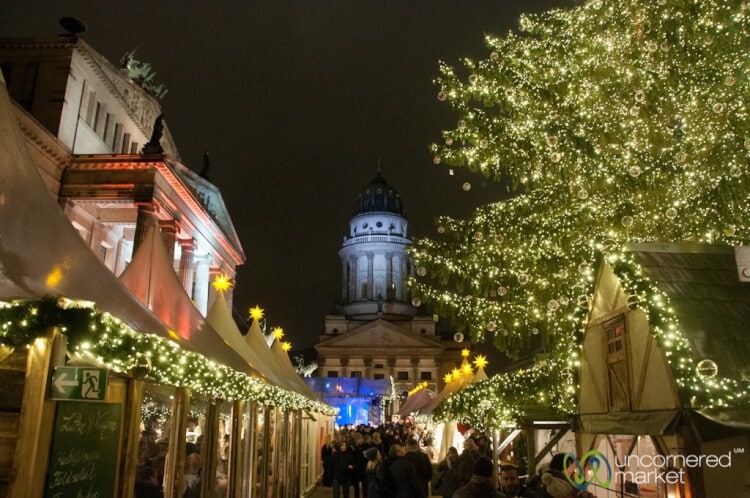
The historical evolution of these markets in Berlin differs significantly from southern German counterparts like Nuremberg or Dresden, which have centuries of established, monolithic market traditions. Berlin’s market culture is inherently modern, reflecting the city’s fragmented history and its post-reunification expansion. In the decades following the fall of the Berlin Wall, the proliferation of these seasonal events became a mechanism for neighborhood revitalization and community building. Data from city tourism bureaus indicates that during the peak Advent season, the economic impact of these markets is substantial, with millions of euros generated through retail, food, and beverage sales, as well as associated tourism expenditures.
A Chronology of the Season
The Berlin Christmas market season typically commences in late November, often aligning with the Sunday of Totensonntag, a solemn German holiday. For the 2024-2025 period, the primary markets opened on November 25, 2024, with operations extending through the final days of December or, in some instances, into the first week of January. This extended schedule is a strategic shift designed to capitalize on post-Christmas tourism, catering to international travelers who visit the city between the holidays.

The daily operational rhythm of these markets is dictated by the city’s geography and the early onset of winter darkness. With the sun setting before 4:00 PM throughout December, the illuminated stalls—often adorned with traditional lighting and seasonal decor—serve as a vital source of urban illumination. This shift in light has become a key component of the city’s winter branding, drawing both residents and visitors into public spaces during otherwise bleak, low-light periods.
Key Market Archetypes
The diverse array of markets can be categorized into three primary archetypes: the traditional historical market, the international-themed festival, and the local neighborhood gathering.

The WeihnachtsZauber at Gendarmenmarkt remains the city’s most iconic, historically-aligned market. Located in one of Berlin’s most architecturally significant squares, it emphasizes high-quality craftsmanship and traditional culinary offerings, such as bratwurst, roasted almonds, and feuerzangenbowle. Its reputation for curated, upscale vendors distinguishes it from the more commercialized, city-center markets. The decision by organizers to implement a nominal entry fee reflects a shift toward quality-controlled environments, which has been praised by urban planners for maintaining crowd control and ensuring the preservation of the square’s historical integrity.
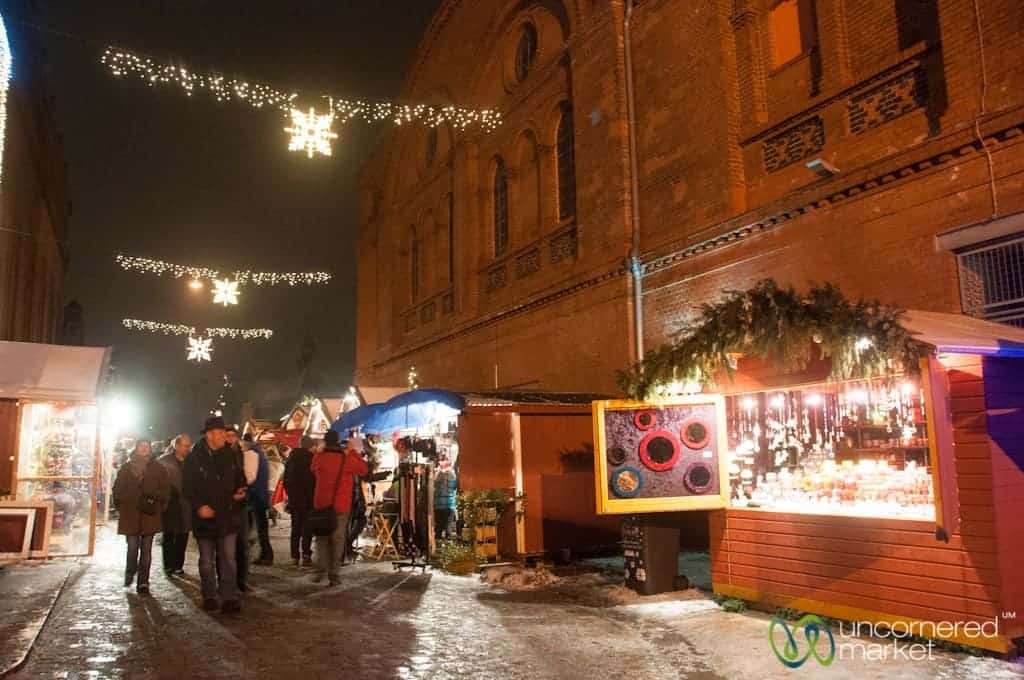
In contrast, the Lucia Christmas Market at the Kulturbrauerei in Prenzlauer Berg represents the international segment. By focusing on Nordic and Scandinavian traditions—including Swedish glögg, reindeer sausages, and Finnish-inspired handicrafts—the market provides a unique cultural niche that reflects Berlin’s cosmopolitan demographics. Housed within the former 19th-century brewery complex, it leverages industrial architecture to create an intimate, enclosed atmosphere that contrasts with the open-air nature of larger squares.

Local and neighborhood-centric markets, such as the Alt-Rixdorfer market in Neukölln, emphasize community engagement. These markets are often operated by local schools, charities, and community associations. The revenue generated is frequently earmarked for social programs, effectively turning the market into a year-end fundraising vehicle. This model has been lauded by local municipal councils for fostering social cohesion in neighborhoods that have undergone significant demographic changes.
Economic and Social Implications
The rise of specialized, shorter-run markets—such as the medieval-themed market at the RAW Cultural Center—highlights the changing consumer behavior of modern Berliners. These markets prioritize experiential retail, where the process of shopping is secondary to the experience of atmosphere, historical reenactment, and artisanal interaction. This trend has forced more traditional market operators to innovate, leading to the introduction of sustainable, locally sourced food options and an increased emphasis on zero-waste packaging.

From a regulatory perspective, the administration of these 70+ markets involves significant coordination between the Berlin Senate, district offices, and private organizers. Security protocols have become increasingly standardized in recent years, with city officials working closely with law enforcement to manage the large crowds that congregate at major sites like Charlottenburg Palace and the central Alexanderplatz markets. Despite these logistical complexities, the city government views the markets as a net positive, providing a significant boost to the local economy during the winter slump.
Strategic Recommendations for Visitors
For those planning to traverse the capital’s holiday landscape, it is essential to distinguish between the seasonal long-term markets and the short-term weekend events. Visitors seeking a traditional experience should prioritize the Gendarmenmarkt and the Schloss Charlottenburg market. Those interested in the city’s alternative, artistic spirit are better served by the Heissa Holzmarkt or the medieval displays at the RAW grounds.
Travelers should also note the importance of regional travel in the context of the Christmas season. The Potsdam Christmas Market, accessible via a short regional train ride, offers an alternative to the Berlin metropolitan density. By utilizing the UNESCO World Heritage sites of the Sanssouci Palace as a backdrop, the Potsdam market demonstrates the synergy between cultural tourism and holiday tradition.
Broader Impact and Future Outlook
As Berlin continues to grow as a global tourist destination, the Christmas market sector faces the dual challenge of balancing mass-market commercialization with the preservation of local, authentic character. The increasing reliance on online booking for tours and experiences, as facilitated by platforms like Get Your Guide, has streamlined the visitor experience but has also increased the pressure on infrastructure.

Looking forward, the evolution of Berlin’s markets will likely mirror the city’s broader commitment to sustainability. Discussions are currently underway regarding the transition of these markets to renewable energy sources for lighting and heating, as well as the implementation of circular economy models for the millions of mugs used for mulled wine each year. By maintaining the delicate balance between historical reverence and forward-looking urban development, Berlin’s Christmas markets are set to remain a pillar of the city’s cultural and economic life for the foreseeable future.