Tap Water vs. Bottled Water Abroad: Where It’s Safe to Skip the Plastic

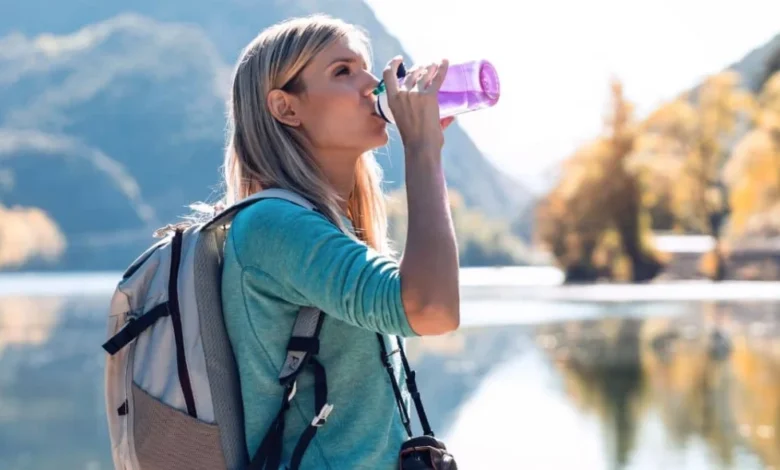
Navigating the timeless traveler’s dilemma—staring down a plastic bottle at a local kiosk versus gambling on the local tap water—has long forced tourists to weigh personal health against global environmental stewardship. The allure of a factory-sealed bottle offers immediate peace of mind, shielding the traveler from microscopic pathogens that can quickly derail an itinerary with debilitating illnesses such as E. coli or Giardiasis. Yet, this localized convenience comes with a staggering global toll. Every single-use plastic bottle purchased contributes to an escalating planetary waste crisis, leaving indelible scars on pristine natural landscapes and overtaxing municipal waste management systems abroad.
To bridge the gap between maintaining personal health and upholding ecological responsibility, travelers increasingly require a nuanced understanding of international water safety. By analyzing regional infrastructure, public health standards, and modern purification technologies, globetrotters can forge a reliable water strategy that bypasses single-use plastics altogether.

The Global Water Divide: Understanding Health Risks and Infrastructure
The fundamental hazard of drinking tap water abroad rarely stems from the liquid being fundamentally dirty or foul; rather, it is a matter of regional acclimatization and municipal treatment standards. Human microbiomes adapt intimately to local environments. Water that poses zero threat to a lifelong resident of Bangkok or Lima can introduce unfamiliar bacteria, viruses, and parasites to a visitor from London or Chicago.
Public health experts emphasize that even crystal-clear water can harbor invisible microorganisms capable of causing traveler’s diarrhea, campylobacteriosis, hepatitis A, and typhoid fever. These risks are primarily driven by variations in local infrastructure. Aging municipal pipe networks, inconsistent water treatment protocols, and agricultural runoff frequently compromise the safety of tap systems in developing regions. Consequently, health authorities emphasize that caution must extend beyond beverages. Travelers are routinely advised to avoid ice cubes—which are typically frozen using local tap water—refrain from consuming raw salads and unpeeled fruits washed in untreated water, and even use bottled or purified water for brushing their teeth.
Geographic Breakdown: Where Tap Water Is Safe and Where to Exercise Caution
International health organizations, including the Centers for Disease Control and Prevention (CDC) and the World Health Organization (WHO), maintain comprehensive guidelines regarding potable municipal water supplies across the globe. Understanding these regional delineations allows conscientious travelers to pack accordingly.

Destinations with Potable Tap Water Systems
In extensive parts of the developed world, municipal water treatment plants adhere to rigorous safety standards that equal or exceed domestic standards in the United States and Canada. Travelers can confidently skip bottled water and refill reusable containers directly from the tap in the following regions:
- North America: Canada, United States.
- Europe: Andorra, Austria, Belgium, Czech Republic, Denmark, Finland, France, Germany, Greece, Greenland, Iceland, Ireland, Italy, Liechtenstein, Luxembourg, Malta, Monaco, Netherlands, Norway, Poland, Portugal, San Marino, Slovenia, Spain, Sweden, Switzerland, United Kingdom, and Vatican City.
- Asia: Brunei, Hong Kong, Israel, Japan, Singapore, and South Korea.
- Oceania: Australia and New Zealand.
Regions Requiring Alternative Water Strategies
Conversely, travelers must exercise heightened vigilance across large swathes of the globe where infrastructure limitations hinder potable water delivery. While conditions frequently vary between modernized urban centers and rural provinces, general consensus dictates that visitors should utilize alternative purification methods or factory-sealed bottled water in the following areas:
- North America: Mexico.
- Africa: Egypt, Morocco, Nigeria, and Kenya.
- Asia: China, India, Indonesia, Thailand, Vietnam, and Cambodia.
- Central America: Belize, Guatemala, Honduras, and Nicaragua.
- South America: Brazil, Colombia, Peru, Bolivia, and Ecuador.
Modern Technological Solutions for Sustainable Hydration
For travelers visiting regions with questionable water quality, relying on single-use plastics is no longer the only viable option. Advances in portable water treatment technology have introduced lightweight, highly effective alternatives that empower tourists to purify local water sources on demand.

Thermal Sterilization (Boiling)
Boiling remains the gold standard for eliminating all classes of waterborne pathogens, including resilient viruses and parasites. Bringing water to a rolling boil for a minimum of one minute—or three minutes at elevations exceeding 6,500 feet—effectively neutralizes biological threats. While universally reliable, boiling requires access to a heat source, consumes time, and fails to remove heavy metals or particulate sediment.
Mechanical Filtration Systems
Portable microfilters and ultrafilters utilize physical barriers to strain out bacteria and protozoa. Travelers should look for filters boasting an "absolute" pore size rating of 0.1 to 0.2 microns. These devices are user-friendly, preserve the natural taste of the water, and require no power source. However, standard microfilters generally do not capture microscopic viruses, necessitating a combination method in regions where viral contamination is prevalent.
Ultraviolet (UV) Light Purifiers
High-tech UV sterilizers leverage ultraviolet radiation to disrupt the DNA of bacteria, viruses, and cysts, rendering them incapable of reproduction. These pocket-sized electronic wands can treat a liter of water in under 90 seconds without altering its chemical composition or flavor. Their primary limitation is optical clarity; UV light cannot penetrate murky water effectively, meaning sediment must be pre-filtered before treatment.

Chemical Disinfection
Chemical tablets utilizing chlorine dioxide, iodine, or chlorine offer an exceptionally lightweight and inexpensive method for disinfecting water. While highly effective against most bacteria and viruses, chemical treatments require adequate reaction time—often up to 30 minutes—and can leave an undesirable chemical aftertaste. Furthermore, certain resistant parasites like Cryptosporidium may survive chemical disinfection unless combined with filtration.
The Broader Environmental Crisis of Single-Use Plastics
The decision to bypass bottled water carries profound environmental implications that stretch far beyond individual convenience. Global waste management statistics highlight an escalating crisis: on a global scale, a mere 9% of all plastic waste is successfully recycled, while an estimated 22% is improperly managed, ending up in illegal dumpsites, waterways, and natural ecosystems.
In industrialized nations, the consumption footprint remains extraordinarily high. Citizens in countries such as the United States generate an average of approximately 290 pounds of plastic waste annually. The lifecycle of a single-use plastic water bottle is inherently unsustainable. From its initial extraction as a fossil fuel feedstock to the energy-intensive manufacturing process and subsequent transport emissions, the product serves a functional lifespan of mere minutes. Once discarded, these plastics persist in landfills for centuries or fragment into microplastics that infiltrate marine environments and food chains, threatening global biodiversity.

Environmental economists and conservationists emphasize that systemic shifts in tourist behavior can exert substantial pressure on local tourism economies. Destinations heavily reliant on nature tourism—such as coral reef ecosystems in Southeast Asia or fragile mountain environments in South America—face severe ecological degradation driven largely by discarded plastic debris. By adopting reusable water bottles equipped with advanced filtration and purification accessories, international travelers actively reduce their personal carbon footprints and signal a market demand for sustainable municipal infrastructure.
Conclusion: Crafting a Comprehensive Pre-Trip Water Plan
Mitigating health risks while simultaneously reducing environmental impact requires deliberate preparation. Industry experts recommend integrating a formal "water plan" into every pre-trip checklist, treating water security with the same priority as flight bookings, visa acquisitions, and accommodation reservations.
Prior to departure, travelers should research the specific municipal water quality of their destination, assess the availability of refill stations, and invest in a durable, insulated stainless steel or titanium water bottle paired with a suitable field-purification system. This proactive approach not only safeguards personal well-being against the disruptions of waterborne illness but also transforms the traveler into an active participant in global sustainability efforts. Ultimately, skipping the plastic bottle abroad proves that responsible tourism is not about sacrificing health or convenience, but rather about equipping oneself with the knowledge and tools to protect both body and planet.