The Evolution of Elite Tourism: How Mediterranean Luxury Villas Are Redefining Sustainability

The modern elite traveler has undergone a quiet yet profound transformation over the past decade. Historically, the concepts of environmental sustainability and high-end luxury tourism were viewed as mutually exclusive. Sustainability was frequently associated with budget accommodations, minimalist lifestyles, and a sense of "doing without" certain creature comforts. Today, that dichotomy has entirely dissolved. At the pinnacle of the global hospitality market, high-net-worth individuals are no longer merely seeking opulent aesthetics; they are conducting meticulous environmental audits of their prospective holiday destinations. When booking a multi-million-dollar Mediterranean villa, affluent guests now routinely interrogate property managers regarding energy grids, waste management protocols, and the carbon footprint of their food supply chains.
According to data compiled by high-end Mediterranean villa placement specialists such as Privadia, demand for genuinely sustainable luxury accommodations has climbed steadily on a year-over-year basis. This upward trajectory shows no signs of slowing down, signaling a permanent shift in consumer priorities across the travel sector. Industry analysts attribute this paradigm shift to a broader cultural awakening among affluent demographics, who increasingly view environmental stewardship not as a charitable chore, but as an essential component of modern luxury.
Unlikely Havens: The Green Roots of Glamorous Destinations
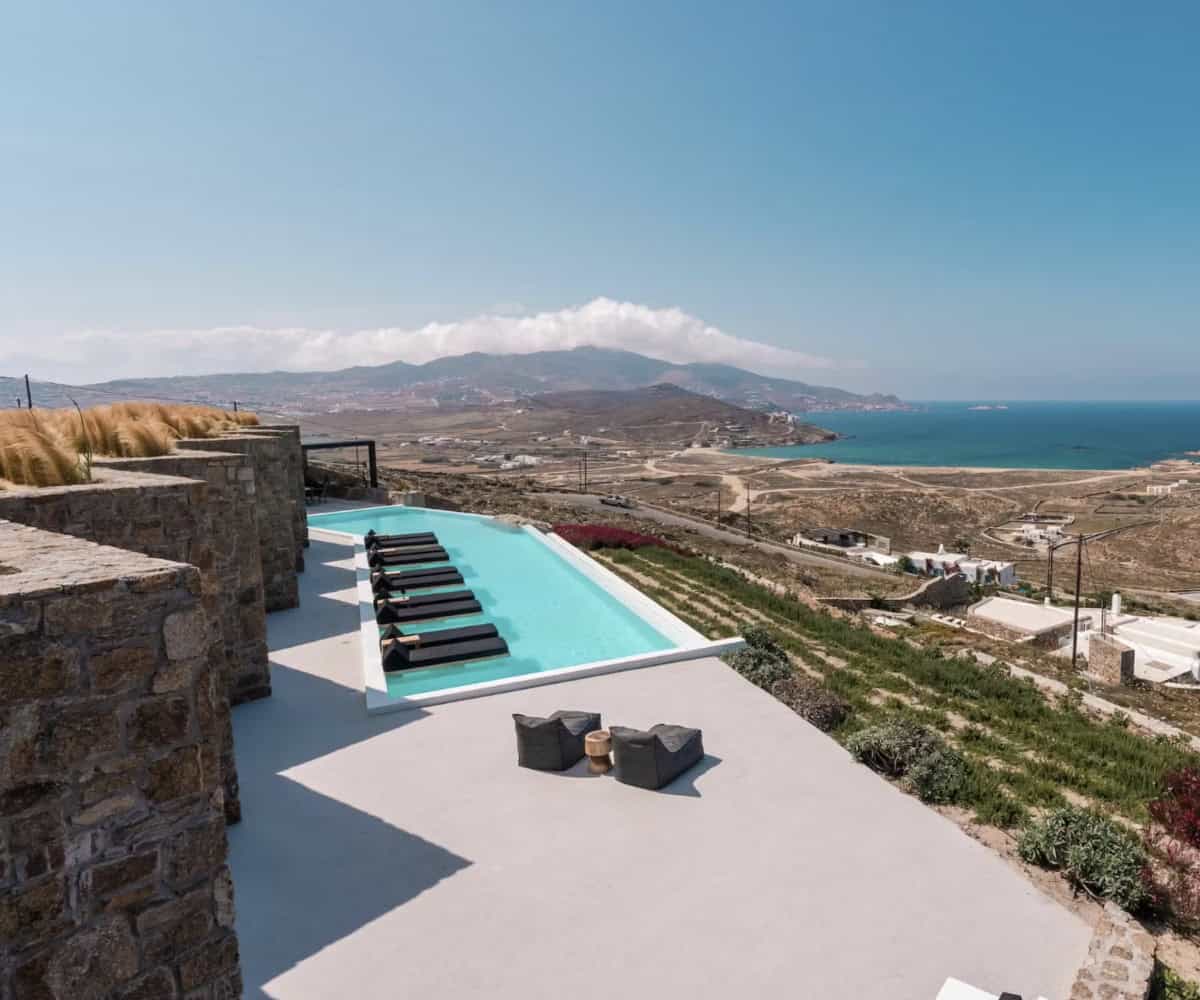
What makes this ecological pivot particularly compelling is where it is taking place. Several of the Mediterranean’s most glamorous islands and coastal retreats—legendary playgrounds long synonymous with high-octane nightlife, superyachts, and conspicuous consumption—are simultaneously harboring rich, rigorous conservation histories beneath their glittering surfaces. Destinations like Ibiza, Mallorca, Mykonos, and the Turkish resort town of Kalkan are challenging their own reputations, revealing a quieter, fiercely protected ecological side that conscientious travelers are eagerly seeking out.
Ibiza, globally renowned as the epicenter of electronic dance music and hedonistic beach clubs, serves as a primary example of a destination frequently misjudged by the public. Away from the flashing lights of Playa d’en Bossa, the marine environment surrounding the island is subject to stringent legal protections. The catalyst for this conservation effort is an extraordinary underwater organism: vast meadows of Posidonia oceanica seagrass that thrive between Ibiza and Formentera. Holding prestigious UNESCO World Heritage status, these ancient underwater prairies are the ecological lungs of the Balearics. They are directly responsible for the legendary, crystalline clarity of Ibiza’s coastal waters and provide vital breeding grounds for hundreds of marine species.
To safeguard these delicate ecosystems, local authorities enforce strict maritime regulations, prohibiting leisure vessels from dropping anchors directly onto the seagrass beds. Meanwhile, moving inland toward the island’s northern reaches near San Juan, the landscape shifts dramatically into an expanse of organic smallholdings and fertile farmland. A rapidly growing number of Ibiza’s premier fine-dining establishments now source their ingredients directly from these independent local growers, translating environmental protection into culinary excellence.
Mallorca: The Pioneer of Agroturism and Heritage Preservation
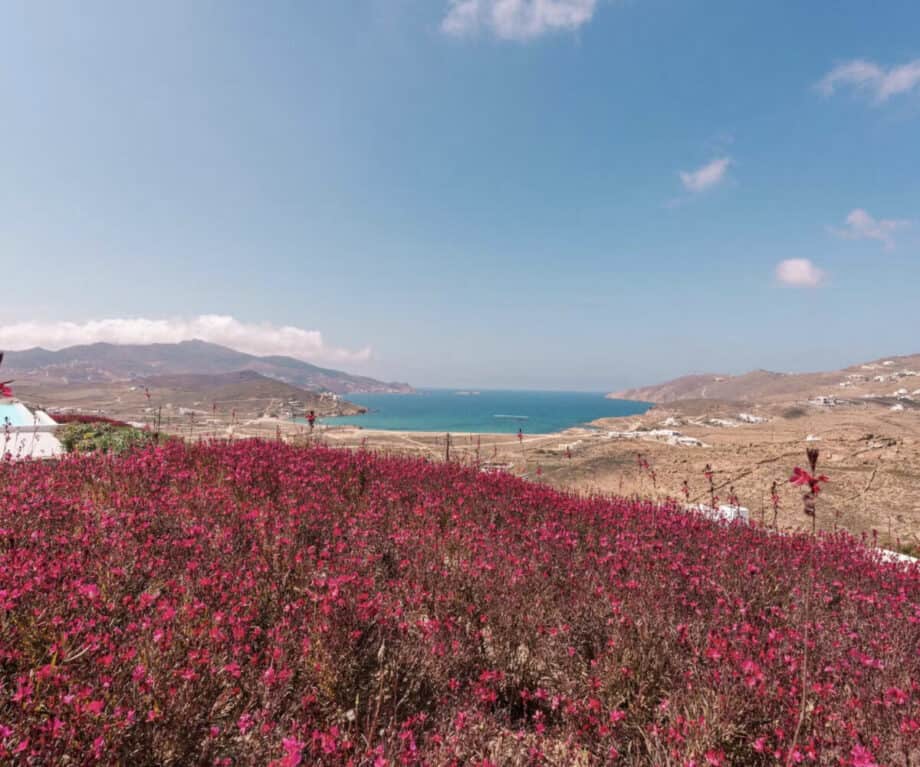
While Ibiza is rediscovering its agrarian roots, neighboring Mallorca has arguably led the Mediterranean charge in sustainable structural preservation for decades. The Balearic island effectively invented the concept of agroturism—the practice of rehabilitating historic rural estates, or fincas, transforming them into working agricultural sanctuaries and high-end retreats rather than allowing them to decay.
Venturing into Mallorca’s rugged Serra de Tramuntana mountain range reveals a UNESCO World Heritage landscape shaped entirely by human ingenuity and deep-rooted ecological harmony. For centuries, local populations have meticulously terraced the steep limestone slopes by hand, constructing miles of dry-stone walls that prevent erosion while cultivating ancient olive groves and terraced vineyards. On Mallorca, farm-to-table dining is not a marketing gimmick designed to appeal to eco-conscious tourists; it is simply the default mode of daily life. The olive oil gracing local dining tables is routinely pressed just miles from where the olives are harvested, ensuring a virtually nonexistent transportation footprint.
Mykonos: Engineering Sustainability in an Arid Landscape
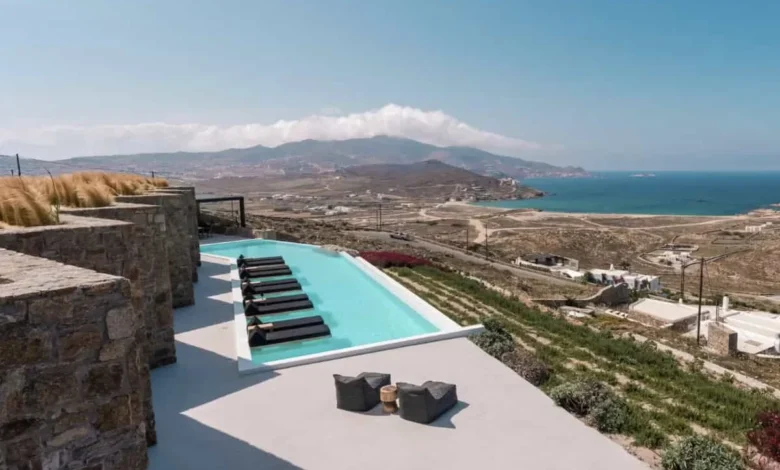
In contrast to the sprawling agricultural interior of Mallorca, Mykonos wears its glamour openly, characterized by whitewashed cubist architecture, high-end boutiques, and vibrant beach clubs. Yet beneath this cosmopolitan veneer, the Cycladic islands must contend with a stark geographical reality: severe freshwater scarcity.
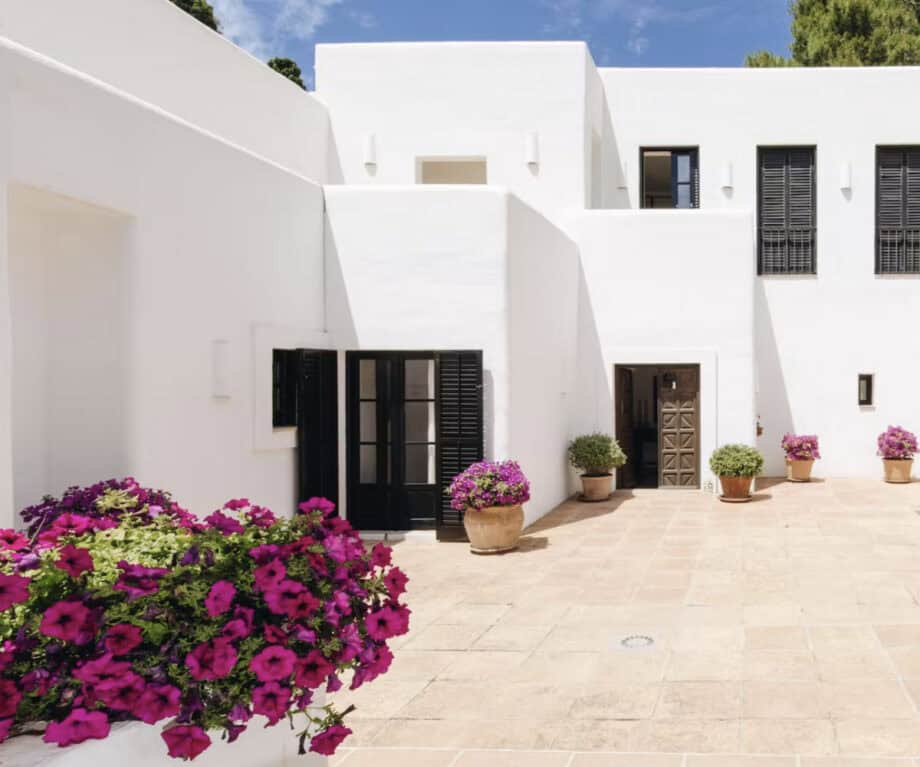
Because natural freshwater reserves are exceptionally limited, a substantial portion of the island’s daily water consumption relies on energy-intensive desalination plants. This single geographic constraint has fundamentally shaped the operational philosophy of elite villas across Mykonos. Careful, technologically advanced water conservation is embedded into the daily management of premier properties. Furthermore, traditional Cycladic architecture plays a crucial role in passive environmental control. Thick, whitewashed stone walls were engineered centuries ago to reflect harsh solar radiation and maintain cool indoor temperatures long before modern air conditioning systems were invented. Complementing this architectural efficiency, local Cycladic gastronomy—featuring artisan goat cheeses, sun-ripened tomatoes, and locally harvested herbs—minimizes the need for imported foodstuffs.
Kalkan: Protecting the Ancient Coasts of Turkey
Along Turkey’s breathtaking Turquoise Coast, the coastal town of Kalkan offers a masterclass in restrained development and wildlife conservation. Situated just a short drive from the town center lies Patara Beach, an uninterrupted expanse of golden sand stretching for eighteen kilometers. Loggerhead sea turtles (Caretta caretta) have utilized these pristine shores as a nesting ground for millions of years, predating human habitation in the region by millennia.
Recognizing the fragility of this irreplaceable habitat, the entire beach and its immediate hinterland have been designated as a strictly protected environmental zone. Urban development along the beachfront is prohibited, and during the annual nesting and hatching seasons, the beach is legally closed to the public at night to leave the endangered turtles entirely undisturbed. This unwavering commitment to wildlife preservation has allowed Patara to retain its wild, untamed character. Even Kalkan itself has resisted unchecked coastal sprawl; its traditional white-and-stone houses are artfully stacked up the steep hillsides surrounding the natural harbor, preserving both the aesthetic harmony of the landscape and the integrity of the coastal marine ecosystem.
The Economic and Operational Transformation for Villa Owners
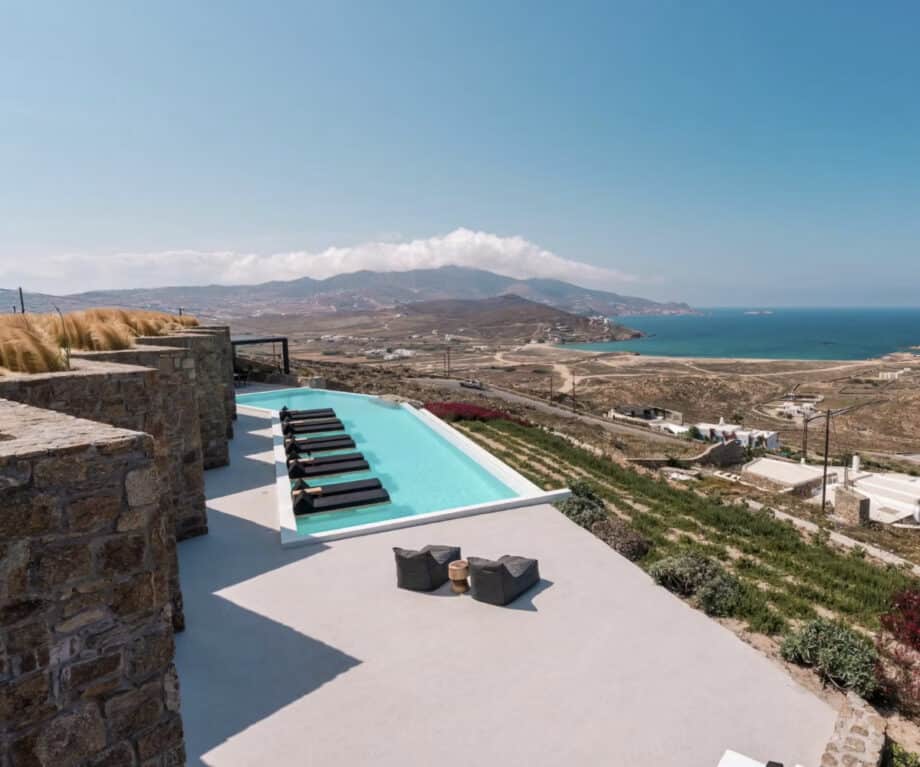
For the private owners and institutional operators managing these high-end Mediterranean villas, the pivot toward sustainability is no longer viewed as an unprofitable corporate social responsibility exercise. Modern environmental retrofitting has transformed into a powerful financial and strategic advantage, dramatically reducing escalating operational overheads while simultaneously capturing a lucrative, rapidly expanding demographic of affluent consumers.
The most immediate operational gains stem from maximizing the region’s abundant natural resources: relentless Mediterranean sunlight and coastal water access. Advanced solar photovoltaic arrays now supply a significant percentage of baseline electrical demands for luxury estates, while modern geothermal heat pumps regulate swimming pool temperatures, extending the seasonal utility of outdoor amenities without inflating energy consumption.
Water management remains a critical operational priority, particularly in arid island environments like Mykonos and Ibiza. Contemporary eco-villas utilize high-efficiency low-flow plumbing fixtures, advanced greywater recycling systems for subsurface irrigation, and insulated automated pool covers to drastically curb evaporation losses. Externally, thirsty imported lawns have been systematically replaced with drought-tolerant Mediterranean xeriscaping, featuring native flora such as lavender, rosemary, and olive trees that thrive naturally on minimal rainfall.
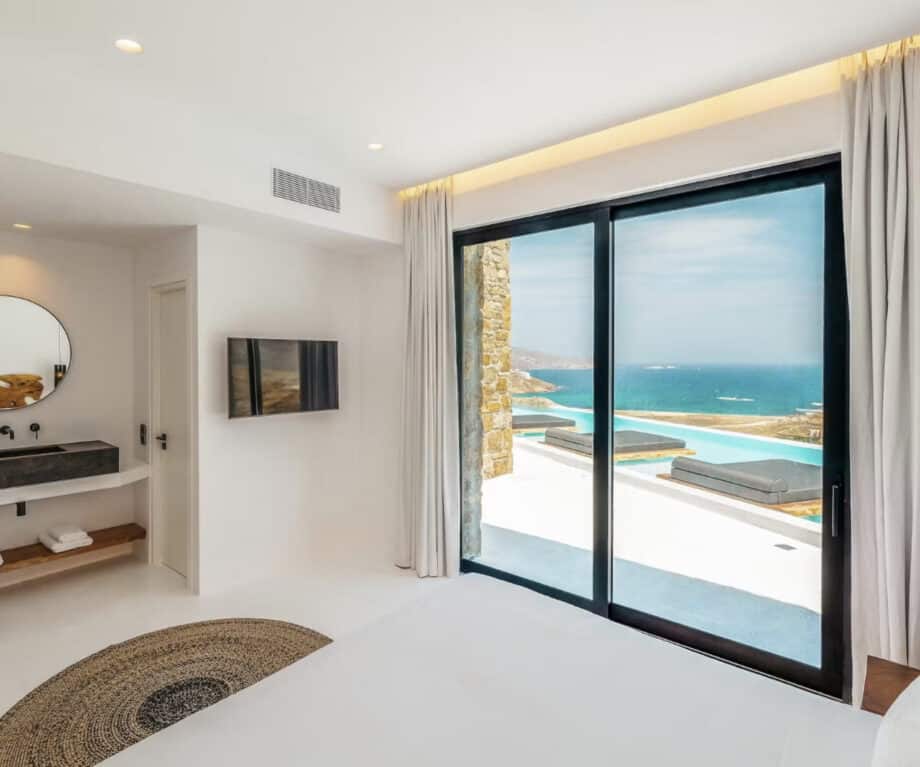
Beyond infrastructural mechanics, guests frequently evaluate properties based on tangible, everyday sustainability markers. The widespread replacement of single-use plastic bathroom toiletries with bulk ceramic refillable dispensers has become an absolute standard across five-star rentals. Concurrently, private estate chefs routinely bypass international supply chains in favor of daily visits to municipal farmers’ markets. Furthermore, the installation of high-capacity electric vehicle (EV) charging stations—once considered an eccentric luxury amenity—is now an anticipated baseline feature for high-net-worth travelers. To solidify trust, elite properties increasingly pursue internationally recognized third-party eco-certifications, replacing vague marketing promises with independently verified environmental credentials.
Market Demand and the Role of Specialized Agencies
Market analysts note that this shift is driven entirely by consumer purchasing behavior. Affluent travelers increasingly reject luxury accommodations that fail to demonstrate concrete ecological commitments, proving willing to pay premium booking rates—and display high brand loyalty—to properties that actively protect their local environments. Industry leaders like Privadia report that booking inquiries frequently bypass standard discussions regarding square footage or pool dimensions, jumping straight to technical specifications regarding renewable energy generation, water sourcing, and local community engagement.
Navigating this complex landscape of sustainable luxury requires specialized curation. Discerning travelers have little desire to spend their precious vacation time acting as amateur environmental auditors. Consequently, high-end booking agencies have integrated sustainability vetting directly into their core service models. By partnering exclusively with verified property owners who genuinely integrate eco-friendly operations, these specialists ensure that reducing a vacation’s environmental footprint never compromises guest comfort.
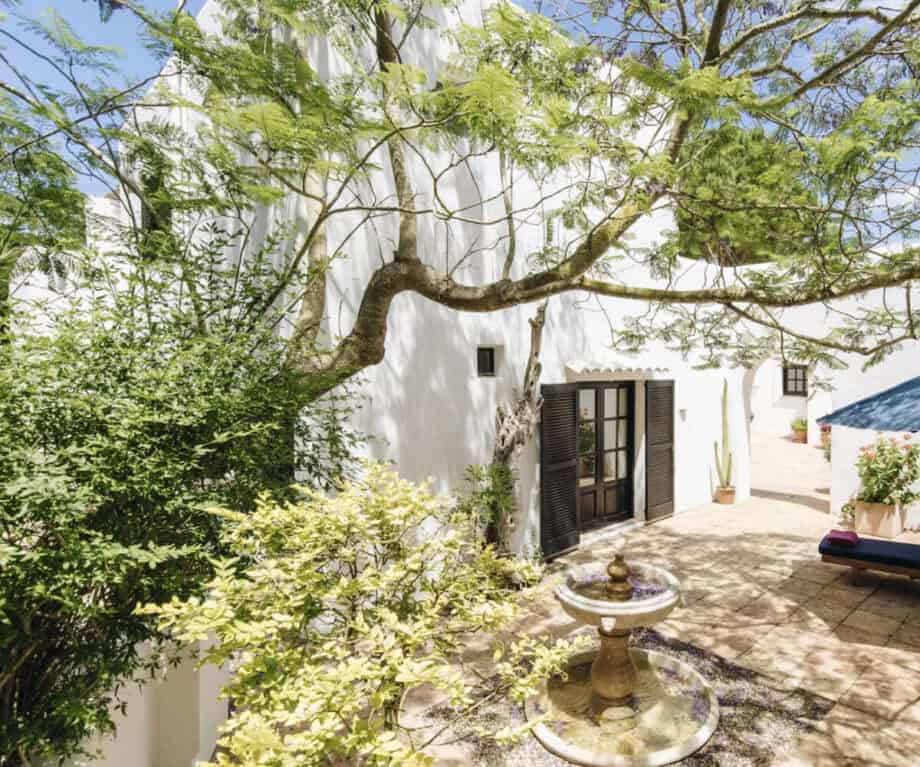
Tailored guest itineraries follow this exact ethos. A bespoke holiday organized through a specialist agency might feature private boat charters utilizing silent electric propulsion systems to protect fragile Posidonia seagrass meadows, guided educational treks through the ancient pathways of the Tramuntana mountains, or respectful, dawn visits to Kalkan’s protected turtle nesting zones. The overarching luxury travel experience does not contract; rather, it deepens, proving that modern opulence and ecological conscience can comfortably—and profitably—share the same terrace.