The Untold Trails of Lazio: Redefining Italian E-Bike Tourism and Regional Connectivity

The Lazio region, long synonymous with the bustling urbanity of Rome, is undergoing a strategic transformation in its tourism sector. A recent collaborative project involving the Lazio Region and the Thybris River Experience has introduced a series of specialized, guided e-bike itineraries designed to divert foot traffic away from the capital’s congested core and into the ecologically and historically rich hinterlands along the Tiber River. This initiative seeks to promote sustainable development, support local artisan communities, and highlight archaeological sites that have remained largely off the mainstream tourism map.
Geographic and Historical Context of the Initiative
Geographically, Lazio is situated at a critical junction in Italy. It serves as a buffer zone between the Etruscan-influenced landscapes of Tuscany and Umbria to the north and the Bourbon-impacted provinces of the Italian south. The regional name itself, derived from the Latin term latus, meaning wide or open, is being reclaimed as a branding pillar for these new itineraries.
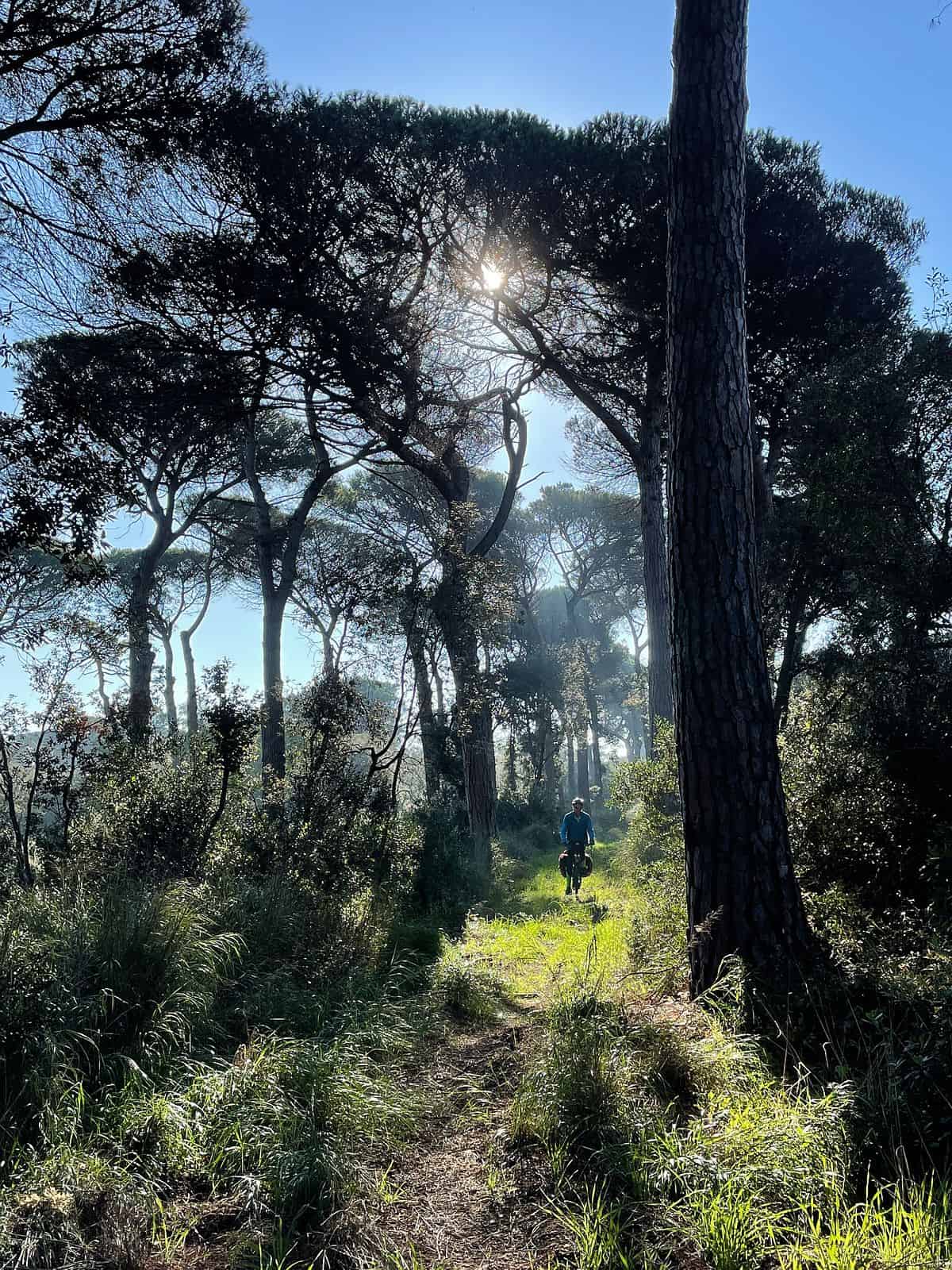
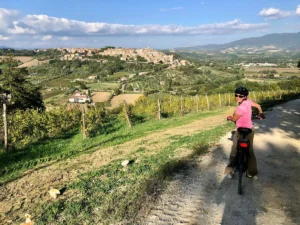
The project focuses on three distinct corridors: the Tuscia and Teverina districts, the Tevere-Farfa Natural Reserve, and the coastal periphery of Ostia, Fiumicino, and Isola Sacra. Each zone is positioned within an hour of Rome by regional train, providing a logistical solution to the "overtourism" challenges currently facing the metropolitan area. By leveraging e-bike technology, the initiative allows travelers of varying fitness levels to traverse the undulating volcanic terrain that defines the central Italian landscape, facilitating a slower, more deliberate form of engagement with the region.

The Three Pillars of Regional Exploration
The development of these routes is rooted in the concepts of sustainable travel and economic decentralization. By connecting travelers with local accommodation, small-scale food producers, and professional local guides, the initiative aims to distribute tourism revenue more equitably across the region.
-
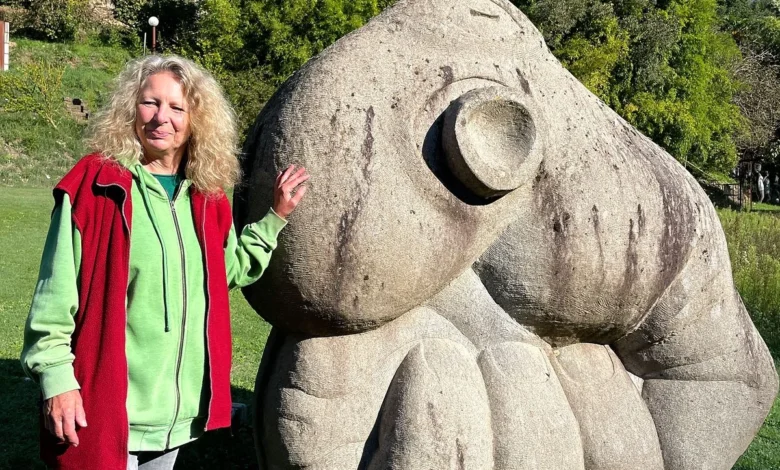
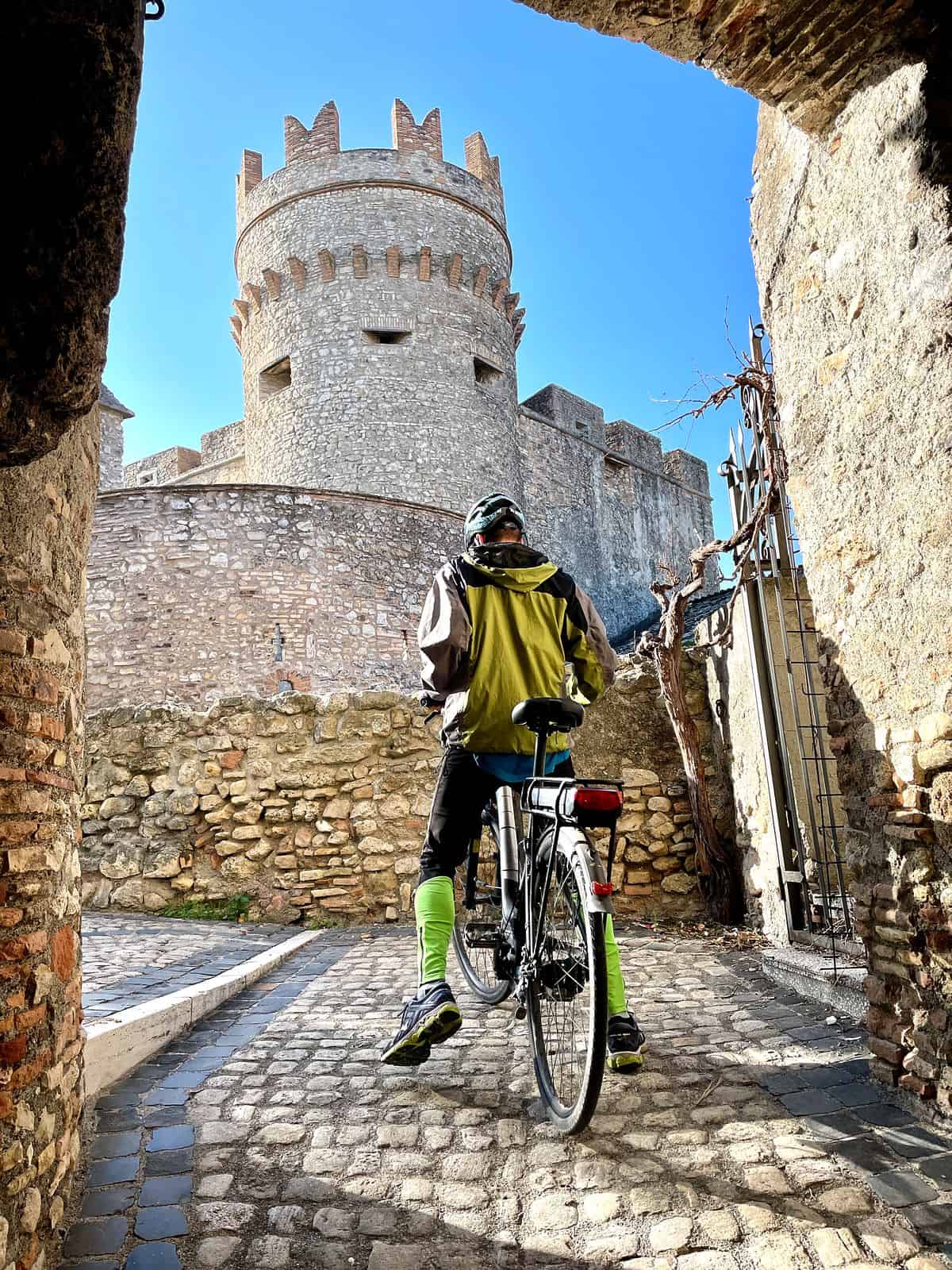
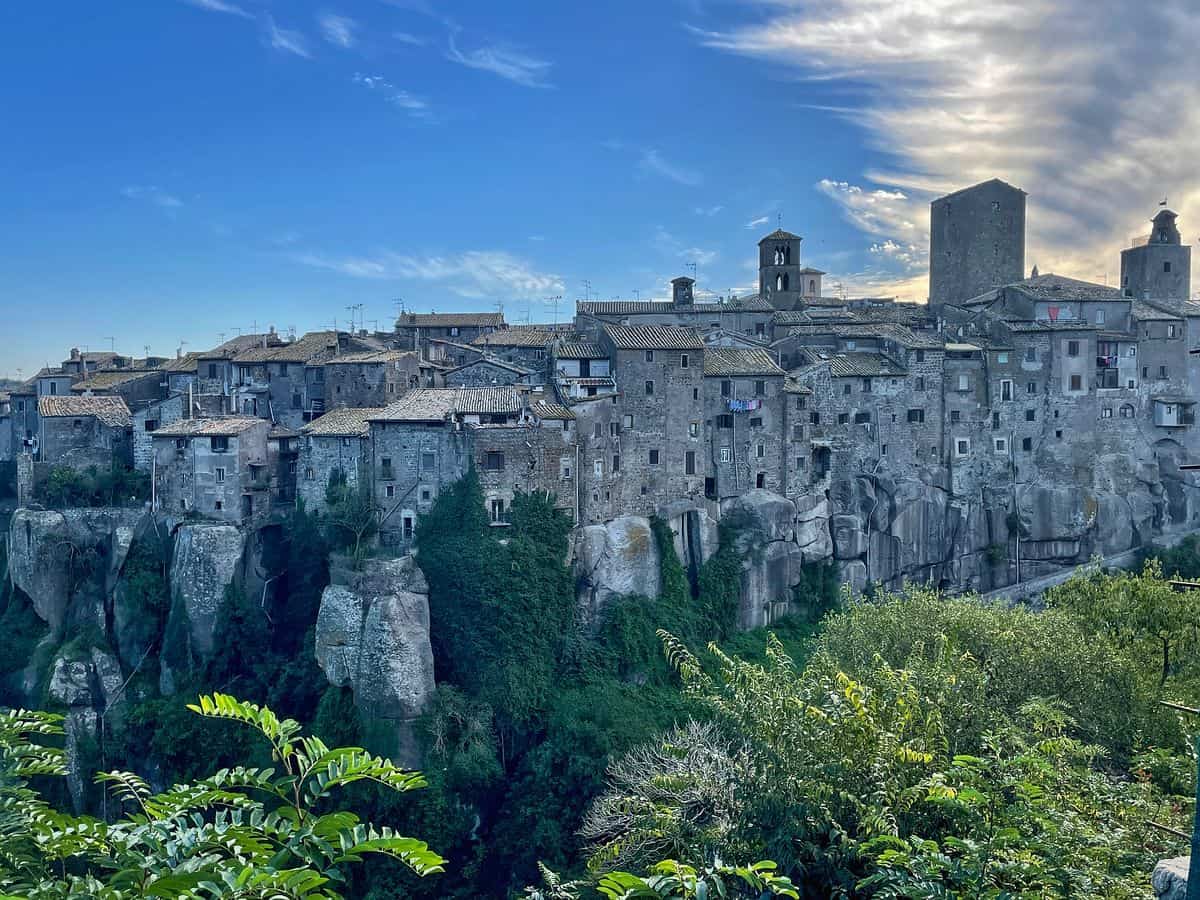
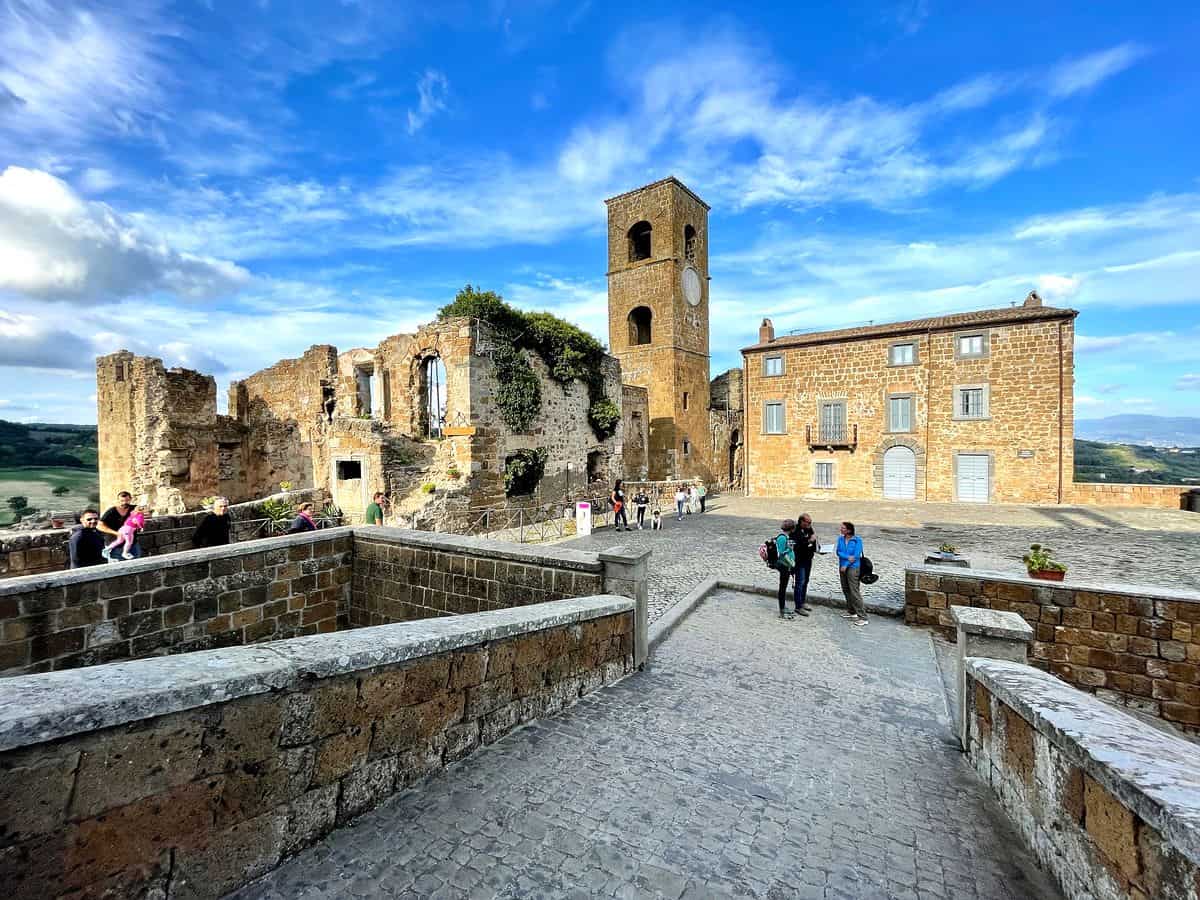
Tuscia and Teverina (Hill Towns and Estate Life): This northern circuit explores the medieval heritage of towns like Civitella d’Agliano, Celleno, and Vitorchiano. Beyond the aesthetics of the hill towns, the route emphasizes the volcanic terroir of the region. Wineries such as Trebotti have been highlighted for their commitment to circular sustainability—utilizing Etruscan-era cellars and indigenous grape varieties to minimize carbon footprints. The inclusion of sites like La Serpara—a private sculpture garden—and the Il Mulino dei Mestieri—a collection of 20th-century craftsmen bicycles—provides a narrative of historical innovation and artistic resilience.

-
Tevere-Farfa Natural Reserve: As the first protected area in the Lazio region, this zone shifts the focus to biodiversity. The Tiber River, which acts as a central artery for the region, provides a habitat for migratory birds and wild fauna. The itinerary here integrates outdoor activities like canoeing and cycling with visits to Bunker Soratte. The latter is a complex historical site, originally commissioned by Mussolini as a subterranean refuge and later repurposed during the Cold War as a NATO-linked nuclear fallout shelter. This site serves as a somber reminder of the 20th-century military history embedded in the Italian landscape.

-
Rome’s Coastal Edge (Ostia, Fiumicino, and Isola Sacra): This segment addresses the archaeological shadow cast by Rome. While tourists flock to the Colosseum, sites like Ostia Antica and the Imperial Harbours of Claudius and Trajan remain under-visited. These ruins offer a more comprehensive understanding of Roman commerce and supply chain logistics. The Necropolis of Portus serves as a demographic case study, showcasing the stratification of Roman society through the varying scales of burial monuments.

Economic and Environmental Implications
The move toward e-bike tourism represents a conscious effort to align with European Union mandates for green travel. E-bikes allow for the integration of public transport and active travel, reducing the reliance on private motor vehicles in sensitive rural areas.

From an economic standpoint, the project is a response to the "greater Rome" phenomenon, where capital-centric tourism often fails to benefit secondary towns. By providing a framework for multi-day itineraries, the Lazio Region is effectively creating a "tourist product" that encourages longer stays. Local producers, such as those at the San Rocco restaurant or the Bioagricola Traiano, report that this model allows for a more direct connection between the consumer and the origin of the product, fostering a high-value, low-volume tourism model that is more resilient to market fluctuations.

Historical Continuity and Modern Challenges
The integration of these sites is not merely for recreational purposes; it is an act of historical preservation. The Museo della Cultura Contadina in Isola Sacra, for example, documents the 20th-century labor required to reclaim swampy land for agricultural use. This provides a sobering counterpoint to the romanticized version of the Italian countryside.

Furthermore, figures like the late artist and activist Pier Paolo Pasolini are central to the regional identity. The Sentiero Pasolini trail serves as a physical manifestation of this cultural heritage, linking the rural periphery back to the urban center of Rome. The trail acts as a conduit for understanding the socio-political evolution of Italy, providing a route that is both physically demanding and intellectually stimulating.

Evaluation of Sustainable Tourism Models
The success of the project hinges on its ability to maintain the "undiscovered" charm of these locations while scaling infrastructure. Analysts note that the model avoids the trap of mass-market tourism by focusing on niche interests: history buffs, birdwatchers, oenophiles, and cycling enthusiasts.

Giorgia Cadinu, a lead guide and project initiator, has emphasized that the goal is to create a "living landscape." This means that the local community is not just a backdrop for the traveler, but an active participant. By formalizing these routes, the region is also ensuring that the maintenance of trails and historical sites becomes a self-sustaining enterprise, supported by the ongoing revenue generated by guided tours.

Looking Ahead: The Future of Lazio’s Tourism Strategy
The initiative currently functions as a pilot for broader regional policy. If the integration of the three distinct zones proves successful in terms of both environmental metrics and local economic growth, the model may be expanded to include the southern reaches of the region and the Ciociaria mountains.
The emphasis on "creative fermentation"—a term borrowed from local artists to describe the importance of physical interaction and real-world connection—suggests a pivot in how Italy intends to market itself. As modern travelers become increasingly conscious of their carbon footprint and seek more authentic, less sanitized experiences, the Lazio Region’s move to promote the "wide open" spaces of its territory positions it as a leader in the new wave of European sustainable tourism.

While the project is still in its developmental phase, the initial reception from local stakeholders and international travelers suggests that the strategy of decentralization is not only viable but necessary for the long-term preservation of Italy’s cultural and natural capital. By turning the Tiber River into a corridor of connectivity rather than a boundary, Lazio is successfully redefining its relationship with its own history and its future potential as a sustainable travel destination.