The Ultimate Hiking Essentials Checklist for Multi-Day Treks and Outdoor Adventures


The art of packing for long-distance trekking involves a delicate balance between preparedness for unpredictable environmental variables and the physical necessity of maintaining a low pack weight. Over the past two decades, the global hiking community has shifted from a philosophy of carrying maximum equipment to a streamlined, modular approach. This evolution is driven by advances in textile technology, increased accessibility to local gear rental markets, and a growing emphasis on sustainable travel practices.
Evolution of Trekking and Modern Packing Methodologies
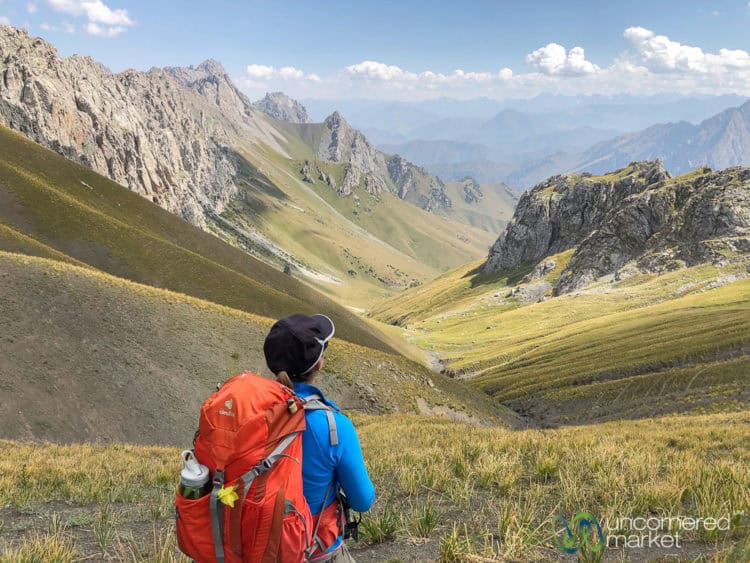
Historically, trekking equipment was heavy, bulky, and largely specialized. As global tourism to remote mountainous regions like the Andes, the Himalayas, and the Alay Mountains has increased, the industry has seen a pivot toward "fast and light" gear. Data from outdoor retail analysis indicates that lightweight, multi-purpose apparel—specifically those utilizing moisture-wicking and quick-dry synthetic fibers—now accounts for the majority of consumer purchases in the trekking sector.
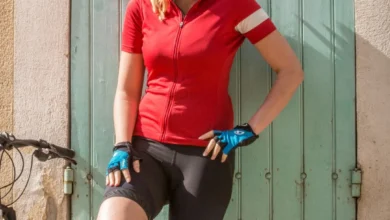
The fundamental distinction in current trekking standards is the separation of "hiking uniforms"—the garments worn daily for exertion—from rest-and-recovery clothing. This strategy, endorsed by professional guides in regions such as Patagonia, allows hikers to manage hygiene and comfort without overloading their packs. By utilizing a "uniform" that is regularly aired out or rinsed, trekkers can significantly reduce the number of items carried, often cutting total pack weight by 20 to 30 percent.
The Role of Local Infrastructure and Rental Economies
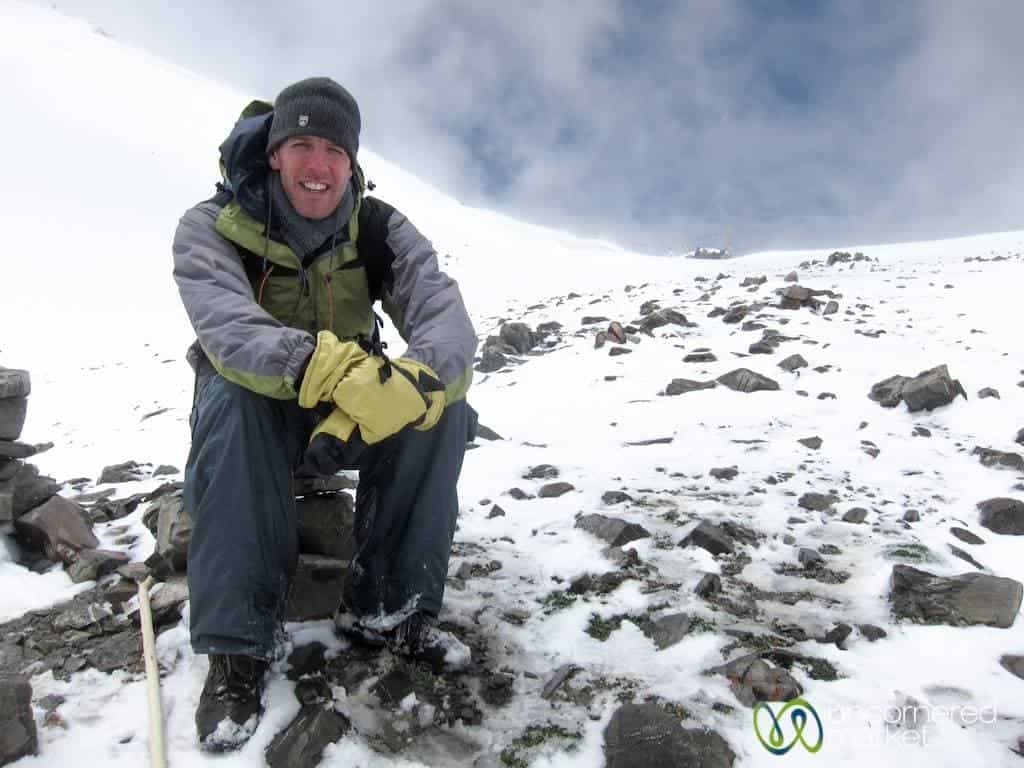
A significant development in the logistics of long-distance hiking is the rise of the local gear rental economy. Rather than transporting specialized equipment—such as four-season sleeping bags, heavy-duty waterproof trousers, or specialized walking aids—across international borders, hikers are increasingly utilizing on-site rental services.

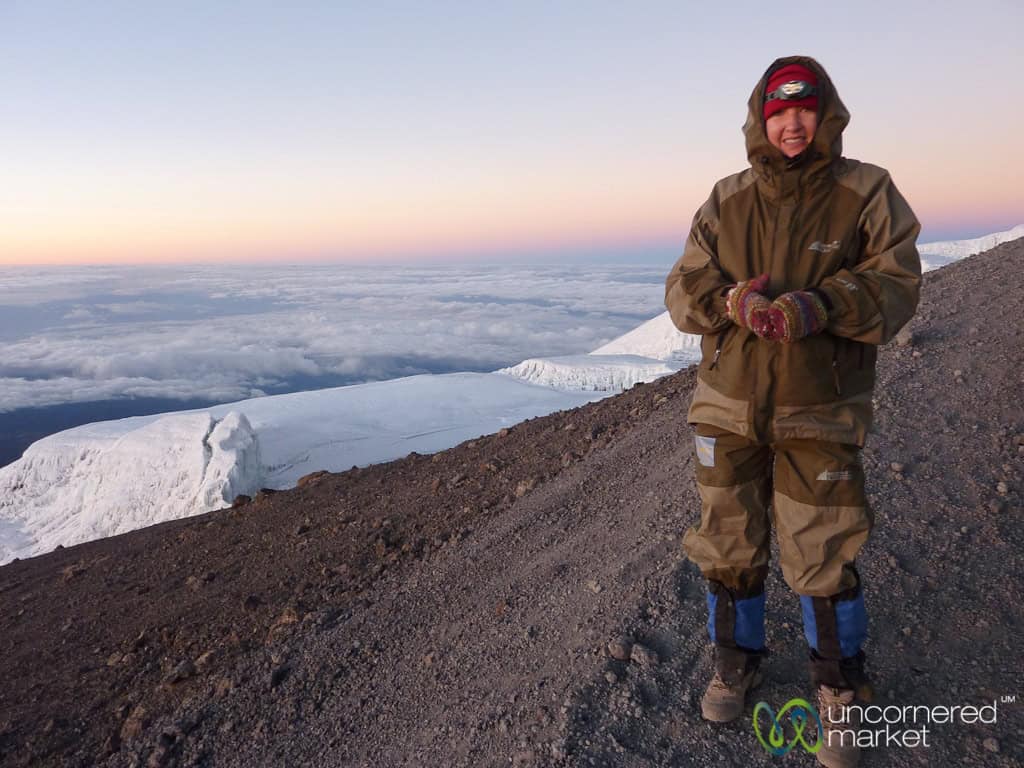
In major trekking hubs like Moshi, Tanzania (for Mount Kilimanjaro) or towns surrounding the Annapurna Circuit in Nepal, rental infrastructures allow participants to acquire high-grade gear for the duration of a specific trek. This model not only reduces the carbon footprint associated with air travel by lowering luggage weight but also fosters local economic development. Experts suggest that for treks where the duration of extreme weather exposure is limited, renting rather than purchasing equipment is both fiscally prudent and logistically superior.

Strategic Apparel: The Layering System
Modern alpine safety relies on the layering principle. Scientific consensus in outdoor physiology dictates that the body must be maintained within a narrow thermal range to prevent hypothermia or heat exhaustion. The three-layer system remains the gold standard:
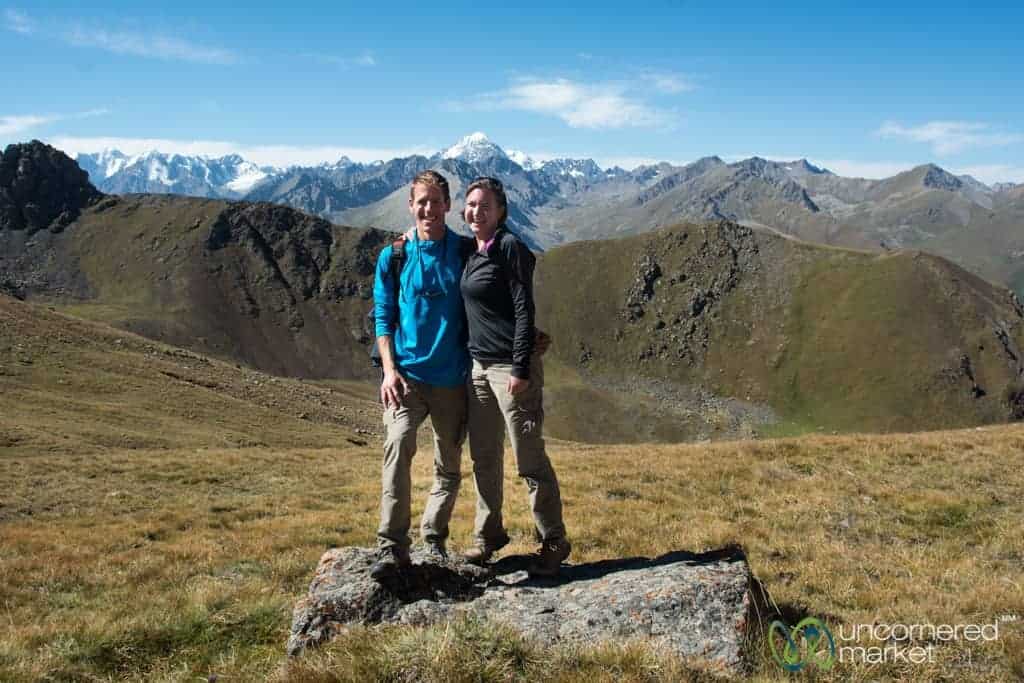
- Base Layer: Moisture-wicking synthetic or silk fabrics that move perspiration away from the skin.
- Mid-Layer: Insulating materials such as fleece or synthetic puff jackets that trap body heat.
- Outer Shell: Waterproof and wind-resistant membranes (such as Gore-Tex or similar proprietary technologies) that provide a barrier against external moisture.
Research suggests that hikers who fail to carry an additional mid-layer are significantly more likely to experience "cold-shock" during rapid weather changes at high altitudes, where temperatures can drop by 15 to 20 degrees Celsius within a single hour.
Technological Advancements in Navigation and Power
The integration of electronic devices into trekking culture has necessitated reliable power management. While traditional paper maps and compasses remain the primary tools for navigation, modern trekkers often rely on smartphones or GPS-enabled watches. To address the challenge of off-grid power, the market has seen an increase in the adoption of portable, solar-powered power banks.

However, field reports from experienced trekkers emphasize the importance of redundancy. Electronic failure due to moisture or extreme cold is a common occurrence. Consequently, the consensus among trekking professionals is to prioritize devices with high energy density and to utilize "Airplane Mode" as a standard practice to extend battery life, rather than relying solely on solar chargers, which can be inconsistent in high-altitude, cloud-prone environments.

Sustainability and Environmental Stewardship
The environmental impact of hiking gear is becoming a primary concern for the international outdoor community. Single-use plastic bottles, in particular, have become a major pollutant at high altitudes. The transition toward reusable filtration systems—including chemical sterilization drops, UV light pens, and integrated bottle filters—has become an essential component of responsible trekking.
Organizations such as the Leave No Trace Center for Outdoor Ethics emphasize that the responsibility of the modern hiker extends beyond personal safety to include the preservation of the trails themselves. This includes the management of waste, the use of biodegradable hygiene products, and the selection of gear from manufacturers that utilize recycled materials or offer long-term repair programs.
Essential Gear Categorization
To maintain consistency in preparation, the following equipment hierarchy is recommended for a standard 5-to-10-day trek:
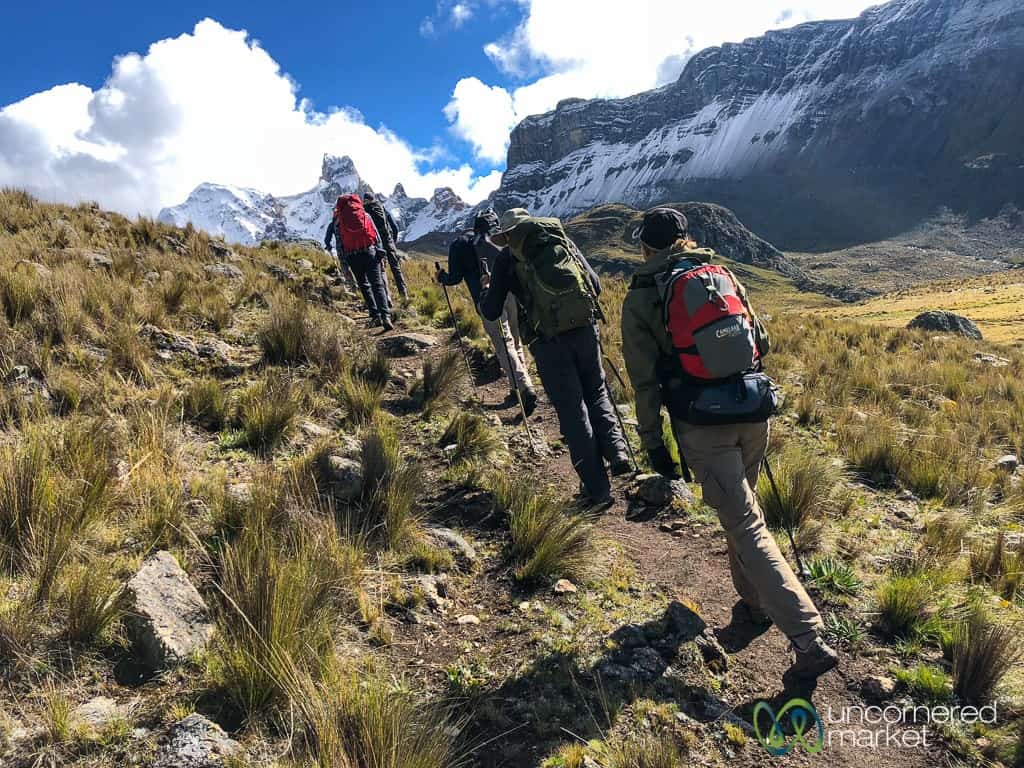
- Footwear: Mid-support hiking boots are recommended for terrain with high-angle gradients. A secondary pair of lightweight footwear, such as river sandals or trail runners, is essential for camp recovery to allow the feet to expand and dry after long hours of compression.
- Safety and First Aid: A basic medical kit must include blister prevention (such as hydrocolloid bandages or medical tape), non-steroidal anti-inflammatory drugs, and broad-spectrum antibiotics to address common ailments like sinus infections or gastrointestinal distress, which can be exacerbated by altitude and travel stress.
- Shelter and Comfort: If camping independently, the weight of the tent, stove, and sleeping system must be factored into the total pack capacity. If utilizing guest houses or teahouses, a silk sleeping bag liner is recommended as a hygienic barrier that offers both comfort and a degree of thermal insulation.
Future Implications and Conclusion
As the global population of outdoor enthusiasts continues to expand, the demand for standardized, efficient, and sustainable trekking practices will only grow. The shift toward "smart" packing—prioritizing versatility, weight reduction, and local sustainability—serves to enhance the experience while mitigating the risks associated with remote-area exploration.

The primary takeaway for any prospective trekker is the necessity of rigorous preparation. Whether embarking on a day hike or a multi-week expedition, the difference between a successful, soul-nourishing experience and a hazardous, uncomfortable ordeal is often found in the quality of the planning and the selection of essential gear. By adhering to the principles of modularity and environmental respect, hikers can ensure their presence in natural environments remains a net positive for both the individual and the ecosystem.
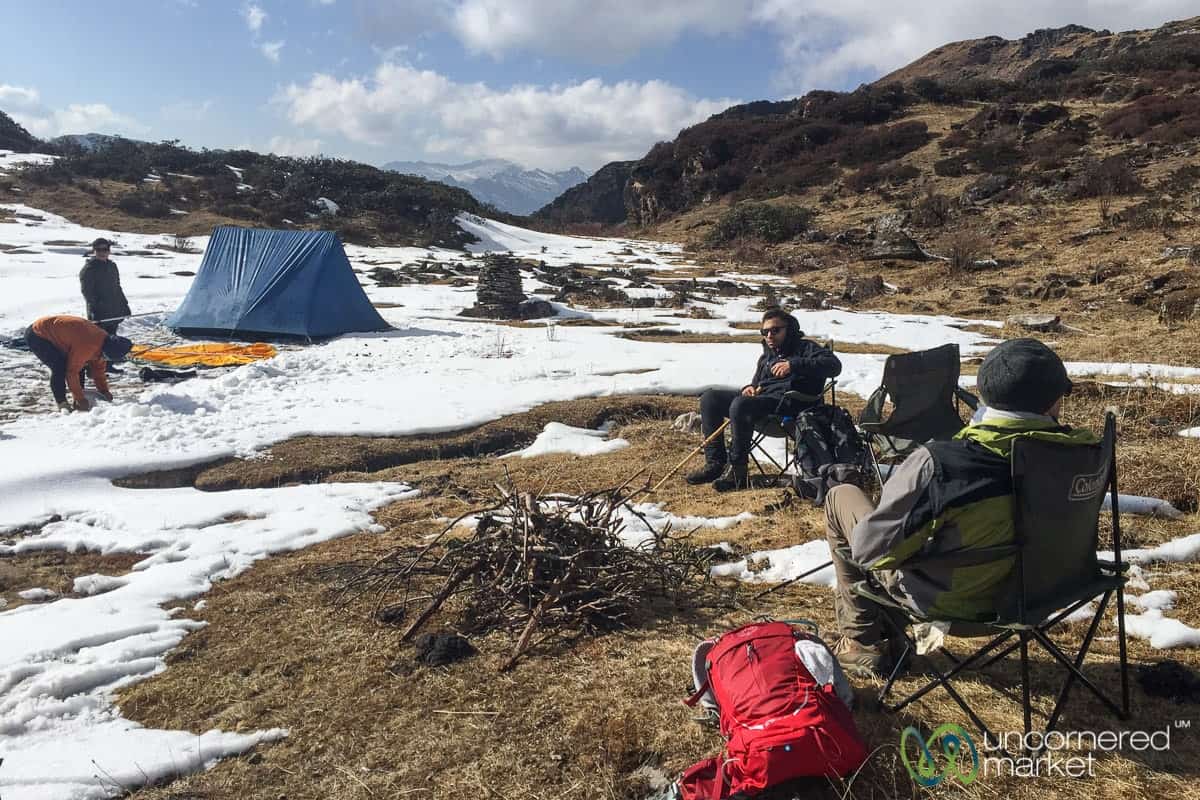
As professional guides frequently note, the most successful treks are those where the gear is forgotten, allowing the hiker to fully engage with the landscape and the cultural interactions that define the spirit of adventure.