The Evolution of Denver’s Culinary Landscape Through the Rise of Urban Market Halls

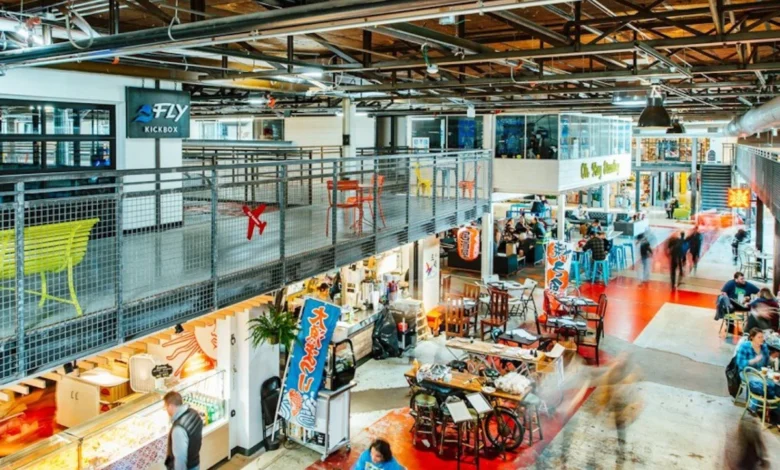
The transformation of Denver’s urban core over the past two decades serves as a masterclass in modern city building, where long-dormant industrial zones have been revitalized into vibrant, interconnected neighborhoods. Central to this resurgence is the proliferation of market halls—multi-vendor culinary spaces that have not only filled the architectural voids left by deindustrialization but have also provided a vital platform for local entrepreneurs to compete in a market previously dominated by standardized chain restaurants.
The Genesis of the Modern Market Hall
The current wave of market halls in Denver is fundamentally linked to the city’s architectural and economic pivot in the 1990s. For decades, areas such as River North (RiNO) and Lower Downtown (LoDo) were characterized by underutilized warehouses and shuttered industrial facilities. The construction of Coors Field in 1995 acted as a catalyst, drawing significant foot traffic to the north side of the city center and signaling the end of the area’s isolation.
Justin Croft, vice president of development at Zeppelin Development, notes that the success of these markets is a direct response to the historic decline of urban industrial sectors. "Developers are coming in and building neighborhoods from scratch, one big move at a time, in an effort to create compelling places for people to go," Croft explains. By centralizing food and beverage vendors, these developers have effectively lowered the barrier to entry for independent restaurateurs who previously struggled to secure the capital or operational scale required for traditional storefronts.
Demographic Shifts and Culinary Diversity
Denver’s culinary evolution mirrors its shifting demographic landscape. According to 2024 U.S. Census Bureau figures, the Denver metro area is home to approximately 3.05 million people, with the Latino population accounting for 24.6% of that total. This substantial cultural footprint, combined with an increasingly diverse international presence, has created a fertile ground for a broad spectrum of global cuisines.
The city’s foreign-born population has become increasingly heterogeneous. Venezuela currently ranks as the seventh-largest source of foreign-born residents, with nearly 9,000 individuals, while Vietnamese-born residents number approximately 12,700, placing Vietnam as the fourth-largest origin country behind Mexico, India, and China. This diversity is reflected in the stalls of Denver’s market halls, which provide a low-risk environment for chefs to showcase traditional and fusion concepts that might otherwise be considered too niche for a stand-alone restaurant location.
A Chronology of Denver’s Food Hall Movement
The market hall model gained significant traction in Denver starting in the early 2010s, following international trends toward experiential dining and "fast-casual" luxury.
- 2013: The Source (RiNO). Widely regarded as the pioneer of the movement in Denver, The Source opened in a repurposed 1880s brick foundry. It established a blueprint for high-end, curated culinary experiences, housing a brewery, butcher, and critically acclaimed restaurants like Acorn and Safta.
- 2015: Avanti F+B (LoHi). Introducing the concept of a "culinary incubator," Avanti utilized modular shipping containers to create a flexible space. This allowed chefs to test new concepts with minimal overhead before committing to permanent brick-and-mortar locations.
- 2016: Denver Central Market (LoDo). Modeled after traditional European urban markets, this facility emphasized high-quality, specialty grocery items alongside deli-style service, further integrating the market hall concept into the daily life of downtown residents.
- 2017: Stanley Marketplace (Aurora). Representing the suburban expansion of the model, this project converted a former aviation manufacturing facility into a massive, multi-purpose destination, integrating retail, co-working, and fine dining.
- 2018: Denver Milk Market (LoDo). Located in the historic Dairy Block, this development showcased the scale of the market hall trend, featuring 16 permanent kitchens and demonstrating that the model could successfully anchor large-scale mixed-use developments.
Economic and Operational Implications
From a business perspective, the market hall model serves as a risk-mitigation strategy for both landlords and tenants. For the entrepreneur, the shared infrastructure—including common seating areas, maintenance, and marketing—allows for a "mom and pop" operation to function with the efficiency of a larger enterprise.
"Twenty years ago, that just wasn’t the case because cities were filled with chain restaurants in their core, making it extremely difficult for local entrepreneurs to find their way to a storefront," Croft adds. By pooling resources and operational capacity, these halls create a destination effect, drawing larger crowds than a standalone restaurant could typically attract on its own.

Case Studies in Modern Urban Design
Each of Denver’s major market halls serves a specific function within its neighborhood ecosystem:
The Source remains the standard-bearer for the RiNO district. Beyond its culinary offerings, the addition of The Source Hotel has transformed the site into a hospitality anchor, linking local residents with international travelers.
Avanti F+B functions primarily as an engine for culinary innovation. Its rotating roster of chefs means the menu is in a constant state of flux, reflecting current gastronomic trends. The project’s expansion into Boulder and Vail highlights the commercial viability of the "incubator" model.
Denver Central Market focuses on the intersection of the artisan and the utilitarian. By providing a butcher, bakery, and specialty shops, it effectively replaces the need for "big-box" specialty stores, keeping consumer spending within the local neighborhood. Its 2018 expansion into the Denver International Airport underscores the model’s appeal to a broader, transient demographic.
Stanley Marketplace proves that the market hall model is not confined to the urban core. By serving as an inclusive community hub near the Anschutz Medical Campus, it has effectively redefined the suburban mall experience, proving that diverse, high-quality food and retail can thrive outside of downtown density.
Denver Milk Market emphasizes the sheer variety of the dining experience. By curating a diverse list of 16 kitchens, it demonstrates the capacity for these spaces to handle high-volume traffic while maintaining culinary integrity. Even niche concepts, such as The Green Huntsman’s salad-focused menu, are able to find a dedicated customer base within the larger ecosystem.
Broader Impact and Future Outlook
The rise of the market hall in Denver is symptomatic of a larger shift in urban planning. As residential density increases in cities like Denver, the demand for "third spaces"—places that are neither home nor the office—has reached an all-time high. Market halls provide a social infrastructure that fosters community interaction while simultaneously driving local economic growth.
Analysts suggest that the next phase of this movement will likely involve a greater integration of technology and sustainability. With increasing pressure to reduce food waste and lower carbon footprints, market halls are uniquely positioned to implement centralized composting and sourcing programs that individual restaurants could not manage independently.
As the city continues to grow, the success of these venues will depend on their ability to remain authentic to their local roots while adapting to the needs of an increasingly diverse population. The culinary landscape of Denver is no longer just about the food served; it is about the structural ability of the city to provide a platform for its residents to build, innovate, and thrive together. By turning vacant industrial skeletons into thriving epicenters of trade and culture, Denver has successfully reclaimed its urban identity, ensuring that its future is as vibrant as the global flavors defining its present.