Empowering Equality: How the Global Tourism Sector is Mobilizing to Inspire Inclusion and Transform Communities

The international movement for gender equity reached a pivotal milestone with the adoption of the International Women’s Day campaign theme, Inspire Inclusion. This global call to action challenges governments, corporations, and community stakeholders to dismantle systemic barriers, confront persistent biases, and foster environments where women from all socioeconomic and cultural backgrounds are fully valued and respected. Despite significant strides toward gender parity over recent decades, comprehensive data highlights that substantial work remains to ensure universal access to opportunity and economic security.
Within this global framework, the trillion-dollar tourism and travel sector holds a uniquely influential position. As both a massive global employer and a cultural exchange mechanism, the industry possesses the operational capacity to drive deliberate change. By shifting focus from mere workforce participation to active empowerment, tourism enterprises are increasingly positioning themselves as catalysts for sustainable social impact, economic resilience, and transformative community development.
The State of Gender Representation in Global Tourism
To understand the imperative for systemic change within the travel sector, industry analysts must examine foundational labor metrics. Prior to the disruptions of the global pandemic, United Nations World Tourism Organization (UNWTO) and World Travel & Tourism Council (WTTC) data indicated that women accounted for approximately 54 percent of the global tourism workforce. At a surface level, this statistic suggests high levels of female inclusion and foundational access to employment.
However, a deeper structural analysis reveals a stark disparity in job quality and vertical mobility. According to comprehensive research compiled by the UNWTO, the vast majority of female tourism employment is concentrated in the least powerful, lowest-skilled, and lowest-paid segments of the industry. Frontline service roles, housekeeping, and informal economy positions absorb the highest concentrations of female workers. Conversely, executive leadership and C-suite positions within travel and hospitality companies feature a female occupancy rate of only 19 to 25 percent.
This occupational stratification leaves female workers disproportionately vulnerable to external economic shocks. During macroeconomic downturns or global health crises, employees in lower-skilled and informal tourism sectors face the highest risks of displacement and long-term financial insecurity. Consequently, contemporary industry advocacy groups argue that numerical workforce representation is no longer an adequate metric for success. The modern challenge requires integrating women not merely as operational staff, but as equitable partners, managers, directors, and strategic leaders.
Historical Evolution and Chronology of Sustainable Tourism Initiatives
The recognition of tourism as a vehicle for social justice is not entirely new; rather, it represents the culmination of a decades-long evolution within the travel industry.
During the late 20th century, the dominant paradigm of global tourism focused primarily on volume, economic output, and infrastructure development. Social considerations were frequently secondary to macroeconomic growth metrics. However, the emergence of the sustainable travel movement in the 1990s introduced a broader ethical framework that prioritized environmental conservation and community-level economic retention.
By the early 2010s, international development organizations and grassroots social enterprises began formally linking sustainable tourism practices with women’s economic empowerment. Microfinance institutions, such as Kiva, demonstrated that localized financial interventions targeted at women yielded exponentially higher community returns compared to traditional lending models.
Throughout the mid-to-late 2010s, global tourism forums increasingly incorporated gender equality into their core agendas. The signing of the UNWTO Global Report on Women in Tourism served as a landmark acknowledgment that the sector’s growth must be inclusive to be sustainable. Following the unprecedented market disruptions of the COVID-19 pandemic between 2020 and 2022, industry leaders utilized the recovery phase to reevaluate operational models. This post-pandemic reconstruction period paved the way for modern frameworks like the Inspire Inclusion campaign, steering the sector toward structural reform rather than a mere return to pre-2020 operational norms.
The Multiplier Effect: Why Investing in Women Generates Broad Economic Returns
Economic analysts and international development agencies have consistently documented the profound multiplier effect associated with female financial independence. Microfinance data compiled by Kiva reveals that female entrepreneurs reinvest an average of 80 percent of their earned income directly into the health, nutrition, and education of their children and households.
Complementary research published by UN Women reinforces these findings, indicating that female-led economic empowerment serves as a primary catalyst for broader societal advancement. Communities with higher rates of women’s economic participation typically experience accelerated gross domestic product (GDP) growth, enhanced educational attainment rates for girls, and marked improvements in overall community health indicators.
Industry leaders operating at the intersection of travel and social enterprise have witnessed this phenomenon firsthand. Alessandra Alonso, founder of the advocacy organization Women in Travel, underscored this dynamic during an industry panel hosted by G Adventures. Alonso noted that economic empowerment serves as the foundational cornerstone for holistic community development, explaining that when an individual woman secures a reliable income, dependent children receive formal education, extended families achieve nutritional security, and the surrounding community thrives.

Practical Mechanisms for Industry Action
To translate the philosophy of inclusion into operational reality, travel and tourism stakeholders are deploying targeted mechanisms designed to support women-owned enterprises, foster leadership pathways, and invest directly in destination communities.
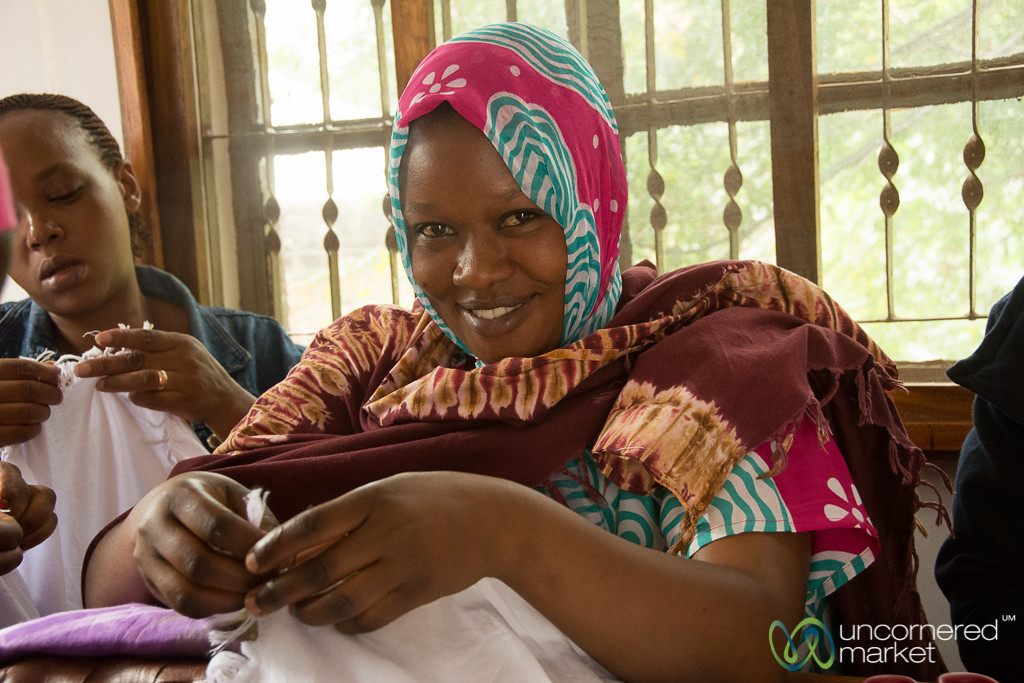
Enterprise Support and Market Access: Sustainable tour operators are increasingly bypassing traditional supply chains to source goods and services directly from women-owned cooperatives. Initiatives such as the Moshi Mamas project in Tanzania provide marginalized women with formal business administration training, artisanal skill development, and direct access to international tourism markets. By ensuring fair compensation and consistent market integration, these programs enable women to achieve financial autonomy and break generational cycles of poverty.
Inclusive Leadership Pipelines: Forward-thinking hospitality brands and tour operators are implementing structured mentorship programs and targeted recruitment policies to accelerate female representation in management. By establishing clear vertical mobility pathways, companies are working to correct the historic imbalance where women remain anchored in entry-level operations.
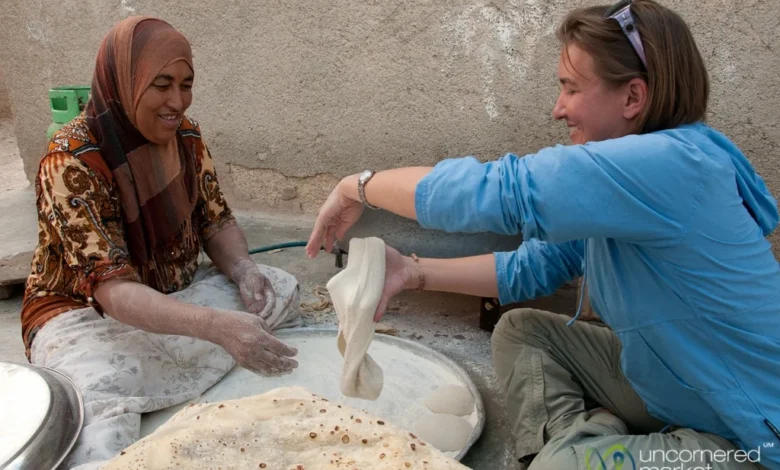
Community-Based Tourism Models: Social enterprises, such as the Zikra Initiative in Jordan, demonstrate how tourism can be integrated into rural and marginalized communities in a culturally sensitive manner. By inviting travelers to engage directly with local women in traditional activities—such as culinary preparation and handicraft production—these enterprises generate supplementary household income while preserving cultural heritage and fostering mutual cross-cultural respect.
Operational Diversification: Pioneering conservation and safari operators, such as Chobe Game Lodge in Botswana, have dismantled traditional gender barriers in technical fields. By training and employing all-women guiding teams and deploying eco-friendly fleets, these companies prove that operational excellence and social inclusion are mutually reinforcing.
The Business Case for Workplace Diversity and Gender Parity
Beyond the clear ethical and social imperatives, extensive corporate research demonstrates that gender diversity delivers tangible commercial advantages. Comprehensive longitudinal studies conducted by management consulting firms like McKinsey & Company consistently reveal that corporate entities exhibiting high levels of gender diversity—particularly among executive leadership teams—frequently outperform non-diverse competitors in financial profitability and market valuation.

This performance differential is driven by several operational factors. Diverse leadership teams bring varied cognitive perspectives and experiential backgrounds to strategic decision-making processes, thereby generating collective intelligence and fostering more creative solutions to complex business challenges.
Furthermore, consumer demographics in the travel sector strongly favor inclusive operational models. Industry market research estimates that women account for 70 to 80 percent of all consumer travel decisions globally. As female travelers continue to represent a dominant and growing segment of the worldwide tourism community, companies that reflect this demographic diversity within their workforce and leadership structures are inherently better equipped to understand, anticipate, and satisfy consumer needs.
Broader Impact and Implications for the Future of Travel
The integration of equity and inclusion into the operational fabric of the global tourism industry carries profound implications for the future of international mobility. As travelers increasingly seek authentic, ethical, and socially responsible experiences, the demand for transparent supply chains and community-centric operations will only intensify.
If the global tourism sector successfully rises to the challenge of the Inspire Inclusion mandate, the industry will evolve beyond its traditional role as a leisure provider. It will solidify its standing as an active architect of global equity. By systematically inviting, welcoming, and resourcing women to take leadership roles, the travel sector can chart a resilient, sustainable, and equitable course for future generations.