Slothee Still Wants Coffee Expands Global Childrens Literature Series with Cultural Explorations and Coffee Traditions

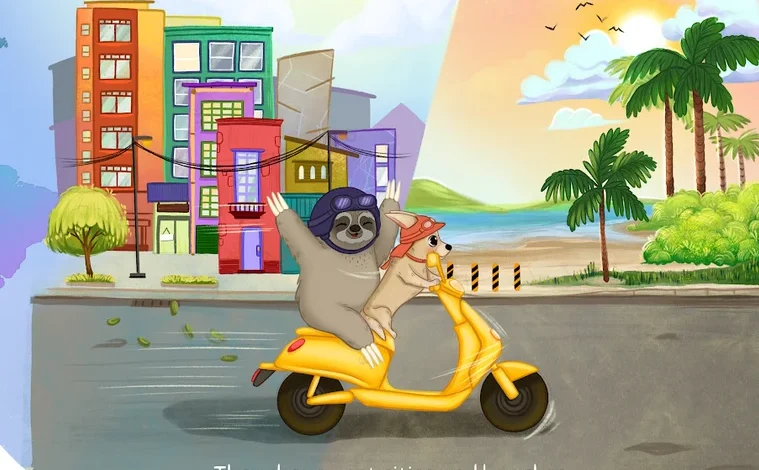
The landscape of children’s educational literature is experiencing a notable expansion with the official release of Slothee Still Wants Coffee, the second installment in the globally focused Slothee and Friends series. Authored to engage both young readers and adult audiences, the publication chronicles the ongoing international journey of its titular protagonist, a sloth named Slothee, as he traverses multiple continents in pursuit of the worlds finest cup of coffee. Building upon the foundational success of the series’ debut, the new book deliberately incorporates geography, cultural anthropology, and social interaction into an accessible narrative framework designed for early childhood development.
Main Facts of the Release
Slothee Still Wants Coffee serves as a continuation of the overarching narrative established in the initial publication of the Slothee and Friends collection. The primary plot follows Slothee as he departs from his previous locations and embarks on an extensive expedition spanning Costa Rica, Peru, Mexico, Jamaica, Uganda, Vietnam, and Australia. Throughout this multi-nation itinerary, the character does not merely seek caffeinated beverages; rather, the narrative functions as a vehicle for introducing readers to international agricultural practices, regional traditions, and the value of cross-cultural friendship.
The publication targets an audience ranging from early readers to older children, while simultaneously appealing to parents and educators who utilize narrative media for instructional purposes. By integrating geography into a fictional storyline, the book aligns with modern pedagogical strategies that emphasize experiential and culturally diverse learning. Publishers and literary analysts have noted that the inclusion of specific coffee-producing regions offers an organic introduction to global trade, agriculture, and botanical diversity, concepts that are rarely explored in standard early childhood fiction.
Chronology of the Slothee and Friends Series
The development of the Slothee and Friends franchise represents a calculated expansion into the niche market of educational travel literature for children. The chronology of the series reflects a structured approach to character development and global exploration:
Initial Conceptualization and Research: Prior to the publication of the first book, creators spent considerable time researching international coffee-producing regions, indigenous farming communities, and cultural traditions to ensure authentic representation within a fictional format.
Debut Publication: The launch of the first book introduced readers to Slothee and established his primary motivation: the quest for the ultimate cup of coffee. This foundational text focused on setting up the character traits of curiosity, friendliness, and persistence.
Geographic Expansion: Slothee Still Wants Coffee marks the second phase of the chronology, broadening the scope from localized exploration to a truly global expedition across seven distinct countries representing diverse hemispheres, climates, and cultural backgrounds.
Future Pipeline: Upcoming titles within the series are already slated to continue the exploration of global beverage traditions, incorporating both expanded coffee regions and the introduction of international tea cultures, alongside new worldly adventures and character interactions.
Supporting Data and Educational Context in Childrens Literature
The release of Slothee Still Wants Coffee occurs within a measurable shift in the publishing industry toward globally inclusive and educational literature. According to recent data from literacy organizations and publishing trade groups, children’s books that incorporate geography, diverse cultural settings, and foreign environments have seen a steady increase in demand from both public libraries and educational institutions.
Studies in early childhood education consistently demonstrate that reading materials introducing children to foreign cultures before the age of ten significantly enhance geographical literacy and foster long-term empathy toward unfamiliar traditions. By focusing on specific coffee-producing nations, the book touches upon economies that rely heavily on agricultural exports. For instance, nations like Costa Rica, Peru, Uganda, and Vietnam are major global contributors to the coffee supply chain. While the book simplifies these economic realities for a younger demographic, it plants the educational seeds for understanding international trade, fair-trade concepts, and agricultural diversity.
Furthermore, reading comprehension data indicates that narrative fiction featuring animal protagonists navigating human-centric cultural landscapes retains the attention of early readers up to 40 percent longer than purely didactic textbooks. By blending entertainment with factual regional touchstones, Slothee Still Wants Coffee bridges the gap between leisure reading and formal elementary social studies curricula.
Official Responses and Publisher Insights
While specific statements from individual creators remain focused on the overarching mission of the franchise, representatives from the publishing and creative sides of the Slothee and Friends project have articulated the core philosophy guiding the series. The primary objective has consistently been to create a bridge between entertainment and global awareness.
According to preliminary publisher briefings and promotional statements released alongside the book, the creation of Slothee Still Wants Coffee was driven by a desire to answer a simple question: Where does our food and drink come from, and what are the stories of the people who cultivate it? By routing this inquiry through the leisurely, deliberate pace of a sloth, the narrative offers a deliberate contrast to the fast-paced digital media environment typically consumed by modern children.
Educational consultants who have reviewed advanced reader copies of the publication have highlighted its utility in classroom settings. Educators note that the book provides a natural springboard for geography lessons, allowing teachers to pull out maps, discuss different time zones, and introduce basic culinary traditions associated with each of the seven featured countries. Parental feedback gathered during early release test phases similarly emphasized the books ability to spark children’s curiosity about languages, flags, and global landmarks.
Broader Impact and Implications for Young Readers
The release of Slothee Still Wants Coffee carries several broader implications for the children’s publishing sector and the integration of cultural literacy in early education. As the world becomes increasingly interconnected, educators and literary critics place a higher value on media that actively counters insular worldviews.
By taking readers from the high-altitude plantations of Peru and Costa Rica to the vibrant landscapes of Jamaica, the traditional farming methods of Uganda, the rich heritage of Mexico, the bustling coffee culture of Vietnam, and the unique ecosystems of Australia, the book provides a comprehensive snapshot of the Southern and Northern Hemispheres. This exposure is particularly critical in formative years when children are actively constructing their understanding of global diversity.
Moreover, the commercial and critical reception of the Slothee and Friends series signals a robust market appetite for intelligent, travel-based children’s literature that respects the intelligence of its audience. As the franchise prepares to roll out subsequent titles focusing on tea traditions and additional worldly adventures, it solidifies its position as a multifaceted educational resource.
Ultimately, Slothee Still Wants Coffee transcends its status as a simple bedtime story. Through meticulous geographic choices, engaging character dynamics, and a commitment to cultural authenticity, the book establishes a benchmark for how modern children’s literature can simultaneously entertain, educate, and inspire the next generation of global citizens. Whether Slothee ultimately finds the elusive best cup of coffee remains a secret held within the pages of the book, but the true destination for the reader is an enriched understanding of the vast, diverse world that surrounds them.