The landscape of European rail travel has undergone a monumental shift with the complete unification of the continent’s historic ticketing systems under a single banner. For more than 70 years, non-European travelers navigated the continent using the Eurail pass, while European residents relied on its sister product, the Interrail pass. As of 2026, these two distinct brands have been officially consolidated into a singular Interrail pass system. This unified framework streamlines train travel across 33 European nations, reflecting the modern evolution of cross-border transit, digital ticketing infrastructure, and shifting demographics among international tourists and backpackers.
The integration of the pass system arrives at a critical juncture for European transportation. With major investments in high-speed rail corridors, expanding sleeper train networks, and increased emphasis on sustainable tourism, understanding the true value of a rail pass requires careful financial and logistical analysis. Travelers today must weigh the traditional advantages of ultimate flexibility and spontaneity against the rise of aggressive advance-purchase discounts offered by individual, point-to-point rail operators.
Background Context and Evolution of the Rail Pass
The concept of a borderless European railway network originated in the post-World War II era, specifically in 1959, when the original Eurail pass was launched to encourage American and international tourism and foster cultural exchange across war-torn borders. Over subsequent decades, the system expanded to include dozens of national railway companies, transforming from a paper-heavy booklet into a complex network of high-speed lines, regional connectors, and scenic mountain tracks.

Historically, the administrative division between Eurail (for non-European visitors) and Interrail (for European residents) created artificial barriers in marketing and pass management. The 2026 consolidation eliminates this distinction, creating a unified consumer-facing brand. Furthermore, the system has continued to expand its geographic footprint; recent years saw the inclusion of Latvia and Estonia into the network, bringing the total number of participating countries to 33. Notable exceptions that remain outside the Interrail ecosystem include Albania, Ukraine, Russia, and Moldova.
Mechanics of the Modern Interrail Pass
Operating the modern Interrail pass is entirely digital. Gone are the days of manually stamped paper tickets and physical ticket collectors filling out travel logs by hand. Today’s travelers load their passes directly into the official Rail Planner mobile application. Activation does not require selecting a start date at the time of purchase; instead, passes can remain unused for up to 11 months after acquisition, offering maximum flexibility for travelers with fluid itineraries. Journeys are logged directly within the application via QR codes, which are scanned by conductors onboard.
The product lineup has been significantly streamlined to simplify the decision-making process for consumers and travel agents alike. The primary offerings include:
- The Global Pass: Covers unlimited or flexible travel across all 33 participating countries, ideal for multi-nation itineraries.
- The One Country Pass: Designed for targeted, single-country exploration with unlimited travel within a specific national network.
- The Greek Islands Pass: A specialized regional option enabling seamless island-hopping across up to 53 distinct Greek islands via partner ferry networks.
Pricing Structures and Demographic Discounts

Pricing for the 2026 season varies based on the chosen pass type, class of service, and duration of validity. Entry-level Global Passes—such as those offering 10 flexible days of travel over a two-month period—start at approximately $453, allowing passengers to visit up to 11 distinct destinations with multiple train journeys permitted per day.
To maintain accessibility for core demographic groups, Interrail has instituted targeted pricing adjustments. Youth travelers aged 12 to 27 receive a substantial discount of approximately 25%, acknowledging that younger demographics represent a major share of pass users. Additionally, a 10% senior discount is available for travelers aged 60 and older. Families benefit significantly from a policy allowing up to two children under the denominator age of 12 to travel completely free of charge when accompanied by a paying adult.
When Is an Interrail Pass Worth It?
Financial analysts and experienced rail commuters emphasize that an Interrail pass is not universally cheaper than buying individual tickets. Determining its value depends heavily on travel habits, scheduling discipline, and route selection.
A rail pass generally provides superior value when:

- Itineraries involve spontaneous route changes, last-minute bookings, or extensive multi-country travel across short periods.
- Travelers visit regions with expensive point-to-point walk-up fares, such as Great Britain, Scandinavia, or Switzerland.
- The journey includes high-frequency regional travel where individual ticket purchasing would become cumbersome.
Conversely, a rail pass often does not make financial sense when:
- Travelers lock in rigid, long-distance itineraries months in advance, allowing them to capture heavily discounted, advance-purchase point-to-point fares offered by national operators.
- The trip is restricted to a single country or a small, localized region where regional day passes or point-to-point tickets are inherently inexpensive.
- The traveler plans to stay in single destinations for weeks at a time without moving between cities.
The Hidden Cost: High-Speed Reservations and Additional Fees
One of the most common points of confusion for modern pass holders involves mandatory seat reservations on high-speed and international routes. While the Interrail pass grants access to the underlying railway network, it does not automatically guarantee a seat on premium, high-speed services where capacity is strictly controlled.
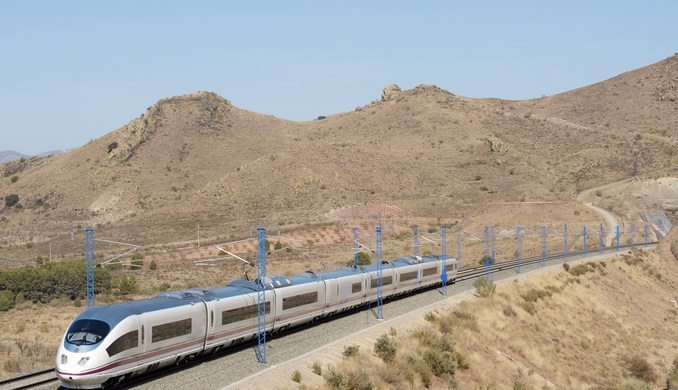
Major high-speed networks require mandatory pre-booking and supplementary fees. For instance, France’s TGV network and Spain’s AVE high-speed trains require formal seat reservations. Typical reservation fees for high-speed services range from $10 for second-class seats to $25 or more for first-class accommodations. During peak summer travel periods, these trains can book out weeks in advance, requiring travelers to plan key transit legs ahead of time despite the pass’s inherent flexibility.
In contrast, extensive rail networks in Germany, Switzerland, Austria, Belgium, and the Netherlands generally do not require seat reservations for standard trains, allowing pass holders to simply board any scheduled service at their convenience.
The Resurgence of European Sleeper Trains
The 2026 rail environment is also defined by a renaissance in overnight train travel. Driven by environmental sustainability initiatives and consumer demand for flight alternatives, operators such as ÖBB Nightjet and European Sleeper have significantly expanded their networks connecting Central, Western, and Northern Europe.
Interrail passes cover the base transportation cost of these overnight journeys, but travelers must still purchase a separate sleeper berth or couchette reservation. Supplements typically range from 20 to 60 euros for a multi-bed compartment (5–6 bunks) up to 100 euros for a private double-sleeper cabin. Notably, overnight trains departing after 7:00 PM are counted on the pass using the arrival date, meaning a sleeper journey consumes only a single travel day on flexible passes.
First-Class Versus Second-Class Travel
Passengers must choose between first-class and second-class passes. Second-class rail travel in Europe is widely recognized as modern, clean, air-conditioned, and exceptionally comfortable, making it the default choice for budget-conscious backpackers and general tourists.

First-class passes offer enhanced amenities, including wider seats, increased legroom, quieter coaches with lower passenger density, and larger luggage storage areas. On select international routes, first-class pass holders may also receive at-seat dining services, though food and beverage items generally incur an additional charge.
Broader Partnerships and Additional Benefits
Beyond transportation, the Interrail ecosystem functions as a broader travel club through partnerships across Europe. Pass holders gain access to over 100 complementary benefits and discounts, including:
- Up to 15% off City Sightseeing tour tickets and local excursion packages.
- 10% discounts at participating properties within Europe’s Famous Hostels network.
- 20% discounts on food and non-alcoholic beverages at participating Hard Rock Café locations across major European cities.
- Up to 50% reductions on select ferry crossings and municipal city cards.
These perks are accessible directly through the mobile application by presenting the digital pass interface or utilizing pass-specific discount codes for online bookings.
Global Context: How Interrail Compares Internationally

While Interrail remains the definitive standard for European rail touring, international equivalents offer varying degrees of value for global travelers. The Swiss Travel Pass continues to be cited as one of the world’s premier rail investments, seamlessly bundling trains, scenic postal buses, lake boats, and museum admissions into a single ticket. Conversely, the Japan Rail Pass experienced significant price increases following major structural adjustments, prompting travelers to carefully compare pass costs against individual point-to-point tickets or regional passes like the JR Regional Passes, which often represent superior value.
Conclusion
The unified Interrail pass system in 2026 remains an unmatched tool for travelers seeking flexibility, immersion, and scenic transit across the European continent. While advance-purchase ticket strategies can occasionally undercut pass pricing for rigid itineraries, the ability to change travel plans spontaneously, coupled with digital integration and expansive geographic coverage, ensures that the rail pass remains a cornerstone of international travel culture.