The Evolution of the Travel Narrative: From Exploration to Introspection
Historically, travel literature was dominated by the "Grand Tour" tradition, where the elite documented their observations of foreign monuments and social hierarchies. However, the 21st-century shift toward "experiential travel" has mirrored a change in poetic focus. Contemporary poets like Tyler Knott Gregson, in works such as "Typewriter Series #1101," emphasize the sensory and the mundane over the monumental. Gregson’s desire for a life measured in "first steps on foreign soils" and "short sleeps on long flights" highlights a modern preoccupation with the accumulation of experiences rather than the acquisition of goods.

This transition from the external to the internal is supported by psychological research. According to studies published in the Journal of Personality and Social Psychology, extended travel and exposure to foreign cultures can lead to an increase in "openness to experience" and a more complex sense of self. Poetry serves as the primary medium for capturing this neuroplasticity in real-time, documenting the "heightened senses" and the "significant weight" that small observations carry when one is removed from the familiar.

Chronology of the Human Condition in Transit
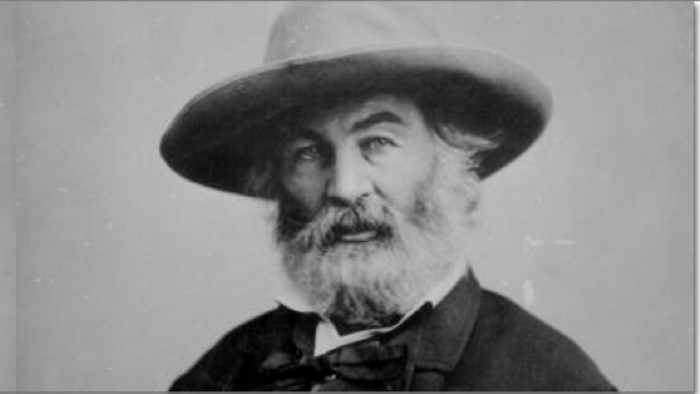
The timeline of travel poetry spans centuries, yet the core themes of longing and discovery remain consistent. In the mid-19th century, Walt Whitman’s "Song of the Open Road" established the American archetype of the traveler as a "light-hearted" seeker of "good fortune" found within the self. Whitman’s work serves as the foundational text for the democratization of travel, suggesting that the road is a space where social hierarchies dissolve and the "profound lesson of reception" is learned.

Moving into the 20th century, the tone shifted toward the philosophical and the skeptical. Elizabeth Bishop’s "Questions of Travel" (1965) challenged the very impulse to move, asking if it is a "lack of imagination" that drives humans to "rush to see the sun the other way around." Bishop’s inquiry remains a vital part of the travel discourse, forcing a confrontation between the "imagined place" and the reality of the destination.

By the late 20th and early 21st centuries, the focus expanded to include the logistical and the banal. Rita Dove’s "Vacation" and Lori Jakiela’s "The Lady in 38C" move the setting from the "open road" to the airport terminal and the airplane cabin. These works analyze the "stretch of no time" found in transit hubs and the unique social microcosm of the flight, where "nearly everyone is miserable" but "small joys" are still accessible.

The Psychological Impact of Solo Travel and Solitude
A significant portion of contemporary travel poetry is dedicated to the specific nuances of solo exploration. Simon Constam’s "Dislocation" addresses the paradoxical envy that travelers often feel for those back home, even while being the subject of envy themselves. Constam’s reflection on the "frisson of happiness that wishes bring" captures the emotional complexity of being "elsewhere" without a defined purpose, a common psychological state known as "traveler’s vertigo."

John O’Donohue, an Irish philosopher and poet, provided a spiritual framework for this solitude. In "For the Traveler," O’Donohue argues that travel creates a "new silence" that allows the heart to speak. This is echoed in the work of an anonymous poet (often attributed to Sana Musasama) in "Why Do I Travel?", which describes the road as a place where one becomes an "ambassador, a dancer, medicine woman, an angel and even a genius."
Market data supports this poetic focus on self-transformation. A 2024 survey by solo travel platforms indicated that 60% of solo travelers cite "self-discovery" and "freedom" as their primary motivators. Poetry serves as a qualitative data set for these statistics, providing the emotional context that quantitative surveys often miss.
The Economics of the "Package Holiday" and Post-Modern Realism
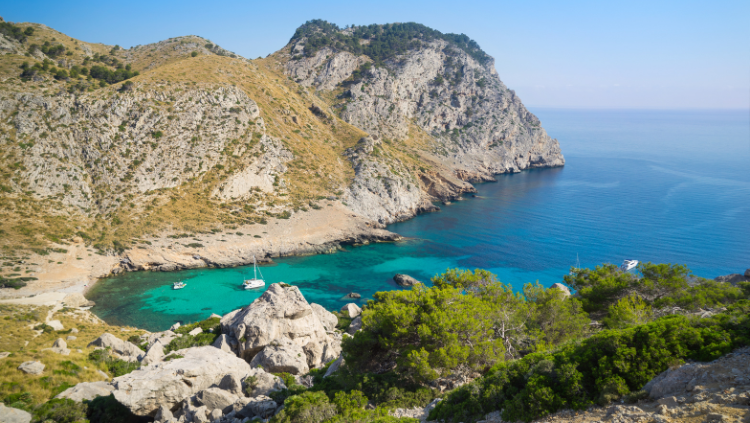
Not all travel poetry is reverent. The genre also includes sharp critiques of the tourism industry and the homogenization of the travel experience. John Cooper Clarke’s "Majorca" offers a satirical look at the "package holiday," complete with "wet white paint," "fake Chanel," and "stomach infections." Clarke’s work highlights the disconnect between the marketing of a "blue Mediterranean" and the reality of overcrowded, industrialized tourism.
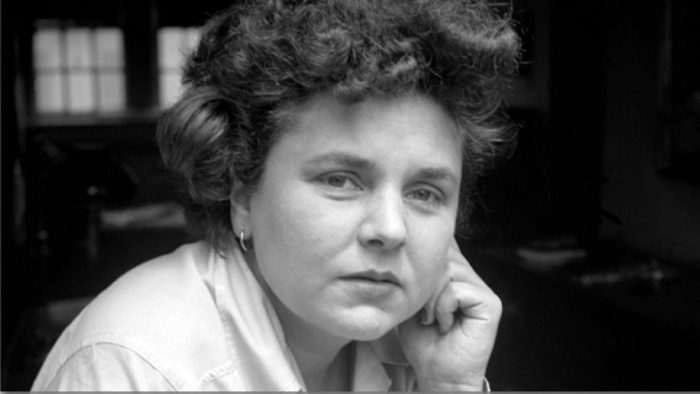
Similarly, Sheenagh Pugh’s "The Opportune Moment" warns against the modern tendency to document travel through cameras and notebooks rather than direct experience. Pugh suggests that by focusing on the "upload," the traveler misses the "smell of almond paste" and the "sound of wind slapping on chains," ultimately leaving the destination without having "really been there." This critique aligns with contemporary discussions on "slow travel," a movement that encourages tourists to engage more deeply with local cultures rather than rushing through "bucket list" checklists.
Environmental Implications and the Future of Travel
As the global community grapples with the climate crisis, travel poetry has begun to reflect environmental anxieties. Sheenagh Pugh’s "Do You Think We’ll Ever Get to See Earth, Sir?" projects a future where the planet has become a toxic ruin, visited only by the "young and fit" on specialized tours. The poem serves as a poignant reminder of the "terrible beauty of galaxies and granite and bone" and the responsibility of the traveler to witness the world "as if you were made of eyes."

This environmental turn in literature reflects broader shifts in the travel industry. The rise of "ecotourism" and "sustainable travel" initiatives are responses to the same concerns voiced by poets: that the very act of traveling to beautiful places may contribute to their destruction. The poetic "map" of a passing world becomes a vital record of what is at stake.
Official Responses and Cultural Significance
Literary organizations and cultural institutions have increasingly recognized the value of travel poetry in fostering international understanding. The Academy of American Poets and the Poetry Foundation frequently curate collections centered on global perspectives, citing poetry’s ability to bridge "the hurdle of language" and deter "untiring want" for connection.

In Italy, the work of Gio Evan has been celebrated for its promotion of tolerance. His poem "Viaggiate" (Travel) has been widely shared as a manifesto against racism, arguing that travel "teaches us to resist, not to depend, to accept others not just for who they are but also for what they can never be." This sentiment is echoed by cultural ministries worldwide that utilize literature to promote "citizen of the world" identities.
Broader Impact and Conclusion: The Enduring Road
The 21 best poems about travel, life, and love collectively suggest that movement is more than a physical transition from one geographic coordinate to another; it is a fundamental requirement for the "attainment of a splendid happiness," as Martha Medeiros posits in "Die Slowly." By challenging routines, risking the "certainty for uncertainty," and "listening to music" and "finding grace," the traveler avoids the "death in small doses" that comes from stagnant habits.

In a world increasingly mediated by screens and digital interfaces, the "open road" of Whitman and the "thunderous journey" of Geneen Marie Haugen remain essential. Whether it is through the "ironical smiles" of those who stay behind or the "wing fragments" brought back by those who go, travel poetry remains a vital record of the human spirit’s refusal to remain "sheltered in port." As the industry continues to evolve toward more sustainable and introspective models, the poets will undoubtedly remain the primary cartographers of the "territories of spirit" where the "hidden life" is discovered.