The annual transformation of New England’s forests into a vibrant mosaic of crimson, gold, and burnt orange is one of the most significant natural phenomena in the United States, drawing millions of domestic and international visitors to the region each year. As planning commences for the 2026 season, meteorological experts and regional tourism boards are evaluating long-range climate models to provide a preliminary outlook for what has historically been a critical economic engine for the Northeast.
Understanding the timing of peak foliage requires an analysis of complex biological and environmental factors. The transition of leaves from their summer green to autumn brilliance is dictated by the cessation of chlorophyll production as daylight hours shorten. The subsequent emergence of carotenoids and anthocyanins reveals the underlying pigments that define the autumnal aesthetic. While the process is cyclical, the precise timing and intensity of the color change are sensitive to annual variables, including late-summer moisture levels, temperature fluctuations, and the specific composition of tree species within a given forest stand.
Chronology and Predictive Models for 2026

Long-range forecasting for 2026 suggests a potential deviation from historical norms, influenced largely by shifting global weather patterns. Meteorological data, including the possible persistence of El Niño conditions, indicates that the region may experience a slightly delayed onset of the peak color window. Historically, northern latitudes, such as the Northeast Kingdom of Vermont and the higher elevations of New Hampshire’s White Mountains, experience the earliest color shifts, often beginning in mid-to-late September. Southern New England, including coastal Massachusetts, Connecticut, and Rhode Island, typically follows suit, reaching peak intensity in mid-to-late October.
For the 2026 season, current models point toward an optimal viewing window spanning from late September through the third week of October. The Old Farmer’s Almanac and regional forestry agencies frequently utilize historical trend data to estimate these windows, with early October consistently emerging as the period of maximum saturation across the diverse geography of the six-state region.
Scientific Variables and Environmental Impact
The quality of the foliage display is fundamentally tied to the health of the regional ecosystem. According to studies by the United States Forest Service, the interplay between daytime sunlight and nighttime temperature is paramount. Clear, sunny days promote sugar accumulation in leaves, while cool, crisp nights trigger the chemical reactions that lock those sugars in, resulting in the most vibrant red and purple hues.

Conversely, extreme weather events—such as prolonged droughts or intense late-summer storms—can have detrimental effects. A drought-stressed forest may see leaves turn prematurely and fall before achieving a full spectrum of color, a phenomenon that has been documented in various pockets of New England during anomalous climate years over the past decade. Consequently, local agricultural departments and environmental researchers emphasize that while long-range models provide a baseline, localized weather during the months of August and September will serve as the final arbiter of the season’s intensity.
Economic and Regional Implications
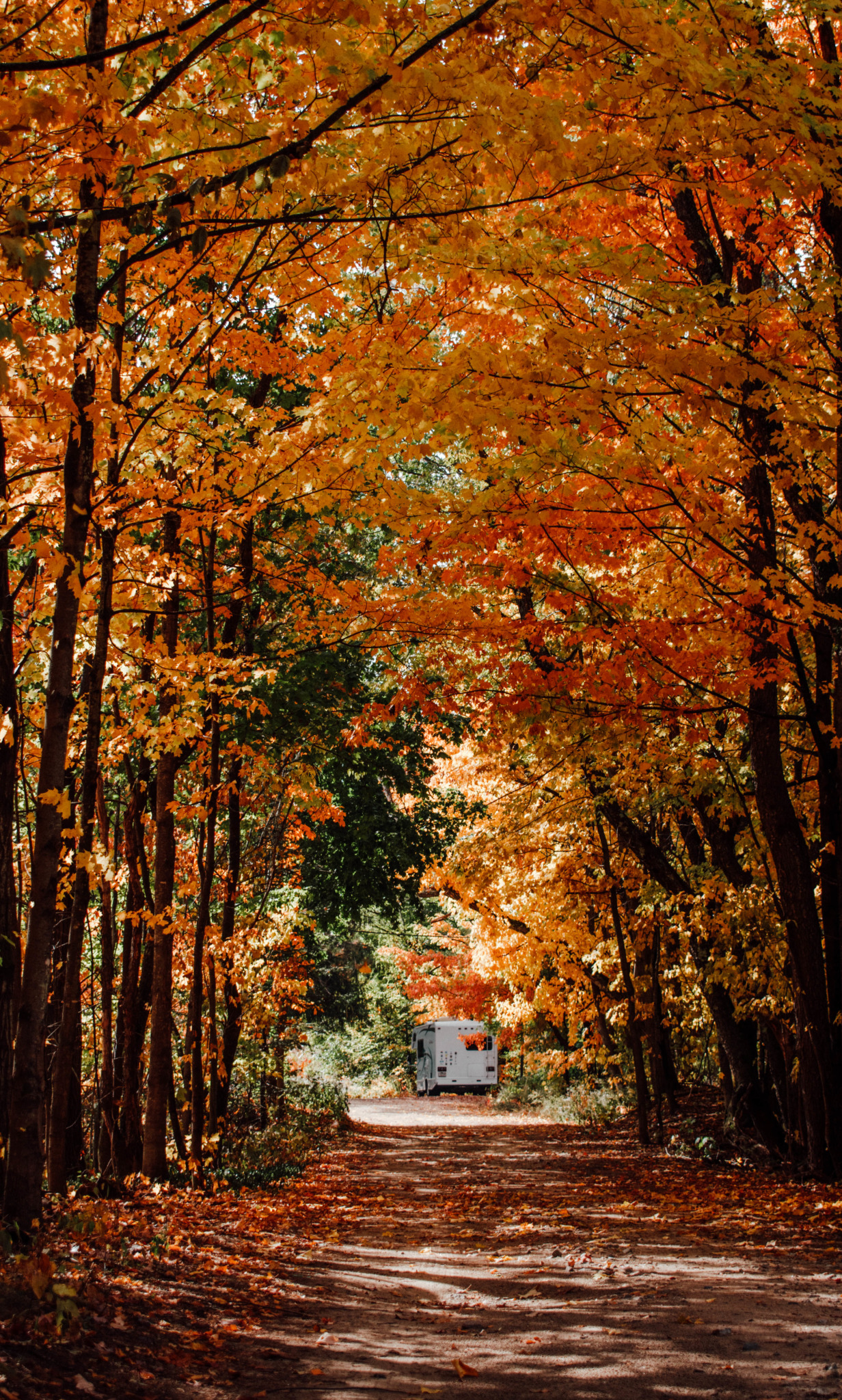
The "leaf-peeping" industry is an essential pillar of the New England economy, contributing billions of dollars annually to the regional GDP. Small businesses, ranging from apple orchards and bed-and-breakfasts to local hospitality hubs in towns like Stowe, Vermont, and Bar Harbor, Maine, rely heavily on the influx of tourists during the foliage window to sustain operations through the winter months.
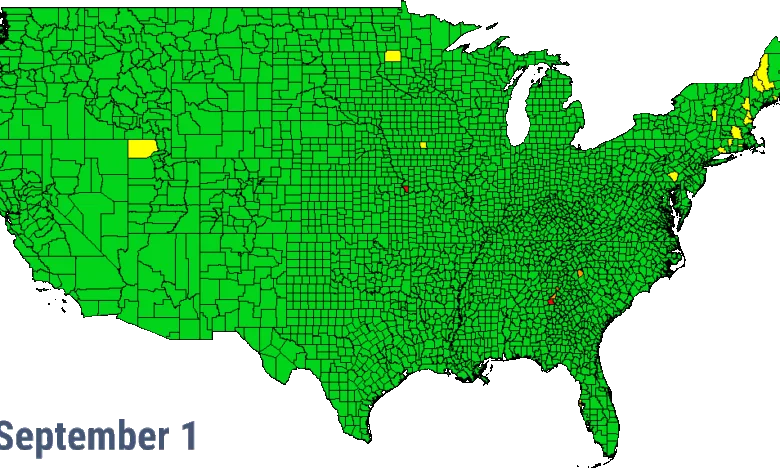
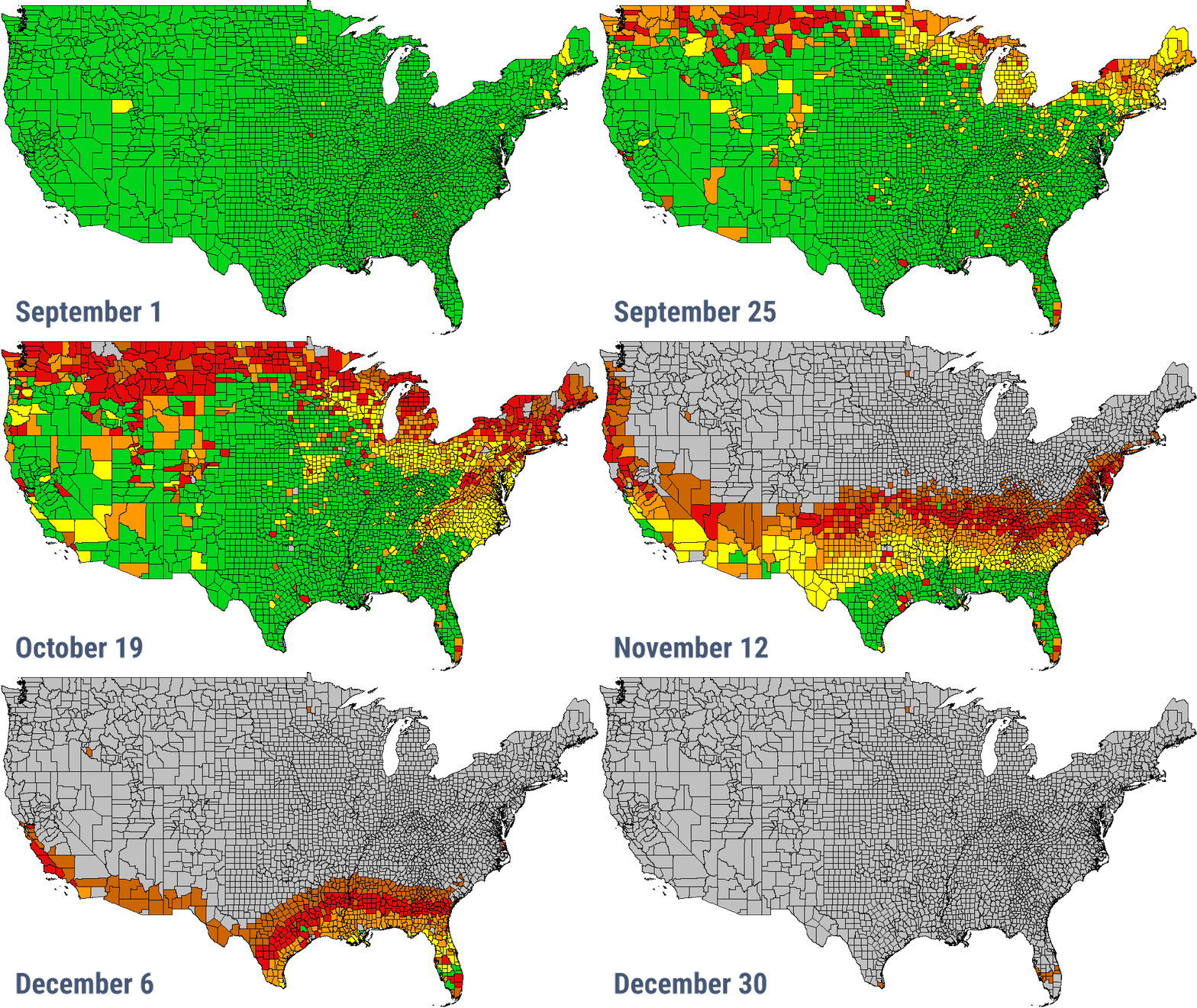
State-level tourism boards, including the Vermont Department of Tourism and Marketing and the New Hampshire Division of Travel and Tourism Development, have observed a trend of "extended seasonality" in recent years. This shift has led to improved traffic management strategies and the development of digital, real-time foliage trackers. These tools, which utilize satellite imagery and on-the-ground reporting from park rangers and forestry experts, allow visitors to make data-driven travel decisions, thereby distributing tourist traffic more evenly across the landscape and mitigating the impact of overcrowding in popular hotspots such as the Kancamagus Highway or Acadia National Park.
Strategic Planning for Visitors
For those intending to visit during the 2026 season, the consensus among regional experts is to remain flexible. Because peak foliage is a moving target, relying on real-time updates—rather than rigid, pre-booked itineraries—is recommended. The following geographic breakdown serves as a baseline for travel planning:
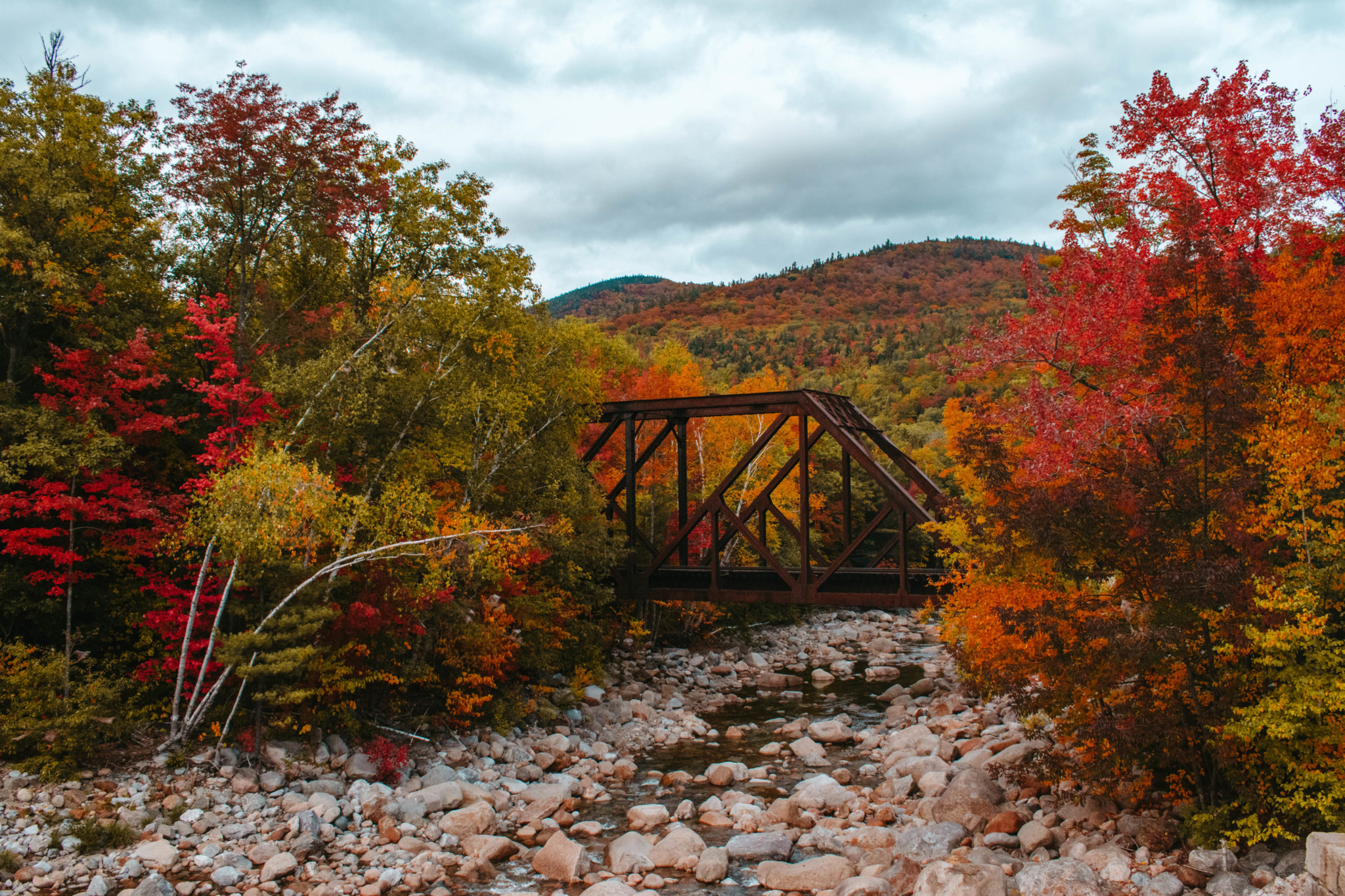
- Northern New England (Vermont, New Hampshire, Maine): These areas should be prioritized for late September through early October. Locations such as Baxter State Park and the Green Mountains are consistently among the first to show color.
- Central and Southern New England (Massachusetts, Connecticut, Rhode Island): These regions provide a more temperate experience, with peak colors typically manifesting between mid-October and the final days of the month. Coastal drives, such as those along the Rhode Island shoreline or through the Berkshires, offer a unique aesthetic where autumn colors are contrasted against the backdrop of the Atlantic Ocean or rolling pastoral landscapes.
Professional Recommendations and Resources
To ensure the most accurate information as the season approaches, travelers are encouraged to consult official state resources, which provide daily updates on color progression. The use of state-managed foliage maps, which are cross-referenced with localized temperature data, remains the most reliable method for tracking the progression of the season.

Furthermore, the conservation of these natural sites remains a priority. Regional authorities often remind visitors to adhere to "Leave No Trace" principles, particularly as the high volume of foot and vehicle traffic during the peak season can exert significant pressure on local infrastructure and sensitive ecosystems. By utilizing designated parking areas and adhering to marked trails, visitors contribute to the long-term sustainability of the very landscapes they travel to observe.
Looking Toward 2026
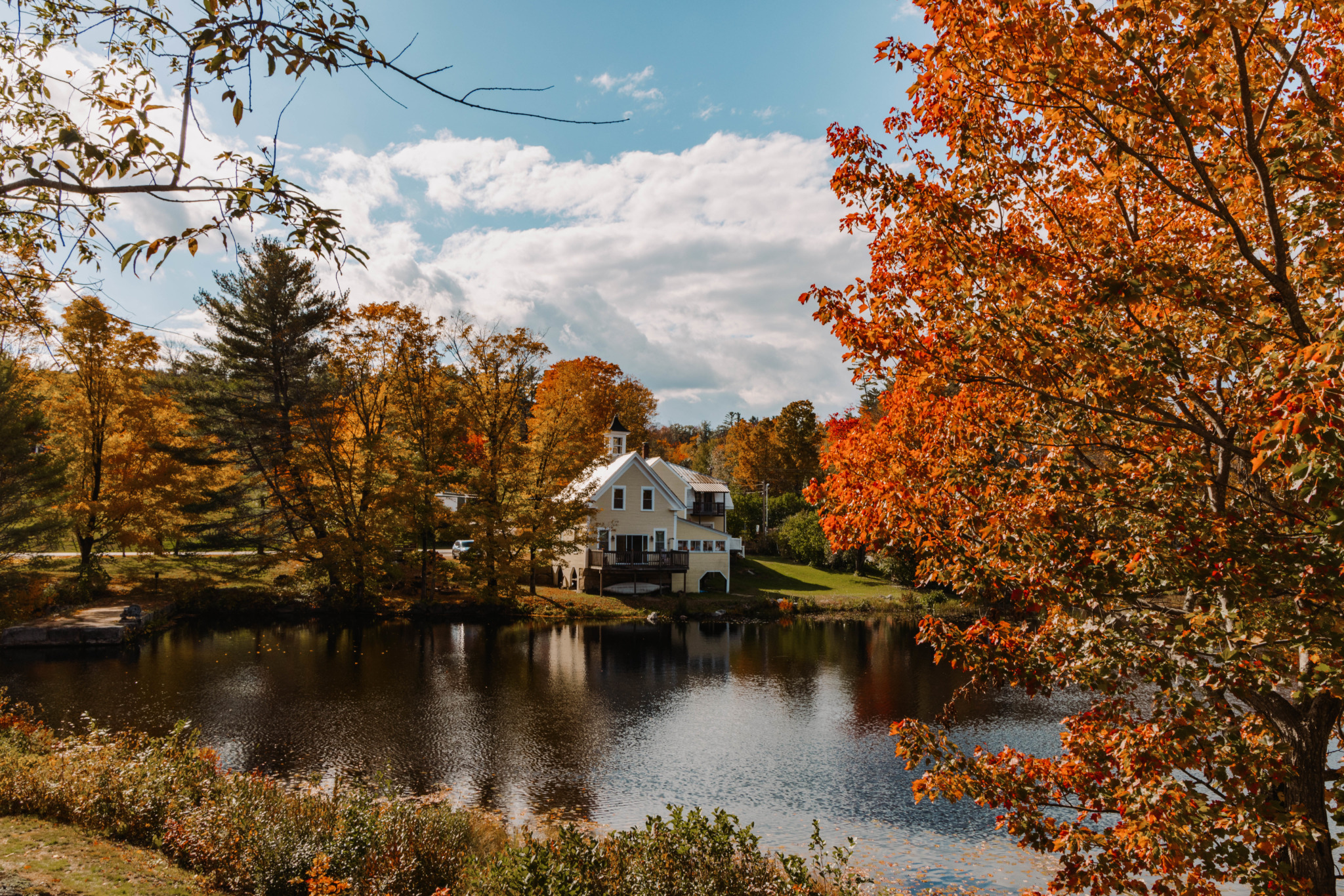
As the region moves toward the autumn of 2026, the intersection of climate science and tourism management will continue to refine the accuracy of foliage predictions. While the exact timing of the "peak" remains subject to the variability of nature, the fundamental cycle of the New England autumn remains a reliable and highly anticipated annual event. With adequate planning and a reliance on real-time, data-driven resources, the upcoming season promises to provide the same level of environmental beauty that has defined the region for generations.
For those coordinating travel, the integration of long-range weather updates with local, state-issued forestry reports will be the most effective strategy for capturing the essence of the season. Whether exploring the rugged peaks of the White Mountains or the tranquil, historic villages of Connecticut, the 2026 foliage season is positioned to be a significant subject of study for meteorologists and a profound experience for those who witness the seasonal transition firsthand. The stability of the regional climate, despite the fluctuations of specific years, remains the primary driver that keeps New England at the forefront of global autumn travel destinations. As the year progresses, continued monitoring of late-summer rainfall and early-fall temperatures will provide the necessary data to narrow these broad predictions into precise, actionable windows for the public.