American Express and Airbnb announce strategic partnership to integrate vacation rentals into the Amex Travel ecosystem

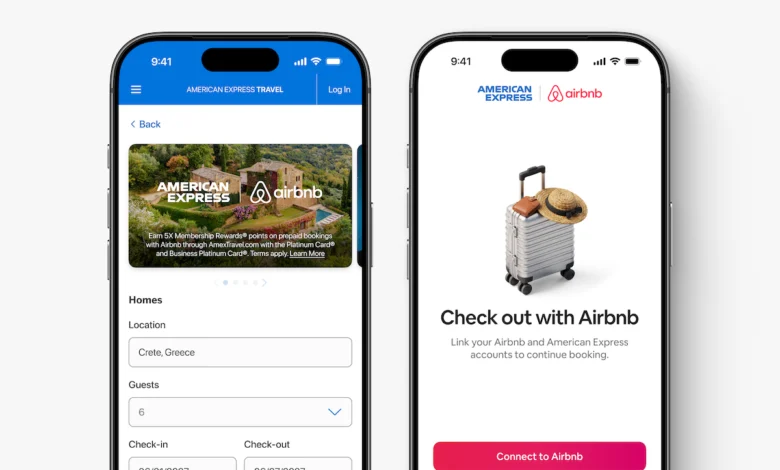
The landscape of digital travel distribution shifted significantly on Thursday as American Express officially integrated Airbnb into its proprietary travel portal, marking a rare moment of convergence between the world’s most recognizable credit card brand and the global leader in short-term accommodations. Under the terms of the new agreement, Airbnb will serve as the exclusive vacation rental partner for American Express Travel, populating a dedicated “Homes” tab on both the AmexTravel.com web interface and the mobile application. This integration provides Amex cardmembers with direct access to more than 1 million curated listings, effectively bridging the gap between premium credit card loyalty ecosystems and the flexible, residential-style travel market.
While the partnership promises to enhance the utility of the Amex Travel platform, it also creates a complex, tri-party dynamic within the travel industry. American Express has maintained a longstanding, deep-rooted relationship with Expedia Group, which has served as a primary technology and supply provider for the credit card issuer since 2015. The addition of Airbnb into this ecosystem does not signal a decoupling from Expedia; rather, it represents a diversification of the Amex supply chain, positioning the company to offer a more holistic inventory that encompasses everything from traditional hotel chains and airline seats to independent vacation homes.
A Strategic Pivot in Travel Inventory
The introduction of the Homes tab is not merely a feature update; it is a calculated response to shifting consumer preferences that have accelerated in the post-pandemic era. Data from travel industry analysts indicates that the demand for “work-from-anywhere” capabilities and long-term stays has fundamentally altered the expectations of high-net-worth travelers. By securing Airbnb as an exclusive partner, American Express is tapping into a segment of the market that traditional hotel aggregators—which have historically relied on Expedia’s inventory—have struggled to capture with the same depth and variety.
For Airbnb, the partnership represents a significant milestone in its ongoing effort to transition from a niche peer-to-peer platform to a mainstream travel utility. By embedding its listings within the American Express portal, Airbnb gains exposure to a highly coveted demographic of affluent, high-spending cardmembers who are more likely to participate in travel loyalty programs and utilize premium booking services. The integration allows these users to utilize their Amex Membership Rewards points or card-specific benefits, such as statement credits, on Airbnb bookings, effectively lowering the barrier to entry for users who might otherwise prefer the predictable nature of a hotel stay.
The Expedia Factor and B2B Complexity
The inclusion of Airbnb within the Amex ecosystem brings the role of Expedia Group’s B2B division into sharp focus. Since the 2015 acquisition of Travelocity, Expedia has functioned as the technological backbone for numerous travel agencies, financial institutions, and airlines. Its B2B business model relies on providing the infrastructure for travel bookings—processing payments, managing inventory, and handling customer service—for companies that do not want to build their own travel engines from the ground up.
An American Express spokesperson clarified the status of the relationship in a statement to Skift, noting that the company’s existing operations with Expedia remain unchanged. This suggests that while Expedia continues to provide the core framework for traditional air and hotel bookings, Airbnb will likely operate under a different integration model, potentially leveraging its own API to provide the inventory for the new Homes tab. The arrangement suggests a “best-of-breed” approach where Amex is increasingly curating its supply rather than relying on a single, monolithic partner.
Analysts view this as a strategic defensive move for American Express. By diversifying its sources of supply, the company reduces the risk associated with relying on a single partner for its entire inventory. Furthermore, it allows Amex to negotiate more favorable terms across its various vendors, ensuring that cardmembers continue to receive competitive pricing and exclusive value-adds, which are central to the value proposition of premium cards like the Platinum and Centurion series.
Chronology of the Amex-Expedia-Airbnb Evolution
The trajectory of this partnership can be traced back to the broader maturation of the online travel agency (OTA) market:
- 2015: American Express deepens its reliance on Expedia Group following Expedia’s acquisition of Travelocity, effectively outsourcing much of its travel booking technology and inventory management to the Seattle-based giant.
- 2019-2021: The COVID-19 pandemic causes a massive shift in travel behavior. Travelers move away from crowded urban hotels toward private vacation rentals for health, safety, and long-term stay requirements.
- 2022-2024: Airbnb experiences a period of record profitability and global expansion, solidifying its position as a household name. During this time, Amex continues to iterate on its travel portal, adding features like Fine Hotels + Resorts and The Hotel Collection.
- 2025: Industry speculation grows regarding the limitations of traditional hotel supply as a sole offering for high-net-worth individuals.
- October 2026: The official announcement of the Amex-Airbnb partnership, marking the first time the two companies have formally integrated at this scale.
Implications for the Travel Ecosystem
The long-term implications of this partnership are likely to ripple through the travel industry in three key areas: loyalty programs, competition, and technological infrastructure.
First, the integration forces other major credit card issuers—such as JPMorgan Chase and Capital One—to evaluate their own travel portals. If American Express succeeds in driving significant volume to Airbnb, competitors will likely face pressure to form similar exclusive alliances. This could lead to a “land grab” for inventory, where private vacation rental platforms become the next frontier of credit card rewards competition.
Second, for the average traveler, the convenience of centralizing bookings cannot be overstated. By managing flight, hotel, and rental home bookings through a single interface, cardmembers can better track their itineraries and maximize their rewards. However, this also centralizes power within the Amex ecosystem, making the portal a “walled garden” that incentivizes users to stay within the Amex platform rather than comparing prices on third-party sites like Google Flights or Booking.com.
Third, the technological challenges of this integration should not be underestimated. Synchronizing the booking, cancellation, and customer support workflows of a massive hotel aggregator like Expedia with the dynamic, owner-managed model of Airbnb requires sophisticated API development. If the user experience is seamless, it will set a new standard for travel portals. If it is plagued by synchronization errors or service gaps, it may cause friction for cardmembers accustomed to the white-glove service typically associated with the American Express brand.
Analyzing the Market Reaction
While financial markets generally react positively to strategic partnerships that expand revenue streams, the long-term impact on margins for both Amex and Airbnb remains to be seen. Airbnb, which has historically relied on its direct-to-consumer app and website, is effectively opening a new distribution channel. While this will undoubtedly increase booking volume, the company must also manage the commission structures inherent in B2B partnerships.
For American Express, the cost of this integration—both in terms of technical development and the potential renegotiation of existing supply contracts—is a calculated investment in retention. The more travel services Amex can bundle within its platform, the harder it becomes for a cardmember to justify canceling their card. As the company continues to battle for the loyalty of the affluent traveler, the ability to offer a "one-stop-shop" experience that includes both the reliability of luxury hotels and the unique, local experience of an Airbnb home provides a competitive edge that is difficult to replicate.
Looking Toward the Future
The American Express and Airbnb alliance is a testament to the fact that even the most dominant players in the travel industry must adapt to stay relevant. By merging the infrastructure of legacy travel providers with the disruptive, decentralized model of the sharing economy, Amex is signaling that the future of travel is not binary. It is not hotels versus homes, but rather a hybrid model where travelers expect the convenience of institutional booking combined with the variety of independent property owners.
As the Homes tab goes live, the industry will be watching closely to see how effectively the integration handles the complexities of customer service, such as property disputes or cancellations, which have historically been pain points for short-term rentals. If the partnership can provide a high level of reliability and consistent support for cardmembers, it will likely serve as a blueprint for the next generation of travel distribution.
The move also underscores the resilience of the travel sector, which has continued to innovate despite macroeconomic pressures. By aligning with a brand that has become synonymous with modern travel, American Express is not just selling a credit card; it is selling an experience that spans the entire journey, from the moment of booking to the final day of the trip. Whether this partnership leads to a broader consolidation of travel services or remains a niche addition to the Amex portfolio, it marks a pivotal moment in the ongoing evolution of how we plan, pay for, and experience the world.