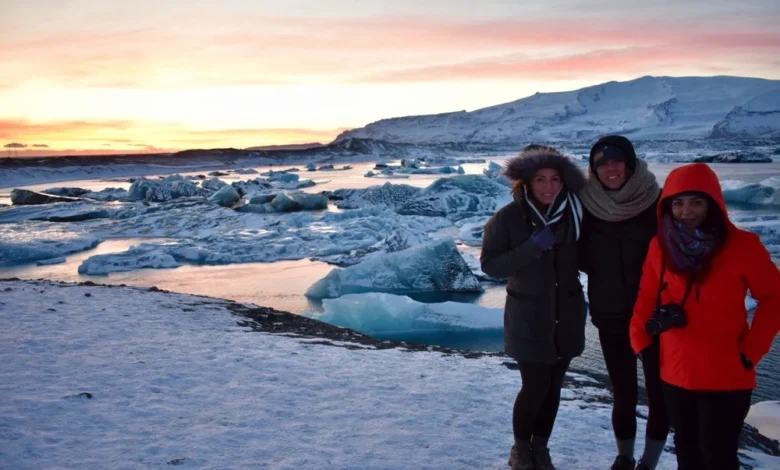
Iceland has solidified its reputation as one of the world’s premier destinations for independent travelers, largely due to a geography that rewards self-directed exploration. While organized tour operators provide structured access to major landmarks, the logistical trend among international visitors has shifted heavily toward vehicle rentals. This transition is driven by the vast, sparse landscape, which features a convergence of glacial terrain, geothermal fields, and volcanic coastlines that are not easily accessible via public transit. As of 2026, the legislative landscape for road travel in Iceland has undergone significant changes, introducing new fiscal policies that travelers must integrate into their budgetary planning.
The Evolution of Iceland’s Road Charging Infrastructure
A critical development for motorists in Iceland occurred on January 1, 2026, when the government implemented a standardized, kilometer-based road charge. This policy was enacted to address the long-term maintenance costs of the nation’s infrastructure, which faces extreme wear due to severe weather conditions and the high volume of heavy, all-terrain tourist vehicles. Unlike traditional toll systems that rely on physical gates, the new system is designed to be largely automated, reflecting a broader digital transformation of Icelandic public services.

Under the current framework, vehicles are subject to a fee of ISK 6.95 per kilometer, or a flat daily rate of ISK 1,390 for rental cars. This mandate applies to all registered vehicles, regardless of their propulsion method—a notable policy shift aimed at ensuring that electric and hybrid vehicles contribute proportionately to road maintenance, a trend seen in other Scandinavian nations. Data from the Icelandic Road and Coastal Administration suggests that these fees are necessary to offset the rapid degradation of gravel roads, particularly those in the Highlands that require significant annual clearing and repair.
In addition to the kilometer-based charge, specific infrastructure projects operate on a toll-based revenue model. The Vaðlaheiðargöng tunnel, located in the northern region near Akureyri, remains the most prominent example. By bypassing the treacherous Víkurskarð mountain pass, the tunnel provides a safer, more efficient transit option, though it requires a fee of ISK 2,216 for standard passenger vehicles. As of March 2026, the government has emphasized that there will be no move toward traditional, labor-intensive toll booths, favoring digital registration and payment portals that integrate directly with rental agency billing systems.
Strategic Itinerary Planning and Seasonal Considerations
The logistical viability of a road trip in Iceland is inextricably linked to the season. The summer window, spanning June through August, offers the most stable conditions, characterized by nearly 20 hours of daylight. However, this period coincides with peak tourist density, leading to increased demand for car rentals. Industry analysts report that average daily rental costs during July typically reach USD 100, though this figure fluctuates significantly based on vehicle class.

For those planning travel during the shoulder seasons—May, September, and October—the primary incentive is a lower cost of entry and a reduction in crowd density. Nevertheless, these periods carry increased risks. The transition from autumn to winter often brings unpredictable cyclonic weather, which can lead to the sudden closure of secondary routes. The Icelandic Meteorological Office frequently warns that "winter-like" driving conditions can emerge as early as late September.
The Highland interior, known for its "F-roads," represents a distinct challenge. These routes, which traverse the uninhabited, rugged center of the island, are subject to strict seasonal regulations. Most F-roads remain closed until late June or early July, contingent upon the completion of snowmelt and ground stabilization. Accessing these areas legally and safely requires a four-wheel-drive vehicle, and even then, drivers are cautioned that standard insurance policies rarely cover damages incurred during river crossings. This is a significant point of contention between rental agencies and tourists, as rescue operations for stranded vehicles in the Highlands are resource-intensive and often involve high out-of-pocket costs for the driver.
Economic and Environmental Impact of Independent Travel
The shift toward independent car rentals has prompted a series of debates within Iceland regarding environmental preservation and traffic safety. The "SafeTravel" initiative, managed by the Icelandic Association for Search and Rescue, has consistently lobbied for higher awareness among tourists who may be unfamiliar with high-latitude driving. The volatility of Icelandic weather, characterized by sudden, high-velocity wind gusts capable of damaging vehicle doors or forcing cars off the road, remains a significant safety concern.

From an economic perspective, the rental market is a pillar of the Icelandic tourism sector. However, the reliance on road travel has led to a push for more sustainable infrastructure. The government’s decision to apply road charges to all vehicle types—including electric cars—is seen as an attempt to manage the environmental footprint of the massive influx of tourists while maintaining the integrity of the Ring Road (Route 1). This 1,332-kilometer highway serves as the backbone of the national transit system, connecting most inhabited parts of the country.
Data Analysis: Navigating the Route
For those planning to traverse the Ring Road, experts recommend a minimum of 8 to 14 days. This timeframe accounts for the reality that weather-related delays are not an exception but a statistical likelihood. A rushed itinerary, attempting the loop in under 7 days, often results in poor road safety choices and missed opportunities to engage with the unique geography of the East Fjords or the northern volcanic regions.
The "Golden Circle," a shorter loop including Thingvellir National Park, the Geysir geothermal area, and Gullfoss waterfall, remains the most heavily trafficked route. Due to its proximity to Reykjavík, it serves as a litmus test for the country’s traffic management. During the peak summer months, the concentration of rental vehicles on this route has prompted calls for a more robust visitor management strategy, potentially including reservation systems for parking at high-impact sites.

Essential Safety Protocols and Regulatory Compliance
Driving in Iceland requires strict adherence to local regulations that differ from those in North America or continental Europe. Key among these is the requirement for headlight usage at all times, regardless of time or weather. Furthermore, the prevalence of one-lane bridges—particularly in the southern and eastern regions—necessitates a specific driving etiquette. The right-of-way is generally granted to the vehicle that arrives at the bridge first, though in practice, this requires a level of caution and communication that many international drivers find challenging.
The presence of livestock, particularly free-roaming sheep, adds another layer of complexity. These animals are a common sight along the roadside, and incidents involving wildlife collisions are a significant cause of insurance claims. Consequently, the local authorities emphasize that speed limits—typically capped at 90 km/h on paved rural roads—should be viewed as maximums under ideal conditions, rather than targets.
The Role of Real-Time Data

The integration of technology into the driving experience is perhaps the most important safety advancement in recent years. Platforms like SafeTravel.is provide real-time updates on wind speeds, ice conditions, and road closures. The prevailing advice from the Icelandic Transport Authority is that travelers should treat the daily check of these data sources as a mandatory step in their morning routine. The ability to pivot—to change direction from east to west based on a meteorological warning—is a fundamental skill for any traveler in the region.
As the nation looks toward the future of its transport infrastructure, the focus remains on balancing the accessibility required for a tourism-dependent economy with the need to protect the fragile ecosystems of the interior. For the traveler, the message is clear: while renting a car provides an unparalleled degree of freedom, it also necessitates a higher degree of responsibility, preparation, and fiscal awareness. By respecting the volatile environment and adhering to the updated regulatory framework, visitors can effectively navigate the complexities of one of the world’s most dramatic landscapes.