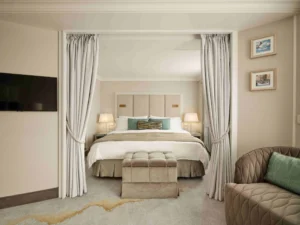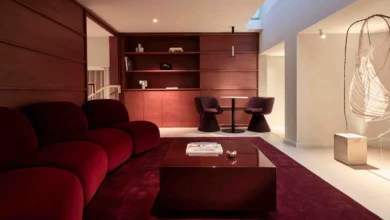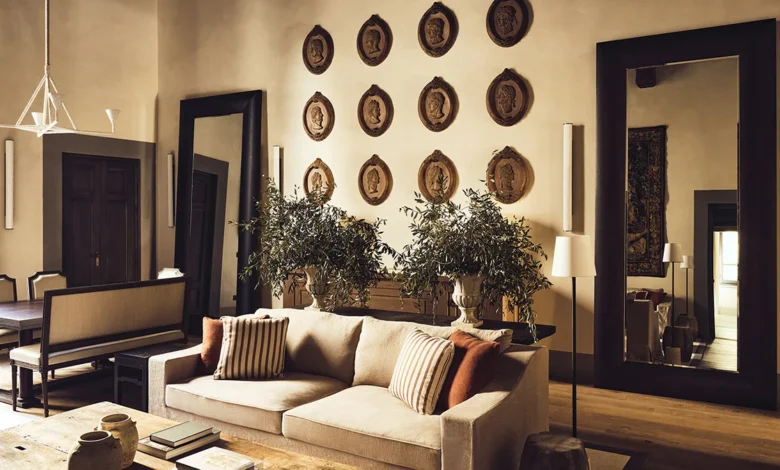
The transformation of historic architecture into high-end hospitality venues represents a significant trend in the European luxury travel sector, and the recent debut of La Réserve Firenze in Florence’s Oltrarno district serves as a prime example of this evolution. Conceived by Grégory and Olivia Marciano, the project converts a 15th-century palazzo—previously utilized as a fragmented series of student residences—into a curated collection of six expansive, fully serviced apartments. This development arrives at a time when the demand for "private-home" experiences, which combine the autonomy of a residence with the infrastructure of a five-star hotel, has reached a record high among ultra-high-net-worth travelers.
A Historical Foundation Meets Modern Utility
The Oltrarno neighborhood, historically the artisanal heart of Florence, provides a distinct contrast to the hyper-touristic zones surrounding the Piazza della Signoria. While the Piazza remains the epicenter of Medici history and political power, the southern bank of the Arno River offers a more intimate, residential character. The choice of location for La Réserve Firenze is strategic, catering to a demographic that seeks proximity to Renaissance landmarks while maintaining a sense of geographic and social distance from the densest tourist corridors.
The architectural renovation was spearheaded by the French design firm Gilles & Boissier, known for their work on luxury hotel projects globally. Their approach to the palazzo involved a delicate balance between preserving 15th-century integrity—including original frescoes and structural archways—and implementing a Modernist aesthetic. The result is a spatial design that emphasizes privacy and domesticity, moving away from the conventional "lobby-heavy" hotel experience. This reflects a shift in luxury hospitality where the ability to maintain anonymity is as valuable as the aesthetic quality of the room.

The Evolution of the Residential-Hospitality Model
The shift toward apartment-style luxury is not merely a design preference; it is a response to changing consumer behavior. According to industry data, there has been a steady increase in booking volumes for "serviced residences" rather than standard hotel rooms among travelers planning stays of five days or longer. This trend, often referred to as "residential hospitality," addresses the desire for the amenities of a five-star property—such as 24-hour concierge service, gourmet dining access, and housekeeping—without the social friction of large-scale hotel operations.
"We are seeing a segment of the market that demands a specific type of paradox: they want the independence of an apartment, but the concierge-level attention that can source a beverage or a service at any hour," explains industry analyst Julian Thorne. This model allows for a level of personalization that is difficult to scale in larger properties, effectively bridging the gap between private rentals and boutique hotels.
Chronology of Development and Strategic Positioning
The Marcianos’ entry into the Florentine hospitality market began in 2019, when they relocated from Paris. The project timeline spanned several years of rigorous renovation, necessitated by the strict heritage preservation laws governing historic structures in Tuscany.
- 2019: The Marciano family relocates to Florence, identifying a gap in the luxury market for high-touch, private residential accommodations.
- 2020–2022: Acquisition and planning phases, involving consultations with architectural historians and local authorities to ensure the structural integrity of the 15th-century palazzo.
- 2023: Construction and interior design implementation by Gilles & Boissier.
- Fall 2026: Official debut of La Réserve Firenze, coinciding with the broader resurgence of interest in immersive, authentic Italian travel experiences.
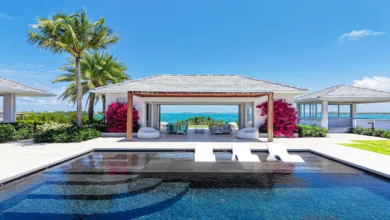
In addition to the apartment complex, the owners have extended their hospitality footprint by offering access to a private villa, once owned by a prominent member of the Gucci family. This expansion is designed to provide guests with recreational facilities—such as private tennis courts—that are typically unavailable in the urban density of central Florence.

Economic and Cultural Implications
The opening of such properties has a ripple effect on the local economy. By positioning themselves within the Oltrarno, the Marcianos are effectively diverting high-spending tourists away from the over-saturated city center and into the local ecosystem of smaller, artisanal businesses. Andrea Grisdale, founder of IC Bellagio, emphasizes that this "authentic" engagement is the primary driver for modern luxury travel.
"The modern traveler is moving away from the ‘checklist’ tourism of the last two decades," says Grisdale. "They are seeking relationships with local proprietors, whether it is the owner of a coffee roaster or a leather artisan. During the off-season, this interaction becomes much more feasible, as local businesses have the bandwidth to engage with visitors on a personal level."
The economic impact of this model is significant. By encouraging guests to engage with specific local vendors—such as Cibrèo for gastronomy or Il Bisonte for leather goods—the hotel acts as an economic multiplier for the neighborhood. This integrated approach to hospitality suggests that the future of Florence’s tourism sector may rely on decentralization, moving the economic benefits of luxury travel into the historic, residential quarters that have long been the backbone of the city’s identity.
Curating the Authentic Florentine Experience
To support their guests in navigating the local cultural landscape, the property management provides a curated "hit list" of establishments that adhere to traditional Florentine quality standards. This move is designed to mitigate the effects of "tourist traps" that have proliferated in recent years.

Essential Recommendations for the Local Experience
- Gastronomy at Cibrèo: The restaurant has gained a reputation for rejecting the standard tourist-focused pasta menus in favor of historically accurate, peasant-inspired Tuscan cuisine, such as stuffed pigeon. It serves as a benchmark for local culinary preservation.
- Coffee Culture at Dinicaffè: As the only coffee roaster operating within the historic city center, Dinicaffè provides an educational element to the coffee-drinking experience, focusing on single-source beans.
- The Negroni at Giacosa 1815: Historically recognized as the site where the Negroni cocktail was first created, this bar functions as a cultural touchstone. Its popularity is sustained by its dual role as an aperitivo spot and an after-dinner digestivo location.
- Artisanal Leather at Il Bisonte: By prioritizing workshops within a 19-mile radius, the boutique serves as a model for sustainable, locally sourced luxury, appealing to travelers interested in the provenance of their goods.
Broader Impact on Urban Hospitality
The success of La Réserve Firenze will likely serve as a case study for future developments in European cities grappling with over-tourism. By limiting the inventory to six units, the property minimizes its physical footprint while maximizing its service quality. This low-density, high-service approach aligns with the growing global movement toward "slow travel."
Furthermore, the integration of the property into a residential neighborhood forces a reevaluation of how tourism interacts with local communities. Rather than creating an "island" of luxury, the developers have integrated their services into the existing fabric of the Oltrarno. As other developers observe the success of this model, it is anticipated that there will be a continued push toward the renovation of secondary-market properties, effectively breathing new life into historic buildings that might otherwise fall into disrepair or be converted into low-quality, high-turnover rentals.
Ultimately, the debut of La Réserve Firenze signals that the definition of luxury in Florence is shifting. It is no longer defined merely by opulence or proximity to major monuments, but by the ability to offer a seamless, personalized, and culturally grounded experience. As the industry continues to evolve, the ability to balance the historical weight of a 15th-century palazzo with the fluid demands of the 21st-century traveler will remain the gold standard for success in the sector. With entry points beginning at approximately $1,500 per night, the property represents an exclusive, yet deeply embedded, entry into the Florentine lifestyle.