Revisiting American Hospitality: A Detailed Review of Santa Barbara’s Historic Simpson House Inn


Nestled within a secluded acre of meticulously manicured English gardens in Santa Barbara, California, the Simpson House Inn stands as a enduring monument to classic American hospitality. Originally constructed in 1874 for Scottish immigrant Robert Simpson, this Eastlake-style Victorian manor has weathered generations of shifting travel trends while maintaining its signature intimacy. In 1997, the estate etched its name into hospitality history by becoming the first bed and breakfast in North America to earn the American Automobile Association’s (AAA) coveted Five Diamond rating—a distinction it held exclusively for several years.
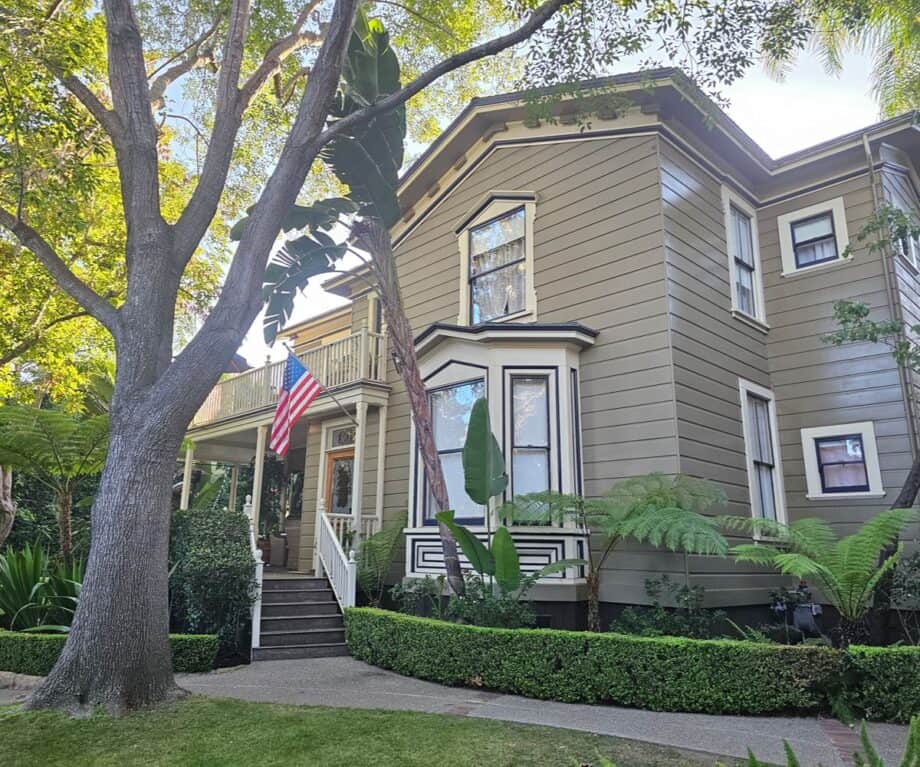
While contemporary AAA standards have heavily evolved to favor sprawling mega-resorts equipped with 24-hour digital concierges and extensive room-service fleets, the Simpson House Inn currently holds a Four Diamond status. Rather than signaling a decline in quality, this modern classification underscores the property’s unwavering commitment to hand-crafted, personalized hospitality over standardized corporate luxury.
Arrival and the California Coastal Journey
For travelers embarking on a first-time trip to Southern California, the approach to Santa Barbara frequently begins with a scenic coastal drive from Los Angeles International Airport (LAX). A typical itinerary allows for a leisurely transition from urban transit to coastal relaxation, featuring stops for a breezy stroll along Malibu Beach or a restorative brunch en route.
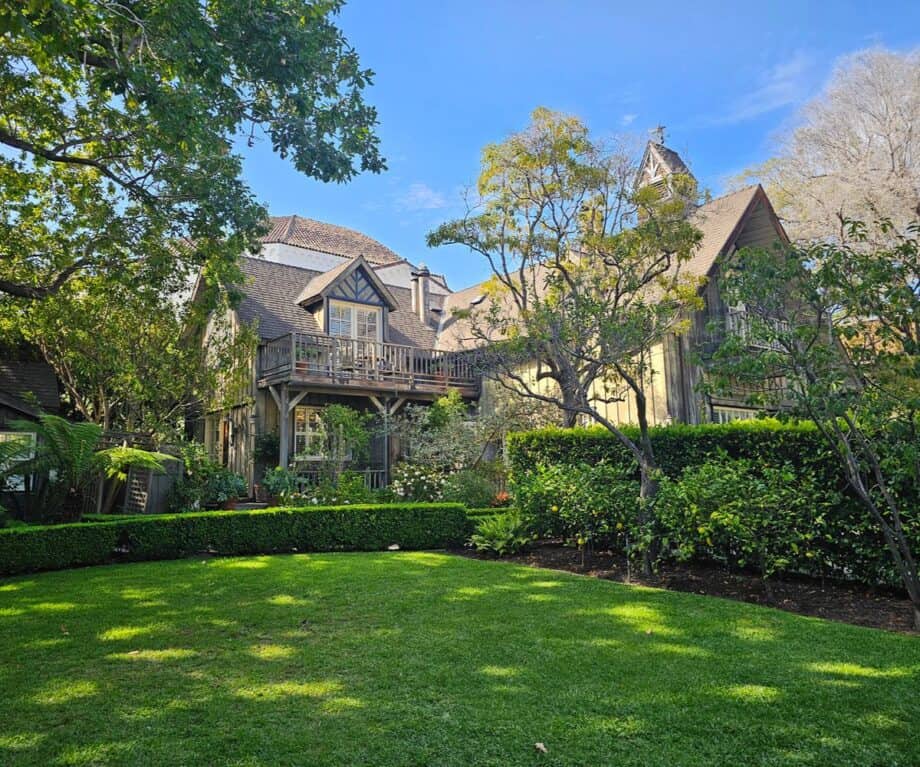
Upon arrival at the Simpson House Inn, the traditional corporate front desk experience is entirely absent. Guests are greeted directly at their vehicles by staff members, initiating an informal, frictionless check-in process designed to immediately dissolve the fatigue of travel or jet lag. This personalized welcome establishes a tone of relaxed seclusion that persists throughout the duration of the stay.
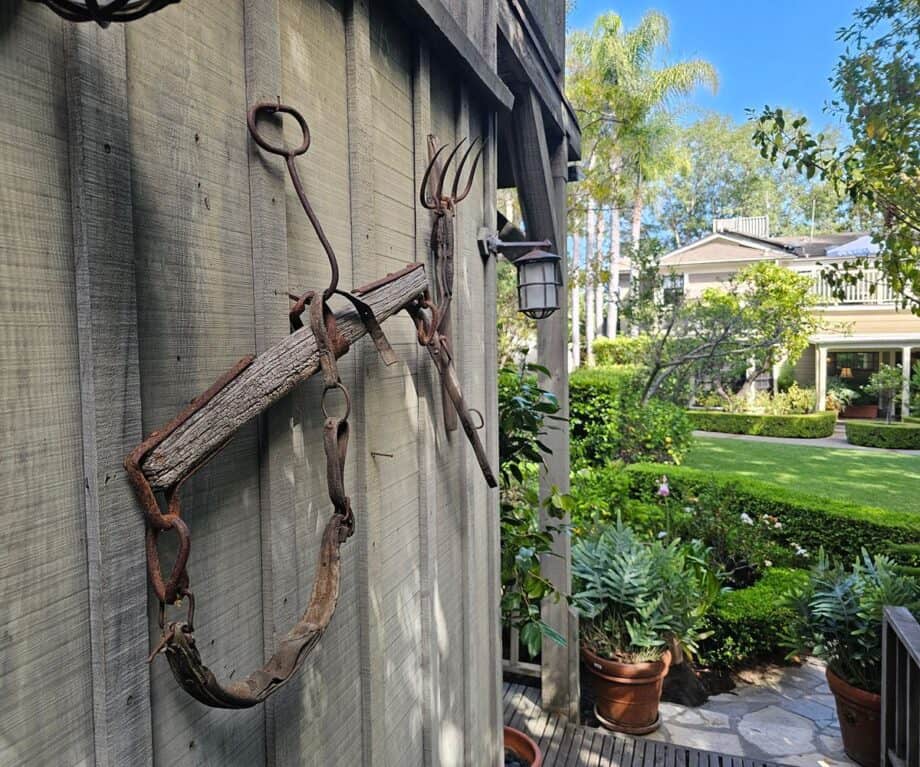
Historic Accommodations: The Carriage House and Private Cottages
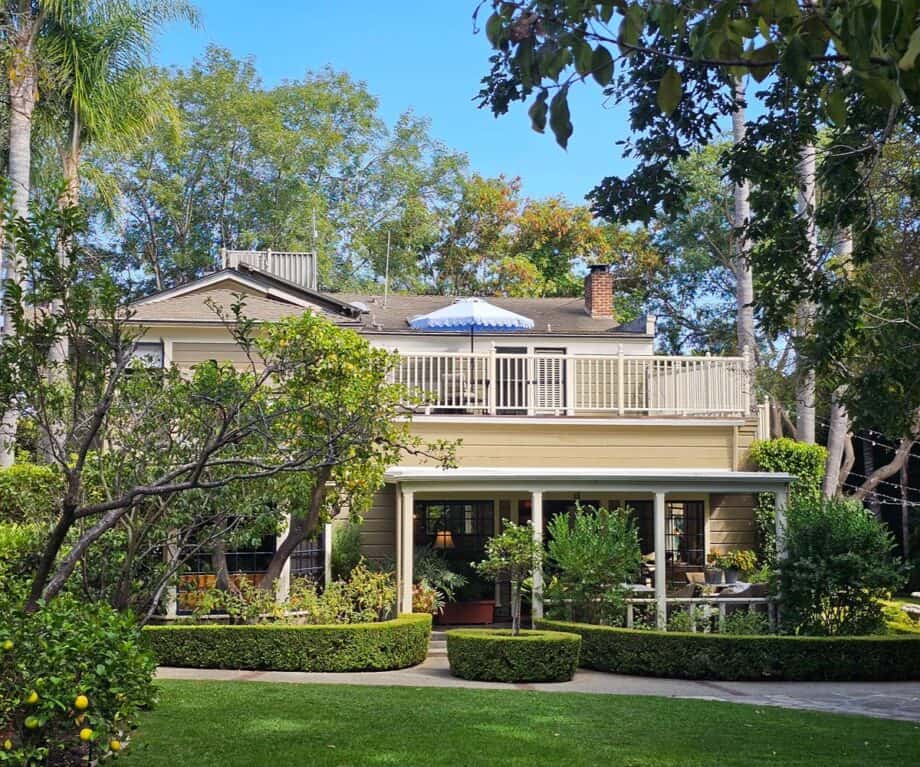
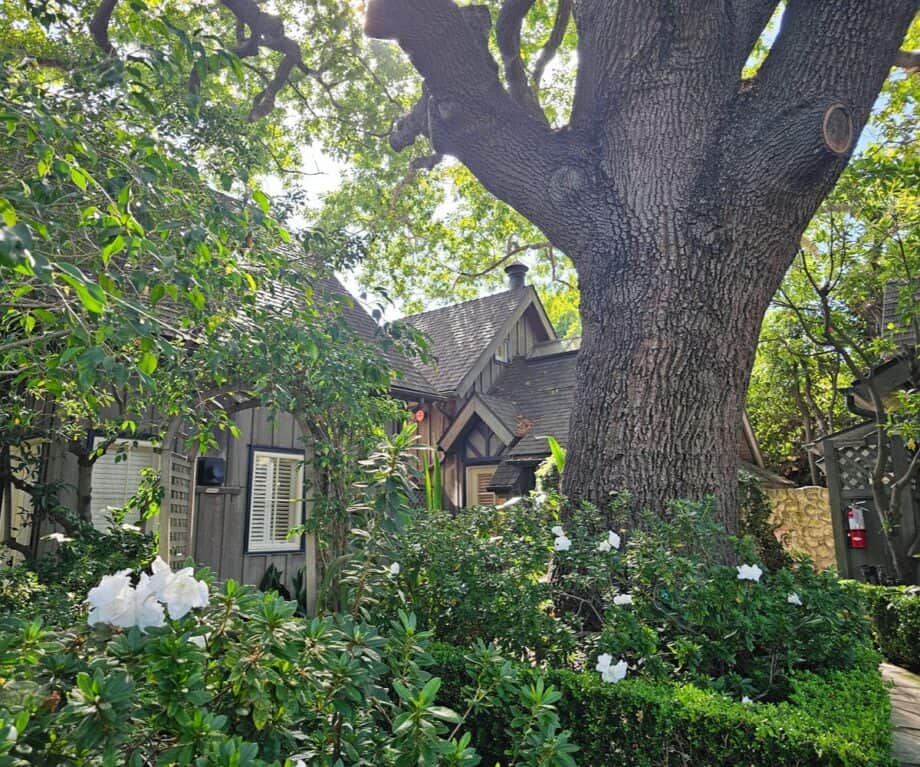
The property’s lodging architecture is divided among guest rooms within the main Victorian manor, the converted Carriage House, and three secluded, free-standing cottages dispersed across the rear of the estate grounds.
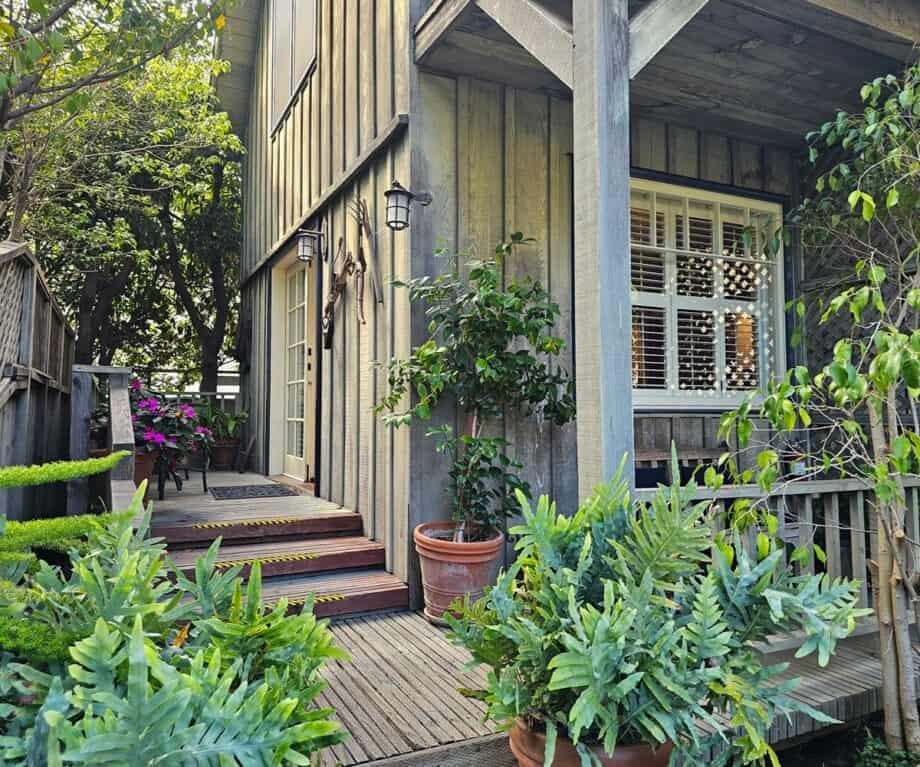
The Tack Room
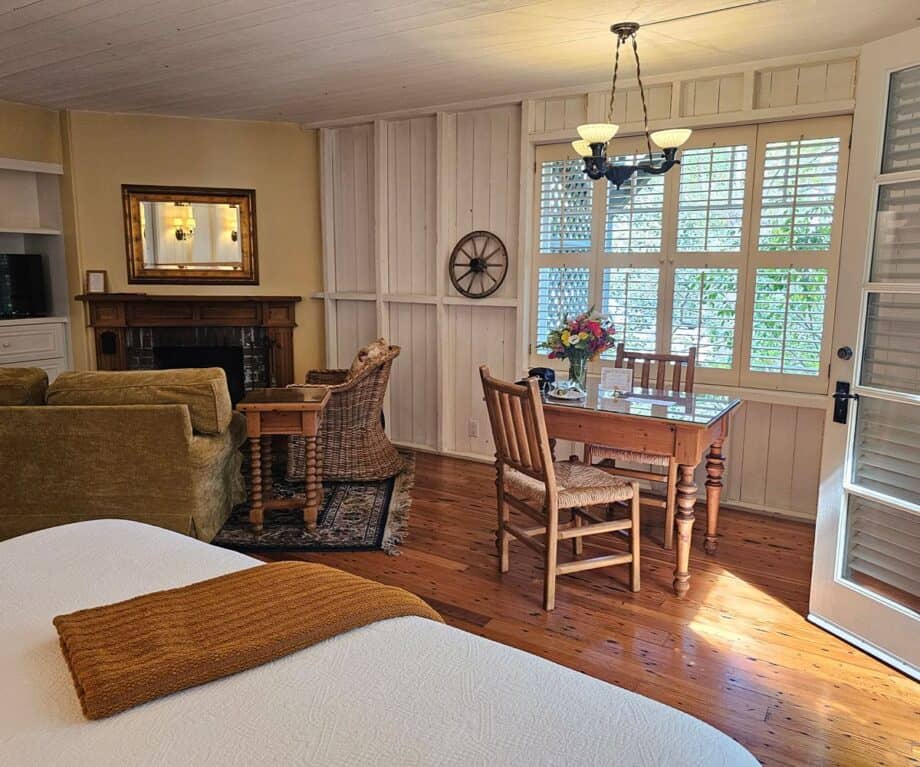
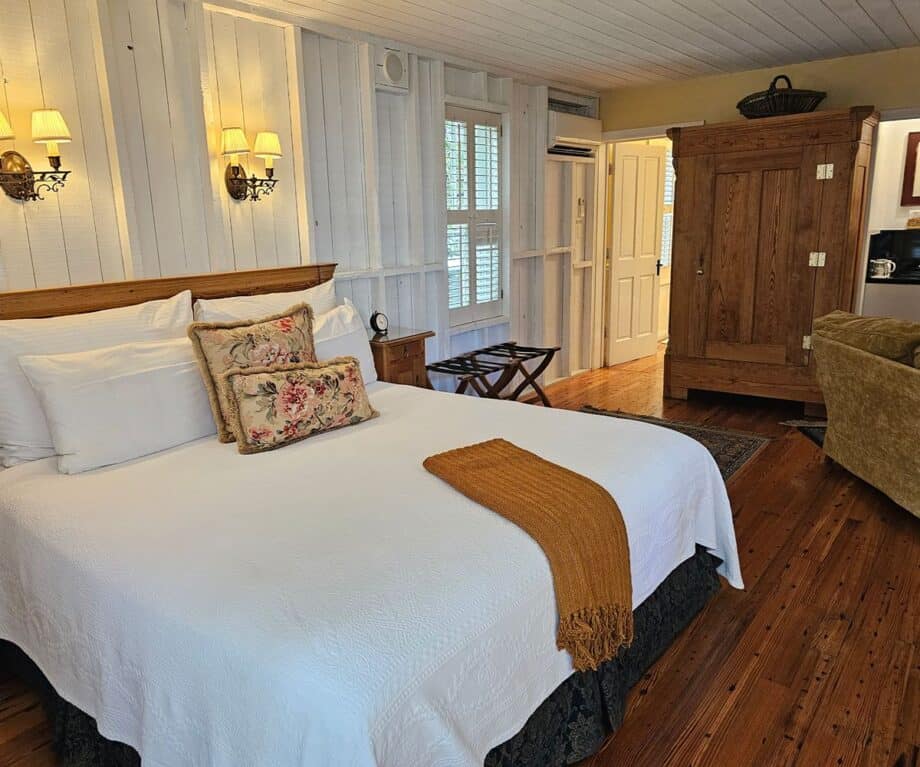
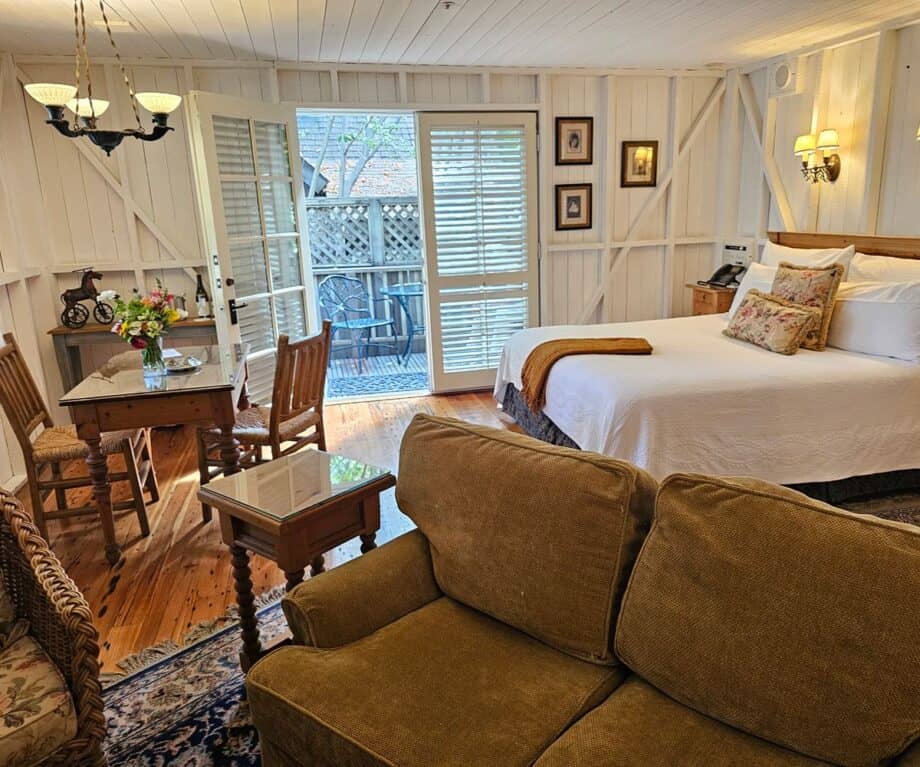
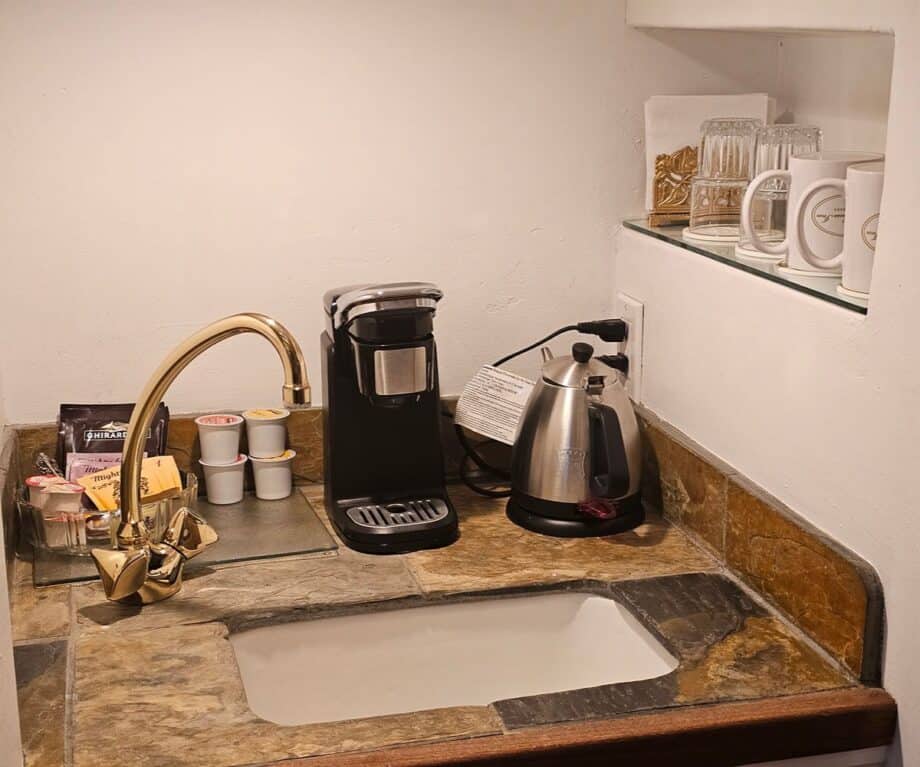
Situated within the Carriage House, The Tack Room occupies 352 square feet of ground-floor space. Originally functioning as part of the estate’s 1878 horse barn, the wooden structure has been completely repurposed to offer absolute privacy while retaining subtle historical artifacts. Guests enter through French doors into an air-conditioned interior anchored by a king-sized bed dressed in crisp white linens. Louvre-shuttered windows mitigate the summer heat, while functional wood-burning fireplaces provide warmth during cooler winter months.
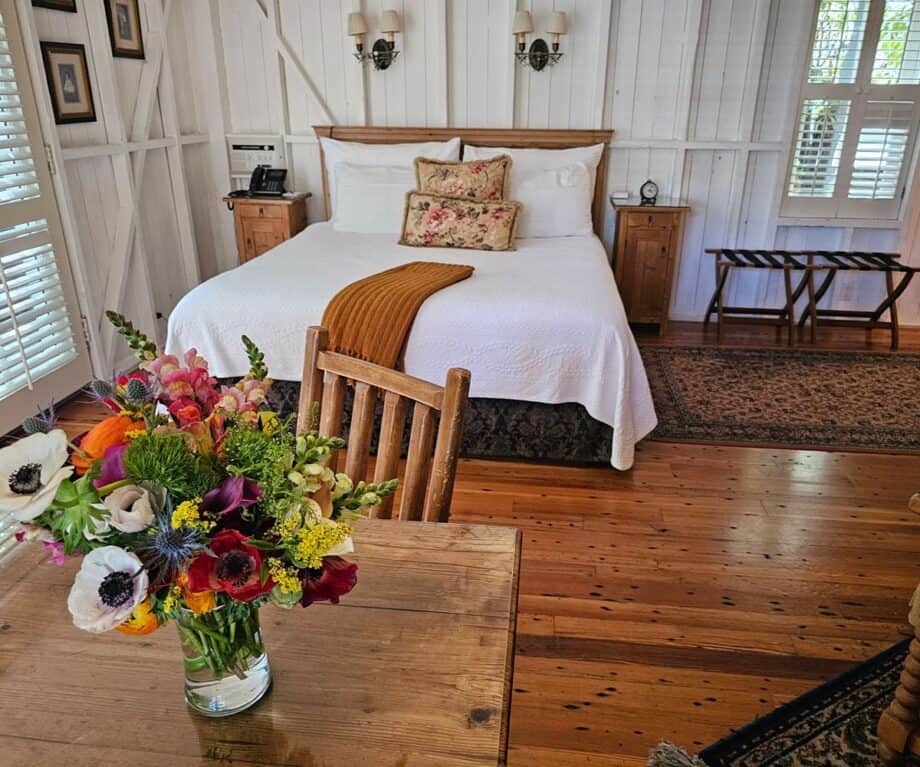
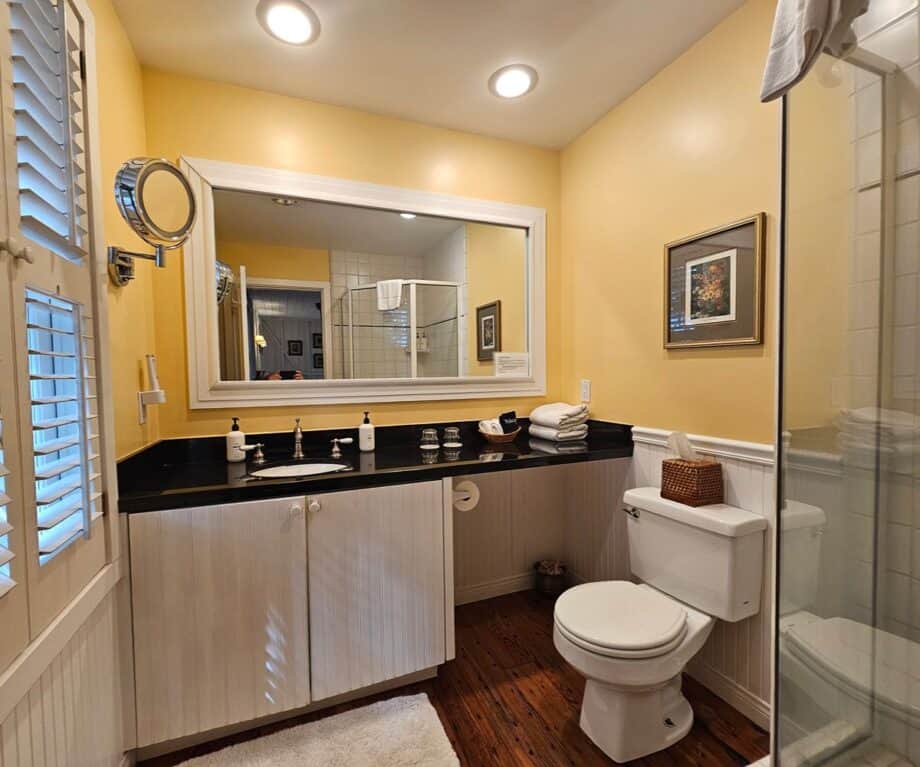
The interior design balances whitewashed wooden paneling and polished timber floors with curated antiques. Additional indoor amenities include a compact kitchenette and an en suite bathroom featuring a tiled, glass-enclosed shower. Outside, the room opens onto a wrap-around porch overlooking the estate’s award-winning gardens.
Plumstead Cottage
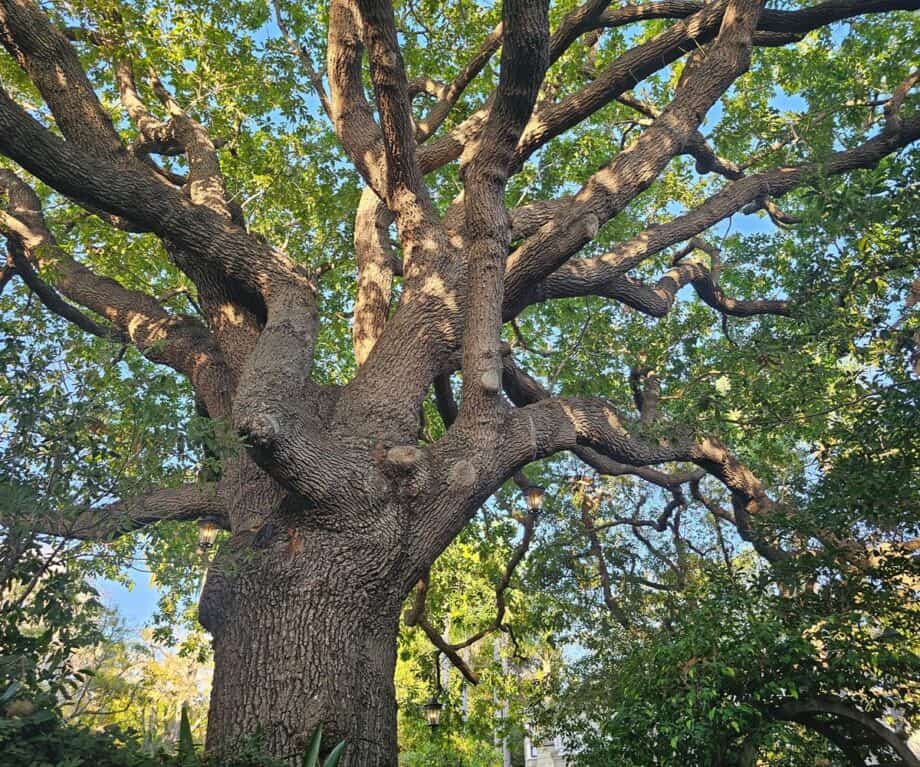
Tucked into a quiet corner of the property beneath a towering canopy of mature trees—including a massive, historic oak that predates the main house and stands as one of the oldest in the region—Plumstead Cottage operates as a premier two-level sanctuary.
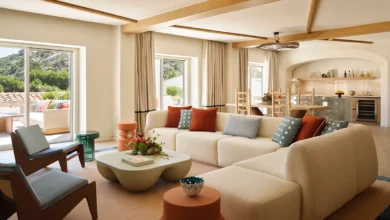
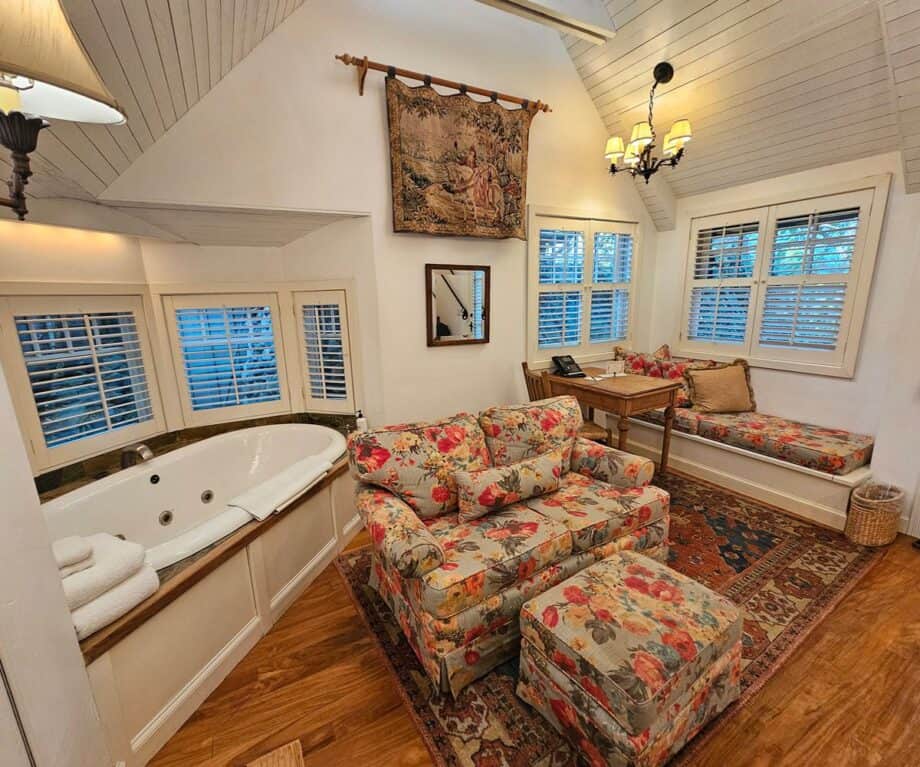
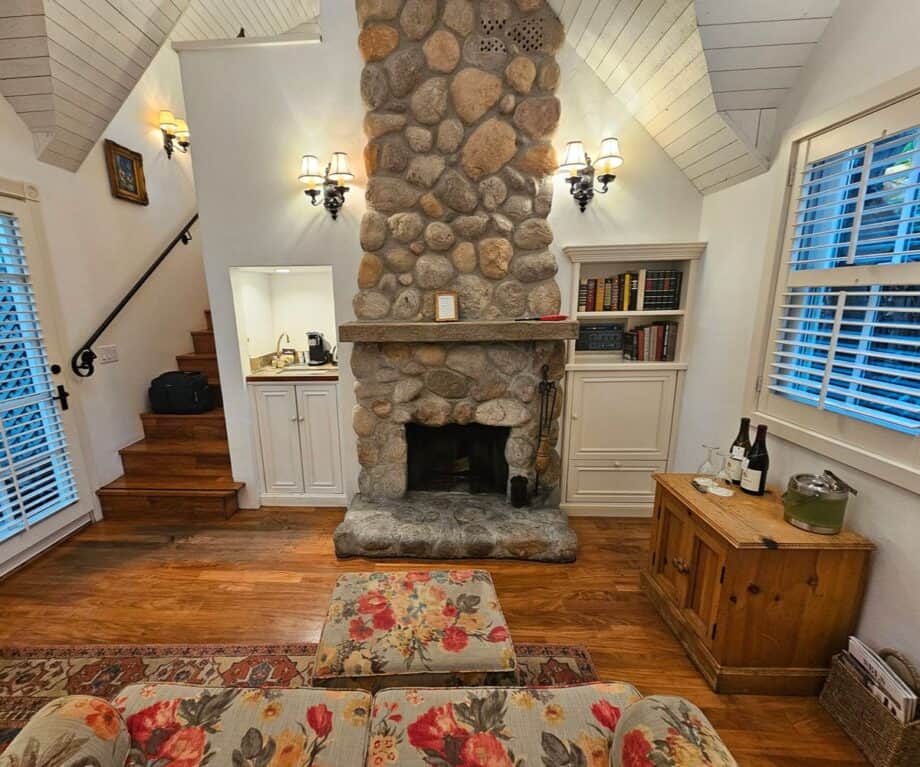
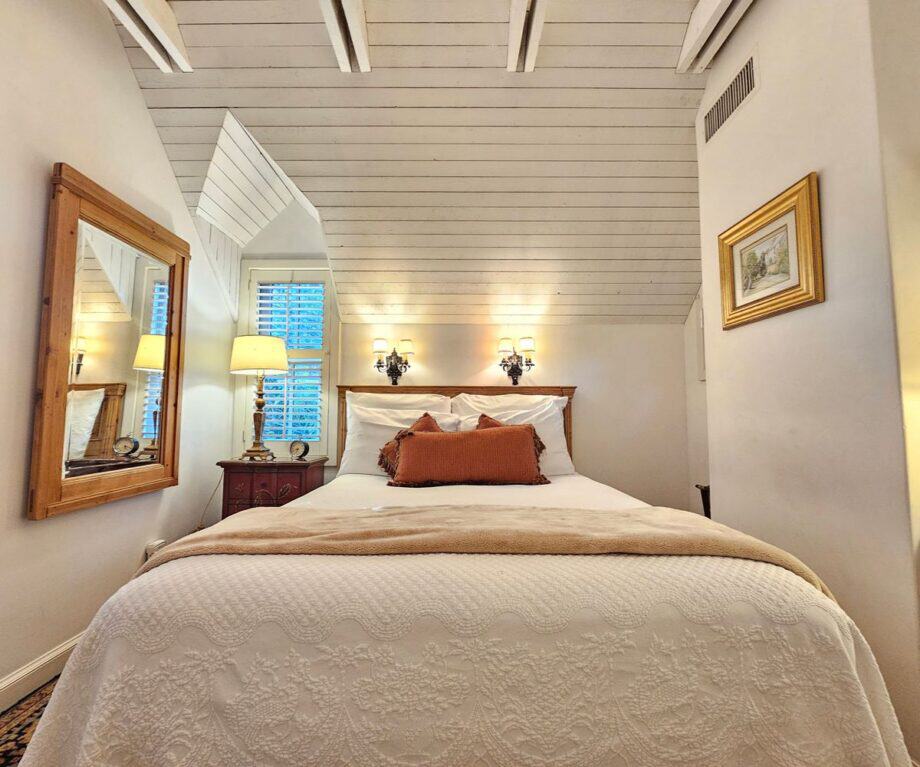
The lower level features an open-plan layout dominated by a distinctive corner bathtub integrated into the living space. Furnished with bold floral seating, a dining table, a fireplace, a kitchenette, and a discreetly concealed television, the cottage evokes a residential feel. The upper level houses a primary sleeping area featuring a plush bed and modern amenities integrated into historical architecture. The en suite bathroom utilizes mosaic-tiled flooring and a modern walk-in shower.
Throughout all accommodations, the inn utilizes eco-friendly toiletries supplied by Public Goods, featuring plant-based packaging derived from sugarcane and avoiding sulfates and parabens.
Culinary Offerings and Shared Estate Amenities
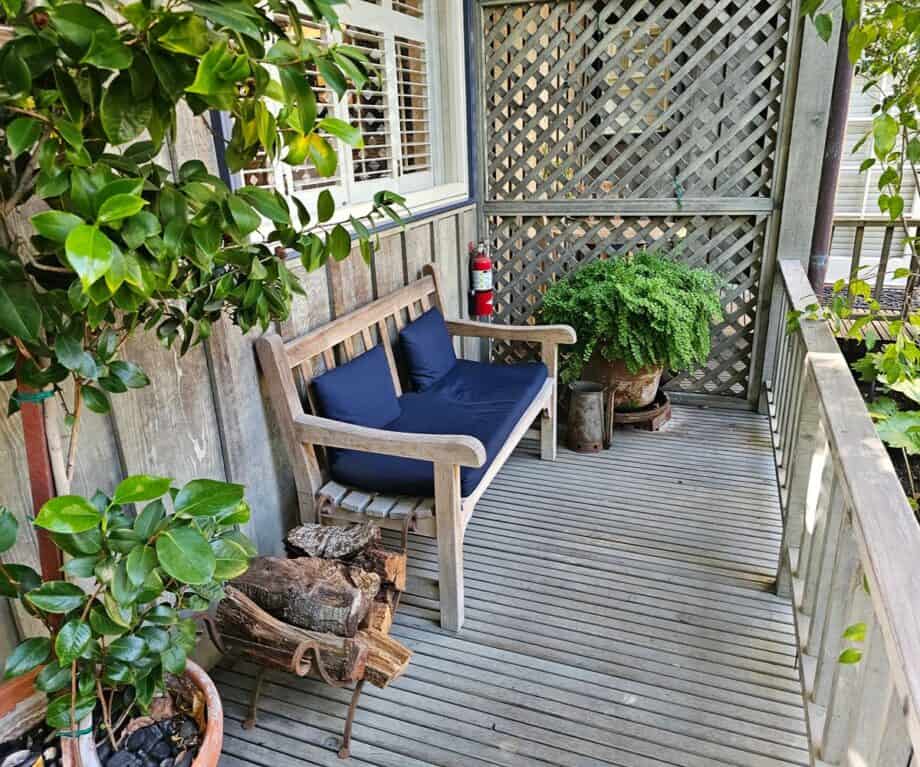
The shared interior spaces of the main house are appointed with period-appropriate furniture and extensive libraries that reflect the Victorian heritage of the property. A shaded verandah overlooking the sweeping lawns serves as the primary dining venue for breakfast. Guests submit their culinary preferences online the previous evening, selecting from fresh fruit bowls, artisanal pastries, and hot entrees such as smashed avocado toast and scrambled eggs.
While the inn itself does not operate an on-site restaurant, its strategic location in downtown Santa Barbara places it within walking distance of Bistro Amasa. Spearheaded by Chef Julian Martinez—the culinary mind behind the Michelin-recognized Barbareño—Amasa translates old-world French bistro techniques using hyper-local Californian ingredients. The seasonal climate accommodates al fresco dining on the restaurant’s expansive verandah, where menu items range from roasted baby carrots with brown butter miso to an indulgent "gnocchi n’ cheese" comprising aged cheddar, Taleggio, Comté, Parmigiano-Reggiano, and garlic breadcrumbs. Main courses include roasted chicken with vadouvan labneh, hot smoked salmon with dill-caper gremolata, and craft cheeseburgers served with garlic herb fries.
Exploring the American Riviera
Framed by the terracotta-toned peaks of the Santa Ynez Mountains, Santa Barbara is widely recognized as the "American Riviera," seamlessly blending palm-lined avenues and Spanish-colonial architecture with an active coastal lifestyle.
Guests seeking engagement with the local marine environment can participate in guided paddleboarding excursions through the sheltered waters of the municipal marina. Accompanied by professional instructors from local outfitters such as the Paddle Sports Center, visitors navigate past luxury yachts and commercial fishing boats while observing local wildlife, including pelicans, cormorants, and harbor seals.
For those pursuing high-energy coastal activities, regional instruction is available at nearby locations like Carpinteria State Beach through specialized surf schools. Lessons are frequently led by notable athletic figures, contributing to the area’s reputation as a premier destination for both beginner and advanced water sports enthusiasts.
Guest Services and Pricing Structure
The inn distinguishes itself through minute operational details designed to enhance guest comfort. Upon arrival, visitors are greeted with personalized welcome notes, fresh floral arrangements, and artisanal confections such as chocolate-coated strawberries. Additional amenities include take-home slippers, daily refreshed mini-fridges stocked with complimentary soft drinks, and afternoon tea service accompanied by freshly baked goods in the guest lounge.
Market rates for accommodations vary seasonally. Standard rooms generally range from $310 to $400 per night during mid-week or off-peak periods. Premium accommodations, such as Plumstead Cottage or standalone garden suites, command between $500 and $800 per night, with peak pricing concentrated on weekends and high-season periods. All reservations include daily breakfast service and on-site guest parking.
Conclusion
The Simpson House Inn maintains a distinct position within the modern hospitality landscape. By resisting the corporate standardization typical of contemporary luxury hotels, the historic property preserves a quiet, unhurried elegance rooted in its 19th-century origins. For travelers seeking an authentic immersion into the historical and cultural fabric of Santa Barbara without sacrificing refined comfort, the estate remains an enduring benchmark of American innkeeping.