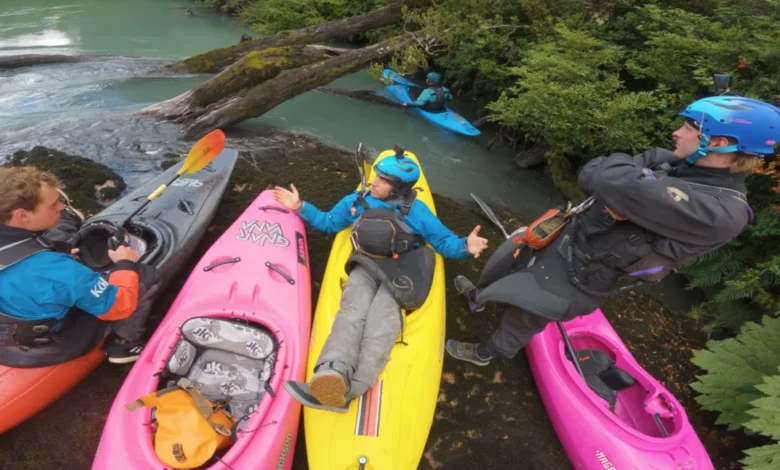
The recent release of the adventure documentary detailing the expedition of professional kayaker Dane Jackson and his team on Chile’s Rio Cuervo marks a significant milestone in modern whitewater exploration. The project documents the first successful descent of this remote waterway, a feat that required complex logistical planning, aerial support, and a high degree of technical skill to navigate a river that had remained largely untouched by the paddling community. Joining Jackson on this endeavor were expedition mastermind Kilian Astorga, along with experienced kayakers Tom Dolle, Eirik Hansen, Adrian Mattern, and David Sodomka. The expedition serves as both a high-stakes athletic achievement and a rare window into one of South America’s most inaccessible river systems.
Logistical Challenges and Expedition Origins
The Rio Cuervo, located in the Aysén region of Chilean Patagonia, presents a formidable barrier to entry. Historically, the area surrounding the river’s source at Lake Mayuin was accessible via logging roads established roughly four decades ago. However, the degradation of this infrastructure due to the region’s harsh climate and dense vegetation growth has rendered ground access virtually impossible for modern expeditions carrying heavy watercraft.
To bypass these obstacles, the team utilized helicopter transport to deposit their gear and personnel directly onto the shores of Lake Mayuin, which serves as the volcanic headwaters of the Rio Cuervo. This method of insertion highlights the escalating costs and technological requirements of modern first descents. Unlike traditional river expeditions that rely on hiking or packrafting to access headwaters, the use of rotary-wing aircraft has become a standard, albeit expensive, necessity for remote exploratory kayaking. The team’s gear, including specialized whitewater kayaks and safety equipment, was slung beneath the helicopter, a process that underscored the fragility of the expedition’s link to the outside world.
A Chronology of the Descent
The expedition followed a rigorous schedule dictated by the volatile Patagonian weather. Upon insertion, the team established a base camp at the lakeshore, dedicating significant time to analyzing the river’s initial flow. The Rio Cuervo, influenced by recent rainfall, presented higher-than-average water volumes, which necessitated extreme caution during the initial phases of the descent.
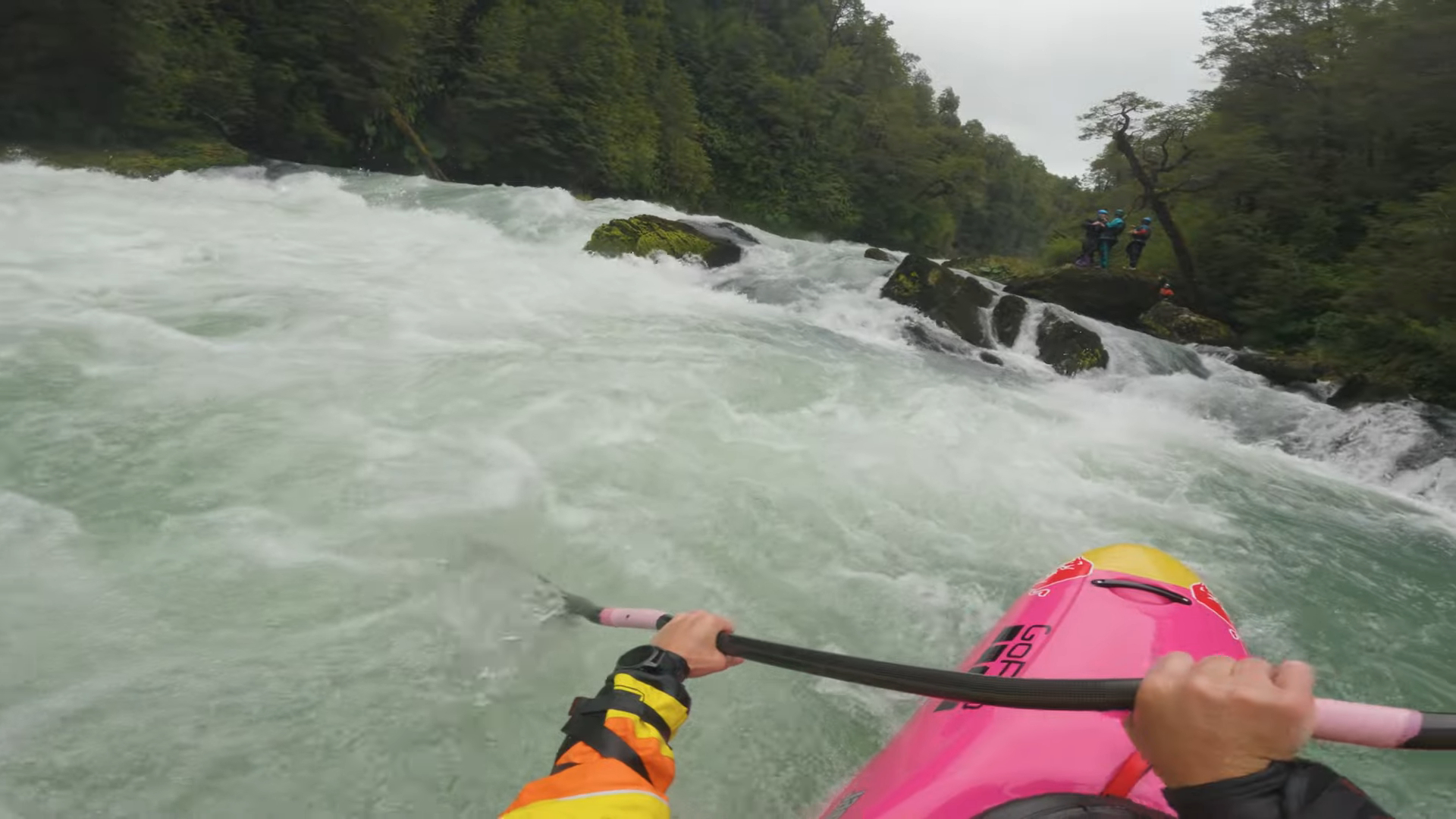
The first days were characterized by a laborious, "source-to-sea" approach. The dense, temperate rainforests flanking the river banks created significant obstacles, preventing the team from scouting rapids from the shore. Consequently, the progress was often halted by the need for extensive portaging. Portaging—the act of carrying a kayak around unrunnable or dangerous rapids—is a fundamental, albeit physically exhausting, component of river exploration. In this environment, the density of the undergrowth meant that moving equipment was a slow, manual process that stretched the team’s endurance.
As the team moved downstream, the expedition shifted between periods of intense, high-speed whitewater navigation and the "scout-and-study" phase. Using drones to gain an aerial perspective, the team spent hours analyzing satellite imagery and real-time river flow to identify safe lines through the rapids. This methodical pace allowed the group to avoid catastrophic equipment failure or injury, even in sections where the steepness of the canyon walls eliminated any possibility of bailing from the river.
Technical Analysis of the River Environment
The Rio Cuervo is defined by its vertical drop and the concentration of its rapids within a narrow gorge. From a hydrological perspective, the river is categorized as a high-gradient stream, typical of the volcanic landscapes found in the Southern Andes. These rivers are prone to rapid fluctuations in volume, making the timing of the descent critical.
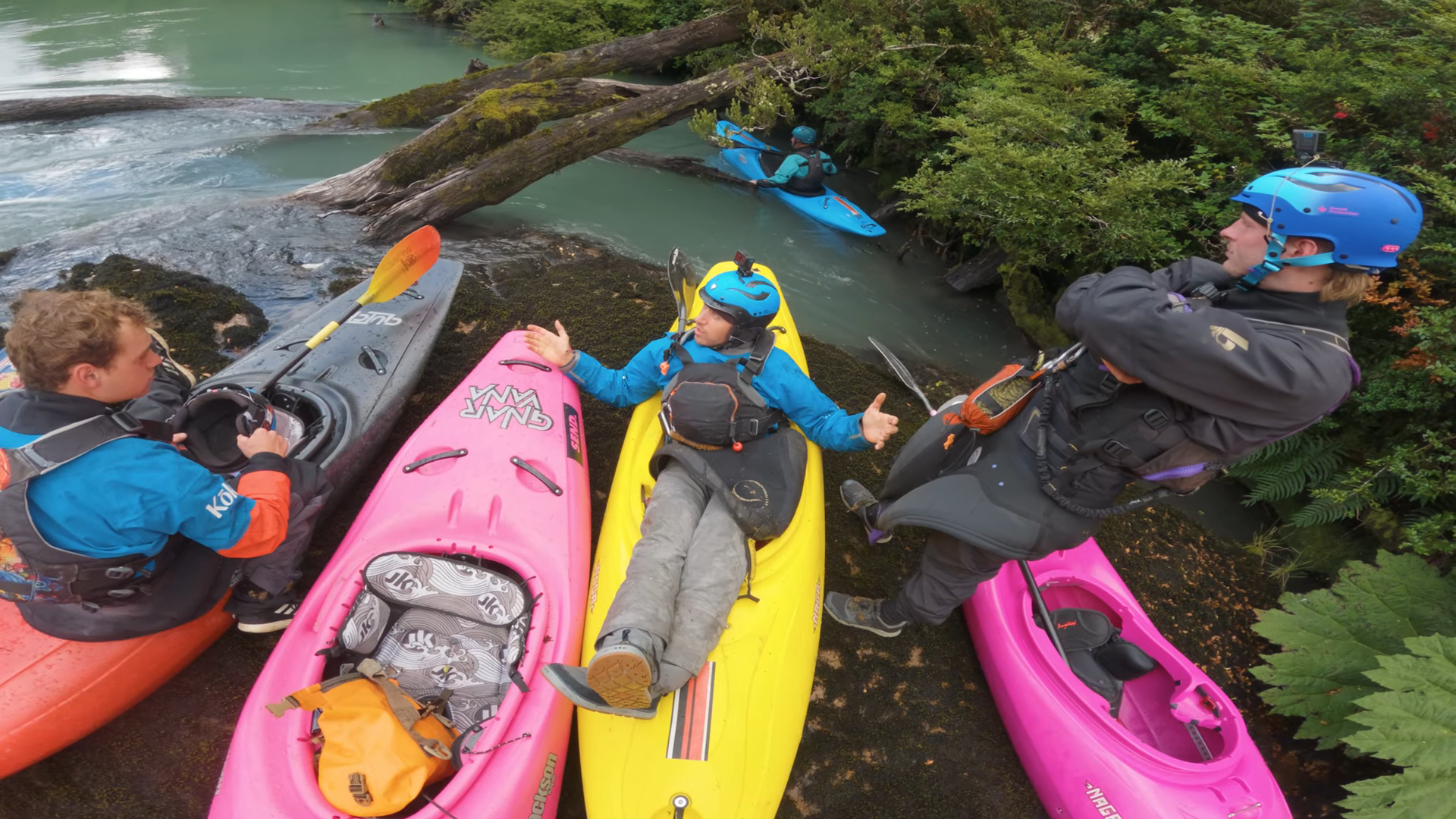
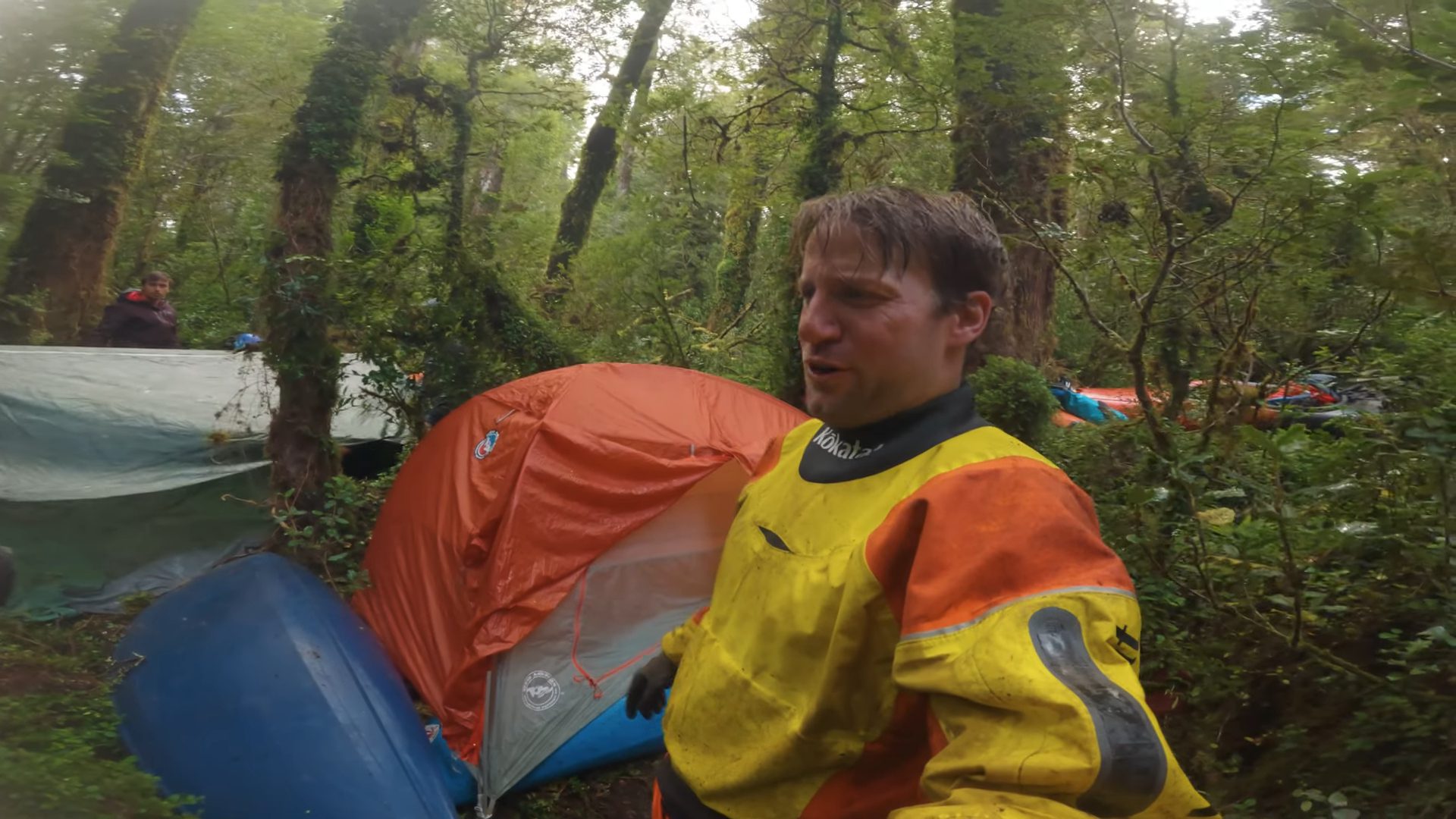
The documentary provides a clear technical record of the descent, capturing the "frenetic energy" of the whitewater through on-board cameras. However, the film also serves as a realistic portrayal of the "boring" reality of high-level exploration: the hours spent debating logistics, the discomfort of damp, cold camping in a rainforest environment, and the psychological strain of navigating an unknown, high-consequence river. The contrast between the adrenaline of the rapids and the methodical, often monotonous labor of the expedition provides a realistic look at the life of professional expedition kayakers.
Broader Implications and Industry Impact
The successful descent of the Rio Cuervo is more than a sporting achievement; it is a point of reference for the global kayaking community. As many of the world’s most accessible rivers have been documented and mapped, elite kayakers are increasingly looking toward remote, high-consequence environments to push the boundaries of the sport.
This trend has implications for both conservation and adventure tourism. By documenting these areas, explorers often bring international attention to the environmental health of remote river systems. The Rio Cuervo, like many Patagonian rivers, is situated in a region that has faced historical pressure from hydroelectric development projects. While this expedition was purely athletic in nature, the documentation of such pristine ecosystems provides a record of their state, which can be utilized in ongoing environmental impact discussions regarding the protection of Chilean waterways.
Furthermore, the "clarity of purpose" identified in the documentary reflects a shift in the genre of outdoor adventure filmmaking. In recent years, many adventure films have attempted to infuse narratives with grand metaphors or sociological commentary. The reception of the First Descent Rio Cuervo documentary suggests a renewed audience appreciation for films that prioritize the factual, technical, and objective reality of the sport. By focusing on the "how" rather than the "why," the film maintains a level of integrity that resonates with professionals within the industry who value transparency over theatricality.
Conclusion
The Rio Cuervo project stands as a testament to the evolution of whitewater kayaking. It demonstrates that as the sport matures, the challenges are becoming as much about sophisticated logistics and remote-area navigation as they are about raw athletic ability. For Dane Jackson and his team, the descent was a culmination of extensive preparation and tactical decision-making.
As the team eventually reached the river’s mouth and glided into the sea, the transition marked the end of a grueling push through one of the most challenging environments in South America. The success of this first descent not only adds a new line to the maps of the paddling world but also provides a comprehensive record of the realities involved in exploring the world’s remaining "wild" places. In an era where almost every corner of the globe is visible via satellite, the physical act of traversing these rivers remains one of the few ways to truly engage with the untamed landscape, provided one has the expertise and the resources to do so safely.