Mastering Moab: Navigating the Unique Challenges and Etiquette of Desert Mountain Biking

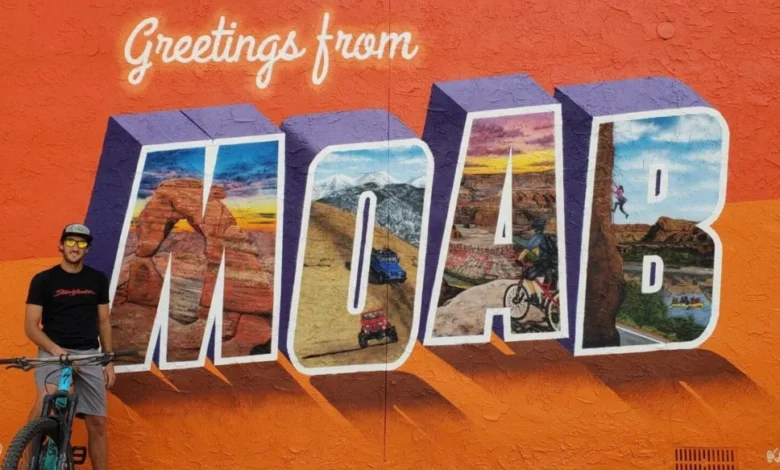
The familiar subtropical forests near Tampa, Florida, with their lush glades and well-worn trails, offer a stark contrast to the dramatic landscapes of Moab, Utah. This desert mecca, characterized by towering orange mesas, expansive sagebrush lowlands, and ancient sandstone arches, presents a unique set of challenges and demands an entirely new approach to responsible outdoor recreation, particularly for mountain biking enthusiasts. The transition from moist, forested terrain to the arid, slickrock environment requires a fundamental shift in understanding trail dynamics, ecological sensitivity, and community interaction. This guide, informed by the experiences of local experts like Kenny Gorham, owner of Bighorn Mountain Biking, aims to equip riders with the knowledge necessary to navigate Moab’s iconic trails safely, respectfully, and with maximum enjoyment.
Moab’s ascent as a premier mountain biking destination is rooted in the nascent days of the sport. While the origins of mountain biking are often traced to the rugged hills of California in the 1970s, it wasn’t long before pioneers of the sport ventured eastward to the Colorado Plateau. These early explorations, driven by a thirst for challenging and diverse terrain, led to the "discovery" of some of the most formidable and scenic mountain biking spots across Colorado and Utah. Moab quickly emerged as a focal point, its unique geological formations and vast expanses of open land proving irresistible to the burgeoning community of off-road cyclists.
A pivotal moment in Moab’s transformation occurred in 1983 with the establishment of Rim Cyclery, the town’s first dedicated bike shop, by a visionary father-and-sons trio. This enterprise marked a significant shift for Moab, a town that had previously experienced a boom-and-bust cycle tied to uranium mining. The opening of Rim Cyclery signaled a new economic direction, one increasingly centered on outdoor recreation. The town’s profile as a mountain biking hotspot "exploded" further in 1985 when the inaugural issue of "Mountain Bike Magazine" showcased its breathtaking landscapes and challenging trails to a wider audience. This exposure cemented Moab’s reputation, attracting a steady stream of riders and solidifying its status as a global mountain biking destination. Today, Moab boasts over 900 miles of rideable trails and a half-dozen specialized bike shops, proudly earning it the moniker "Adventure Capital of the West." This transformation from a mining town to a recreational hub underscores the profound economic and cultural impact of mountain biking on the region.
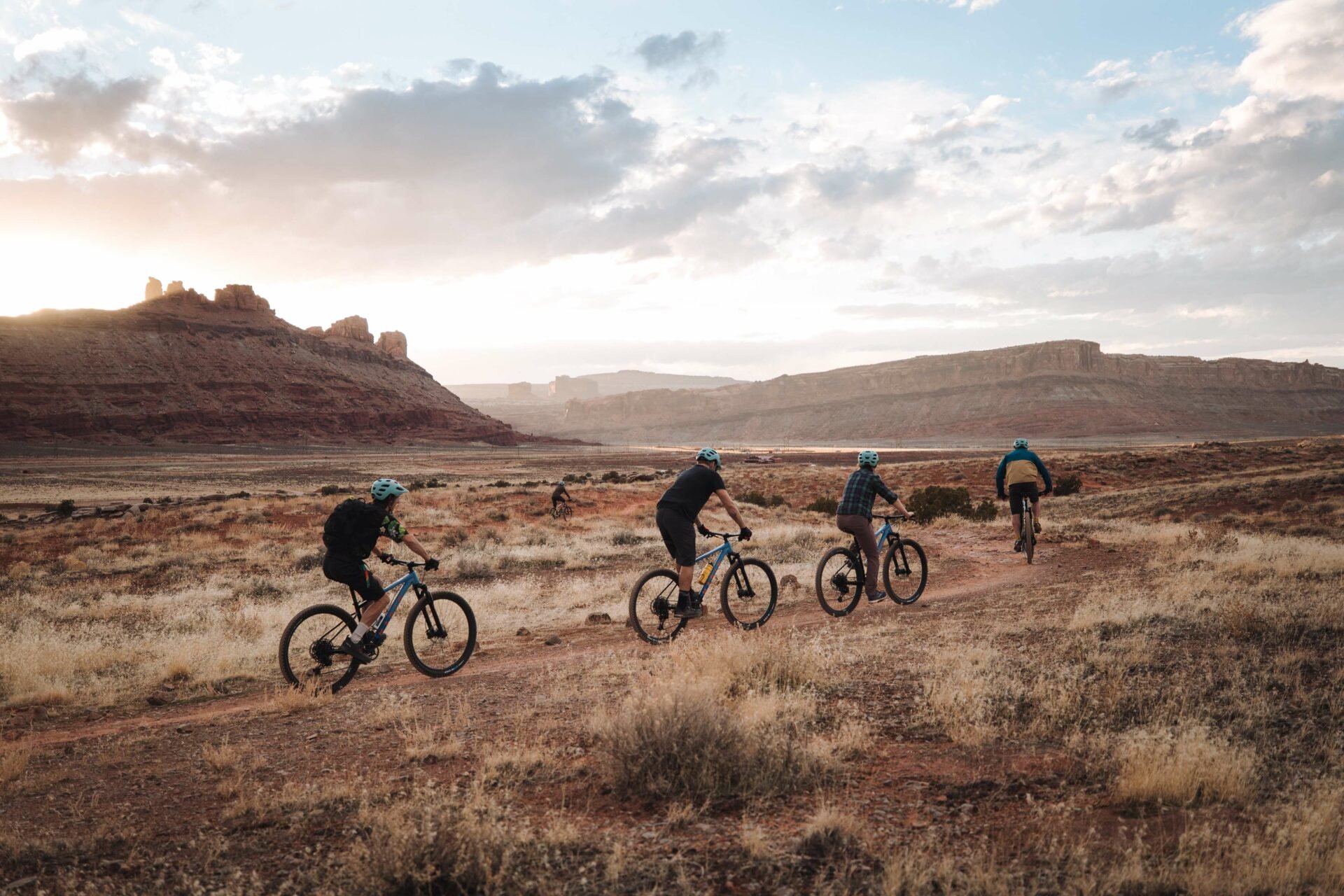
For many, including Kenny Gorham, the allure of Moab’s panoramic views, tight-knit outdoor community, and seemingly endless trails proved irresistible. After experiencing the local trails, Gorham recognized the immense potential and, by 2020, established his own bike shop and tour service, Bighorn Mountain Biking. His journey from visitor to local business owner and guide exemplifies the welcoming spirit of the Moab community, which readily shares its expertise with newcomers. This community-driven approach is crucial for visitors considering their own pilgrimage to the desert, ensuring they receive the necessary guidance to navigate the terrain safely, respectfully, and enjoyably.
Protecting the Fragile Desert Ecosystem: Stay on Marked Trails and Preserve Cryptobiotic Crust
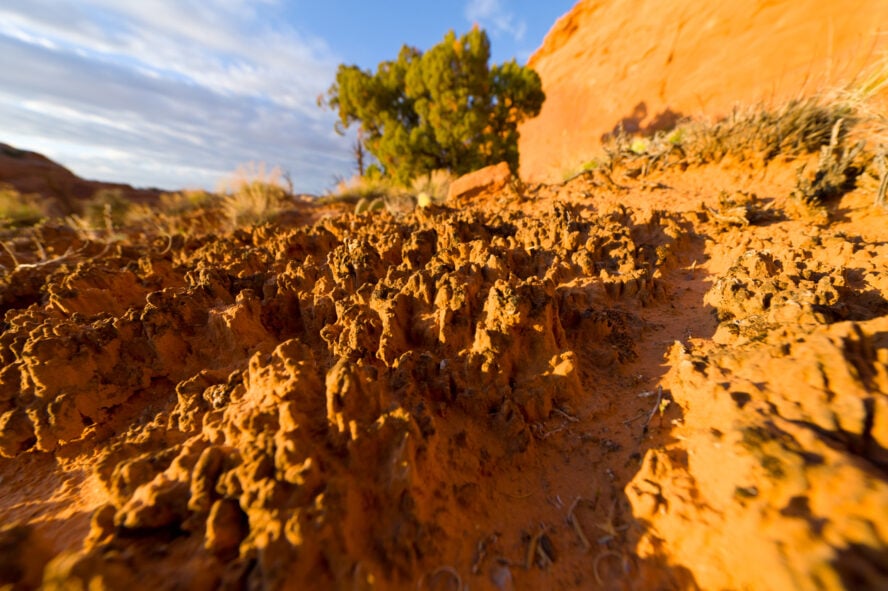
The desert ecosystem of Moab is exceptionally delicate, demanding a heightened level of awareness and adherence to trail etiquette. Unlike the resilient, rapidly regenerating environments of dense forests in the Southeast, Pacific Northwest, or New England, desert landscapes are far more susceptible to erosion and lasting soil damage. Central to this fragility is the cryptobiotic soil crust, a living biological layer composed of lichens, fungi, mosses, and cyanobacteria. This intricate crust plays a foundational role in the desert’s health, acting as a natural glue that stabilizes the soil, prevents erosion from wind and water, and facilitates nutrient cycling. It actively fixes atmospheric carbon and nitrogen, making these vital elements available to the sparse desert flora.
Damage to this essential crust, often caused by recreational disturbances such as off-trail riding or walking, can have severe and long-lasting consequences. Once broken, the biological layer can take decades, or even centuries, to fully recover and regain its functionality. Without it, the desert landscape would gradually transform into barren sand dunes, incapable of supporting the unique and beautiful plant life, including cacti, sagebrush, and yucca, that characterizes the region.
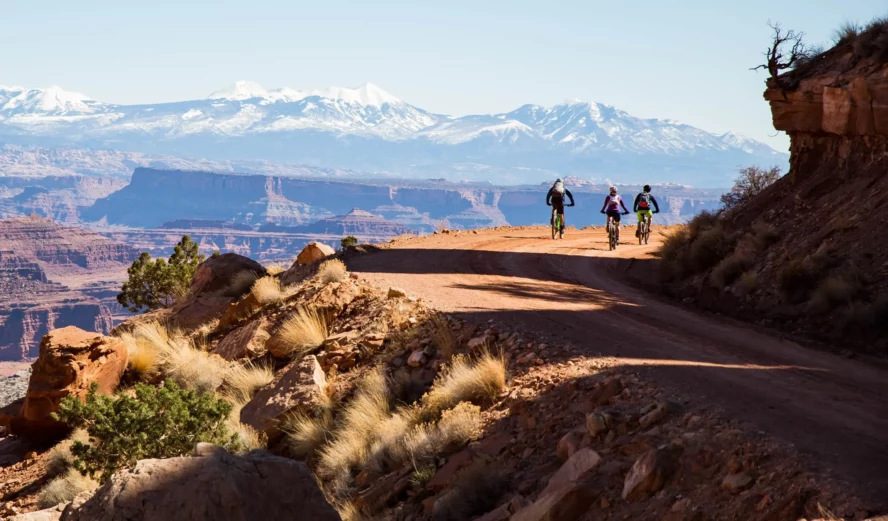
Local efforts to prevent erosion and protect the cryptobiotic crust include bordering trails with rocks to clearly delineate routes. However, the increasing popularity of Moab as a destination has led to a rise in "social trails"—unofficial paths created by riders seeking shortcuts or viewpoints. These unauthorized routes create an intricate web of damage, further compromising the soil and plant life. Therefore, diligent adherence to marked trails and a thorough understanding of the ecosystem’s vulnerability are paramount. As Kenny Gorham emphasizes, "As locals, we love our cryptobiotic soil. It plays a foundational role to how the desert operates." Riders, particularly after a long day, might be tempted to deviate from the path to reach a parking lot, but such shortcuts often lead to unforeseen hazards like mud puddles, flat tires from cacti, or getting stuck in loose sand, ultimately causing more harm and potentially taking longer. It is critical to always follow trail markers, and if an accidental deviation occurs, riders should immediately stop, locate signs or cairns, and retrace their steps rather than continuing to cause damage.
Navigating the Elements: Avoiding Wet Trails and Seasonal Considerations
Moab’s desert climate, while offering stunning vistas of snow-capped La Sal Mountains or dramatic thunderstorms over red rock formations, also presents unique challenges for mountain bikers. The visual splendor of winter snow or summer monsoons does not translate into ideal riding conditions. During the winter months, there is a significant likelihood (estimated at 60% by local guides) that trails will be unrideable due to snow or heavy mud. Local bike shops often decline rentals during such periods to prevent trail damage and ensure rider safety.
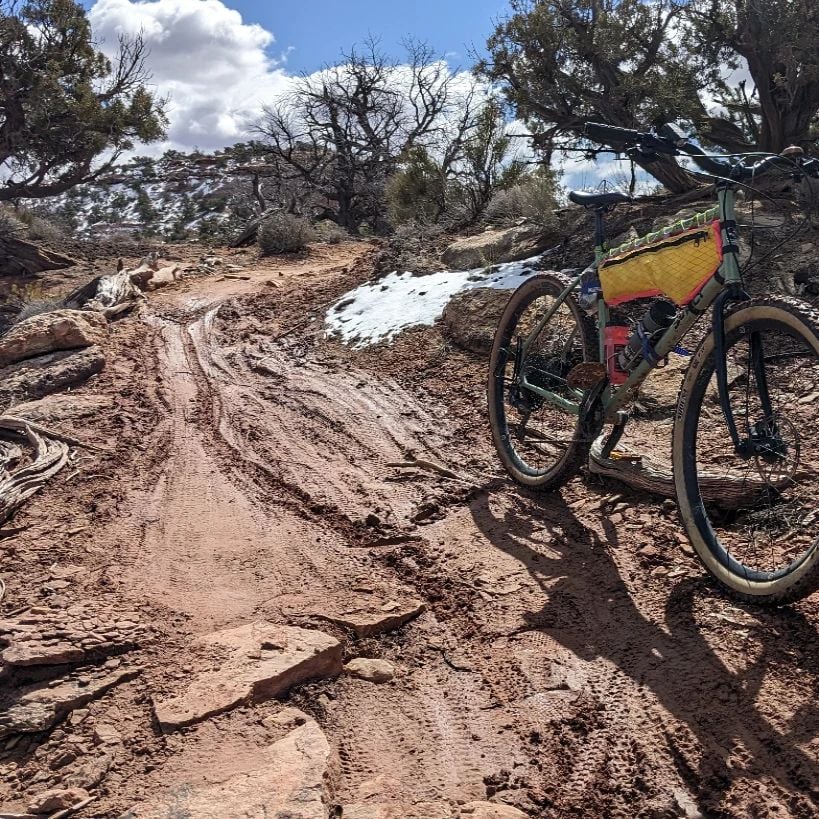
Spring, while bringing warmer temperatures, can still render higher elevation trails impassable due to melting snow and water runoff, creating slushy and muddy conditions. While lower segments might be accessible, summiting certain trails may remain prohibited until the dryer summer and autumn months. Moab’s trails are predominantly composed of clay, which becomes highly saturated and extremely sticky—often described as "peanut butter mud"—after even a few inches of precipitation. Riding on these wet, clay-rich trails significantly escalates erosion and can cause deep ruts and divots that damage the trail surface and impede drainage. As Gorham points out, "Once clay trails get saturated, it’s like riding through peanut butter. You end up creating bigger tracks and divots, and it won’t be a fun experience."
Fortunately, the desert dries relatively quickly, but trail conditions are highly variable depending on precipitation levels, wind, and sun exposure. Therefore, consulting local bike shops for real-time weather and trail reports is not just advisable but essential. This practice demonstrates a rider’s commitment to responsible recreation. For high-elevation enthusiasts, late September to early November typically offers the best conditions, guaranteeing dry trailheads up to 10,000 feet in the La Sal Mountains. At lower elevations, spring and fall generally provide excellent riding opportunities, provided no recent storms have occurred.
Fostering Harmony: Respecting Other Trail Users
Moab is a veritable outdoor paradise, attracting a diverse array of enthusiasts beyond mountain bikers, including hikers, horseback riders, and rock climbers. This necessitates a strong emphasis on trail sharing etiquette and mutual respect. Most trails on Bureau of Land Management (BLM) land are designated for mixed-use, accommodating all non-motorized users. While many hikers tend to favor dedicated hiker-only trails within Arches or Canyonlands National Parks, mountain bikers will inevitably encounter other user groups. For those seeking MTB-exclusive experiences, Dead Horse Point State Park offers designated singletrack trails.
Given that mountain bikes are relatively quiet, it is crucial for riders to announce their presence when approaching other users. A clear, audible, but polite verbal warning, often specifying the side on which the rider intends to pass, helps prevent startling encounters. General trail rules dictate that mountain bikers yield to uphill riders and all hikers. Furthermore, a universal rule is to always yield to horseback riders, allowing them to communicate the best course of action based on their horse’s demeanor. "It’s easy to scare people when passing, and it leads to other trail users not liking mountain bikers," Gorham explains. "That causes trail advocacy groups and organizations to be less prone to support mountain bikers in Moab." Common courtesy and politeness are invaluable in public outdoor spaces. While the thrill of a summit or a fast descent might tempt riders to whoop and holler or blast music, consideration for others who seek the quietude of nature is paramount on shared trails.
Active Stewardship: Engaging with Trail Organizations
The increasing popularity of Moab’s trails across various user groups necessitates consistent and proactive management. Maintaining over 900 miles of diverse terrain requires significant effort, resources, and community involvement. Engaging with local trail organizations is a tangible way for riders to contribute to the preservation and enhancement of Moab’s outdoor recreation infrastructure.
Volunteering for trail days, participating in stewardship projects, or attending community events demonstrates a commitment not only to the mountain biking community but also to the broader outdoor community. Such events are typically announced through the social media channels of local organizations. In Moab, a leading organization dedicated to this cause is Moab Trail Mix. This committee actively works to enhance trail opportunities for non-motorized recreation, coordinating volunteer efforts, promoting trail ethics, and providing crucial updates on trail conditions and weather. For those unable to physically participate in trail days, financial donations are equally vital and greatly appreciated, directly supporting the mission to care for and expand Moab’s extensive trail network. As articulated in the Moab Trail Mix Mission Statement, "Our mission, to care for over 200 miles of non-motorized trails, relies on support from people like you – people who love to ride, hike, climb, and run!"
Essential Preparedness: The Right Gear and Supplies for Desert Riding
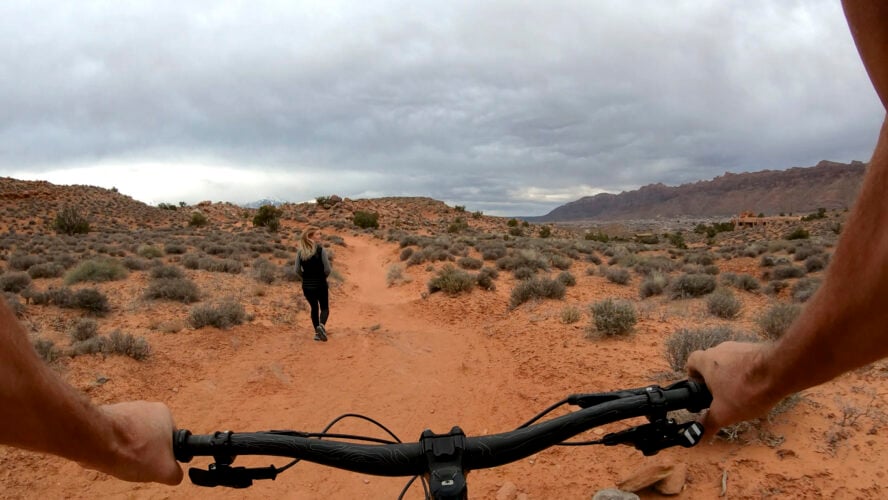
The captivating beauty of Moab’s landscape, from the panoramic views of the La Sal Mountains to the endless ridges of russet buttes and the enticing slickrock of the Entrada Sandstone, comes with a caveat: extreme exposure to the elements. These breathtaking scenes offer little to no shade or protection from the intense sun and arid climate. A minor mechanical issue can quickly escalate into a serious situation without adequate preparation. Within a mere 15 minutes, a pleasant ride can turn into a challenging hike back to safety due to a flat tire or other unforeseen problems, exacerbated by insufficient water.
Therefore, over-preparation is the golden rule in the desert. Riders should carry ample water—a minimum of one liter per hour of riding, plus extra as a buffer—along with electrolyte tablets to combat dehydration in the dry air. Sun protection (sunscreen, hat, appropriate clothing) and sufficient food are also critical. Given that many BLM areas, national parks, and canyons in Moab lack reliable cell service, riding with a partner, carrying a physical map, and informing someone of your itinerary are non-negotiable safety measures. Many first-time visitors underestimate the harshness of the desert environment, where the body’s water requirements are significantly higher than in more humid or wooded regions.
Furthermore, mechanical self-sufficiency is paramount. For longer, unfamiliar, or remote trails, knowing how to fix a flat tire is crucial. A standard tool kit should include a chain breaker, torx and hex suite, tire levers, a mini pump, a spare tube, a chain link, CO2 canisters, an inflator, and a multitool. "There’s nothing worse than seeing someone dehydrated or experiencing signs of exhaustion," warns Kenny Gorham. "This can be very dangerous in the desert." For those unsure about bike maintenance or navigating technical terrain, hiring a guide is a highly recommended safety measure.
Upholding Leave No Trace Principles in a Sensitive Environment
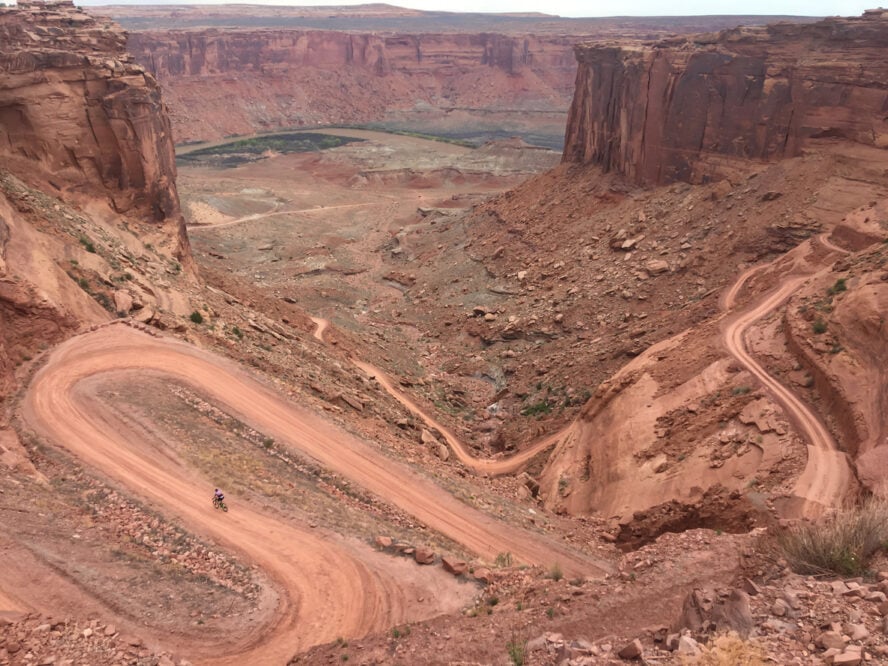
The sensitive desert ecosystem of Moab demands strict adherence to the seven Leave No Trace (LNT) principles. The fundamental ethos is to leave the trail and surrounding environment exactly as it was found, or ideally, in better condition. This means meticulously packing out everything brought in, including all trash, food scraps, and human and pet waste.
Unlike other environments, organic matter like banana or orange peels decomposes very slowly in the arid desert and can attract wildlife, altering their natural foraging behaviors. Snack wrappers, toilet paper, and human waste are not only unsightly but also take an exceptionally long time to break down in the desert’s dry climate, posing sanitation risks and visually impairing the experience for others. As highlighted by Moab Trail Mix, leaving toilet paper behind "takes longer for things to decompose… it’s tempting for animals. And it visually impairs the hiking experience for others." Riders should carry a small trash bag or Ziploc for all waste, including dog poop. For longer excursions requiring facilities, obtaining a WAG Bag (Waste Alleviation and Gelling bag) from a local shop is essential for proper human waste disposal.
Beyond visible waste, even seemingly innocuous actions like leaving footprints off unmarked trails can harm the cryptobiotic soil. The guiding principle for responsible desert recreation is to minimize impact, ensuring that the beauty and ecological integrity of Moab are preserved for future generations.
The Strategic Advantage: Hiring a Local Guide
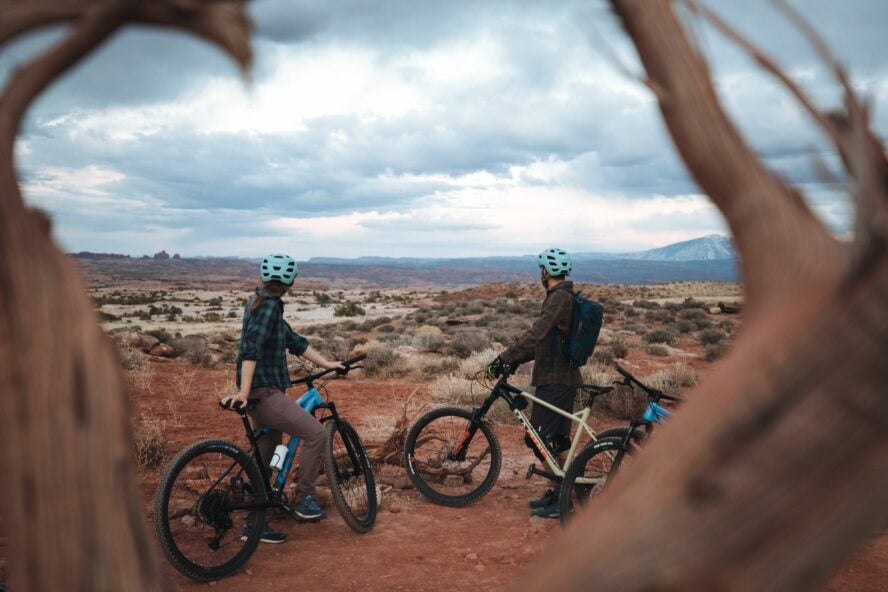
While not an etiquette tip in the traditional sense, hiring a professional guide can significantly enhance a mountain biking trip to Moab and directly facilitate adherence to all the aforementioned principles. Guides offer invaluable benefits, particularly in a new and challenging environment like the high desert. Private mountain biking tours provide an unparalleled opportunity to learn about the unique desert ecosystem, its ecological intricacies, and specialized techniques for slickrock riding.
A major advantage of guided tours is the elimination of navigation stress. While Moab boasts well-marked trails, many visitors still experience anxiety about getting lost, which detracts from the enjoyment of the ride. As Kenny Gorham states, "It’s nice to not have to worry about where you’re going, Moab has well marked trails, but people still get nervous about getting lost and spend a lot of time navigating." Guides allow riders to fully immerse themselves in the experience, focusing on the terrain and the stunning scenery rather than constantly checking maps. Moreover, the presence of a medically-trained guide provides an essential layer of safety, especially crucial when contending with the harsh desert elements or when riding with family or younger individuals. Guides are equipped to handle emergencies, provide on-the-spot mechanical assistance, and offer expert advice on pacing, hydration, and trail conditions, making the entire experience safer and more rewarding.
Embracing Responsible Recreation for a Richer Moab Experience
Moab offers an unparalleled mountain biking experience, from the classic slickrock challenges to the legendary Whole Enchilada trail. While this overview may not delve into every single trail detail, it provides a foundational understanding of the safety, environmental stewardship, and community etiquette necessary for a successful and responsible visit. Acclimating to the desert’s unique conditions and protocols will not only lead to a more enjoyable ride but will also hone a rider’s skills in areas such as supplies management, navigating sandy and rocky terrain, enduring long rides under sun exposure, and effective trail navigation. After mastering Moab, even the most challenging forested tracks will seem like a piece of cake.
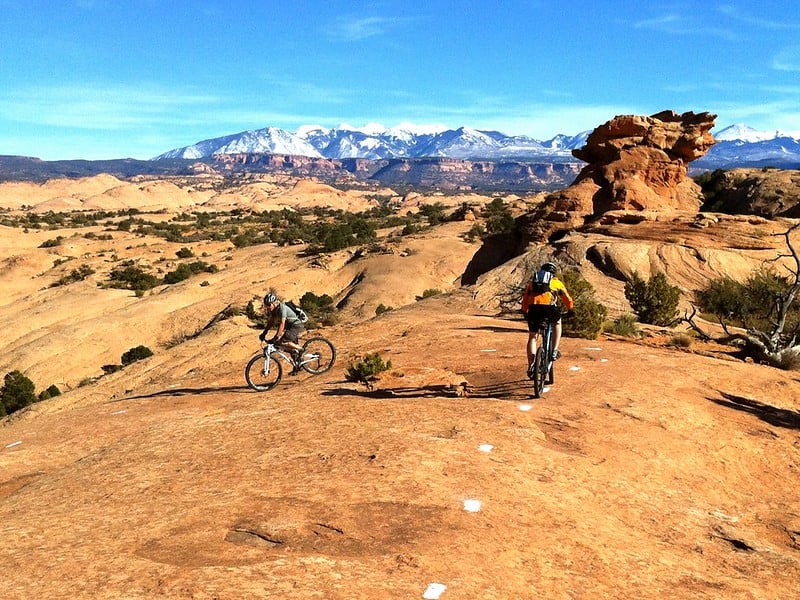
For detailed information on specific trails, current weather conditions, desert biomes, and comprehensive Leave No Trace principles, engaging with local experts or hiring a guide for a first outing is highly recommended. The mountain biking season typically kicks into full gear in March, inviting enthusiasts to come and experience the magic of Moab responsibly. Guided mountain biking tours with experts like Kenny Gorham and his team offer the best way to maximize a trip, ensuring an immersive, safe, and respectful adventure in one of the USA’s most iconic mountain biking destinations. Further insights into what makes Moab a top mountain biking locale can be found through resources like Kenny Gorham’s webinar, "The Local’s Guide to Mountain Biking in Moab, Utah."
About the author
Kenny Gorham is an MTB enthusiast and the face behind Bighorn Mountain Biking. He started riding bikes in his mid-20s and realized early on that it was just a matter of time before he traded his office job for the trails. Since 2020, he’s been organizing and leading tours through his “experience-based” bike shop in one of USA’s best MTB locations, Moab. When he isn’t advising his clients on the best gear for their mountain biking adventure, he’s raising dust in the desert.