A Comprehensive Report on European Tourism Dynamics and Cultural Heritage Observances in May 2026

The month of May 2026 has emerged as a significant period for the European travel sector, characterized by a robust recovery in shoulder-season tourism and a resurgence of interest in niche cultural heritage events. Data from regional tourism boards indicates that the intersection of favorable weather conditions and a diverse calendar of festivals has positioned cities like Prague and regional hubs in the United Kingdom as primary destinations for both international and domestic travelers. This report examines the prevailing trends in gastronomy, outdoor recreation, and traditional sports through the lens of recent travel patterns and socioeconomic developments in Central Europe and the British Isles.

The Strategic Importance of May in Central European Tourism
Industry analysts widely regard May as the optimal window for visiting Central Europe, particularly the Czech Republic. During this period, Prague experiences a confluence of manageable crowd densities and the peak of its spring aesthetic. In 2026, the city’s tourism infrastructure saw a notable shift toward experiential travel, with a focus on localized food festivals and suburban outdoor activities.
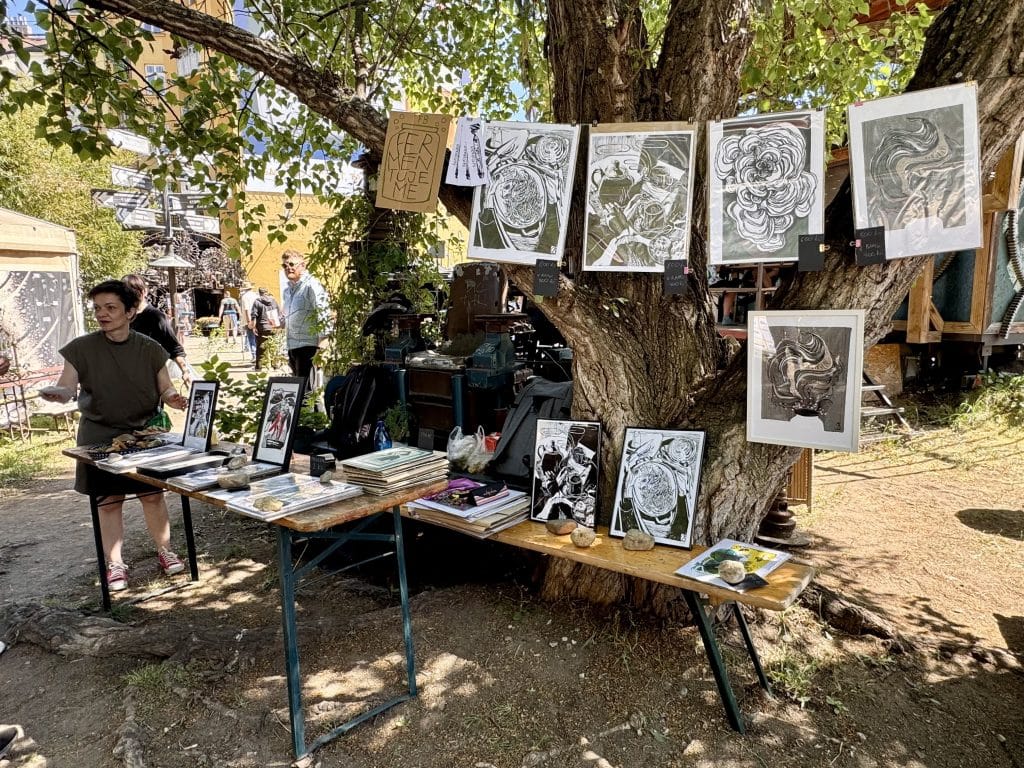
One of the highlights of the month was the Spicy and Fermented Foods Festival held in the Holešovice district. This event underscores a broader trend in the Prague culinary scene: a move away from traditional heavy Bohemian fare toward global fusion and artisanal preservation techniques. Local makers reported record engagement, reflecting a growing consumer interest in high-capiscum and probiotic products. Furthermore, high-end dining in Prague continues to evolve, with establishments like El Camino demonstrating the city’s capacity for sophisticated, modern interpretations of international cuisines, such as Spanish tapas, which are increasingly catering to a demographic seeking special-occasion venues.

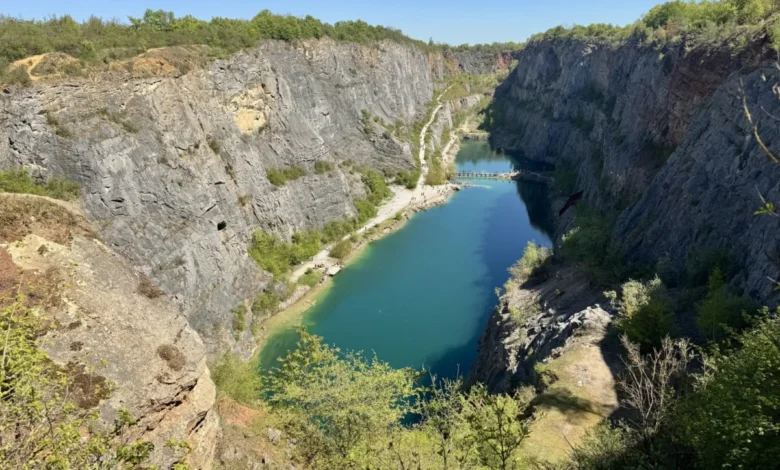
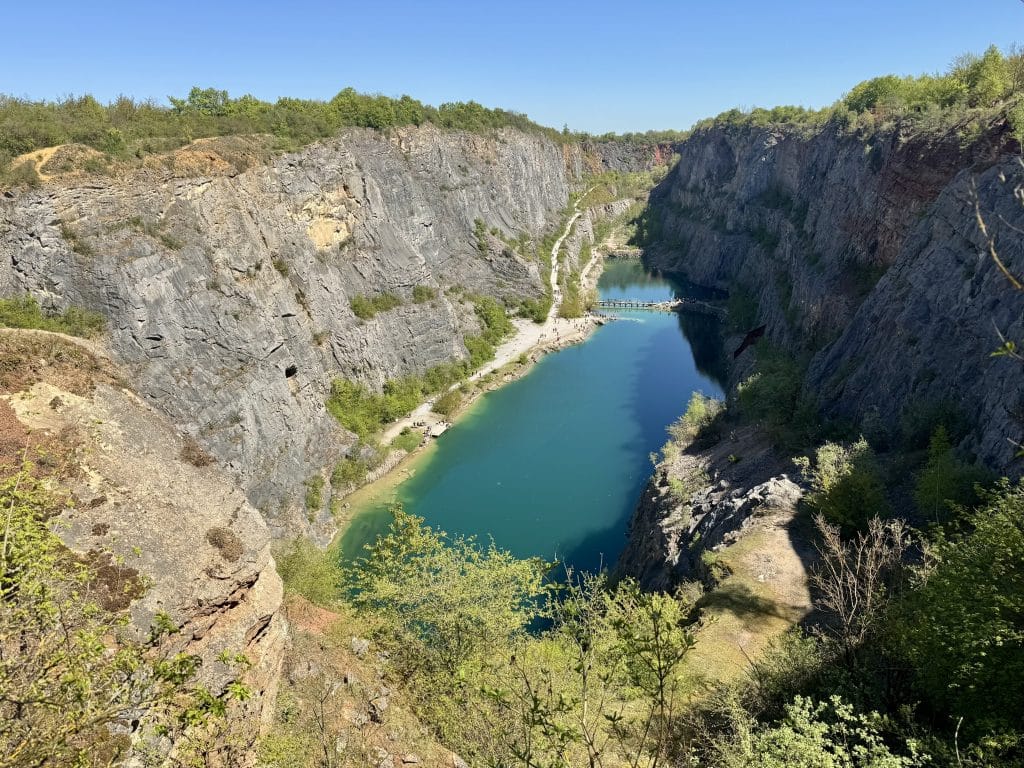
Beyond the urban center, outdoor recreation has seen a surge in participation. The limestone quarry of Velká Amerika, often referred to as the "Czech Grand Canyon," and the Divoká Šárka nature reserve have become essential components of the Prague tourism circuit. These sites offer critical ecological and recreational value, providing a necessary counterpoint to the densely populated historical districts of the city center.
The United Kingdom: A Study in Rural Heritage and Urban Revitalization
Travel patterns in the United Kingdom during May 2026 highlighted a stark contrast between the pastoral charm of the Cotswolds and the edgy, arts-driven economy of Bristol. The British tourism sector continues to benefit from "slow travel" trends, where visitors prioritize walking tours and local immersion over rapid transit between major landmarks.

The Cotswolds: Preservation and Pedestrianism
The Cotswolds remains a cornerstone of the UK’s rural tourism strategy. Towns such as Bourton-on-the-Water and Cirencester continue to draw significant revenue through their well-preserved stone architecture and proximity to scenic hiking trails. The "Slaughters"—Upper and Lower Slaughter—serve as prime examples of successful heritage preservation, where restricted vehicle access and promoted walking routes between the twin villages have fostered a quiet, sustainable tourism model. This pedestrian-centric approach is increasingly seen as a blueprint for maintaining the integrity of historic English villages in the face of rising visitor numbers.
Bristol: The Culinary and Artistic Renaissance
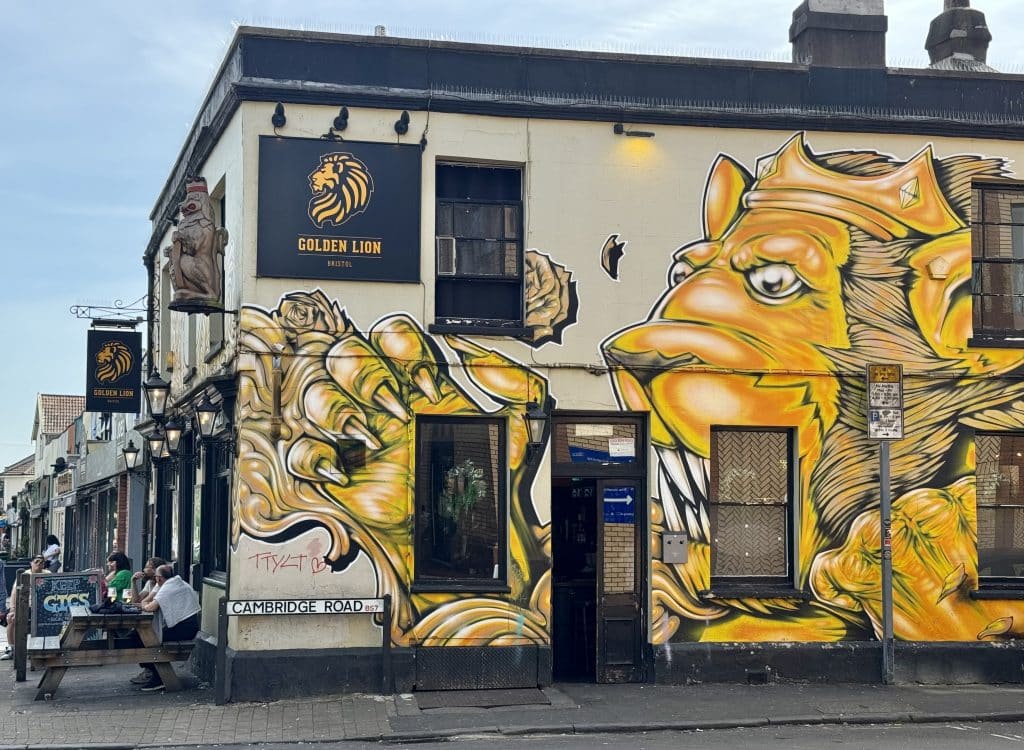
In contrast to the traditionalism of the Cotswolds, Bristol has solidified its reputation as a hub for urban innovation. The city’s economy is heavily bolstered by its youthful, university-led demographic and a vibrant street art scene that serves as a major draw for cultural tourists.
A significant development in the Bristol hospitality sector is the continued success of Michelin-recognized establishments like Wilson’s. Featured in the Apple TV+ series Knife Edge, Wilson’s has become a case study in the "media-culinary effect," where television exposure drives international demand for local tasting menus. Analysts note that the restaurant’s ability to offer high-value, multi-course dining for under £80 positions Bristol as a competitive alternative to the more expensive London dining market.
Traditional Sports and Risk Management: The Cooper’s Hill Cheese-Rolling
May 2026 marked the annual occurrence of the Cooper’s Hill Cheese-Rolling in Gloucestershire, an event that remains one of the most controversial yet enduring examples of British folk heritage. The event involves participants chasing a nine-pound wheel of Double Gloucester cheese down a near-vertical incline.
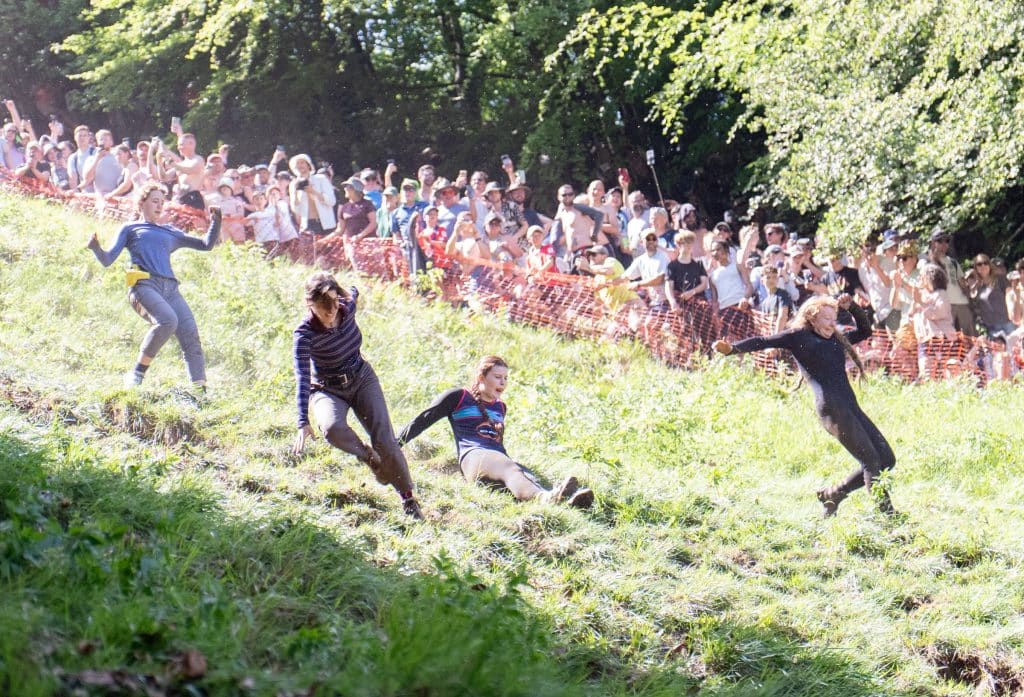
From a risk management perspective, the event presents unique challenges for local authorities. Despite the lack of official organization in some years and the inherent danger of the terrain, the event continues to attract thousands of spectators and international participants. The 2026 iteration saw a high level of female participation, reflecting broader trends in the diversification of traditional sports. However, the physical toll on participants remains a point of debate; while the event provides a significant boost to the local economy, particularly for nearby towns like Cheltenham, it also places a seasonal strain on local emergency services.
Travelers are increasingly advised to evaluate the logistical difficulties of attending such events. While Cheltenham offers robust hospitality infrastructure, the neighboring city of Gloucester has faced criticism for a perceived lack of urban revitalization compared to its regional counterparts. This disparity highlights the uneven nature of economic development in the West Country.
Sociocultural Trends: Media Consumption and Financial Literacy
The month of May also provided a window into broader sociocultural shifts through the lens of media and literature. The ongoing project by various cultural critics to re-evaluate the "500 Greatest Albums of All Time" has sparked a renewed interest in legacy artists. The 2026 discourse focused heavily on the 1970s hybrid of rock and disco, with David Bowie’s Station to Station and Pink Floyd’s Dark Side of the Moon seeing a resurgence in streaming numbers. This trend suggests that "discovery-based" listening, facilitated by curated lists and digital platforms, is bridging the generational gap in music consumption.
In the literary world, the release and subsequent discussion of Belle Burden’s memoir, Strangers: A Memoir of Marriage, has catalyzed a national conversation on financial literacy and the vulnerability of stay-at-home parents within high-net-worth households. The book details the financial exploitation of a woman from a prominent American family (the Vanderbilts) by her spouse, serving as a cautionary tale regarding the necessity of independent financial management. Legal experts and domestic advocates have used the book’s popularity to highlight the "hardball" tactics often used in high-stakes divorces, emphasizing that educational background and inherited wealth do not necessarily immunize individuals against financial conning.

Pet Healthcare Infrastructure in the Czech Republic
For the expatriate community in Prague, May brought attention to the city’s evolving veterinary infrastructure. The availability of 24/7 emergency care with English-speaking staff is a critical factor for the growing international population. The shift from small, language-limited local clinics to comprehensive, multi-lingual veterinary hospitals reflects Prague’s status as a globalized hub. This infrastructure is essential not only for resident well-being but also for the increasing number of "pet-centric" travelers who relocate or travel long-term with domestic animals.
Projections for June 2026: Transatlantic Travel and Urban Pedestrianism
As the travel calendar moves into June, the focus shifts toward the United States, particularly the Northeast corridor. New England is expected to see a significant influx of domestic tourists seeking coastal experiences and "culinary tourism" centered on regional specialties like the lobster roll.
A burgeoning trend for the upcoming month is "extreme urban pedestrianism." This involves travelers undertaking day-long treks through major metropolitan areas to experience the full spectrum of urban life. Planned routes for June 2026 include the Emerald Necklace in Boston—a 1,100-acre chain of parks—and the full length of Broadway in Manhattan. These walks represent a shift in urban tourism from "monument hopping" to a more holistic, endurance-based exploration of cityscapes.
Additionally, the European concert circuit remains a major economic driver. High-profile performances, such as Ricky Martin’s scheduled appearance in Prague, continue to sell out, indicating that the "experience economy" shows no signs of slowing down despite global inflationary pressures.
Conclusion
The travel and cultural data from May 2026 illustrates a resilient and diversifying landscape. From the spicy food stalls of Prague to the treacherous slopes of Cooper’s Hill, the modern traveler is increasingly seeking authenticity, physical challenge, and culinary excellence. As the industry moves into the peak summer season, the emphasis on sustainable pedestrianism and financial literacy in personal life remains more relevant than ever. The success of regional hubs like Bristol and the enduring appeal of the Cotswolds suggest that the future of tourism lies in the balance between preserving the old and innovating the new.