Orcas Shatter Sunfish in Dramatic Display of Predatory Behavior and Potential Play

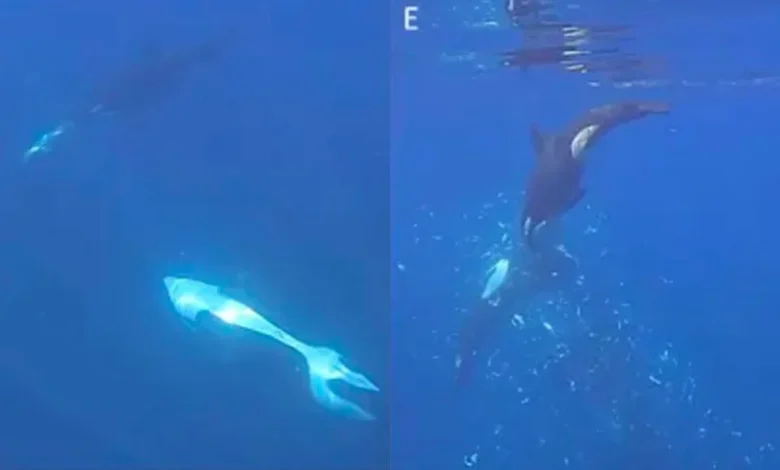
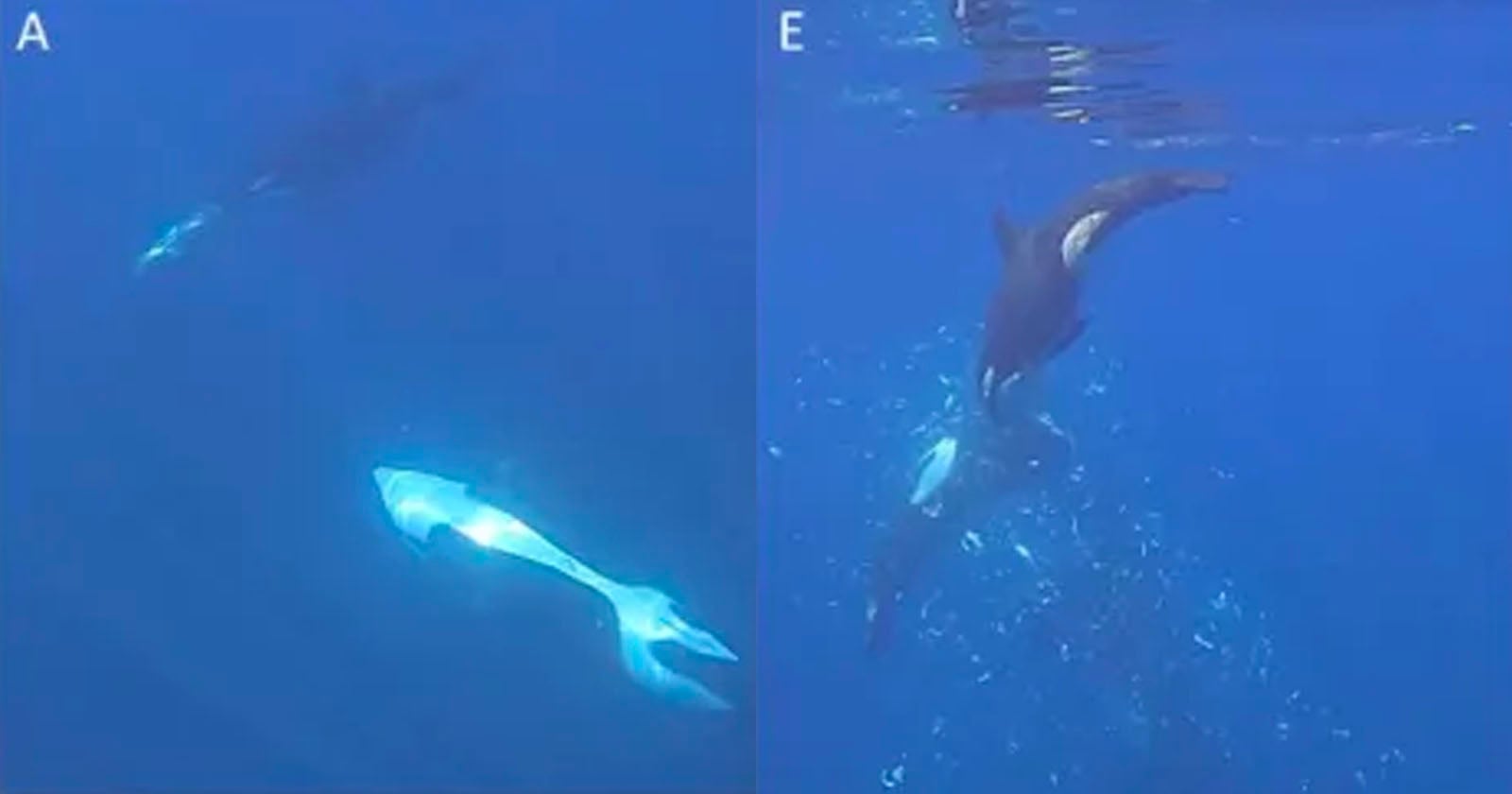
Marine biologists have captured astonishing footage in the Gulf of California showcasing orcas engaging in a remarkably destructive yet intriguing feeding behavior: deliberately ramming a large sunfish with such force that it disintegrates into thousands of pieces. The event, filmed by marine biologist Kathryn Ayres in July 2024, offers a rare glimpse into the complex and often surprising predatory strategies of these apex predators, prompting scientific inquiry into the motivations behind such an explosive act.
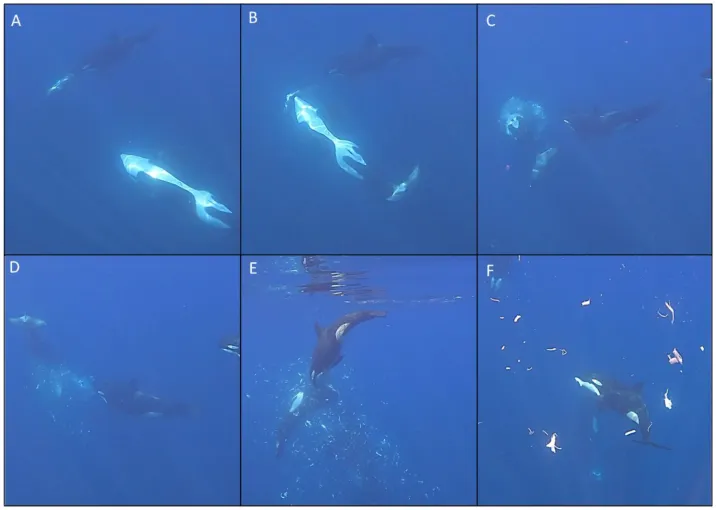
The remarkable scene unfolded during a shark diving expedition when Ayres, seeking a closer look at the marine environment, entered the water. There, she observed a coordinated effort by two orcas. One whale was seen meticulously holding a deceased sharptail sunfish in place, its massive body acting as an anchor. Into this stationary prey, another orca propelled itself at considerable speed, belly-first, delivering a powerful, high-impact ram. The collision was not merely forceful; it was catastrophic for the sunfish. Witnesses reported a distinct crunching sound as the fish, one of the ocean’s largest bony species, was literally torn apart, scattering into countless fragments. Ayres’ audible exclamations of awe and disbelief captured in the video underscore the sheer intensity and unexpectedness of the spectacle.
A Calculated Dismantling of Prey
Further analysis of the event, as reported by Scientific American, revealed that the orcas had already meticulously stripped the sunfish of its internal organs prior to the dramatic ramming. This detail is crucial for understanding the potential motivations behind the behavior. Internal organs, particularly the liver and digestive tract, are typically the most nutrient-dense parts of a prey animal. Their prior removal suggests that the explosive dismantling of the remaining carcass might not have been solely for immediate nutritional gain.
The scientific community is actively exploring the reasons behind this unique predatory tactic. A research paper published by Ayres and her colleagues in the journal Frontiers in Ethology on Thursday proposes a compelling hypothesis: the ramming behavior could facilitate the efficient distribution of the remaining fish tissue among the entire orca pod. By fragmenting the large sunfish into smaller, manageable pieces, it becomes easier for multiple individuals, including younger or less dominant members, to access and consume the meal. This cooperative feeding strategy is not uncommon among orcas, which are highly social animals known for their complex hunting techniques that often involve teamwork.
Beyond Sustenance: The Playful Predator
However, the research also acknowledges a well-documented facet of orca behavior: their propensity for play. Orcas are renowned for their intelligence and their tendency to interact with their environment and prey in ways that extend beyond mere sustenance. Anecdotal evidence and photographic records abound of orcas engaging in seemingly playful activities, such as tossing seals through the air or, famously, wearing dead salmon as makeshift "hats."
Kathryn Ayres herself commented on this aspect in an interview with CNN, stating, "They had already consumed the sunfish’s internal organs, which are the most nutrient-rich parts of the prey. This suggests that causing the sunfish to explode may not have served an immediate feeding purpose and could have just been for fun." This assertion points to the possibility that the orcas derive some form of satisfaction or stimulation from the act of destroying the fish in such a dramatic fashion. The sheer force and the resulting fragmentation might be intrinsically rewarding for these intelligent creatures, akin to a game or a display of prowess.
Anatomical Factors in the Explosive Outcome
The specific anatomy of the sharptail sunfish may also play a significant role in the observed outcome. Ayres and her team theorize that the laterally compressed, flattened body structure of the sunfish makes it particularly susceptible to explosive rupture when subjected to high-impact forces. "Their bodies are laterally compressed," Ayres explained. "Once the nutrient-rich internal organs have been removed, the remaining tissues may be more accessible to rupture under high-impact ramming." This suggests a potential evolutionary adaptation where the orcas may have learned to exploit the specific physical characteristics of this prey to achieve such a dramatic result, whether for efficient sharing or for the sheer spectacle.
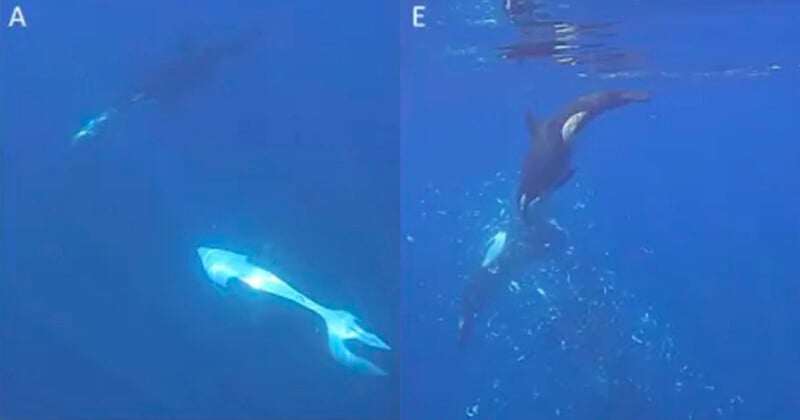
The sharptail sunfish ( Masturus lanceolatus ) is a formidable creature in its own right. These fish can reach impressive lengths of up to 10 feet (three meters) and weigh over 4,000 pounds (1,800 kilograms), positioning them among the heaviest bony fish in the world’s oceans. Their size and robustness would typically make them a challenging prey item to break down, further highlighting the efficiency and power of the orcas’ ramming technique.
A Pattern of Behavior: Further Evidence from the Gulf of California
The incident captured by Ayres is not an isolated phenomenon. A second video documenting similar sunfish-ramming behavior emerged from the Gulf of California, recorded by a tour operator in September of the previous year. This independent footage corroborates Ayres’ observations, depicting a near-identical sequence of events: one orca immobilizing the sunfish while another delivers a high-speed ram. The consistency of this behavior across different individuals and at different times suggests it may be a learned or culturally transmitted hunting strategy within certain orca populations in this region.
The implications of these observations extend beyond mere curiosity. Understanding the full spectrum of orca predatory behaviors, including their capacity for calculated destruction and potential play, provides invaluable insights into their cognitive abilities, social structures, and ecological roles. The cooperative hunting strategies observed in orcas have been studied extensively, highlighting their advanced problem-solving skills and sophisticated communication. The ramming of sunfish, whether primarily for feeding efficiency or for playful exploration, adds another layer to this complex picture.
Broader Impact and Future Research
The research published in Frontiers in Ethology represents a significant contribution to the field of marine ethology. By documenting and analyzing this unusual behavior, scientists are better equipped to understand the nuances of predator-prey dynamics in marine ecosystems. The study’s findings could inform conservation efforts by highlighting the intricate relationships that shape these environments and the importance of preserving the complex behaviors of apex predators like orcas.
Further research will likely focus on identifying the specific populations of orcas exhibiting this behavior, understanding the learning processes involved, and determining the precise balance between feeding necessity and playful exploration. The use of advanced underwater filming techniques and potentially bio-logging devices could provide even more detailed data on the mechanics and motivations behind these spectacular displays. As scientists continue to unravel the mysteries of the ocean, encounters like the one captured by Kathryn Ayres serve as powerful reminders of the intelligence, adaptability, and astonishing capabilities of its inhabitants. The shattered sunfish, a testament to the raw power of nature, also offers a compelling window into the minds of one of the ocean’s most captivating predators.
Related posts: