The Arab World’s Healing Waters: A Journey Through Ancient Thermal Springs for Modern Restoration

For centuries, the vast and diverse landscapes of the Arab world have held a secret—a network of natural wonders offering profound healing and rejuvenation. From the verdant palm oases of Oman to the stark, mineral-rich deserts of Saudi Arabia, these geothermal havens have drawn travellers seeking solace and restoration. At the heart of this ancient allure are the region’s mineral-rich hot springs, fountains of vitality that appear to breathe new life into the surrounding terrain. In an era defined by rapid pace and constant demands, these natural spas, coupled with increasingly accessible travel options, present an unparalleled opportunity for rest and renewal. This exploration delves into some of the most exceptional hot springs across the Arab world, highlighting their historical significance, therapeutic properties, and the enduring appeal that continues to draw visitors seeking holistic well-being.
The deep-seated appreciation for hot mineral springs within the Middle East is not a recent phenomenon. Ancient civilizations recognized and revered these natural formations for their purported healing capabilities. Historical accounts suggest that communities would congregate at these springs, immersing themselves in the mineral-laden waters to alleviate ailments and restore their vitality. This cherished tradition persists today, as a new generation of travelers, both local and international, are drawn to these thermal oases. The allure lies not only in the promise of physical relief but also in the immersive experience of connecting with nature’s restorative power in environments steeped in history and natural beauty.
Exploring the Premier Thermal Sanctuaries of the Arab World
The Arab world boasts a remarkable array of hot springs, each with its unique geological origins and therapeutic benefits. These destinations offer a compelling blend of natural splendor and wellness, inviting visitors to embark on a journey of profound relaxation and healing.
Ras Al Khaimah’s Khatt Hot Springs, United Arab Emirates
Nestled within the picturesque emirate of Ras Al Khaimah, the Khatt Hot Springs stand as a testament to the region’s rich geothermal activity. These triple hot springs emerge from a limestone substrate, with their waters consistently flowing at a balmy 104°F (40°C). The spring’s waters are particularly renowned for their high concentration of sulphur and other therapeutic minerals, which are believed to possess significant curative properties. Recognizing the potential of this natural asset, a luxury hotel and spa have been thoughtfully integrated into the site. This development allows guests to immerse themselves in the revitalizing mineral pools while enjoying the serenity of meticulously maintained gardens and world-class amenities, creating an environment conducive to complete relaxation and rejuvenation. The development of such integrated wellness facilities reflects a growing trend in the region to leverage natural resources for high-end tourism focused on well-being.
Moulay Yacoub Hot Springs, Morocco
Morocco, a land renowned for its rich cultural tapestry and diverse landscapes, is also blessed with over 100 thermal springs, among which the Moulay Yacoub springs hold a distinguished place. Located a mere 12 miles from the ancient imperial city of Fez, these springs are highly prized for their mineral-rich waters, which contain significant levels of sulphur, mineral salts, sodium, calcium, and magnesium. For generations, the waters of Moulay Yacoub have been sought after for their efficacy in alleviating conditions such as rheumatoid ailments, ear, nose, and throat (ENT) issues, and chronic pain. The springs offer a rejuvenating escape, set amidst Morocco’s captivating and mesmerizing terrain, providing a holistic experience that combines natural healing with cultural immersion. The proximity to Fez also allows visitors to seamlessly blend therapeutic stays with explorations of one of the world’s most ancient and vibrant cities.
Ma’in Hot Springs, Jordan
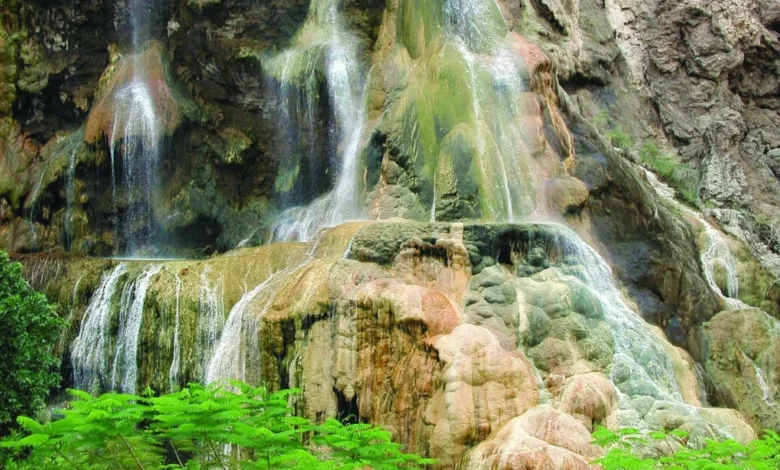
Often hailed as one of the most attractive natural pools globally, Jordan’s Ma’in Hot Springs represent a true oasis of natural beauty and therapeutic potential. Originating from the basaltic mountain tops of the Madaba region, the mineral-rich waters cascade through a series of natural waterfalls and pools, creating a breathtaking spectacle. Situated approximately an hour’s drive from the capital city of Amman, Ma’in has become a significant destination for wellness tourism. Visitors flock here seeking relief from a range of conditions, including skin ailments, circulatory problems, and joint and muscle pain. The springs are complemented by modern spa facilities, enhancing the visitor experience and providing a perfect backdrop for both relaxation and targeted therapeutic treatments. The unique combination of dramatic natural scenery and well-appointed facilities makes Ma’in a standout destination for those seeking natural healing.
Siwa Oasis Hot Springs, Egypt
Deep within Egypt’s remote Siwa Oasis, natural hot springs have served as sanctuaries of healing since antiquity. The most celebrated of these is Cleopatra Spring, a natural stone pool continuously replenished by a pure, natural spring. This timeless oasis was a favored retreat for ancient Egyptian, Persian, and Bedouin civilizations, all drawn to the restorative benefits of its mineral-infused waters. Today, visitors can immerse themselves in the same revitalizing springs that legend suggests were once enjoyed by Cleopatra herself. The Siwa Oasis offers a unique travel experience, combining the therapeutic qualities of its springs with the distinct culture and serene desert landscapes of one of Egypt’s most isolated and captivating regions. The journey to Siwa itself is part of the adventure, offering a glimpse into a way of life preserved through centuries.
Ad-Dal’a Hot Springs, Saudi Arabia
Located approximately an hour’s drive from Riyadh, in the Saudi town of Al-Kharj, lies the remarkable Ad-Dal’a hot spring. This natural wonder is notable for its astounding depth, reaching 98 feet (30 meters), and its connection via an underground channel to the nearby Samha Spring, situated just 49 feet (15 meters) away. The surrounding landscape exudes an eternal charm and natural beauty, contributing to an experience steeped in wonder and profound relaxation. Ad-Dal’a represents a significant natural attraction within Saudi Arabia, offering a unique geological phenomenon alongside its therapeutic potential. For travelers exploring Saudi Arabia, these enigmatic springs provide an exceptional opportunity for both geological appreciation and tranquil respite.
Korbous Hot Springs, Tunisia
The small coastal village of Korbous, located about an hour’s drive from Tunis, offers a serene hot spring getaway comprising seven restorative mineral pools. The temperature of these springs ranges impressively from 111°F to 140°F (44-60°C). The waters are reputed to offer therapeutic advantages for a variety of conditions, including arthritis and respiratory problems. Nestled amidst Tunisia’s breathtaking natural beauty, Korbous provides a tranquil setting for rest and renewal, enveloped by undulating hills and lush vegetation. This destination embodies the peaceful coexistence of natural healing and scenic beauty, making it an ideal spot for those seeking an escape from urban life. The accessibility from Tunis further enhances its appeal for both domestic and international visitors.
Nakhal Hot Springs, Oman
Ninety minutes from Muscat, the Nakhal Hot Springs, known locally as Ain Al Thawarah, gush forth from the Silud Mountain, creating a visually stunning oasis. The steaming waters flow for nearly 100 feet before diverging into two picturesque streams, all set against a backdrop of vibrant palm groves. Beyond the restorative soak in these replenishing mineral waters, visitors have the opportunity to explore the historic 17th-century Nakhal Fort, which stands nearby. This addition of a significant historical landmark enhances the overall experience, infusing it with a sense of timeless enchantment and cultural depth. The juxtaposition of natural thermal springs and ancient architecture offers a unique cultural and wellness tourism opportunity.
Wadi Ad-Dawasir’s Al-Jubah Hot Springs, Saudi Arabia
Deep within Saudi Arabia’s Wadi Ad-Dawasir valley lies the Al-Jubah Hot Springs, a recognized sanctuary of natural healing. The waters here are particularly rich in natural sulphur, making them highly effective for treating joint diseases and rheumatism. The therapeutic qualities of these curative waters are harnessed at modern pool facilities, designed to offer the ultimate rejuvenating escape. After a restorative soak, visitors can extend their wellness journey by exploring the serene desert landscapes of the wadi, further enhancing the sense of tranquility and connection with nature. Al-Jubah represents a significant natural asset within the interior of Saudi Arabia, offering a secluded retreat for those seeking therapeutic benefits and an authentic desert experience.
The Profound Rejuvenating Benefits of Thermal Springs
The act of immersing oneself in thermal mineral springs offers a multifaceted array of revitalizing advantages that extend beyond simple relaxation. The unique mineral compositions found in these waters are scientifically understood to enhance blood circulation, which in turn can alleviate symptoms associated with respiratory conditions, skin ailments, and muscular discomforts like arthritis and general aches. The warmth of the water facilitates the body’s natural processes of remineralization, aiding in the elimination of toxins and contributing to a comprehensive detoxification experience.
Perhaps most profoundly, thermal springs are potent agents of stress reduction. As the body is enveloped in the soothing warmth of the mineral waters, physical tension dissolves, allowing for a profound sense of mental stillness. This effect fosters a calming and introspective state, enabling individuals to disconnect from the pressures of daily life. The experience is not merely physical; it is also deeply psychological and spiritual. Visitors often emerge from these healing waters feeling not only physically restored but also spiritually balanced and mentally refreshed, having undergone a holistic cleansing and renewal. This comprehensive restoration makes thermal springs a highly sought-after destination for those seeking holistic well-being.
Navigating the Path to the Arab World’s Premier Hot Springs
For centuries, thermal springs have been a beacon for travelers drawn by the promise of relaxation, healing, and profound renewal. The natural mineral-rich fountains scattered across the Arab world provide the quintessential settings to experience the timeless remedies of therapeutic bathing. Each of these extraordinary hot springs, from secluded oases to dramatic terraced pools, offers a unique pathway to tranquility and escape. Whether the objective is relief for the body, clarity for the mind, or restoration for the spirit, the region’s finest geothermal retreats stand ready to revive and rejuvenate the soul through the potent, restorative powers of nature’s most precious waters. The increasing accessibility of travel, facilitated by airlines such as Flyadeal, further democratizes access to these remarkable destinations, inviting a broader audience to experience their transformative benefits.
The historical context of these springs reveals a deep-rooted understanding of hydrotherapy and its benefits. Archaeological evidence suggests that the use of mineral springs for health purposes dates back to prehistoric times. The continuity of this practice underscores the enduring efficacy and appeal of these natural resources. Furthermore, the geological processes that create these springs often result in unique mineral profiles, with variations in temperature and mineral content catering to a diverse range of therapeutic needs. This natural diversity ensures that there is a suitable hot spring for almost any wellness objective.
The broader implications of promoting such natural wellness destinations are significant. They contribute to the diversification of tourism economies, moving beyond traditional sightseeing to embrace health and wellness tourism. This can lead to job creation, infrastructure development, and the preservation of natural and cultural heritage. Moreover, as global awareness of the benefits of natural therapies grows, destinations offering authentic and effective wellness experiences are poised for increased popularity. The Arab world, with its rich endowment of geothermal resources and millennia-old traditions of healing, is exceptionally well-positioned to become a leading global destination for thermal spring tourism. The ongoing development of infrastructure and the promotion of these sites, coupled with increasing accessibility, suggest a promising future for wellness travel in the region.
Related posts: