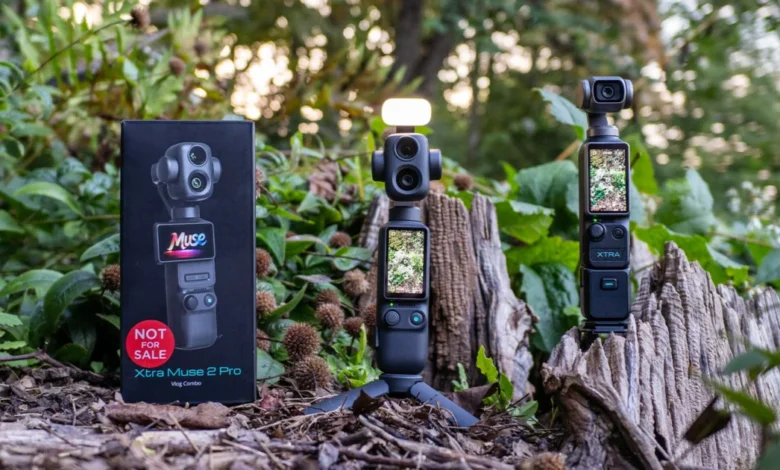
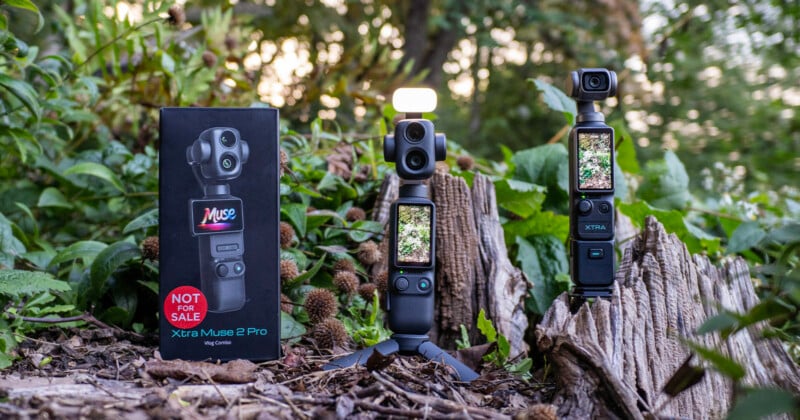
The journey of the Muse 2 Pro from a highly anticipated consumer product to an inaccessible curiosity began in May 2026, when Xtra launched its "100 Creators" program. The initiative was designed to foster a community of brand ambassadors, whom the company dubbed "Xtra Aesthetic Masters." These individuals, selected for their visual proficiency in lighting and composition, were promised early access to the Muse 2 Pro. The device was touted as the next evolution in portable videography, featuring a three-axis mechanical gimbal, a 1-inch CMOS sensor, and a secondary telephoto lens—a configuration that directly challenged established leaders in the handheld stabilized camera market.
A Chronology of Regulatory Uncertainty
The trajectory of the Muse 2 Pro shifted dramatically in the summer of 2026. Initially, Xtra had opened an "Early Bird" program in the United States, allowing prospective buyers to secure a pre-order slot with a $20 deposit. The company targeted a late July 2026 retail launch. However, as mid-summer approached, the situation deteriorated. By late July, Xtra abruptly paused the program, issuing refunds to all participants and citing an inability to establish a reliable timeline for U.S. availability.
This administrative retreat coincided with intensifying scrutiny from the Federal Communications Commission (FCC). The agency has been conducting a broad, systematic review of several technology firms suspected of importing hardware that incorporates proprietary technology from entities currently under U.S. trade and security restrictions. In July 2026, the FCC proposed a $25,000 forfeiture against Xtra, citing concerns over compliance. More significantly, the regulator proposed a prohibition on the importation and marketing of specific equipment linked to these manufacturers. While this does not constitute a total ban on the company’s entire catalog—as some legacy products remain on the market—it has effectively halted the commercial entry of new hardware like the Muse 2 Pro.
Technical Specifications and Market Positioning
The Muse 2 Pro distinguishes itself through a sophisticated imaging pipeline. Its primary 1-inch sensor is paired with a 20mm-equivalent lens, while the secondary telephoto camera provides a 60mm-equivalent perspective. This dual-lens architecture allows creators to switch focal lengths without the weight or complexity of traditional interchangeable-lens systems.
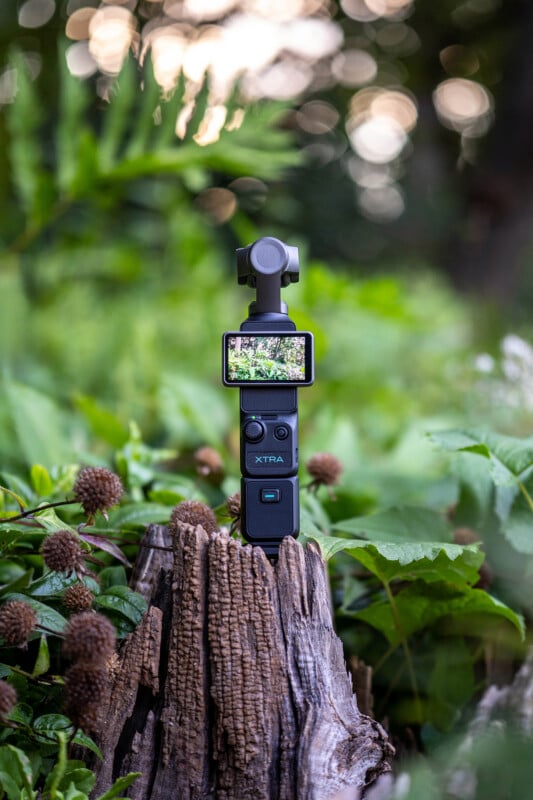
From a performance standpoint, the device is built to handle professional-grade workflows. It supports 4K recording at up to 240 frames per second and utilizes an "X-Log 3" color profile, which the company claims provides up to 17 stops of dynamic range. With 103GB of built-in storage, the unit is designed to minimize the need for external media, catering to the "run-and-gun" needs of vloggers and travel photographers. The mechanical gimbal, coupled with advanced subject-tracking algorithms, enables the device to follow a creator’s movement, effectively acting as an automated cameraman.

Comparing the Muse 2 Pro to its predecessors and competitors reveals a deliberate move toward versatility. While earlier pocket gimbals often relied on digital cropping for "zoom" capabilities, the physical integration of a second lens maintains higher image fidelity. Furthermore, the inclusion of essential vlogging accessories—such as a dedicated tripod and a supplemental light—suggests that Xtra aimed to position the Muse 2 Pro as a comprehensive, all-in-one solution for solo content creators who require a step up from smartphone optics without the bulk of a mirrorless system.

The Implications of the "Not For Sale" Label
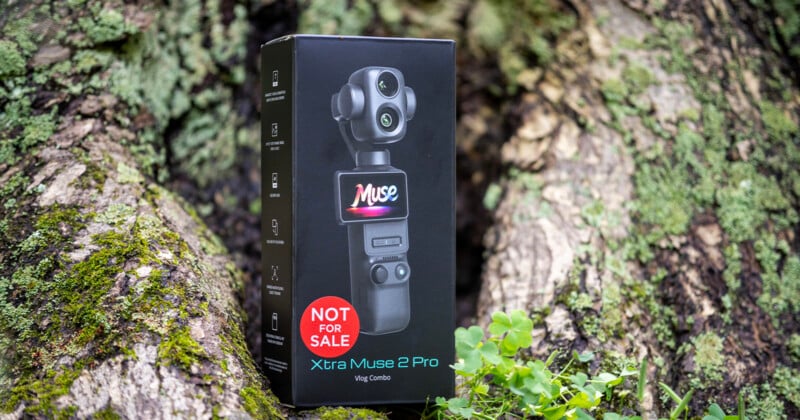
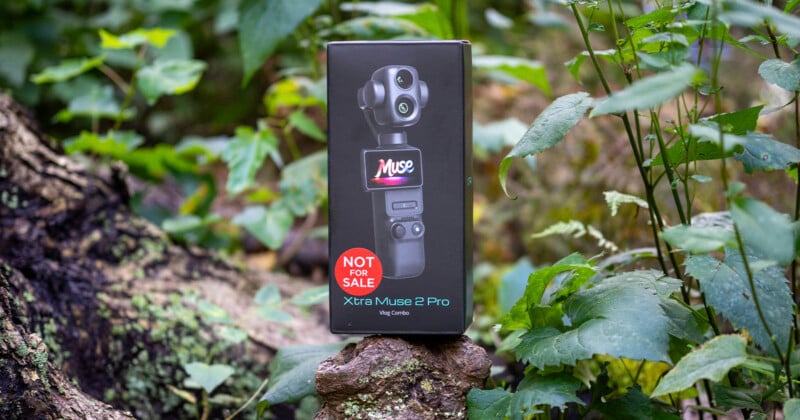
The presence of the "NOT FOR SALE" sticker on units distributed to creators serves as a physical embodiment of the legal limbo currently surrounding the product. For the recipients of these units, the camera provides a unique window into a device that the general public is currently unable to procure.

The regulatory challenges facing Xtra reflect a growing trend in the consumer electronics sector, where hardware, software, and international trade policy intersect. The FCC’s role in this matter is to ensure that imported equipment adheres to rigorous standards and does not circumvent existing restrictions on sensitive technologies. For Xtra, the path forward requires a successful negotiation with the FCC to clear the regulatory hurdles that have kept the Muse 2 Pro in a state of suspended animation.

While the company maintains that it is in active communication with authorities, the absence of a revised launch schedule leaves the U.S. market in a position of uncertainty. For American photographers and vloggers, the Muse 2 Pro remains an object of professional interest that can be analyzed through technical specifications and early-adopter impressions but cannot yet be integrated into a commercial retail strategy.

Performance Analysis and Future Outlook
Field testing of the Muse 2 Pro indicates that the hardware is highly capable, particularly in terms of autofocus speed and low-light performance. Observations show that the gimbal’s ability to track subjects—even when they exit and re-enter the frame—is remarkably refined. In low-light environments, the sensor performs within the expectations of its class, producing images with manageable noise levels, though it—like many high-performance cameras—eventually reaches a threshold where manual intervention is required.

The aesthetic rendering of the camera is another point of interest. The natural depth-of-field falloff produced by the 1-inch sensor provides a "cinematic" quality that often eludes smartphone sensors, which frequently rely on artificial software-based bokeh. By keeping processing to a minimum, users can achieve a raw, high-fidelity look that is increasingly sought after in professional social media production.

Ultimately, the Muse 2 Pro is a case study in the tension between technological innovation and the complexities of global supply chain regulation. If Xtra can navigate the ongoing FCC review and secure authorization, the device could carve out a significant niche for itself among content creators who prioritize portability and stabilization. However, until such a resolution is reached, the camera remains a tantalizing piece of hardware that highlights both the current capabilities of miniaturized cinematography and the significant barriers that can prevent such technology from reaching the domestic market.

As the regulatory landscape continues to evolve, the status of the Muse 2 Pro will remain a focal point for industry observers tracking how the government balances the influx of high-end consumer electronics with its national security and compliance mandates. For the time being, the small community of creators holding these devices possesses a rare tool, but one that is disconnected from the broader commercial ecosystem that typically sustains such products. Whether this "creator-first" approach will serve as a bridge to a full-scale U.S. launch or remain a temporary, limited-distribution experiment remains to be seen.