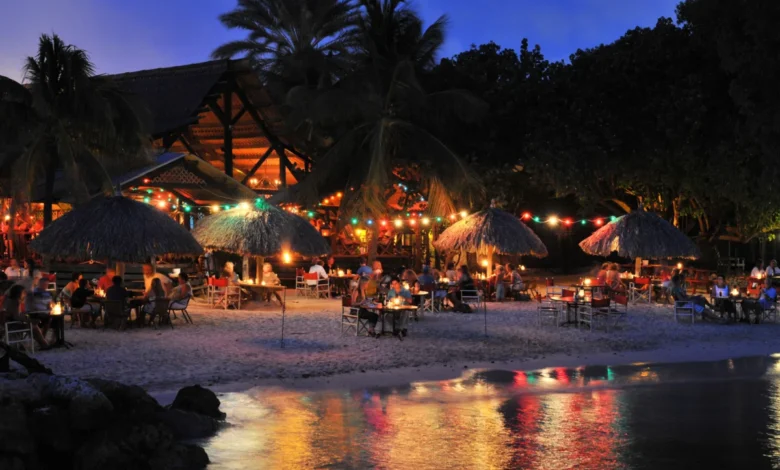
Culinary tourism has emerged as a cornerstone of the Curaçaoan economy, as the island increasingly leverages its status as a Caribbean melting pot to attract international travelers. Located just 40 miles off the coast of Venezuela, Curaçao’s gastronomy serves as a tangible record of its complex history, blending Dutch colonial influences with indigenous Arawak traditions, African culinary techniques, and a distinct Latin American flair. As the island continues to diversify its tourism sector, the local food scene has transitioned from a supporting feature of the travel experience to a primary draw for visitors seeking an authentic intersection of heritage and innovation.
The Historical Genesis of a Fusion Cuisine
To understand the current culinary landscape of Curaçao, one must examine the socio-economic evolution of the island. Following its colonization by the Dutch in the 17th century, the island became a significant hub for maritime trade. This influx of global goods—spices, grains, and meats—combined with the introduction of Dutch dairy products like Edam and Gouda, laid the groundwork for what is now a distinct fusion identity.
The most prominent example of this synthesis is keshi yena. Historically, the dish originated from the remnants of the colonial era, where enslaved people would utilize leftover scraps of cheese rinds—often discarded by plantation owners—to create a vessel for spiced meats. Over time, this necessity-driven invention evolved into a sophisticated staple. Today, the dish is a central feature of the island’s formal culinary identity, often served in upscale restaurants across Willemstad.
Mapping the Gastronomic Ecosystem
The current food infrastructure of Curaçao is divided into three primary segments: the historic urban centers of Willemstad, the coastal boutique districts of Pietermaai, and the interior farm-to-table initiatives.
The Pietermaai District: A Coastal Evolution
The Pietermaai district has undergone significant revitalization over the last two decades, transforming from a neglected residential area into a vibrant hospitality corridor. Establishments such as BijBlauw serve as a benchmark for this transition. By utilizing the preserved architectural heritage of the Dutch Caribbean—characterized by colorful, narrow townhouses—these venues have effectively linked historic preservation with modern hospitality. Data suggests that the growth of these boutique, oceanfront venues has significantly increased the average length of stay for visitors, who now prioritize experiential dining as a key component of their travel itinerary.
Agricultural Integration and Farm-to-Table Movements
In response to the global demand for sustainable tourism, Curaçao has seen a rise in local agricultural production. Hofi Cas Cora, located in the island’s interior, represents a shift toward self-sufficiency. Unlike traditional tourism models that rely heavily on imported food supplies, this model focuses on the integration of local harvests into the culinary supply chain. The facility operates on a dual-track system: a weekend-only restaurant and a daily marketplace. This strategy addresses two critical economic objectives: reducing the carbon footprint associated with imported goods and supporting local farmers, thereby keeping more tourism revenue within the local economy.
Mediterranean Influences in Otrobanda
The Otrobanda district, known for its dense urban fabric and cultural significance, has seen a recent surge in Mediterranean-inflected dining. Restaurants like Maira’s Kitchen highlight the versatility of local produce, such as mango and passionfruit, in dishes that mirror the island’s cosmopolitan history. These venues cater to a globalized palate, offering a fusion of traditional Caribbean flavors with techniques commonly found in European and Middle Eastern cooking.
Economic Implications of the Culinary Sector
The expansion of Curaçao’s culinary scene is not merely a lifestyle development but a vital economic driver. According to tourism impact assessments, international travelers now spend approximately 25 to 30 percent of their daily budget on food and beverage services. This shift has prompted the Curaçao Tourist Board to emphasize "culinary diplomacy" in their promotional campaigns.
The implication of this trend is a broader diversification of the labor market. As demand for high-end culinary experiences grows, there is an increased necessity for skilled labor in hospitality, supply chain management, and food safety standards. The professionalization of these roles has led to improved vocational training programs on the island, aimed at ensuring that the culinary workforce can meet the demands of an international clientele while maintaining the integrity of local recipes.
Chronology of Culinary Development
- 17th Century: Initial Dutch colonization introduces European dairy and trade goods to the local diet, setting the stage for fusion dishes like keshi yena.
- Mid-20th Century: The industrialization of the island, largely driven by the oil refining sector, leads to a reliance on imported foodstuffs, temporarily masking local culinary traditions.
- 2000–2010: A renewed focus on historic preservation in Willemstad and Pietermaai catalyzes the restoration of colonial buildings into boutique hotels and restaurants.
- 2015–Present: The farm-to-table movement takes root, with a focus on sustainable agricultural practices at sites like Hofi Cas Cora, promoting the use of locally grown ingredients.
Strategic Challenges and Future Outlook
While the culinary scene is thriving, it faces structural challenges. As an island nation, Curaçao remains heavily dependent on imports for a large percentage of its food supply. Fluctuations in global shipping costs and supply chain disruptions can have immediate impacts on restaurant pricing and availability.
Industry analysts note that for the sector to remain competitive, there must be a sustained investment in local agricultural infrastructure. The continued success of the "marketplace" model suggests that there is consumer appetite for locally sourced, sustainable products. Furthermore, the integration of traditional dishes like keshi yena into modern menus serves as a vital tool for cultural preservation, ensuring that as the island modernizes, it does not lose the specific historical markers that define its heritage.
Recommendations for the Discerning Traveler
For those seeking to engage with the authentic culinary landscape of the island, a balanced approach is recommended:
- Prioritize Historical Context: When visiting establishments like Restaurant & Café Gouverneur De Rouville, consider the historical significance of the location. Built in a colonial-era building with a view of the harbor, it offers a literal and figurative vantage point into the island’s maritime past.
- Seasonality Matters: Be aware that the most authentic farm-to-table experiences, such as those at Hofi Cas Cora, operate on specific schedules. Planning visits to align with these operating hours is essential to securing a seat and supporting local producers.
- Engage with Local Ingredients: Whether it is the use of tropical fruits like passionfruit in desserts or the inclusion of local garden herbs in cocktails, seeking out menus that emphasize local produce provides a more sustainable and high-quality dining experience.
As Curaçao continues to position itself as a premier destination in the Caribbean, the role of its food scene will remain paramount. The successful marriage of history, sustainability, and innovation ensures that the island’s culinary narrative is not static, but a living, evolving element of its national identity. Through the strategic development of its restaurants and a commitment to preserving traditional dishes, Curaçao continues to demonstrate that it is more than a seaside escape—it is a destination defined by the depth and diversity of its table.
Related posts: