Discovering Emilia-Romagna: Italy’s Emerging Hub for Cultural Heritage, Gastronomy, and Family Travel

Emilia-Romagna, a sprawling administrative region in Northern Italy, is increasingly being recognized by international travel analysts and cultural historians as the nation’s "best-kept secret," positioned strategically between the high-traffic hubs of Florence, Venice, and Milan. While many international travelers have historically traversed the region via high-speed rail or the A1 Autostrada solely to reach Tuscany or the Veneto, a shift in global tourism trends toward "slow travel" and authenticity has brought Emilia-Romagna into a new light. This region, characterized by its slower pace, medieval architecture, and a culinary tradition that serves as the foundation for what the world identifies as Italian cuisine, offers a distinctively rustic and authentic experience that contrasts with the often-overcrowded "Big Three" destinations of Rome, Florence, and Venice.
A Regional Overview: The Heart of Northern Italy
Geographically, Emilia-Romagna extends nearly the entire width of the Italian peninsula, from the Apennine Mountains in the west to the Adriatic Sea in the east. It is a region of immense economic and cultural significance, housing some of the world’s most prestigious luxury automotive brands and some of Europe’s oldest educational institutions. For families and seasoned travelers alike, the appeal of the region lies in its "Sense of Place"—an atmosphere where the Italian language remains the primary tongue on the streets and where local traditions are maintained not for the benefit of tourists, but as a genuine way of life.
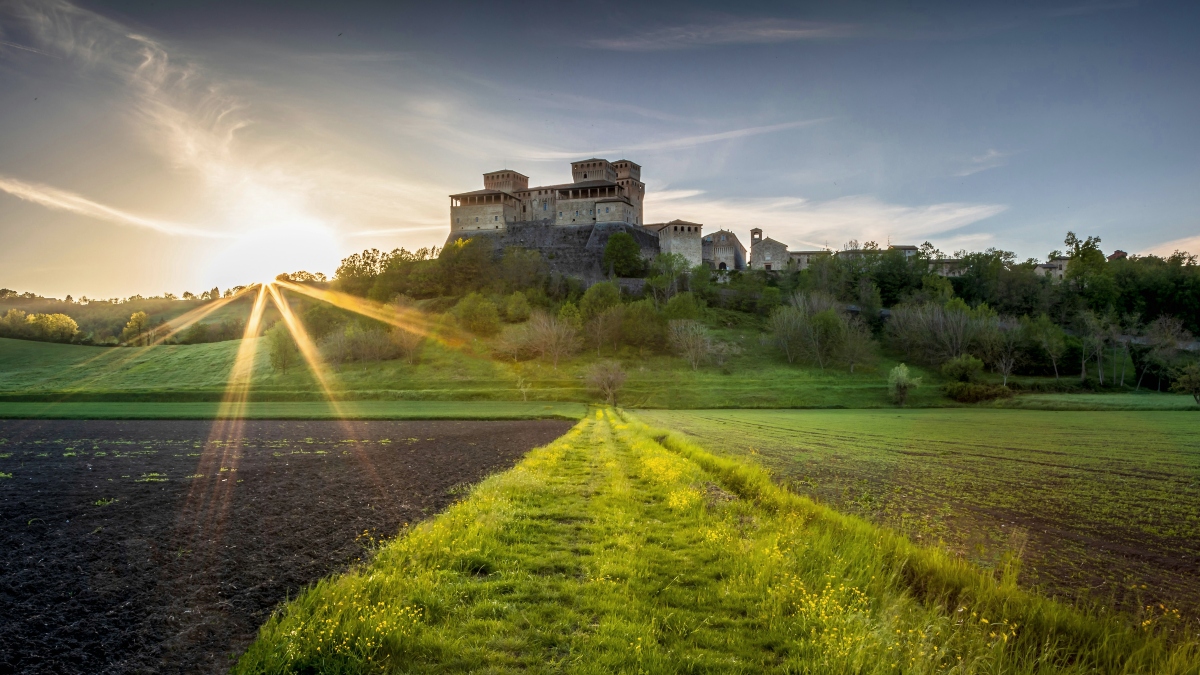
The region is anchored by its capital, Bologna, a city that manages to balance its medieval history with a vibrant, youthful energy. This energy is largely attributed to the University of Bologna, founded in 1088, making it the oldest continually operating university in the Western world. Beyond the capital, the region is dotted with UNESCO World Heritage sites, including the Byzantine mosaics of Ravenna and the porticoes of Bologna, alongside rolling hills, hilltop castles, and vast agricultural estates that drive the region’s "Food Valley" economy.
Historical Chronology: From Roman Foundation to Industrial Powerhouse
The history of Emilia-Romagna is inextricably linked to the Via Emilia, the Roman road completed in 187 BC that connected Rimini on the Adriatic coast to Piacenza in the west. This axis has dictated the region’s development for over two millennia, fostering a string of wealthy city-states that flourished during the Middle Ages and the Renaissance.
In the 11th century, the establishment of the University of Bologna transformed the region into a center of European legal and intellectual thought. During the Renaissance, the House of Este in Ferrara and the Farnese family in Parma turned their respective cities into beacons of art and architecture. By the 20th century, the region underwent a massive industrial transformation. The post-World War II era saw the birth of "Motor Valley," as visionary engineers like Enzo Ferrari and Ferruccio Lamborghini established headquarters in the outskirts of Modena and Bologna. Simultaneously, the region’s agricultural sector professionalized, turning ancient artisanal practices—such as the production of Parmigiano-Reggiano and Traditional Balsamic Vinegar—into global exports protected by strict government regulations.
Bologna: The Strategic and Cultural Anchor
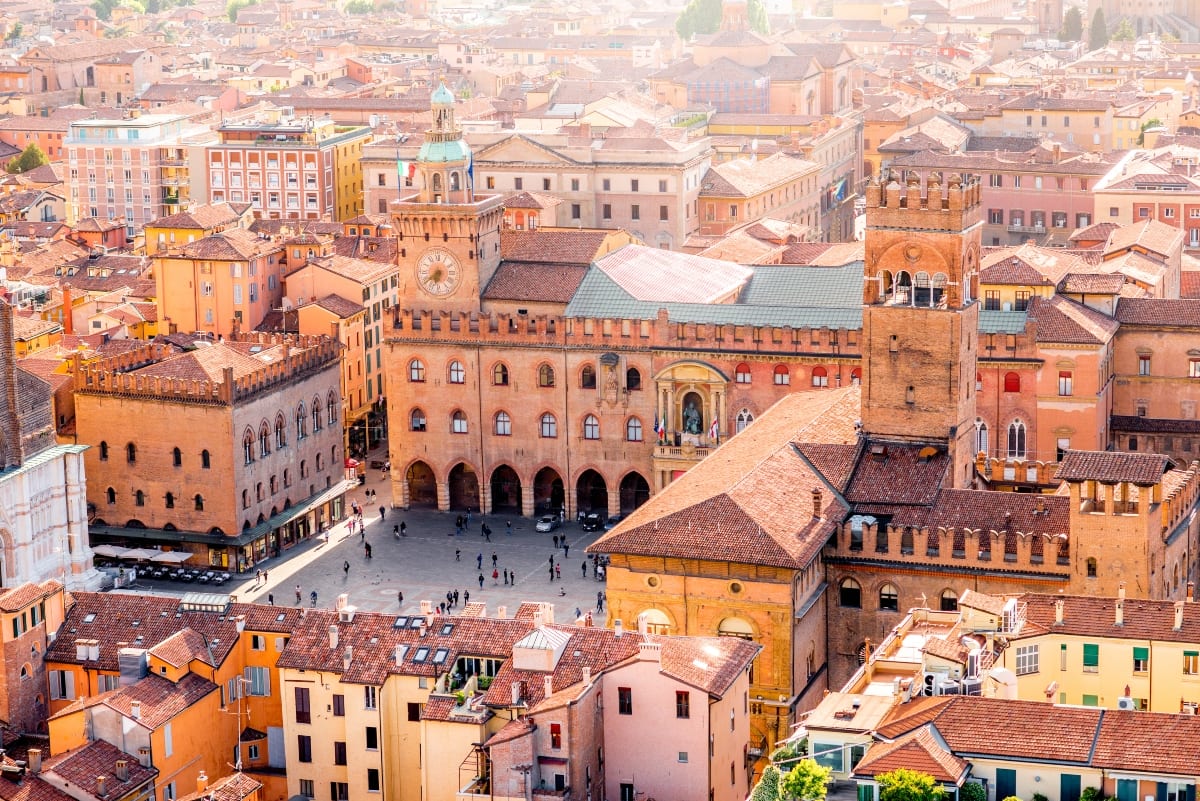
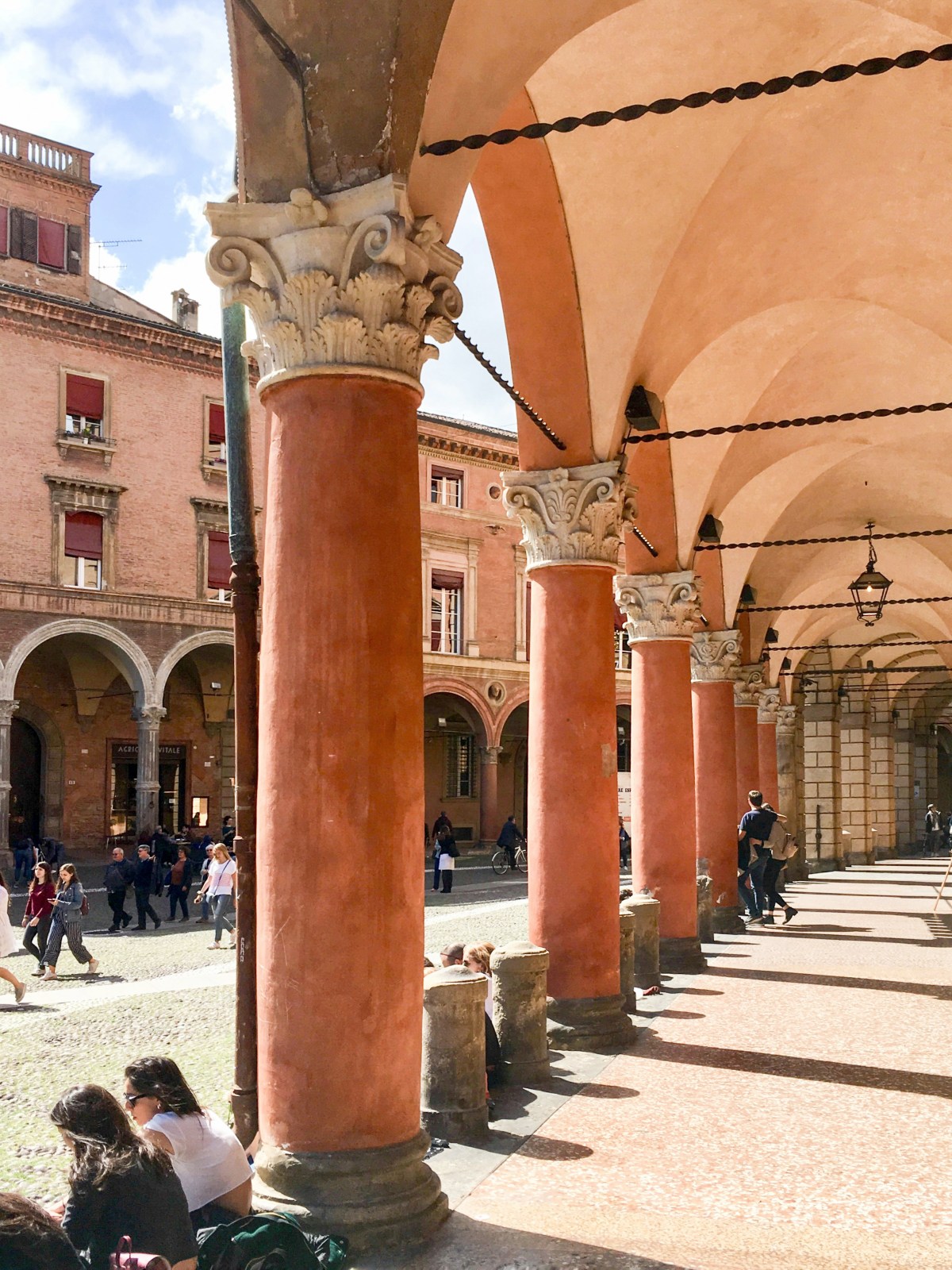
For many visitors, Bologna serves as the ideal base for regional exploration. Known as "La Grassa" (The Fat) for its food, "La Dotta" (The Learned) for its university, and "La Rossa" (The Red) for its terracotta rooftops and historical political leanings, the city offers a manageable urban experience. The city’s UNESCO-listed porticoes—nearly 40 miles of covered walkways—allow residents and visitors to navigate the city center protected from the elements, a feature that has shaped social life in Bologna for centuries.
Central to the city is Piazza Maggiore and the adjacent Piazza del Nettuno, home to the 16th-century Fountain of Neptune. Unlike the plazas in Florence or Rome, these spaces remain the living room of the city, where locals congregate for evening passeggiatas. Urban planners and tourism boards have recently emphasized "active discovery" in Bologna, encouraging bike tours that highlight not only the medieval core but also the city’s thriving street art scene and the hidden canals that once powered the city’s silk mills.
The Gastronomic Pillar: Italy’s Food Valley
Emilia-Romagna is the undisputed gastronomic heart of Italy. The region holds the highest number of DOP (Protected Designation of Origin) and IGP (Protected Geographical Indication) food products in the country. The "Food Valley" is not merely a marketing slogan but a multi-billion euro industry that supports thousands of family-owned farms and production facilities.
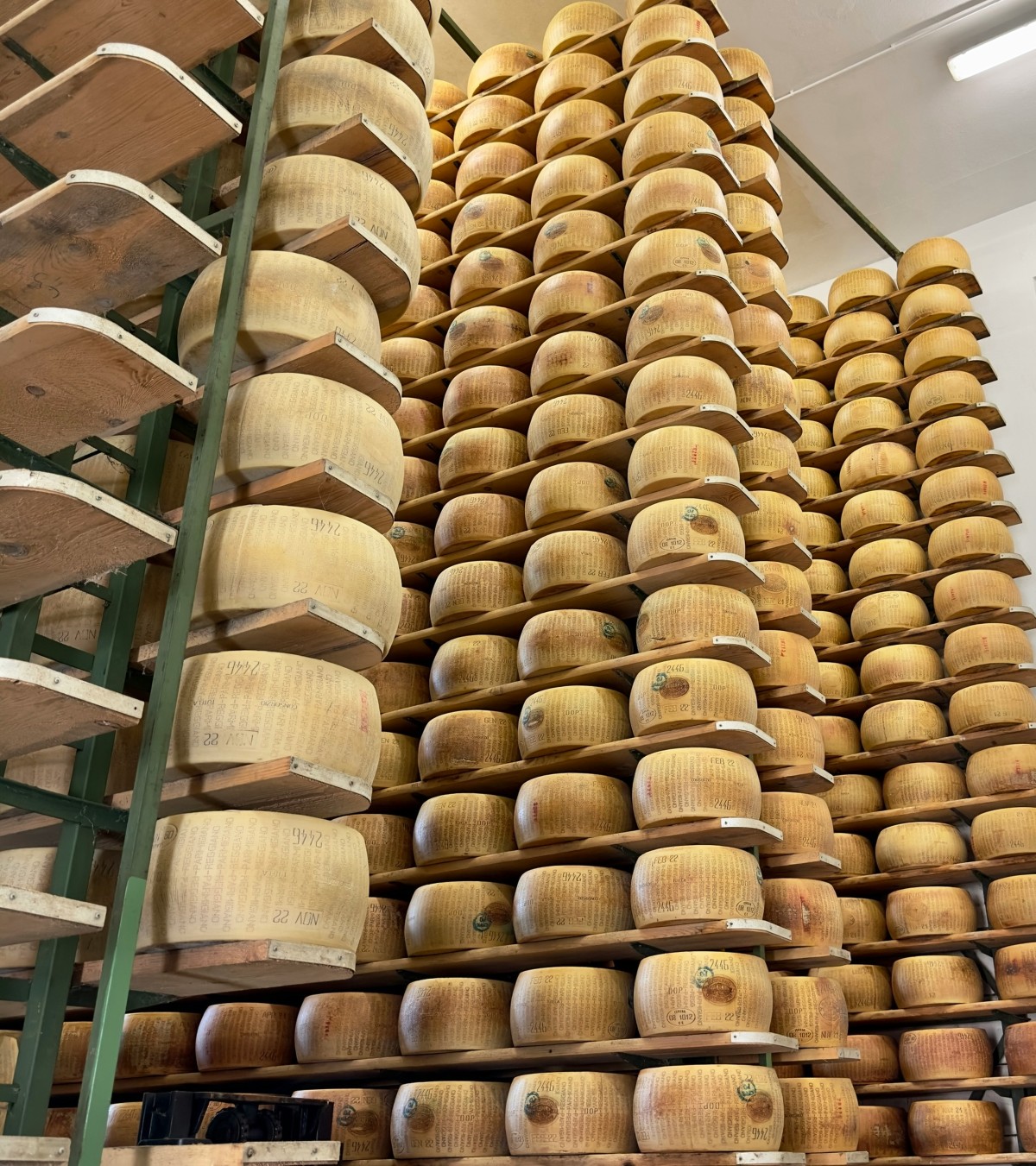
In Parma, the production of Prosciutto di Parma and Parmigiano-Reggiano follows methods that have remained virtually unchanged for centuries. Each wheel of Parmigiano-Reggiano must age for a minimum of 12 months before being inspected by a consortium; only those that pass the rigorous "hammer test" receive the fire-branded seal of authenticity. Similarly, in Modena, Traditional Balsamic Vinegar is aged for a minimum of 12 to 25 years in a series of wooden barrels, resulting in a complex, syrupy elixir far removed from mass-produced commercial vinegars.
The region’s culinary identity is further defined by its handmade pasta. Bologna is the birthplace of tortellini in brodo—tiny, meat-filled pasta navels served in a clear capon broth. Other staples include tagliatelle al ragù (the authentic precursor to the globalized "Spaghetti Bolognese"), lasagne verdi (made with spinach-infused pasta), and piadina, a traditional flatbread from the Romagna side of the region, often filled with soft squacquerone cheese and cured meats. For those seeking the pinnacle of modern Italian dining, Modena is home to Osteria Francescana, led by Chef Massimo Bottura, which has frequently been ranked as the best restaurant in the world.
Ravenna and the Byzantine Legacy
While the western half of the region is defined by food and industry, the eastern city of Ravenna offers a profound historical contrast. As the capital of the Western Roman Empire in the 5th century and later a key outpost of the Byzantine Empire, Ravenna houses eight UNESCO World Heritage sites.
The city’s mosaics, found in the Basilica di San Vitale and the Mausoleum of Galla Placidia, are considered the finest examples of early Christian mosaic art in Europe. These vibrant, gold-flecked tiles have retained their brilliance for over 1,500 years, offering a window into a period where Roman and Eastern influences merged. Beyond the major monuments, Ravenna remains a quiet, sophisticated town where the legacy of Dante Alighieri—who is buried there—continues to influence the local culture.
Motor Valley: The Pursuit of Speed
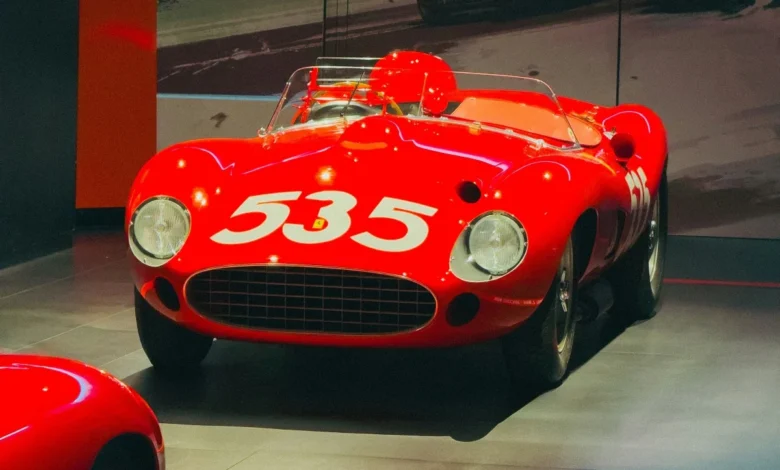
For enthusiasts of engineering and luxury, the area surrounding Modena and Bologna is known as "Motor Valley." This industrial cluster is home to Ferrari, Lamborghini, Maserati, Pagani, and Ducati. The Museo Ferrari in Maranello and the Enzo Ferrari Museum in Modena provide deep dives into the evolution of automotive design and racing history.
Economic data indicates that the Motor Valley attracts hundreds of thousands of visitors annually, contributing significantly to the regional GDP. These institutions have expanded their offerings to include F1 simulators, factory tours, and track experiences. For families, these sites offer a high-octane contrast to the region’s medieval cathedrals and slow-food markets, showcasing the "Emilian" spirit of innovation and precision.
The Adriatic Coast: A Domestic Summer Tradition
To the east, the "Roman Riviera" along the Adriatic Sea has long been the summer playground for Italian families. Rimini, the largest of the coastal towns, is famous for its wide sandy beaches and its connection to filmmaker Federico Fellini. While it was once seen primarily as a destination for budget-conscious domestic tourists, towns like Milano Marittima (MiMa) and Riccione have evolved into chic summer retreats known for high-end shopping, jazz festivals, and trendy beach clubs.
The regional tourism board, APT Servizi Emilia-Romagna, has recently invested in sustainable coastal tourism, promoting the "Ciclovia Adriatica," a bike path that aims to connect the entire coastline. This shift reflects a broader strategy to diversify the region’s appeal beyond traditional sun-and-sand tourism.
Broader Impact and Implications for the Future of Travel
The rise of Emilia-Romagna as a top-tier destination has significant implications for the Italian tourism industry. As "over-tourism" becomes a critical issue for cities like Venice and Florence, Emilia-Romagna offers a viable alternative that redistributes tourist traffic while providing a high-quality experience.
Industry analysts suggest that the region’s success lies in its "unpolished" authenticity. Unlike destinations that have been heavily modified to cater to international tastes, Emilia-Romagna remains a place where the local economy is driven by agriculture, education, and manufacturing first, and tourism second. This ensures that the cultural heritage remains intact.
Furthermore, the region’s investment in infrastructure, particularly the high-speed rail links that connect Bologna to Milan in 60 minutes and Florence in 35 minutes, makes it one of the most accessible regions in Europe. As travelers increasingly seek meaningful connections with the places they visit, Emilia-Romagna’s combination of world-class food, unparalleled history, and a genuine, welcoming atmosphere positions it as a model for sustainable and culturally respectful travel in the 21st century. Whether exploring the silent aisles of a parmigiano warehouse or the roaring factory floor of a supercar manufacturer, visitors to Emilia-Romagna are granted a rare glimpse into the true heart of Italy.