The Evolution of Adult Travel: Embracing the Freedom of Child-Free Itineraries in the Post-Parenting Era


The modern landscape of global tourism is experiencing a significant shift in demographic travel patterns, driven largely by empty nesters, adults-only travel groups, and couples reclaiming their autonomy after decades of family-oriented vacation planning. For years, domestic and international travel decisions were meticulously filtered through the logistical constraints of raising children. Parents routinely optimized their itineraries around fenced hotel pools, stringent naptime schedules, high-speed Wi-Fi requirements for teenagers, and accessible, universally accepted dining options. However, as younger generations depart for college, personal networks coordinate long-awaited weekend reunions, and extended family members step in to provide childcare support, a distinct market segment has emerged: the unencumbered, child-free adult getaway.
This transition marks a departure from traditional family travel protocols, introducing an era where classic vacation rules are rewritten. Industry data from hospitality and tourism boards indicate a substantial rise in off-season bookings, adult-exclusive resort accommodations, and customized, passion-driven itineraries. Rather than adhering to the rigid framework of school calendars and child-friendly amenities, today’s adult travelers are capitalizing on unprecedented scheduling flexibility, luxury accommodations, and experiential tourism that prioritizes personal enrichment over family compromise.
The Paradigm Shift in Scheduling: Capitalizing on the Shoulder Season
Historically, family vacation planning has been bound to the academic calendar, resulting in extreme seasonal surges during spring break, summer recesses, and winter holidays. These peak periods frequently subject travelers to inflated pricing, limited accommodation availability, and congested tourist attractions worldwide.

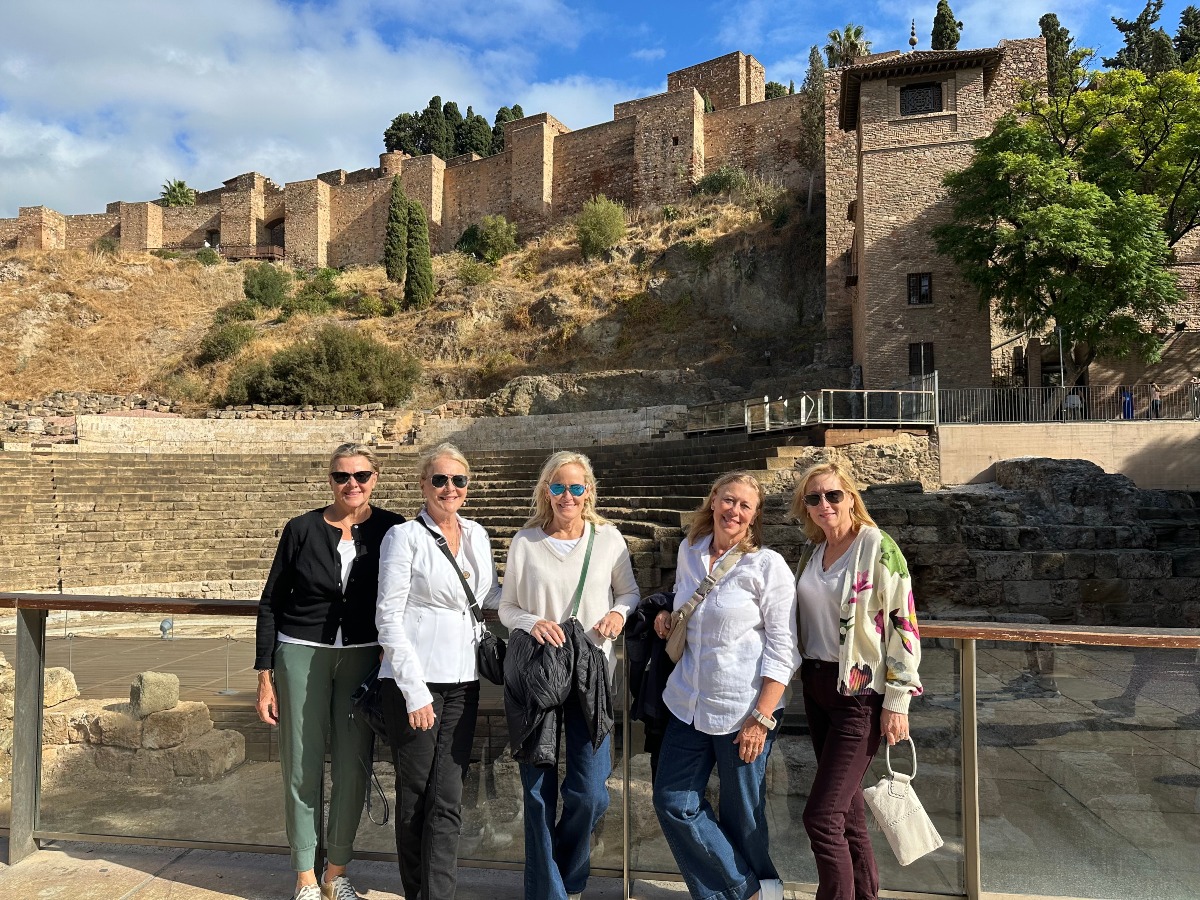
The rise of adult-centric travel has fundamentally altered booking behaviors, directing a larger share of mature travelers toward the shoulder seasons. Industry analysts note that destinations such as Italy in mid-spring, the Greek Isles following the summer rush, and Hawaii in late January are witnessing sustained demographic shifts. Travelers operating without school-age constraints are leveraging a full twelve-month calendar to synchronize schedules among friends or partners, thereby increasing the feasibility of complex international trips. Furthermore, this timing allows visitors to engage with seasonal agricultural and cultural highlights—such as the grape harvests in Provence, the natural firefall phenomenon in Yosemite, or the blooming jacarandas in Buenos Aires—free from the constraints of rigid departure dates.
Redefining Luxury Accommodation: Views Over Utility
Accommodations tailored to families often prioritize square footage, sleeper sofas, multi-room configurations, and child safety features. In contrast, the adult travel sector places a premium on architectural design, geographic isolation, and aesthetic luxury.
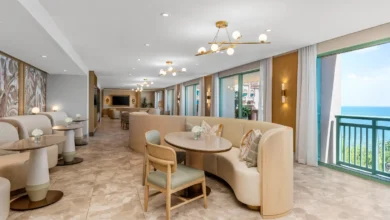
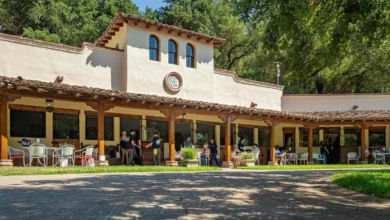
Travel consultants report increased demand for urban high-rise suites featuring expansive alfresco terraces, cliffside boutique hotels accessed via historic stairways, and secluded country inns centered around rustic communal hearths. Additionally, properties enforcing strict age-minimum policies—such as overwater bungalows in French Polynesia and the Maldives—are experiencing robust demand from couples and adult friend groups seeking absolute tranquility. This shift reflects a broader consumer preference for experiential lodging where the room’s physical environment and panoramic vistas serve as primary attractions rather than secondary conveniences.
Culinary Autonomy and the Disbanding of Rigid Dining Hours
The dietary logistics of traveling with children typically necessitate early dining times, familiar menus, and predictable restaurant environments. Child-free travel restores complete culinary autonomy, enabling adults to structure their days around personal appetites rather than youth-oriented schedules.
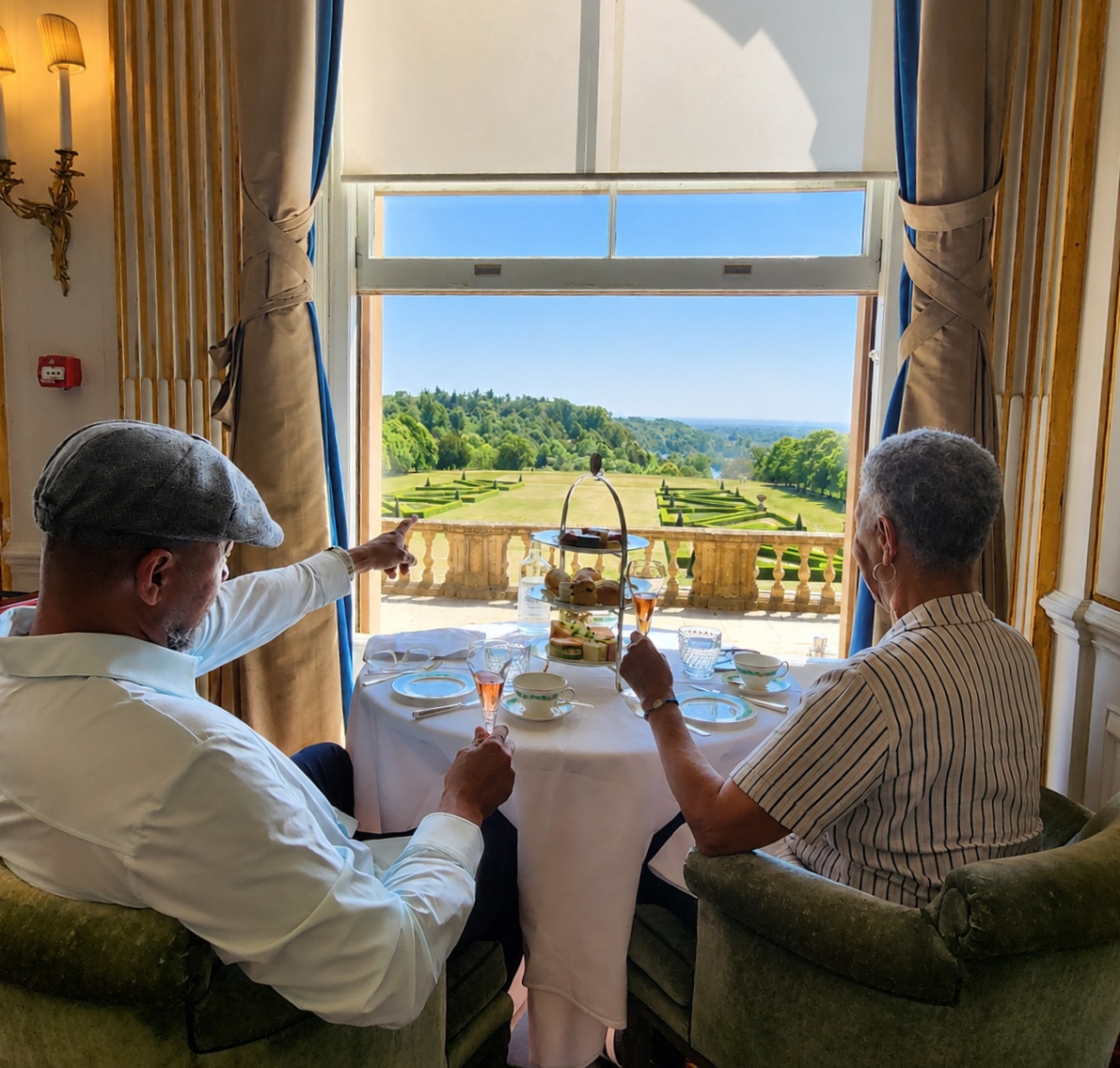
Contemporary dining trends among adult travelers favor extended, leisurely lunches that naturally transition into evening tapas, late-night street food excursions in metropolitan night markets, or exclusive reservations at chefs’ counters. The absence of behavioral pressure allows for sophisticated engagements with gastronomy, including formal afternoon tea services accompanied by sparkling wine or unhurried multi-course tasting menus. Industry observers attribute this trend to a growing desire for sensory and cultural immersion through food, unhindered by the time management required in multi-generational settings.
Chronological Freedom: Sleep Cycles and Temporal Flexibility
The temporal structure of a family vacation is frequently dictated by the circadian rhythms of its youngest members, ranging from pre-dawn toddler wake-up calls to adolescent sleep schedules that extend into the afternoon. Adult-only travel restores individual control over daily time management.
Travelers are increasingly designing itineraries that accommodate diverse internal clocks, whether that involves participating in sunrise hikes by choice rather than necessity, engaging in mid-afternoon siestas, or exploring European historic city squares late into the evening after day-tripping crowds have dispersed. This temporal flexibility minimizes travel fatigue and allows participants to engage with destinations at a pace that matches their personal energy levels.
Deepening Engagement Through Special Interest Tourism
During the primary child-rearing years, vacation itineraries are frequently constructed around educational entertainment, theme parks, and family-friendly museums designed to engage younger minds. Adult travel provides a distinct opportunity to redirect resources toward personal hobbies and lifelong passions.
Tourism boards across Europe and Asia have reported an upswing in specialized bookings, including private viticultural tastings in Burgundy, extended research sessions in medieval manuscript libraries, classical music performances at historic venues like La Scala, and intricate multi-course kaiseki dining experiences in Kyoto. This trend underscores a broader psychological shift: travelers are utilizing vacation time as a medium for self-actualization and the pursuit of niche intellectual or artistic interests that require sustained focus and adult-level pacing.
Reclaiming the Resort Experience
Luxury hotels and resorts have long offered dual-purpose infrastructure, housing both family-oriented water parks and secluded, adults-only sanctuaries. However, parents often remain tethered to supervisory duties, managing logistics such as sunscreen reapplication and equipment retrieval.
For adults traveling without dependents, the resort experience is fully realized. Spa facilities, open-air oceanfront massage pavilions, rooftop cocktail lounges, and thermal spring baths utilized under starlit skies become central components of the itinerary rather than occasional escapes. Hospitality management groups have responded by expanding adult-exclusive zones within sprawling resort properties to cater to this growing demographic segment.
Serendipity and the Open Itinerary
A recurring theme among travel industry professionals is the psychological benefit of unscripted time. While structured itineraries are essential for managing family dynamics and preventing disorganization, they can occasionally stifle spontaneity.

Child-free travel encourages a return to serendipitous exploration, allowing travelers to alter their daily plans in response to local discoveries—such as entering an art gallery on impulse, following the aroma of local bakeries down narrow alleyways, or lingering in a public piazza to listen to community events. By eliminating the necessity for contingency planning and constant entertainment management, adult travelers report a heightened awareness of their physical and cultural surroundings.
Socioeconomic Implications and Broader Industry Impact
The sustained growth of the adult travel market carries significant economic implications for the global tourism sector. Airlines, hospitality groups, and tour operators are increasingly diversifying their marketing strategies to capture this lucrative demographic, which often commands higher disposable incomes and greater scheduling flexibility than the family travel sector.
Economic analysts suggest that the willingness of empty nesters and adult groups to travel during off-peak periods helps stabilize seasonal revenue fluctuations for tourism-dependent economies. By distributing visitor volume more evenly across the calendar year, adult travel mitigates the environmental and infrastructural strain often associated with hyper-concentrated peak-season tourism.
As demographic trends continue to evolve, the distinction between family travel and adult-focused exploration will likely remain a defining characteristic of the modern travel industry. For millions of travelers entering this new life stage, the journey ahead is defined not by the limitations of accommodation and schedule, but by an expansive sense of personal freedom and discovery.