Fly Tot Plus Review: Navigating the Evolution of In-Flight Comfort Solutions for Traveling Families

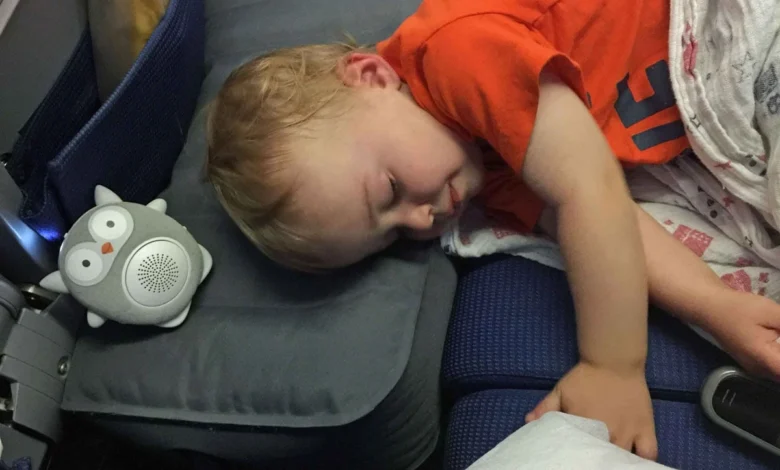
Flying with a toddler remains one of the most significant logistical challenges for modern parents. The combination of restricted physical space, the necessity for prolonged periods of quiet, and the physiological needs of a developing child often result in stressful international travel experiences. For nearly a decade, inflatable seat extenders have emerged as a primary solution to mitigate these pressures, with the Fly Tot brand leading the market. As airline policies and product designs continue to evolve, understanding the nuances of these tools—specifically the transition from the Original Fly Tot to the current Fly Tot Plus—is essential for families planning long-haul travel.

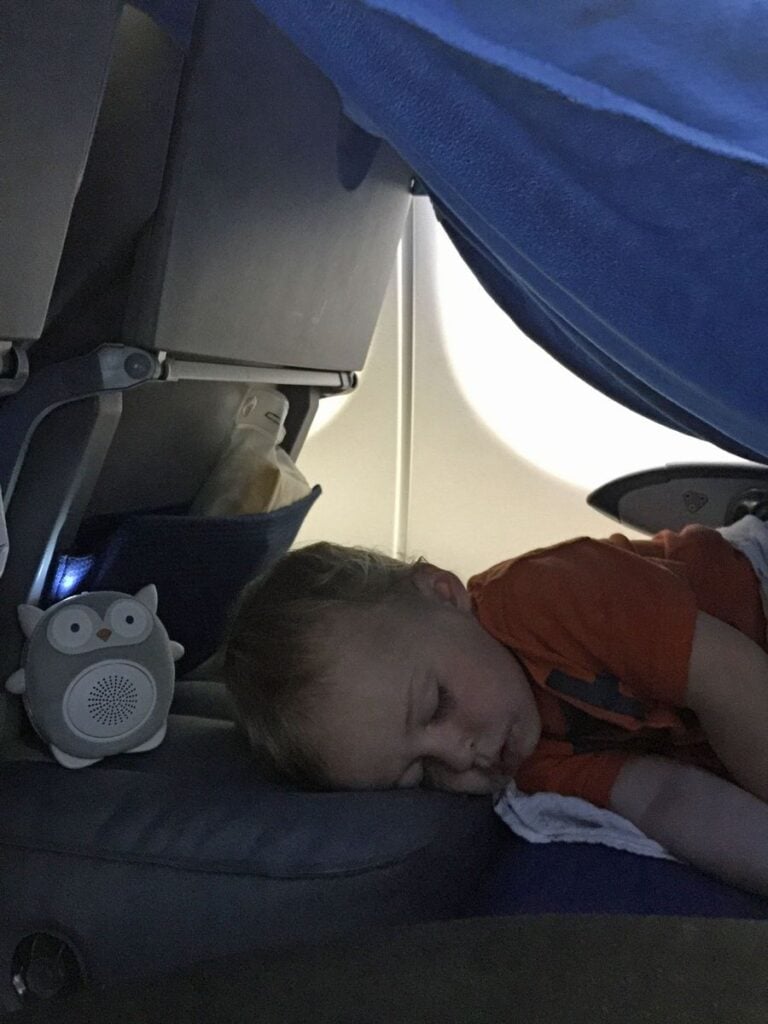
The core function of these devices is to bridge the gap between the passenger seat and the seat in front, effectively creating a flat surface that allows a child to lie down. This shift from a vertical seated position to a horizontal lying position significantly increases the likelihood of restorative sleep during red-eye flights. Data from frequent traveler surveys consistently indicate that a well-rested child is the single most effective factor in ensuring a manageable travel day, both during the flight and upon arrival at the destination.
Historical Context and Product Evolution
When the Original Fly Tot was first introduced, it addressed a glaring gap in the market for infant and toddler air travel. Early adopters were often parents attempting to manage lap-toddlers on 10-hour or longer flights. The initial design focused on stability and ease of inflation, utilizing a manual pump system. Over the years, feedback from global travelers and changes in aircraft cabin configurations necessitated a redesign.

The current iteration, the Fly Tot Plus, incorporates several mechanical and design improvements aimed at increasing user safety and compatibility. One of the most critical updates is the two-width design. By providing a wider side for standard economy legroom and a narrower side for tighter spaces, the manufacturer has addressed the variability in seat pitch and aircraft design found across different airlines. Furthermore, the inclusion of a patented emergency safety release valve marks a significant step forward in product safety; the valve is engineered to automatically deflate the cushion in the event of a sudden change in cabin pressure, ensuring compliance with evolving aviation safety standards.

Technological Upgrades in the Fly Tot Plus
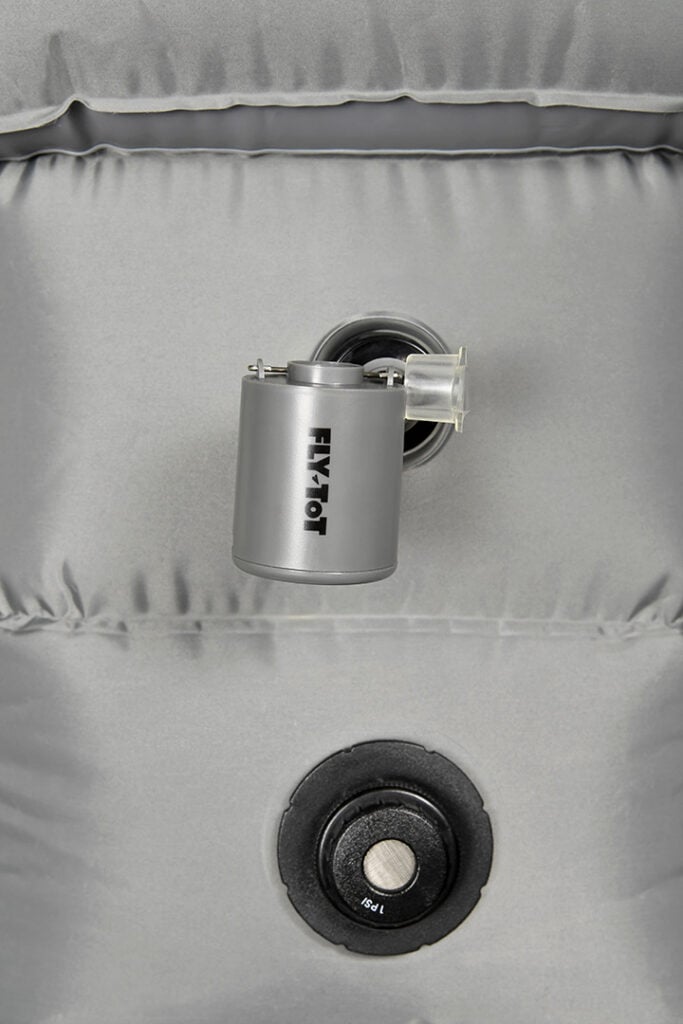
The transition from a manual pumping process to a simplified, electrified one represents the most practical improvement for modern parents. The inclusion of a rechargeable "Tiny Pump"—a palm-sized device capable of inflating the cushion in under 60 seconds—eliminates the bulk associated with traditional manual bellows. This is a substantial reduction in the carry-on baggage footprint, a critical factor for parents already burdened with strollers, diaper bags, and other essentials.

Additionally, the introduction of a tapered design at the base of the unit serves a dual purpose. By ensuring the cushion does not obstruct access to under-seat emergency equipment, such as life vests or in-flight entertainment electronics, the device is more likely to be viewed favorably by cabin crew. The implementation of a single-valve system for both inflation and deflation has also reduced the setup time, allowing parents to deploy the bed quickly once the seatbelt sign is extinguished.
Regulatory Landscape and Airline Compliance
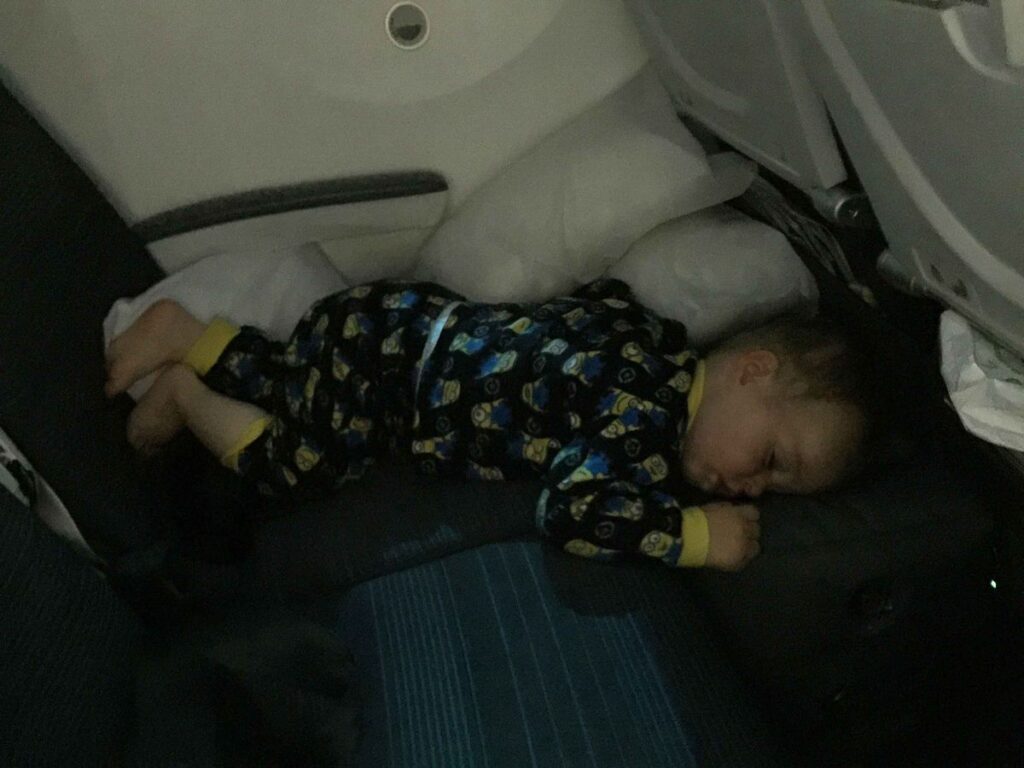
A persistent challenge for families utilizing seat extenders is the lack of a universal aviation policy. Airline regulations regarding inflatable devices vary significantly. While some carriers permit the use of such cushions, others strictly prohibit them, citing potential interference with emergency egress or the restriction of movement for neighboring passengers.

Industry experts and regulatory bodies, such as the International Air Transport Association (IATA), emphasize that the final decision regarding the use of any seat-integrated product rests exclusively with the cabin crew on duty. Consequently, travelers are advised to verify current airline policies before purchase. A common industry standard, as supported by diagrams provided by major carriers like Singapore Airlines, dictates that these devices should only be deployed in window seats or middle seats in a center block. They must never be placed in a position that blocks a fellow passenger’s access to the aisle. This restriction is fundamentally a safety measure, ensuring that in the event of an emergency evacuation, paths to the exits remain clear.
Analytical Overview: Is the Investment Justified?
For the average family, the purchase of a specialized in-flight bed represents a notable financial investment. Analysis of travel trends suggests that the utility of these products is highest for families undertaking multiple long-haul or overnight flights within the 2-to-8-year age window of the child.

The primary benefit—increased rest for the child—has a ripple effect on the entire family unit. When a child is provided with a horizontal sleeping surface, parents are often relieved of the physical burden of holding the child, allowing for a degree of autonomy and rest that is otherwise impossible in standard economy seating. However, for short-duration daytime flights, the logistical effort of inflating, installing, and deflating the device may outweigh the benefits.

Furthermore, the age-appropriate guidelines provided by the manufacturer are not merely suggestions; they are safety parameters. The Fly Tot Plus is specifically designed for children aged 2 to 8. Using such devices for infants under 2, who are typically classified as "lap infants" by airlines, presents complications regarding seat belt usage and safety restraints. Parents must ensure that the child remains appropriately buckled according to the specific regulations of their flight, which may necessitate waking the child during periods of turbulence.

Best Practices for In-Flight Deployment
To ensure a seamless experience with seat extenders, experienced travelers and aviation consultants recommend a systematic approach to deployment:

- Pre-Flight Verification: Consult the specific airline’s website for "inflatable seat extension" or "child sleep aid" policies. If the information is ambiguous, direct communication with the airline’s customer service department is recommended.
- Simulation: Familiarize yourself with the inflation and deflation valves at home. Practicing the setup ensures that you can execute it efficiently without disrupting surrounding passengers.
- Timing: Never attempt to inflate the device during boarding, taxi, or takeoff. Wait until the aircraft has reached cruising altitude and the initial meal service has been cleared. This is the period when the cabin is typically quietest and the likelihood of crew intervention is lowest.
- Pressure Management: Over-inflation is a common mistake. The cushion should be firm enough to support the child’s weight but should still possess a slight, comfortable "give" when pressed by hand. Excessive pressure can put unnecessary strain on the product seams.
- Diplomacy: If a flight attendant requests that the device be stowed, compliance should be immediate and polite. Building a rapport with the cabin crew is often the most effective way to ensure a smooth flight, and being a cooperative passenger is paramount when traveling with children.
Broader Impact and Industry Trends
The proliferation of products like the Fly Tot reflects a broader trend in the aviation industry: the personalization of the economy-class experience. As airlines continue to densify cabin configurations, passengers are increasingly looking for modular solutions to enhance comfort. While these devices have been met with varying degrees of acceptance by airlines, they have undeniably changed the landscape of family travel.

The future of these products will likely be dictated by the intersection of safety research and consumer demand. As manufacturers continue to introduce features like automated pressure release valves and more compact designs, airlines may find it easier to establish standardized policies that accommodate these tools while maintaining high safety margins. For now, the onus remains on the traveler to conduct thorough research, adhere to safety guidelines, and remain flexible in the face of varying cabin crew interpretations of safety policy.

In conclusion, the Fly Tot Plus serves as a specialized tool that, when used correctly and in compliance with airline regulations, can transform the experience of long-distance air travel for families. By balancing the need for physical comfort with the strict requirements of cabin safety, parents can leverage these technologies to ensure their children arrive at their destinations well-rested, thereby significantly reducing the stress inherent in international air travel.