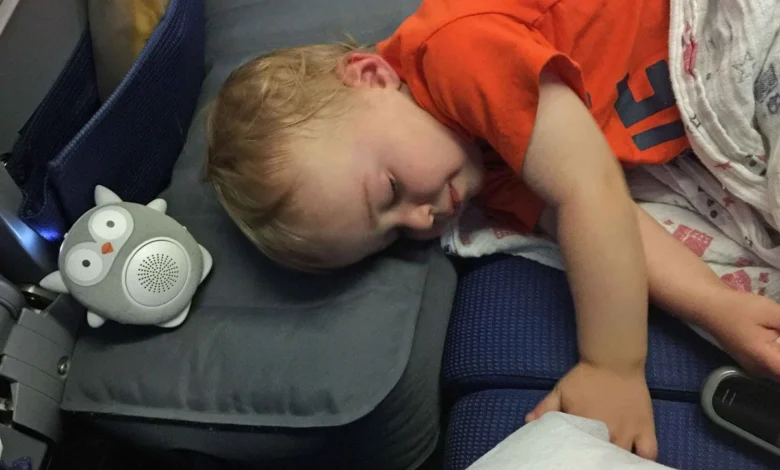
Flying with a toddler on long-haul international flights presents a significant logistical challenge for modern parents. The necessity of maintaining a sedentary position for several hours often conflicts with the developmental needs of young children, frequently resulting in sleep deprivation for the child and added stress for guardians and fellow passengers. To address this, the market for inflatable airplane cushions—often referred to as "airplane beds"—has expanded significantly, with the Fly Tot emerging as a prominent tool in the aviation-travel gear sector.

The concept behind these devices is straightforward: an inflatable, custom-fitted cushion is placed in the footwell between the child’s seat and the seat in front. This configuration effectively extends the flat surface area of an economy seat, allowing a child to lie horizontally. While the original iteration of the product was designed for a broad range of ages, the current version, the Fly Tot Plus, has been optimized for children between the ages of 2 and 8, reflecting updated safety standards and user feedback.
Chronology of Development and Design Evolution

The evolution of the Fly Tot reflects broader trends in family travel technology. When the product was first introduced, manual inflation was the standard, often requiring significant time and effort in the cramped confines of an economy cabin. The Original Fly Tot served as a proof-of-concept, demonstrating that even a modest increase in surface area could drastically improve sleep outcomes for toddlers on red-eye flights.
Following years of field testing by families, the manufacturer introduced the Fly Tot Plus. This model incorporated several engineering refinements:
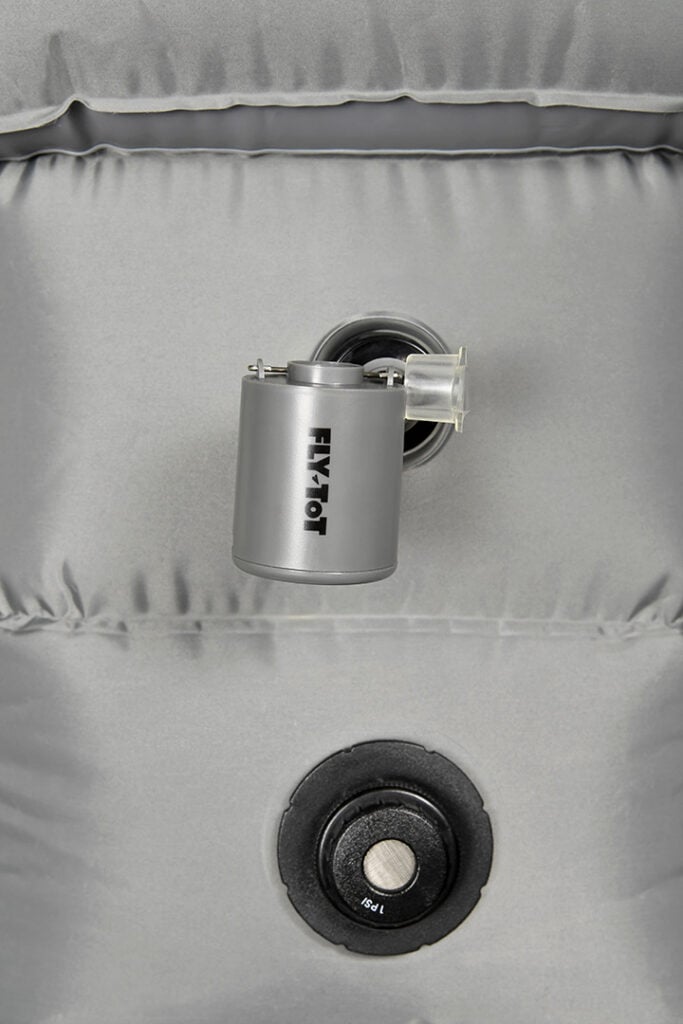
- A patented two-width design to accommodate varying seat pitch and width configurations across different airline manufacturers.
- An automatic emergency safety release valve, a critical addition designed to address concerns regarding rapid cabin pressure changes.
- A simplified, single-valve system that facilitates more efficient inflation and deflation.
- The inclusion of a rechargeable, palm-sized electric pump, which replaces the cumbersome manual pumps of the past and reduces set-up time to under one minute.
These modifications suggest a move toward professionalizing child travel gear, prioritizing both user experience and integration into the existing constraints of the airline environment.
Supporting Data and Usage Scenarios

For families navigating international travel, the primary motivation for utilizing an inflatable cushion is the potential for increased sleep duration. Research into pediatric travel suggests that establishing a familiar sleeping environment—even in a high-stimulus setting like an aircraft cabin—can lead to higher quality rest. Anecdotal reports from frequent travelers indicate that when children are able to recline fully, the likelihood of prolonged, uninterrupted sleep increases significantly, which in turn reduces the likelihood of behavioral outbursts during the flight and improves the child’s adjustment to time zone changes upon arrival.
However, the efficacy of these devices is heavily contingent upon the specific seating arrangement. The device is most effective in window seats or middle seats within a center bank, where the cushion does not impede the movement of other passengers. Blocking an aisle is a violation of standard aviation safety protocols, which prioritize rapid egress in the event of an emergency.

Regulatory Landscape and Airline Policies
The integration of inflatable airplane beds into commercial travel is not universally standardized. Airlines currently maintain disparate policies regarding the use of "comfort devices" or seat extenders. While some carriers permit the use of such cushions, others strictly prohibit them, citing safety regulations regarding seat occupancy and obstruction of the floor area.

According to industry analysts, the lack of a global, harmonized policy creates a fragmented experience for consumers. Passengers are advised to verify the specific policy of their airline carrier prior to booking or purchasing such equipment. Even when a policy appears permissive, the final authority remains with the onboard flight crew. If a flight attendant determines that the device poses a safety hazard or interferes with the duties of the crew, they maintain the right to mandate its removal.
Implications for Family Travel Strategy
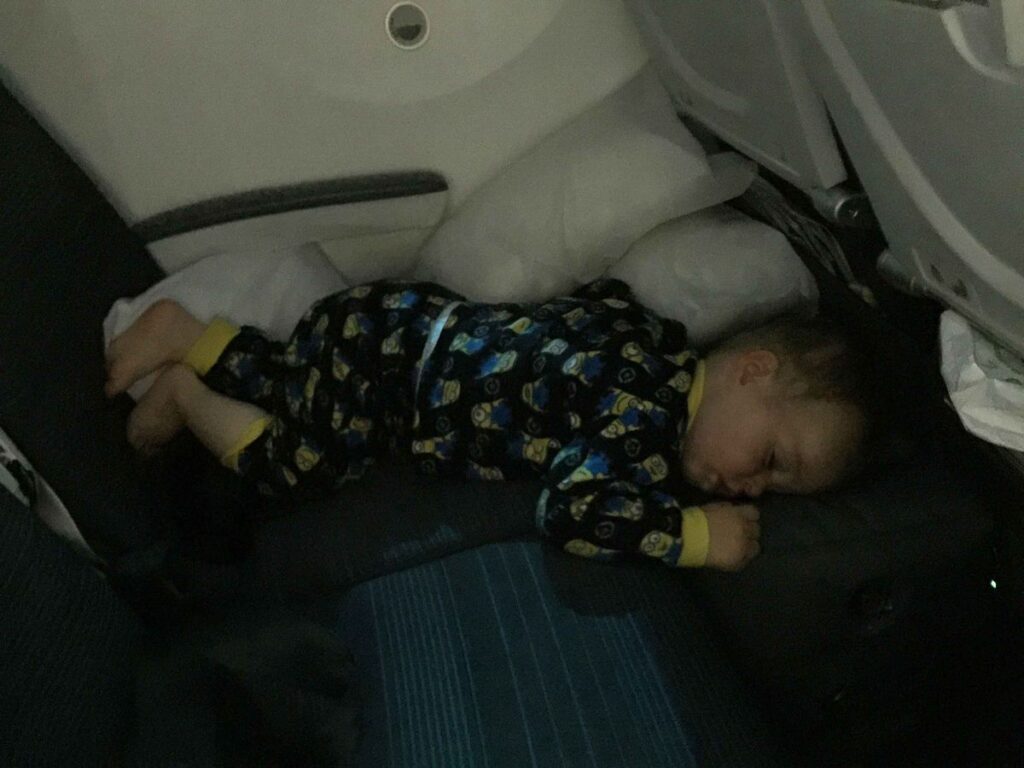
The adoption of an inflatable travel bed represents a strategic investment in the "travel day" experience. For families planning multiple long-haul journeys, the cost-benefit analysis often favors the acquisition of such a device, as the cumulative impact of improved rest can significantly alter the start of a vacation. Conversely, for families taking infrequent, short-duration flights, the utility may not justify the added weight and storage requirements of the device within standard carry-on baggage allowances.
Beyond the physical benefits of a flatter sleeping surface, there are psychological benefits for the parents. The ability for a child to self-regulate in their own space allows guardians to manage their own rest or attend to tasks, rather than acting as a constant, physical restraint for an over-tired toddler.

Expert Recommendations for Implementation
To maximize the success of using an inflatable cushion, travel experts and experienced parents suggest a structured approach:
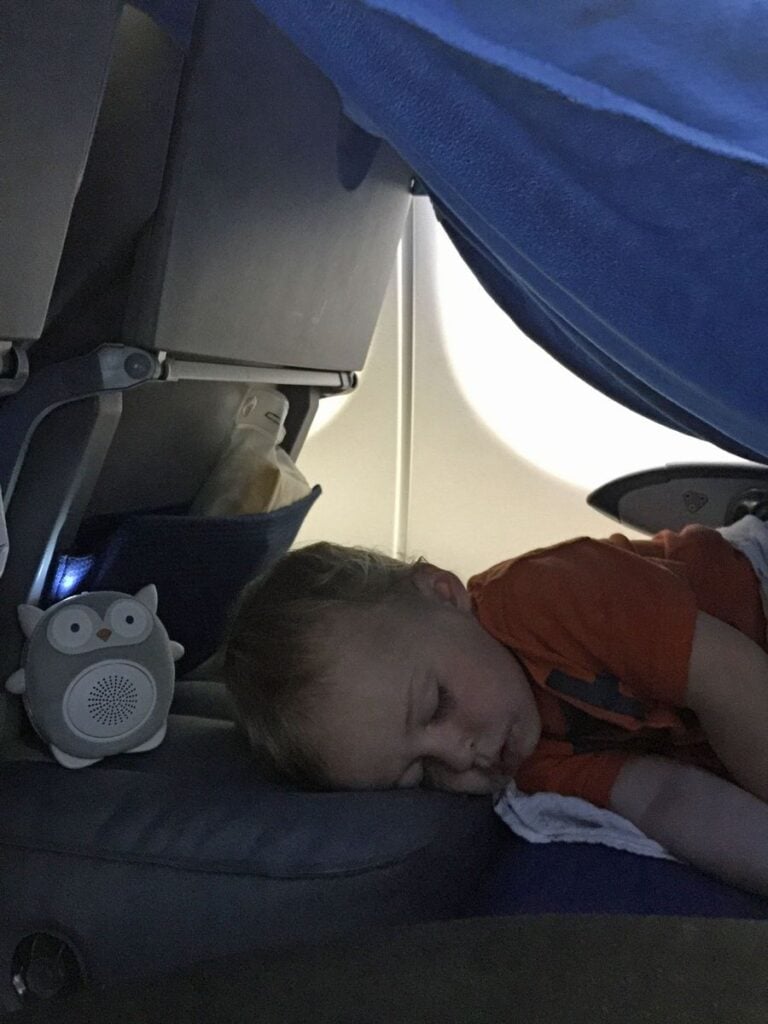
- Verification: Contact the airline well in advance of the departure date to confirm the status of seat-extender policies. Do not rely on forum discussions, as airline policies are subject to frequent updates.
- Familiarization: Practice the inflation and deflation process at home. Understanding the nuances of the pump and the valve system before arriving at the airport ensures that the setup can be completed quickly once the aircraft reaches cruising altitude.
- Timing: Avoid deploying the device during taxi, takeoff, or landing. These phases of flight require all loose items to be stowed and seats to be in the upright position. Wait until the cabin crew has completed the initial beverage or meal service.
- Compliance: Always adhere to seat belt regulations. The inflatable cushion does not replace the necessity of the standard seat belt, which should remain fastened around the child at all times, even while sleeping.
- Cooperation: Maintain a collaborative relationship with the cabin crew. If a crew member requests that the device be stowed, immediate compliance is expected. Professional and polite communication often facilitates a better experience for all passengers involved.
Future Outlook of In-Flight Comfort
The demand for improved in-flight comfort for children has prompted a variety of market solutions, ranging from sophisticated inflatable platforms to basic leg-rest cushions. As manufacturers continue to refine these products—integrating better materials, lighter pumps, and more versatile shapes—it is likely that airline policies will continue to evolve to address these products explicitly.

For the modern family, the Fly Tot and its competitors represent an attempt to bridge the gap between the rigid, standardized infrastructure of commercial aviation and the fluid, unpredictable nature of traveling with young children. While no product can guarantee a peaceful flight, the shift toward ergonomic, child-specific travel accessories marks a significant improvement in the ability of families to navigate the complexities of global travel.
Ultimately, the choice to use an inflatable airplane bed should be viewed as one component of a broader strategy. Parents must weigh the potential for increased comfort against the requirement for airline compliance and the logistical reality of managing additional gear. When utilized correctly and within the guidelines set by individual airlines, these devices serve as a viable, practical, and highly effective means of enhancing the travel experience for children and parents alike.