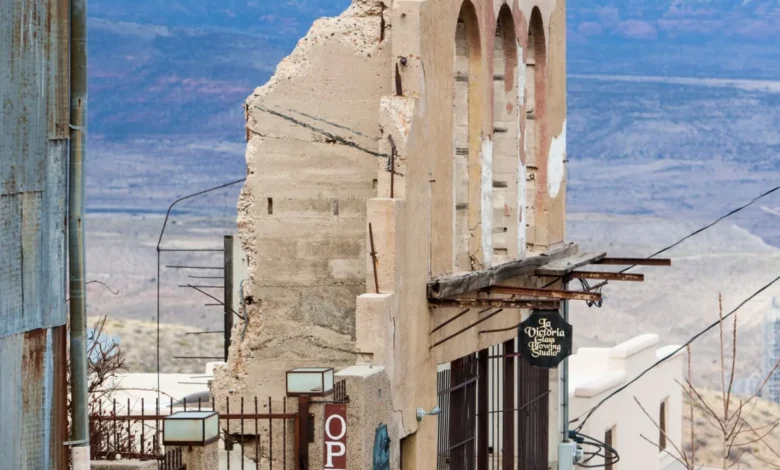
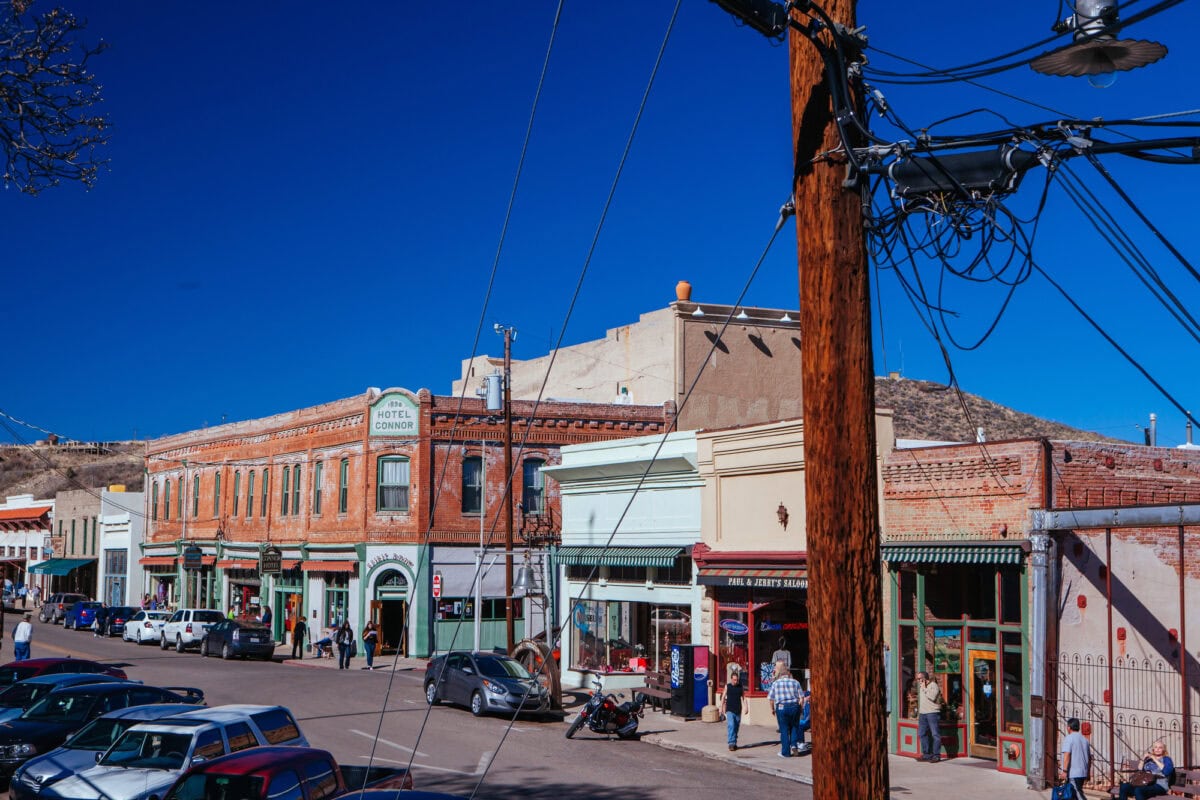
Perched precariously on the steep slopes of Cleopatra Hill in north-central Arizona, the town of Jerome stands as a testament to the boom-and-bust cycles that defined the American West. Once a powerhouse of copper production, the municipality has undergone a profound metamorphosis, shifting from a lawless mining camp to a vibrant National Historic Landmark District. Today, Jerome is widely recognized as the largest ghost town in the United States, offering a unique window into the industrial history and social evolution of the Arizona territory.
A Chronology of Boom, Bust, and Rebirth
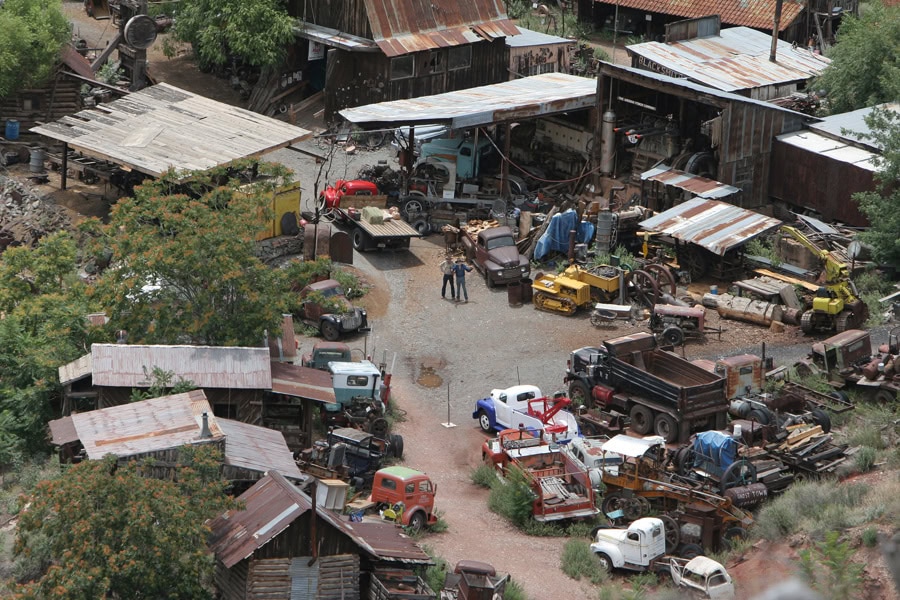
The story of Jerome began in 1876 when copper deposits were first identified in the area. However, it was not until the formation of the United Verde Copper Company in 1883 that the town began its rapid ascent. By the turn of the 20th century, Jerome was a global leader in copper extraction, with its mines yielding staggering amounts of ore. At its peak in the 1920s, the town’s population surged to nearly 15,000 residents, supported by a dense infrastructure of saloons, mercantile stores, and housing.
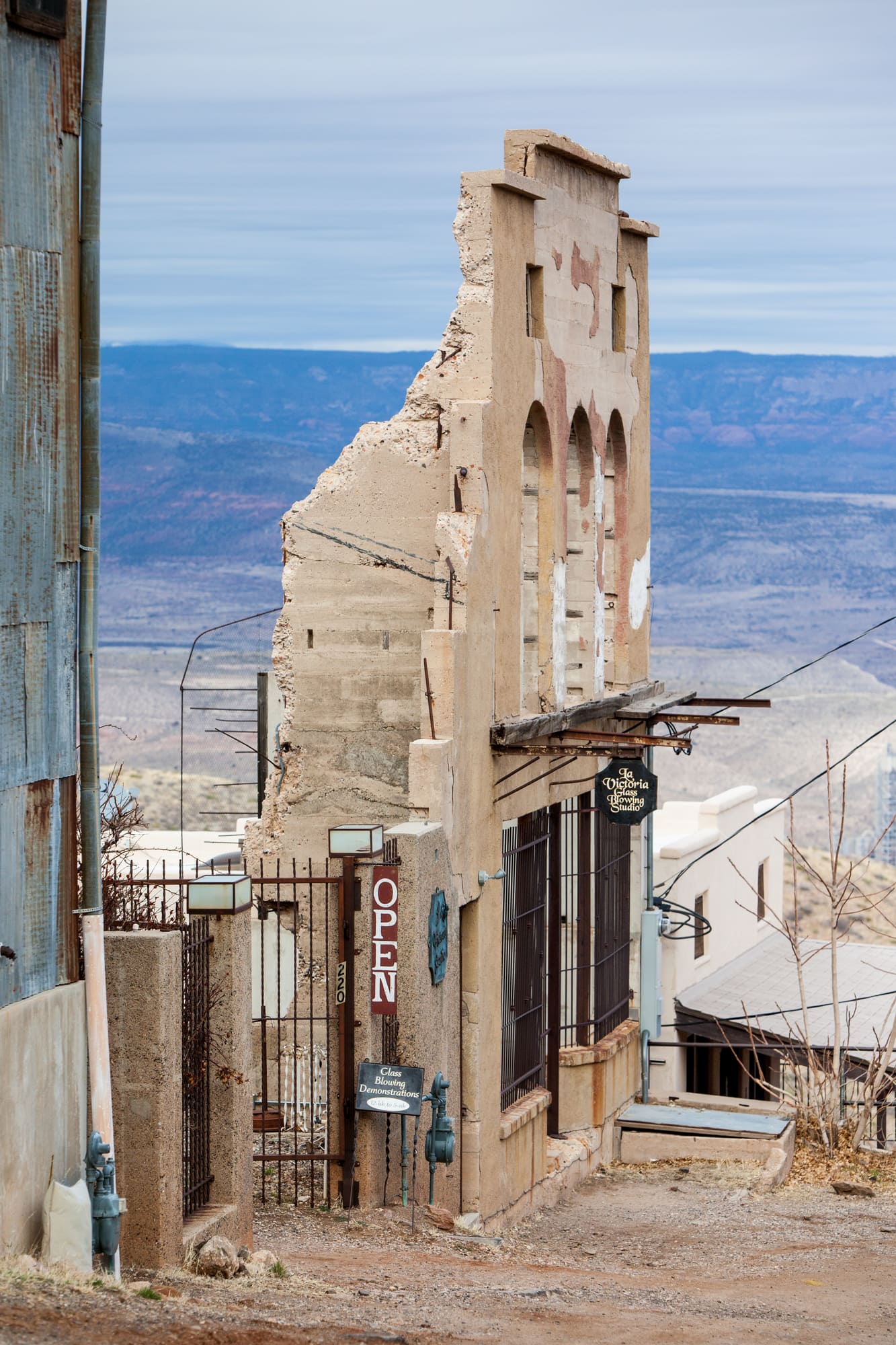
The economic foundation of the town was volatile, heavily dependent on global copper prices and the physical integrity of the mines. Following the depletion of accessible ore and the onset of the Great Depression, the mines began to scale back operations. The final blow to the industrial era occurred in 1953 when the Phelps Dodge Corporation, which had acquired the operations, officially ceased all mining activity in the area.
Within a few years, the population plummeted to fewer than 100 people. For the next decade, Jerome teetered on the edge of total abandonment. However, the town’s preservation began in the 1960s as a new wave of residents—largely artists, artisans, and retirees—discovered the affordability of the abandoned hillside properties. In 1967, the federal government officially designated Jerome as a National Historic Landmark District, a move that codified the town’s preservation and catalyzed its secondary life as a cultural and tourism destination.
Geologic and Structural Challenges
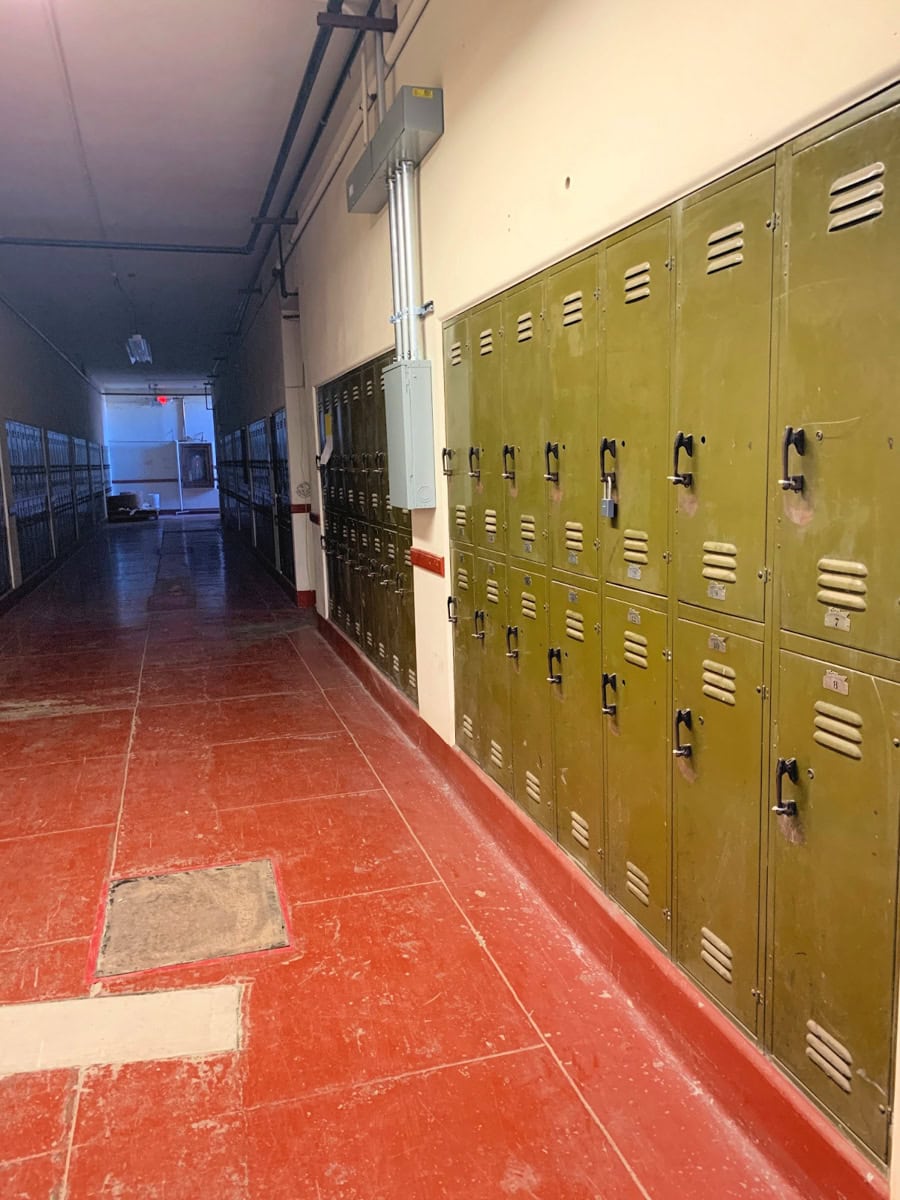
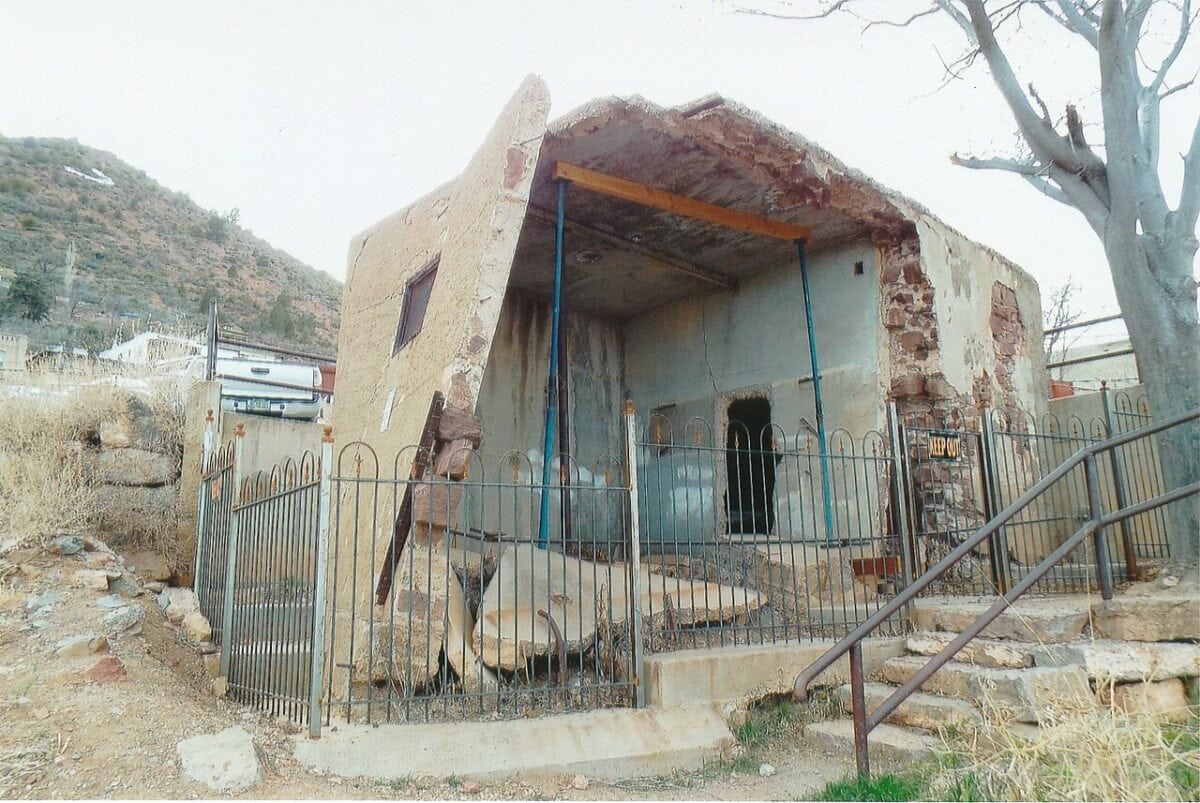
Jerome’s location on the Verde Fault makes it one of the most geologically unstable municipalities in the region. The town is literally built over a honeycomb of abandoned mine shafts, which have contributed to significant land subsidence over the decades. The most famous example of this phenomenon is the "Sliding Jail." In 1938, a massive dynamite blast in a nearby mine triggered a landslide, causing the concrete jail structure to shift roughly 225 feet from its original foundation. Today, the structure remains a primary tourist attraction, serving as a visceral reminder of the precarious relationship between the town’s infrastructure and its industrial past.
Economic Transition and Tourism Infrastructure
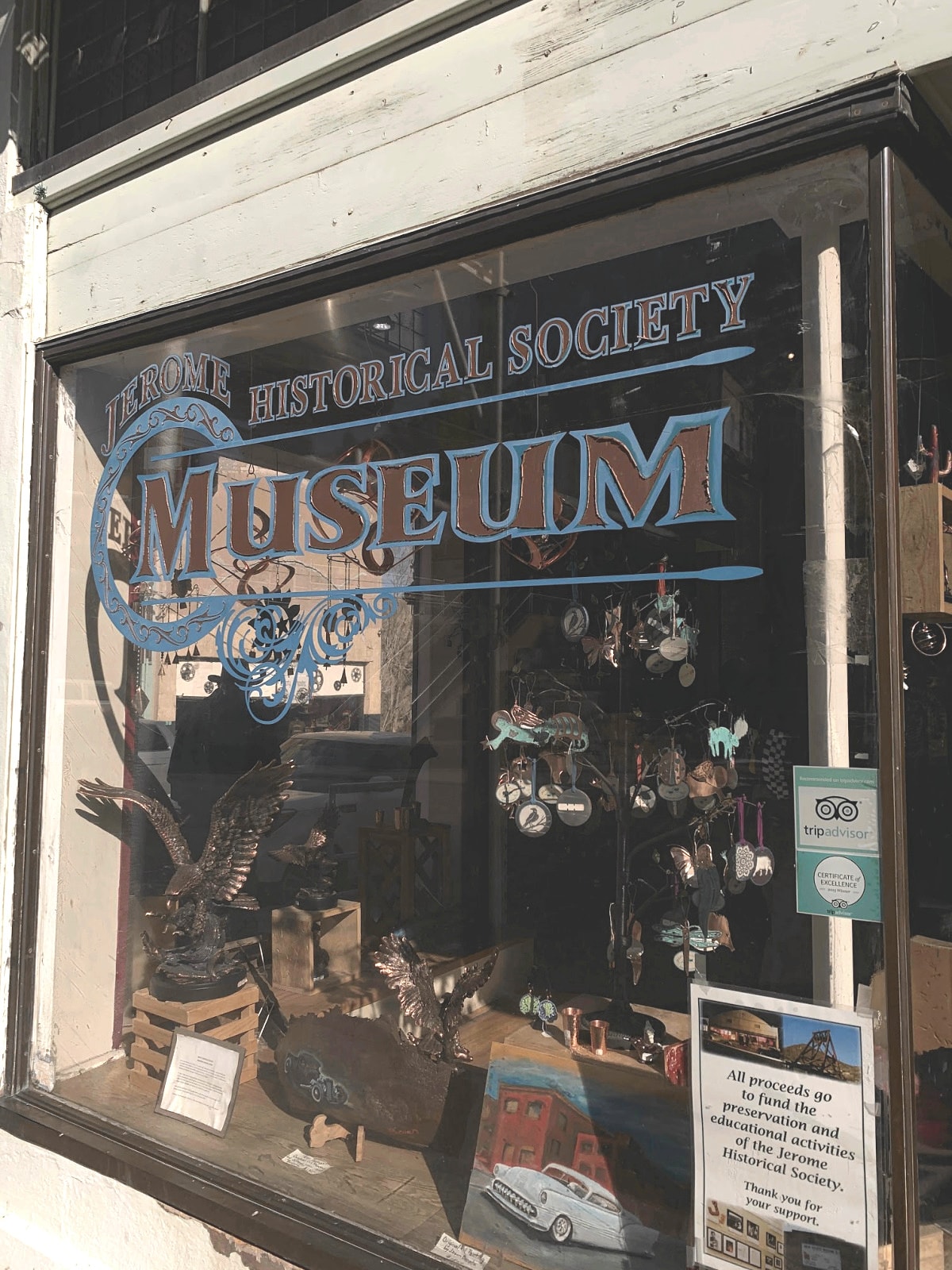
The transition from an extraction-based economy to one fueled by heritage tourism has been central to Jerome’s survival. The town now hosts approximately 500 year-round residents and serves as a significant stop on the northern Arizona tourism circuit. Economic impact studies suggest that the town’s shift toward art galleries, specialty retail, and historic hospitality has allowed for a sustainable, albeit seasonal, income flow.
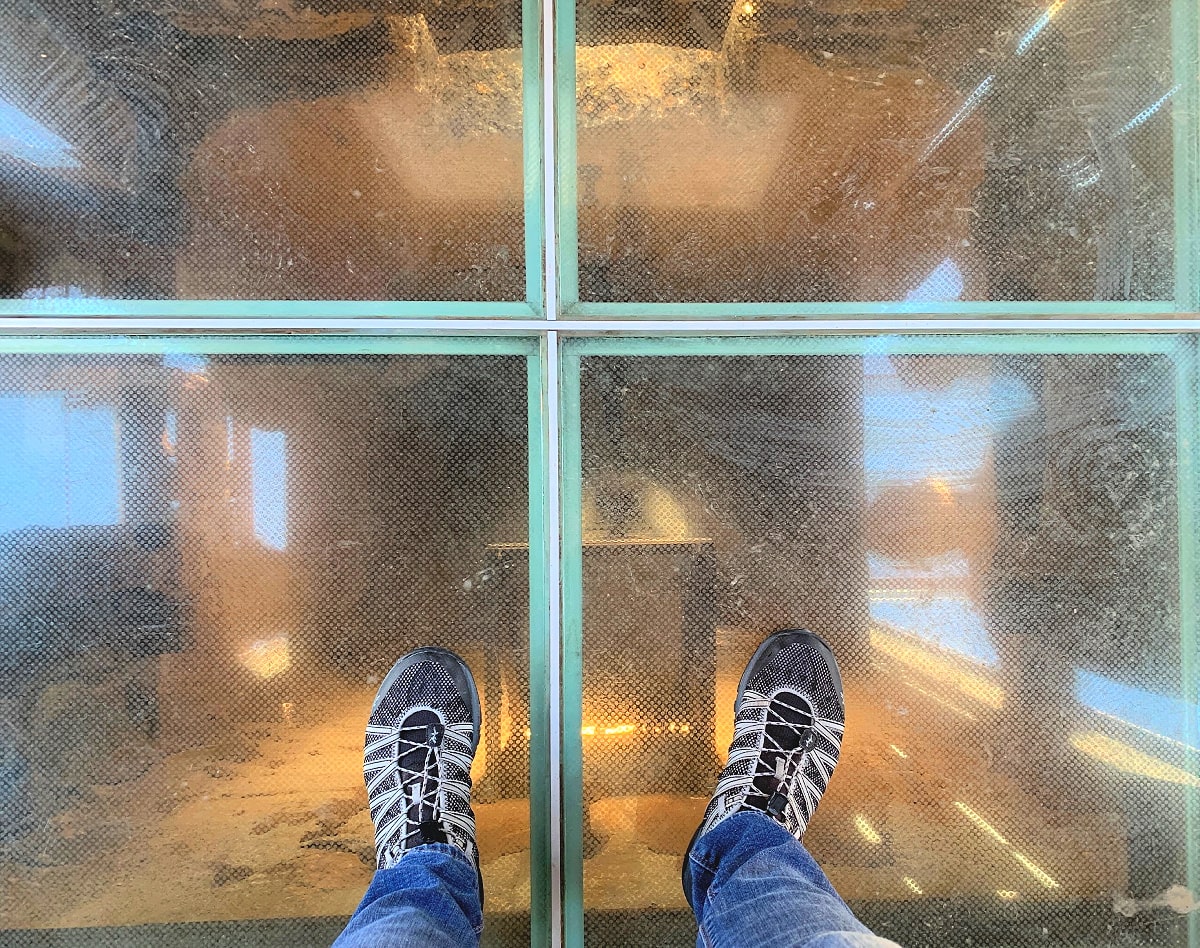
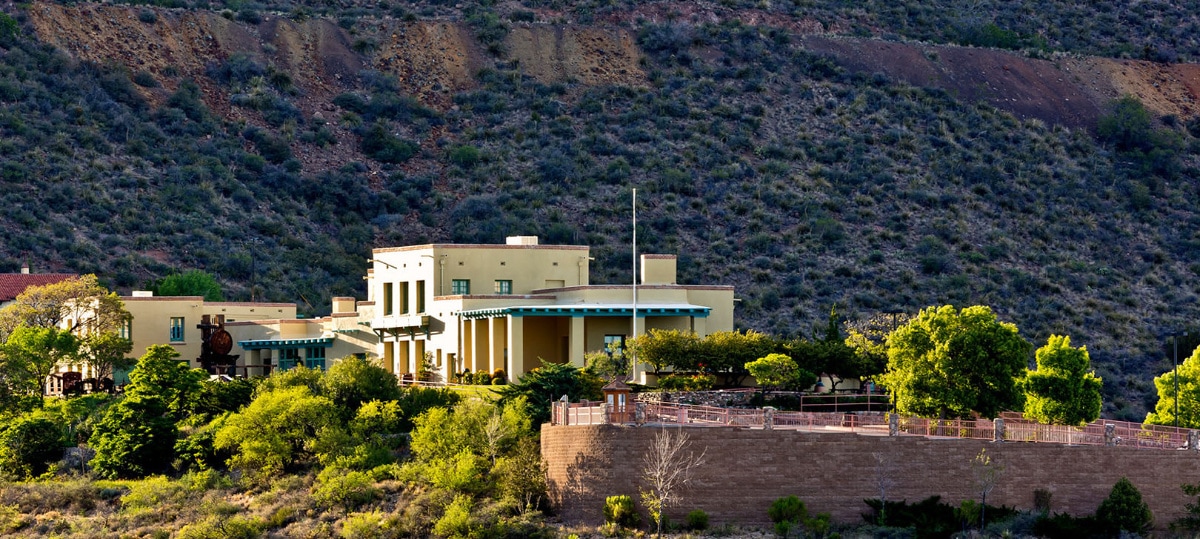
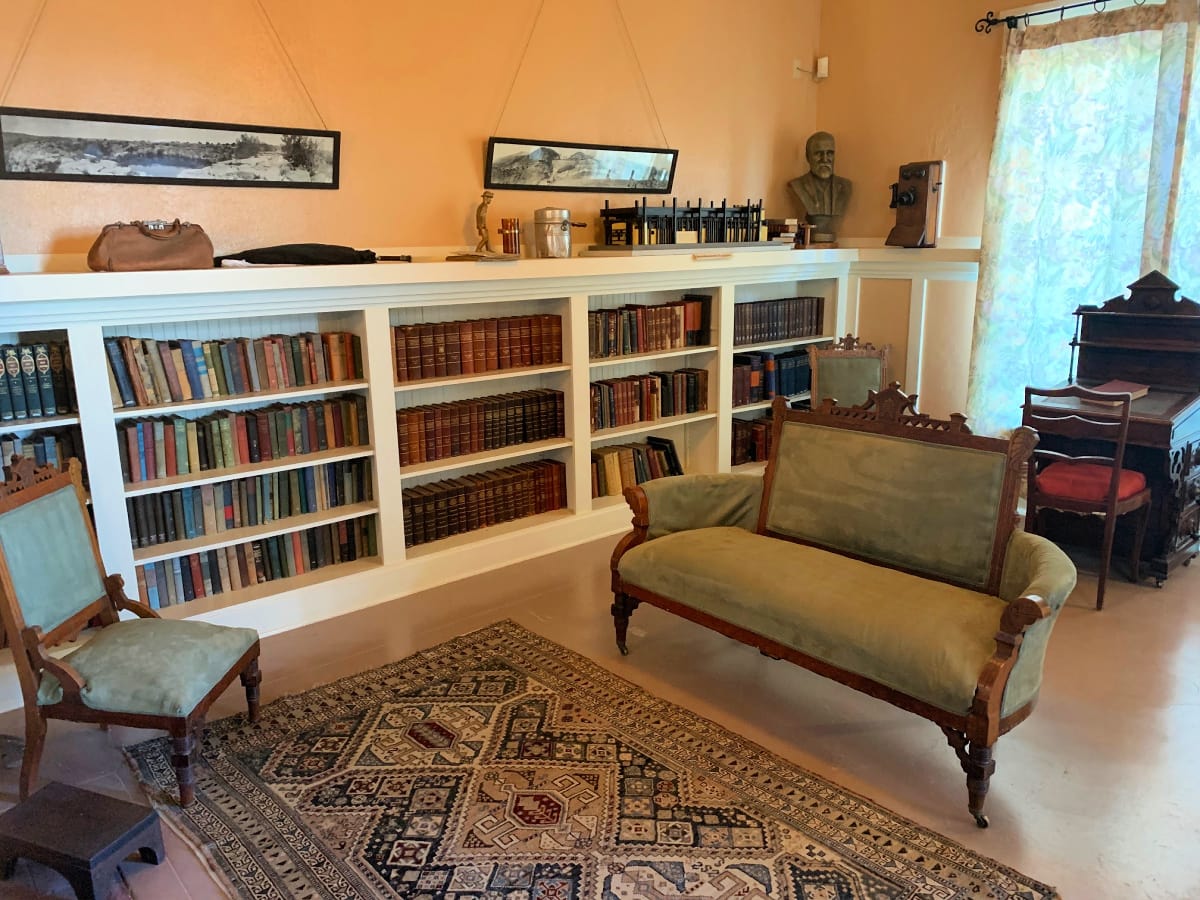
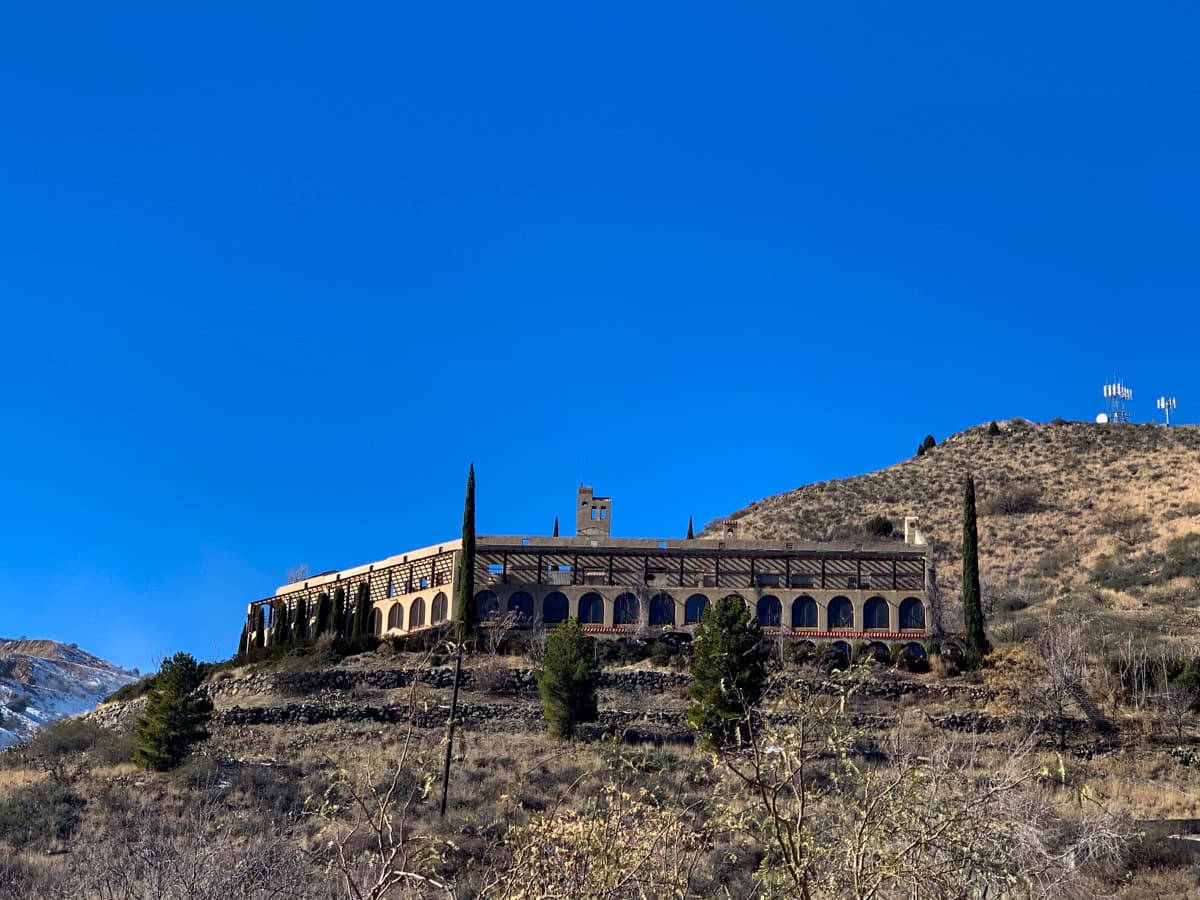
Notable historic sites such as the Douglas Mansion, which now serves as the Jerome State Historic Park, provide a structured narrative for visitors. Built in 1916 by James S. Douglas, the mansion was designed to serve as both a residence and a facility for managing the United Verde Extension mine. The preservation of this site allows researchers and the public to examine the architectural styles of the era and the specific living conditions of the mine owners versus the labor force.
The Modern Hospitality and Cultural Landscape
The hospitality sector in Jerome has had to adapt to the constraints of century-old architecture. Hotels like the Jerome Grand Hotel, which formerly operated as the United Verde Hospital, have leaned into their history to attract guests. Built in 1927, the hospital was once the most technologically advanced facility in the region. Its conversion into a hotel highlights a broader trend in historic preservation: adaptive reuse. Similarly, The Clinkscale Hotel, housed in an 1899 mercantile building, demonstrates the integration of modern amenities within the shell of industrial-era construction.
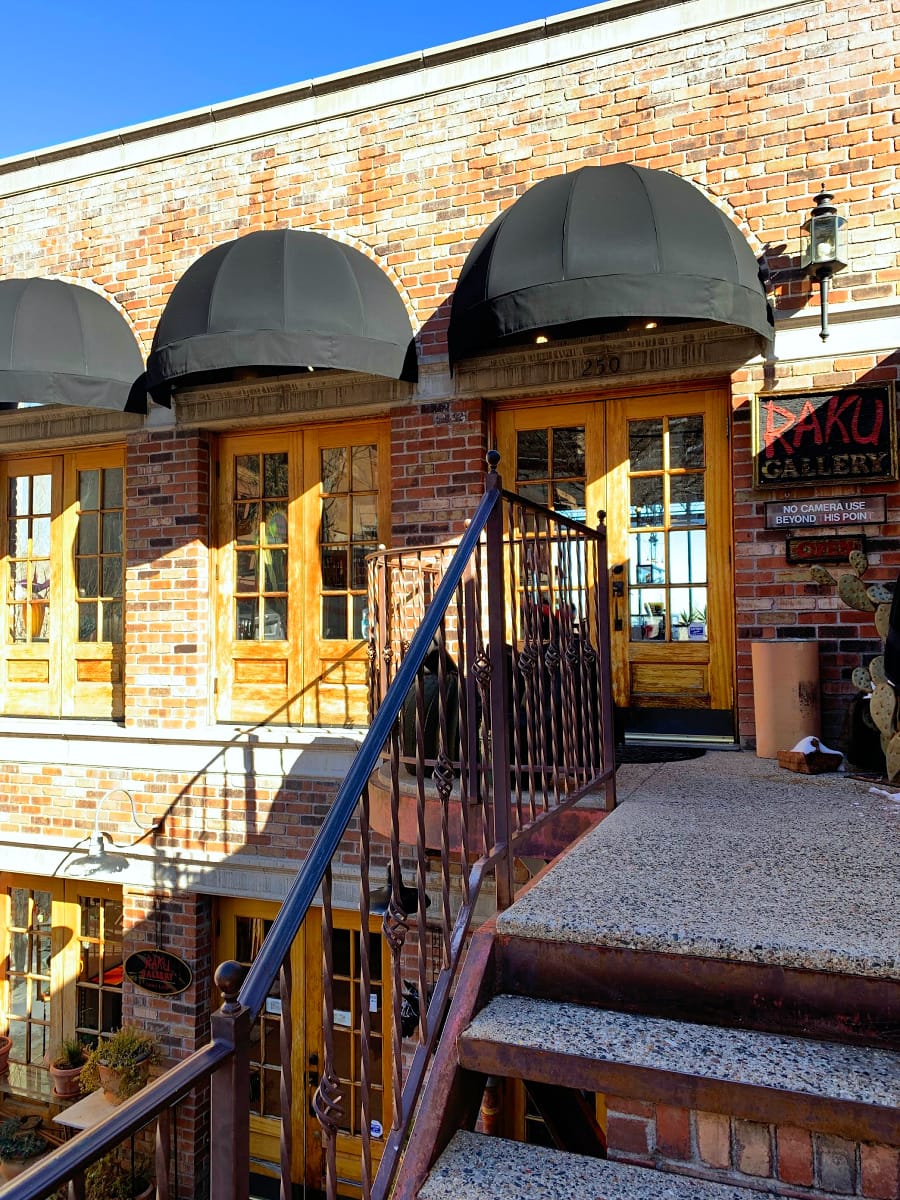
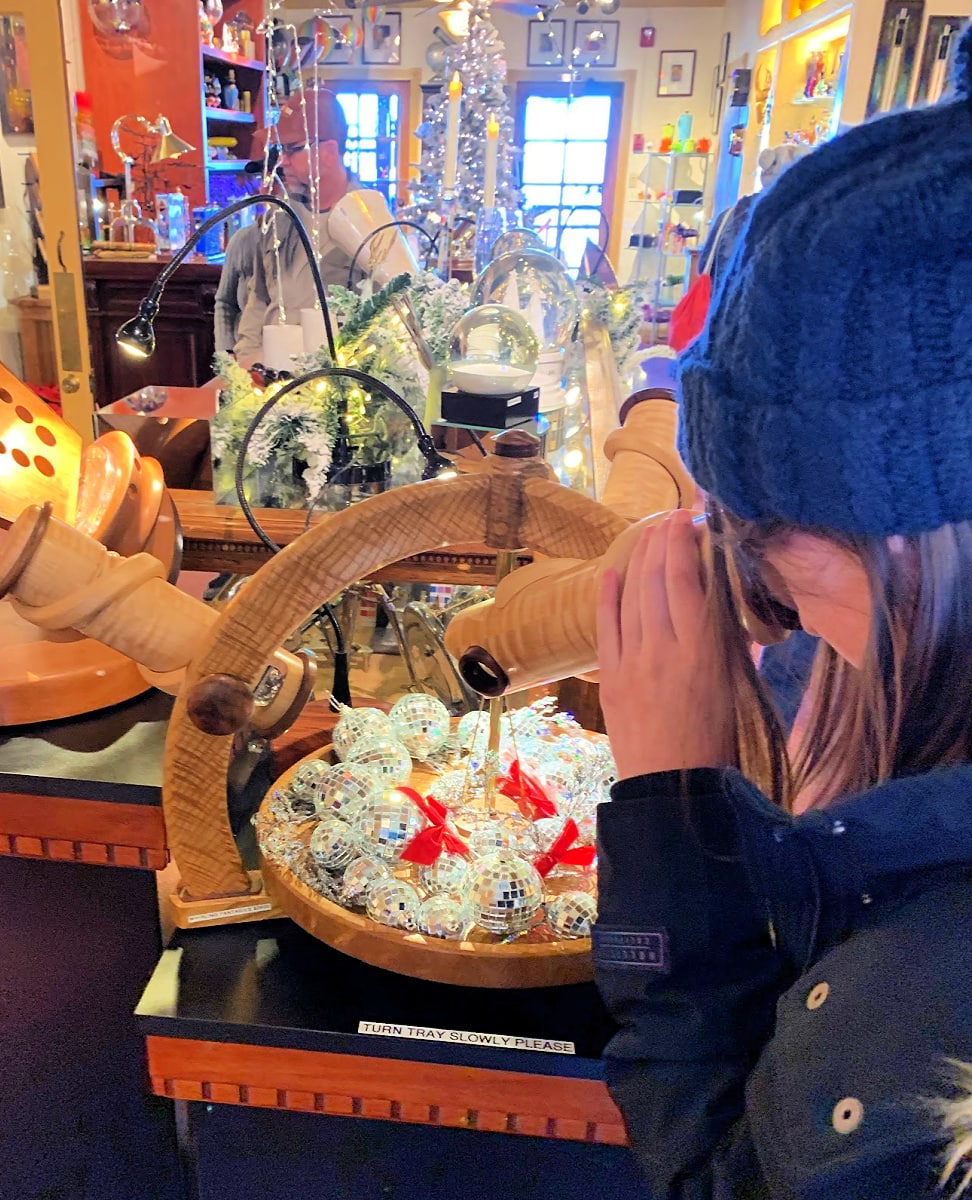
The town’s cultural vitality is further evidenced by its arts scene. The "First Saturday Artwalk," an event that sees galleries and studios extend their hours, has become a cornerstone of local commerce. This shift represents an ironic reversal: where once the town’s "wicked" reputation was built on saloons and opium dens, its contemporary identity is forged in the studios of painters, glassblowers, and jewelry makers.
Fact-Based Analysis of Future Implications
The long-term viability of Jerome faces two primary challenges: climate-related environmental risks and infrastructure maintenance. Because the town is built on a steep incline, managing erosion and structural support for the roads and buildings is an ongoing financial burden for the municipal government. Furthermore, the town’s reliance on tourism makes it sensitive to broader economic fluctuations.
Despite these challenges, the, designation of Jerome as a National Historic Landmark provides a level of regulatory protection that prevents indiscriminate development. This protection ensures that the town’s aesthetic and historical integrity will remain largely unchanged, which is the primary driver of its economic success.
Conclusion: A Study in Resilience
Jerome remains a unique case study in American urban planning and survival. It is neither a dead town nor a bustling city; it exists in a state of suspended animation, maintained by a populace that values its heritage over modern convenience. Whether analyzing the geological instability that forced the town to move, or the socio-economic transition from mining to tourism, Jerome offers a comprehensive narrative of the American West. As the town moves further into the 21st century, its ability to balance the preservation of its crumbling historic structures with the requirements of a modern visitor economy will continue to define its trajectory.
For the historian, the geologist, or the casual traveler, Jerome provides more than just a ghost story. It provides a record of human persistence in the face of environmental and economic adversity, standing as a monument to the town that refused to disappear.