The Comprehensive Guide to Cape Cod Day Trips for Families Exploring New Englands Premier Summer Destination


Cape Cod, a glacial peninsula extending into the Atlantic Ocean from the southeastern corner of Massachusetts, remains a primary engine of the New England tourism economy. While the region is a traditional destination for week-long summer rentals, a shifting travel landscape has seen a significant rise in "day-tripper" tourism. This trend is driven by visitors from the Greater Boston area, Providence, and surrounding states who seek to experience the Cape’s unique blend of maritime history, natural beauty, and family-oriented recreation within a 24-hour window. As the region prepares for its peak seasonal influx, understanding the logistical requirements and the diverse offerings of the Cape’s fifteen towns is essential for maximizing the utility of a single-day visit.
Navigating the Gateway: Infrastructure and Traffic Realities
The accessibility of Cape Cod is defined by two primary spans: the Sagamore Bridge and the Bourne Bridge. Both structures, managed by the U.S. Army Corps of Engineers, were completed in 1935 and serve as the only vehicular arteries connecting the peninsula to the mainland. According to data from the Massachusetts Department of Transportation (MassDOT), these bridges facilitate the movement of millions of vehicles annually, with traffic volume peaking significantly between June and September.
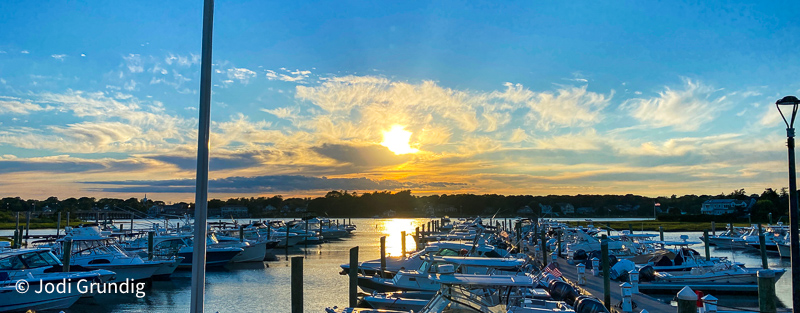
For day-trippers, timing is the most critical variable. Traffic congestion typically intensifies on Friday afternoons as weekend travelers arrive and on Sunday afternoons as they depart. To avoid losing several hours to bridge-related delays, transportation analysts recommend that day-trip families schedule their visits for mid-week—Tuesday through Thursday. Furthermore, those traveling from Boston may consider the "Fast Ferry" options, which bypass the bridges entirely, transporting passengers from Long Wharf or the World Trade Center directly to Provincetown in approximately 95 minutes.
The Upper Cape: Sandwich and Woods Hole
Located immediately over the bridges, the "Upper Cape" offers the most logistically feasible day trips for those wishing to minimize driving time. Sandwich, incorporated in 1639, holds the distinction of being the oldest town on the Cape. It serves as a cultural hub, home to the Heritage Museums & Gardens, which features 100 acres of landscaped grounds and a renowned collection of American automobiles. The Sandwich Glass Museum provides historical context on the town’s 19th-century industrial peak, making it a staple for educational tourism.
Further south in the town of Falmouth lies the village of Woods Hole. This community is a global center for marine science, housing the Woods Hole Oceanographic Institution (WHOI) and the Marine Biological Laboratory (MBL). Families can visit the Woods Hole Science Aquarium, the oldest public aquarium in the United States. For active recreation, the Shining Sea Bikeway offers a 10.7-mile paved path following a former railroad line, providing scenic vistas of Vineyard Sound.

The Mid-Cape: Yarmouth and the Family Entertainment Hub
The Mid-Cape region, specifically Yarmouth and Hyannis, is often cited as the most family-friendly sector due to its high density of attractions. Yarmouth is characterized by its commercial corridors which feature miniature golf courses, inflatable parks, and the Whydah Pirate Museum. The latter is of significant historical importance, as it houses artifacts from the Whydah Gally, the first fully authenticated pirate shipwreck discovered in U.S. waters.
Yarmouth’s geography also provides access to both the north-side beaches on Cape Cod Bay, known for their dramatic low tides and tidal flats, and the south-side beaches on Nantucket Sound, which typically feature warmer waters. This dual-coast access makes it a strategic "home base" for families who want to experience different maritime environments in a single afternoon.
The Outer Cape: Provincetown and the National Seashore
At the extreme northern tip of the peninsula sits Provincetown, a town that balances a vibrant, eclectic downtown with the pristine preservation of the Cape Cod National Seashore. Established by President John F. Kennedy in 1961, the National Seashore encompasses 43,607 acres of ponds, dunes, and beachfront.

Provincetown’s Commercial Street is the town’s economic heart, featuring a high concentration of art galleries, restaurants, and retail shops. For historical perspective, the Pilgrim Monument commemorates the first landing of the Mayflower Pilgrims in 1620, prior to their eventual move to Plymouth. Standing at 252 feet, it is the tallest all-granite structure in the United States. Families visiting Provincetown often utilize the town as a departure point for whale-watching excursions, which head into the Stellwagen Bank National Marine Sanctuary, one of the world’s premier locations for sighting humpback and finback whales.
Historic Plymouth: The Continental Connection
While not geographically on the Cape, Plymouth serves as a vital historical gateway for travelers heading toward the peninsula. The Plimoth Patuxet Museums offer a "living history" experience, recreating the 17th-century English settlement and a historic Patuxet homesite. The recent restoration of the Mayflower II, a full-scale reproduction of the original vessel, has renewed interest in the site. For many families, a stop in Plymouth provides a foundational understanding of the colonial history that shaped the entire Cape and Islands region.
The Island Extensions: Martha’s Vineyard and Nantucket
For visitors already staying on the Cape, the islands of Martha’s Vineyard and Nantucket represent the quintessential New England offshore experience. Both are accessible via the Steamship Authority or private high-speed ferries departing from Woods Hole and Hyannis.
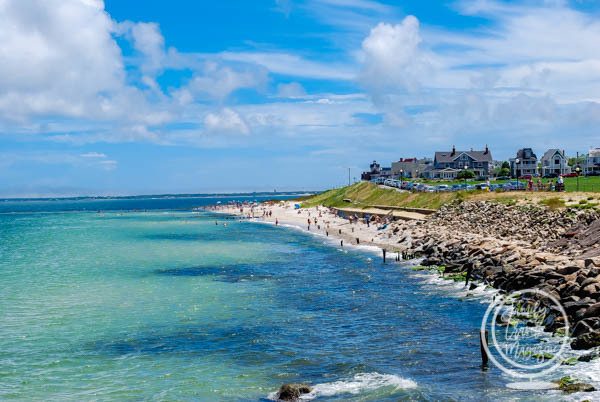
Nantucket, a former whaling capital, is a National Historic Landmark District. Its compact downtown is easily navigable on foot, making it a viable car-free day trip. Martha’s Vineyard is significantly larger, requiring more logistical planning. It is divided into "Up-Island" (the rural, western portion) and "Down-Island" (the busier towns of Vineyard Haven, Oak Bluffs, and Edgartown). The colorful "Gingerbread Cottages" of Oak Bluffs, a collection of 19th-century Methodist camp meeting houses, remain one of the most photographed sites in the region.
Natural Preservation: Nickerson State Park and the Rail Trail
The town of Brewster offers a departure from the coastal scenery with Nickerson State Park. Unlike the sandy dunes of the outer Cape, Nickerson features 1,900 acres of wooded trails and "kettle ponds"—freshwater bodies formed by retreating glaciers. This park is a primary access point for the Cape Cod Rail Trail, a 25-mile converted railway path that spans six towns. The trail has become a vital piece of the Cape’s recreational infrastructure, allowing families to traverse large sections of the peninsula safely away from motor vehicle traffic.
Economic and Environmental Implications
The reliance on seasonal tourism presents a dual challenge for Cape Cod. Economically, the region generates over $1.3 billion in direct tourism spending annually, supporting thousands of jobs. However, the environmental impact of millions of visitors—ranging from nitrogen loading in the groundwater to the erosion of fragile dune systems—remains a subject of intense local policy debate.

Furthermore, the aging infrastructure of the Sagamore and Bourne bridges has reached a critical juncture. The federal government recently allocated nearly $1 billion toward the eventual replacement of these spans, a project estimated to cost nearly $4.5 billion in total. For the day-tripper, these developments signal a future of improved access, though the construction phases will likely necessitate even more careful planning in the decade to come.
Conclusion for the Modern Traveler
A successful family day trip to Cape Cod requires a balance of historical appreciation, outdoor activity, and logistical foresight. By utilizing mid-week windows, alternative transportation like ferries, and targeting specific regions such as the Upper or Mid-Cape, visitors can experience the essence of the peninsula without the commitment of a multi-day stay. Whether exploring the scientific frontiers of Woods Hole, the historical depths of Sandwich, or the natural wonders of the National Seashore, Cape Cod remains a premier destination that continues to adapt to the evolving patterns of American travel.