The Evolution of Adult Travel: How Empty-Nesters and Parents Are Redefining Modern Tourism


For decades, the global tourism and hospitality industry has meticulously catered to the logistical demands of family travel. Vacation planning for households with children has traditionally required navigating a strict framework of child-friendly amenities: securely fenced swimming pools, strict adherence to afternoon nap schedules, high-speed internet robust enough to satisfy teenagers, and reliable menus featuring universally accepted comfort foods. However, a significant demographic shift in modern travel is currently underway. As younger generations mature, college acceptance letters arrive, and grandparents increasingly step in to provide short-term childcare, a distinct and rapidly growing market has emerged: child-free, adult-only travel.
This lifestyle evolution represents far more than a simple shift in destination preferences. It marks a fundamental re-evaluation of leisure, personal autonomy, and financial investment in travel experiences. Market analysts and tourism boards report a surging demand for adults-only resorts, shoulder-season bookings, and experience-driven itineraries that prioritize individual enrichment over family-wide compromise. According to global hospitality data, the adult-centric travel sector has experienced a steady upward trajectory over the past five years, prompting luxury hotels, boutique operators, and cruise lines to adapt their offerings to accommodate this lucrative demographic.
The Economics of Flexibility: Traveling During the Shoulder Season
One of the most profound advantages of adult-only travel is the liberation from the academic calendar. For families with school-aged children, vacations are rigidly anchored to school breaks, summer holidays, and major national closures. This concentration of family travel creates severe seasonal bottlenecks, resulting in inflated airfares, fully booked accommodations, and overcrowded tourist sites.

Adult-only travelers, by contrast, possess the rare luxury of temporal flexibility. By booking trips during the shoulder seasons—such as mid-spring in Italy, the post-summer lull in the Greek Isles, or late January in Hawaii—travelers can bypass the overwhelming tourist throngs while enjoying significantly lower rates and enhanced availability at high-end properties. Furthermore, this broad calendar access allows travelers to align their itineraries with unique seasonal occurrences, such as the grape harvest in Provence, the natural firefall phenomenon in Yosemite National Park, or the blooming jacarandas in Buenos Aires.
Industry experts note that this flexibility also mitigates the notoriously difficult logistical challenge of coordinating group schedules among friends or couples. With a full 365-day canvas available, the probability of synchronizing complex travel calendars increases exponentially, fostering a rise in multi-couple excursions and specialized peer-group getaways.
Redefining Luxury: Accommodations Tailored to Desire, Not Capacity
The lodging criteria for adult travelers undergo a radical transformation once the requirement for extra beds, adjoining rooms, and child-safe environments is removed. Rather than selecting a hotel room based on its square footage or the presence of a pull-out sofa bed, adult travelers are increasingly prioritizing location, architectural uniqueness, and experiential amenities.
Market trends indicate a strong preference for urban high-rise suites featuring private al fresco terraces, cliffside boutique hotels reached via intricate stone stairways, and secluded country inns where mornings begin by a crackling fireplace. Furthermore, this demographic drives the occupancy rates of properties that explicitly prohibit minors, such as the iconic overwater bungalows found across French Polynesia and the Maldives.
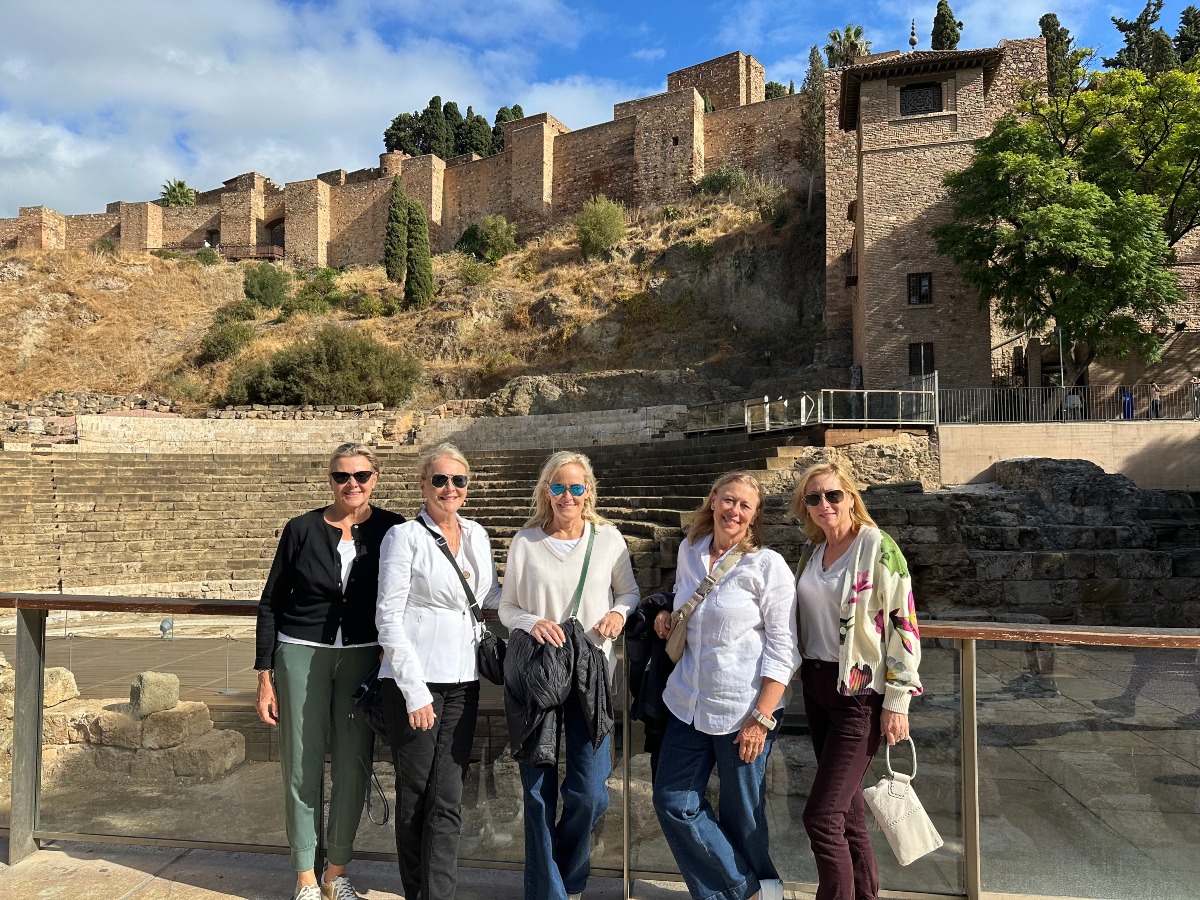
Hospitality analysts suggest that this shift reflects a broader psychological desire for immersion and aesthetic appreciation. Without the constant oversight required when traveling with children, adults are free to select accommodations that actively enhance their immediate sensory environment, whether through panoramic architectural views, historical authenticity, or absolute acoustic tranquility.
The Culinary Renaissance: Dining Without Constraints
Dining habits while traveling undergo an equally dramatic revision in the absence of children. For years, meal planning for families is dictated by early bedtimes, predictable menus, and the constant management of juvenile fatigue. Adult-only itineraries dismantle these restrictions entirely, transforming meals from a logistical necessity into a central cultural experience.
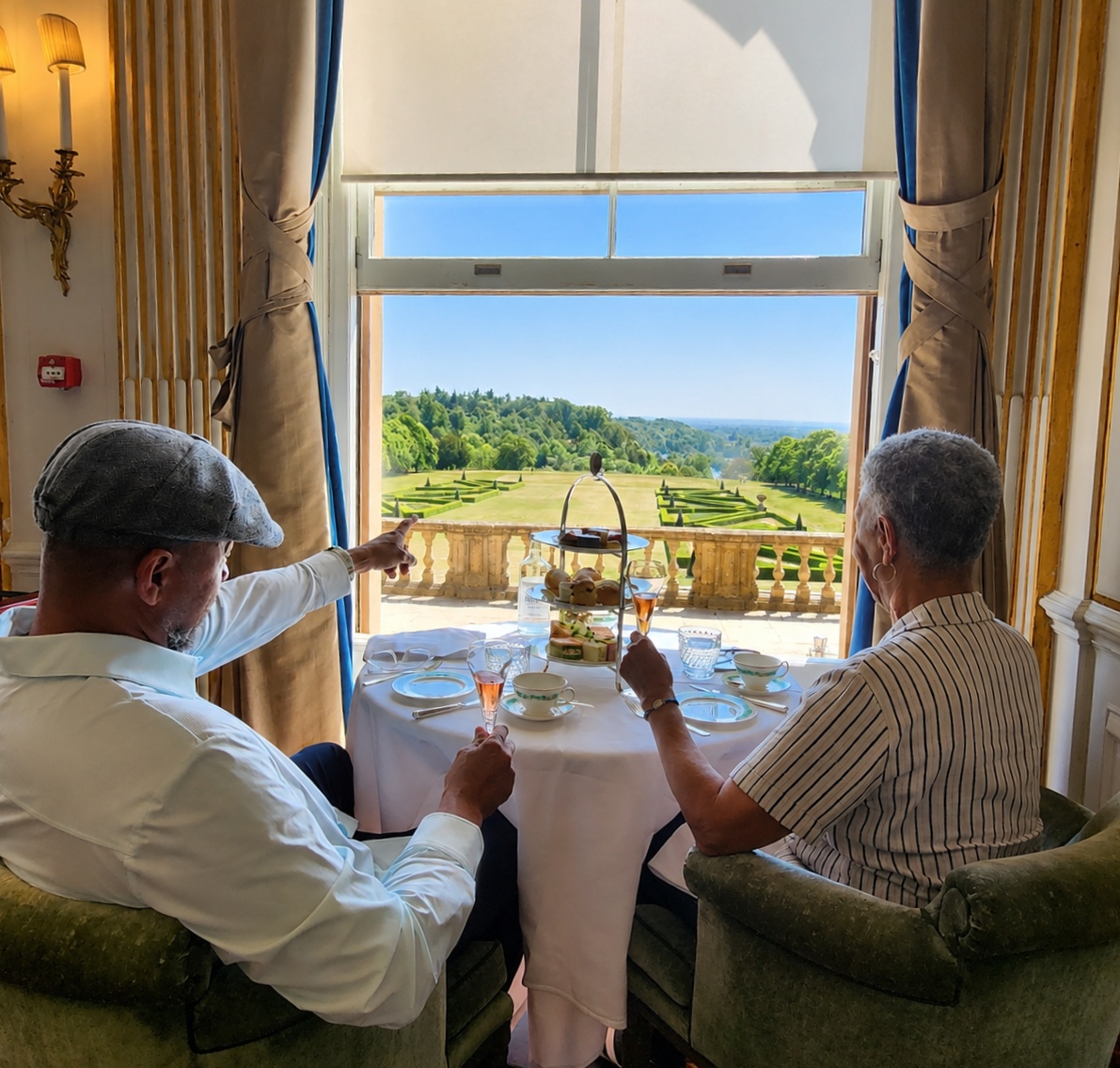
Data from culinary tourism boards indicate that adult travelers are more likely to invest in high-end gastronomic experiences, including multi-course chef’s counters, private wine pairings, and leisurely afternoon teas accompanied by champagne. The temporal boundaries of dining dissolve entirely; travelers frequently substitute traditional dinner hours for extended late-afternoon lunches, spontaneous street food tours of night markets, or quiet room service enjoyed in uninterrupted peace.
This culinary freedom eliminates the stress traditionally associated with dining out, allowing groups of friends or romantic partners to engage deeply with local food cultures without the pressure of managing restaurant etiquette for restless participants.
Chronology of a Shift: From Routine to Spontaneity
The daily rhythm of an adult-only vacation stands in sharp contrast to the militaristic precision required for family expeditions. Historically, parents must operate as operational managers, waking at dawn to feed, dress, and transport dependents to scheduled activities.
On adult-centric trips, the chronology of the day is dictated entirely by personal circadian rhythms. Night owls can immerse themselves in late-night musical performances or stroll through historic European piazzas long after daytime excursion groups have departed. Conversely, early birds can embark on pre-dawn hikes or sunrise hot-air balloon flights motivated purely by personal ambition rather than a toddler’s early-morning awakening.
This unstructured approach extends to the overarching daily itinerary. Travel psychologists note that leaving room for serendipity—a concept often hazardous when traveling with young children—is a primary driver of psychological restoration during vacations. Without the pressure of maintaining a strict schedule or providing backup entertainment to ward off boredom, travelers are more perceptive of their surroundings, cultivating deeper engagements with local art galleries, impromptu architectural discoveries, and the subtle sensory details of their destination.
Specialized Interests and Deep-Dive Tourism

For decades, parental altruism dictates that vacation itineraries must center around attractions designed to entertain younger minds, ranging from theme parks and interactive zoos to historical sites tailored for youthful attention spans. The emergence of the empty-nest and adult-only travel market has catalyzed a resurgence in special-interest tourism.
Travel agencies specializing in customized itineraries report a surge in bookings centered on niche adult passions. These include private oenological tastings with winemakers in Burgundy, multi-hour explorations of medieval manuscript archives, attendance at world-class opera performances at venues like La Scala, or elaborate multi-course kaiseki dining experiences in Kyoto. By reclaiming their leisure time, adults are utilizing travel as a vehicle for lifelong learning and the unhurried pursuit of personal hobbies.
Broader Industry Implications and Future Outlook
The pivot toward adult-centric travel is reshaping the operational strategies of major tourism entities. Luxury resorts that historically positioned themselves as strictly family-friendly are increasingly carving out dedicated adult-only zones, complete with private pools, specialized spa pavilions, and high-end nightlife venues.
Economic analysts project that this market segment will continue to expand as demographic shifts—including declining birth rates and longer life expectancies—result in a larger population of active, affluent adults with the financial means and the time to explore the globe. Consequently, the travel industry is responding with bespoke offerings designed to honor the hard-earned autonomy of travelers who no longer need to check their decisions through the lens of a family checklist.