The appeal of RV travel is rooted in the intersection of freedom and comfort. According to recent industry data from the RV Industry Association (RVIA), approximately 8.1 million American households currently own an RV, while an additional 16.9 million individuals have expressed a definitive interest in joining the community within the next year. This surge is driven by a growing recognition of the health benefits associated with outdoor recreation, including documented reductions in cortisol levels, improved circadian rhythms for better sleep, and the psychological benefits of "forest bathing" or nature immersion. KOA has capitalized on these trends by evolving its service model to meet the specific needs of modern campers who require more than just a patch of grass to park on.
The Historical Evolution of Kampgrounds of America
The history of KOA began in 1962, a pivotal era for American highway travel. Founded by Dave Drum in Billings, Montana, the first campground was established to provide a convenient stop for travelers heading to the Seattle World’s Fair. Drum recognized that as the Interstate Highway System expanded, motorists needed reliable, clean, and safe places to spend the night. What started as a modest patch of land with a few fire rings and picnic tables has, over six decades, transformed into a sophisticated franchise network.
By the 1970s and 80s, KOA became synonymous with the "Yellow Sign," a beacon for travelers seeking consistency in an era when independent campgrounds varied wildly in quality. In the 21st century, the organization underwent a strategic brand segmentation to better serve a diversifying market. Recognizing that a traveler stopping for a quick overnight stay has different needs than a family on a week-long vacation, KOA introduced three distinct brand categories: KOA Journey, KOA Holiday, and KOA Resort. This chronological shift from a "one-size-fits-all" model to a tiered service structure allowed the company to maintain its market dominance as consumer expectations for luxury and connectivity rose.
Categorization of the Camping Experience
To navigate the vast network of KOA locations, travelers must first understand the three-tier branding system, which dictates the level of amenities and the intended duration of stay.
KOA Journey
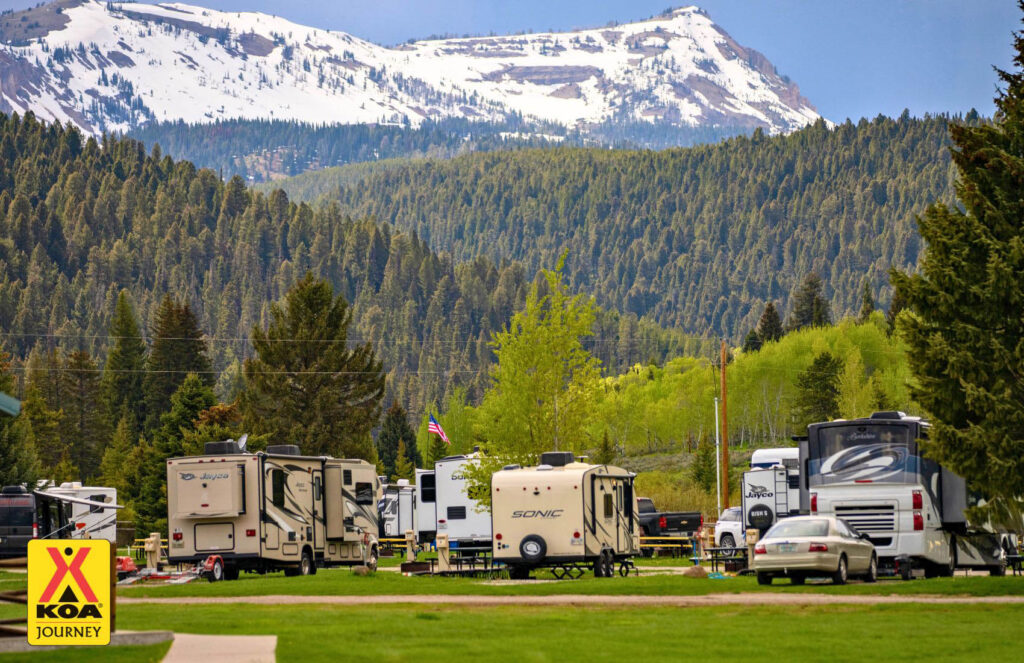
Designed for the "Cross-Country Voyager," these locations are strategically situated near major highways and interstates. The primary objective of a KOA Journey is to provide a seamless, efficient stopover. These sites typically feature well-lit grounds, easy-to-navigate pull-through sites, and 24-hour check-in kiosks. While they offer the standard clean bathrooms and laundry facilities, they prioritize convenience over recreational activities, making them the preferred choice for those in transit.
KOA Holiday
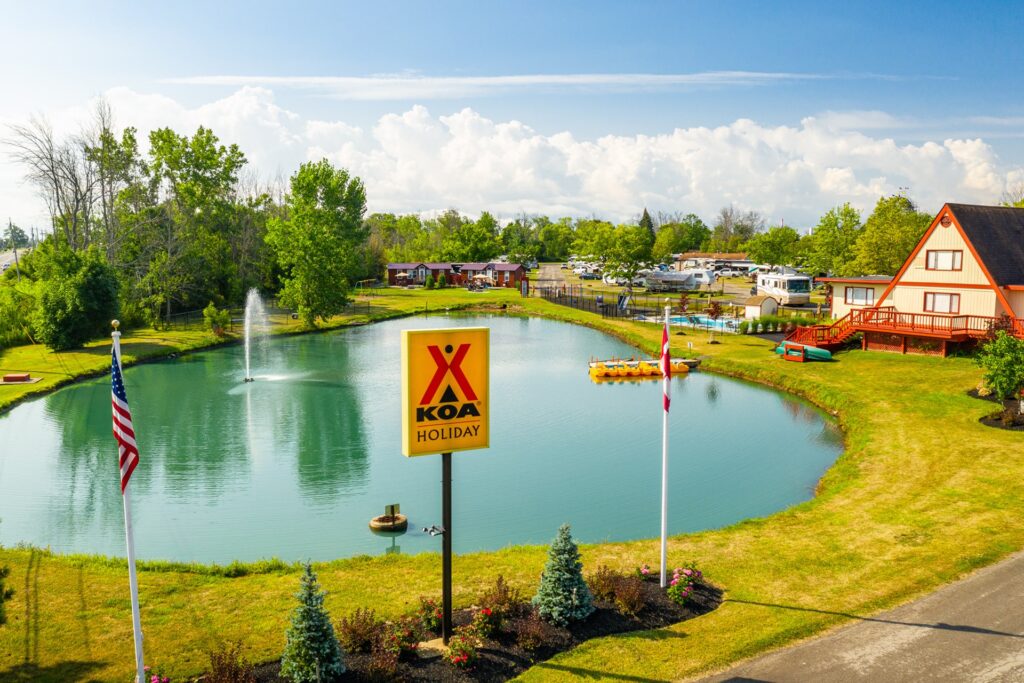
The KOA Holiday serves as a "base camp" for regional exploration. These locations are usually positioned near major tourist attractions, such as National Parks, historical landmarks, or coastal regions. They offer expanded amenities compared to the Journey tier, including organized family activities, upgraded patio sites, and often, a wider variety of "glamping" options like Deluxe Cabins. For the "Weekend Warrior" or the "Family Vacationer," the Holiday tier provides a balance of utility and leisure.
KOA Resort
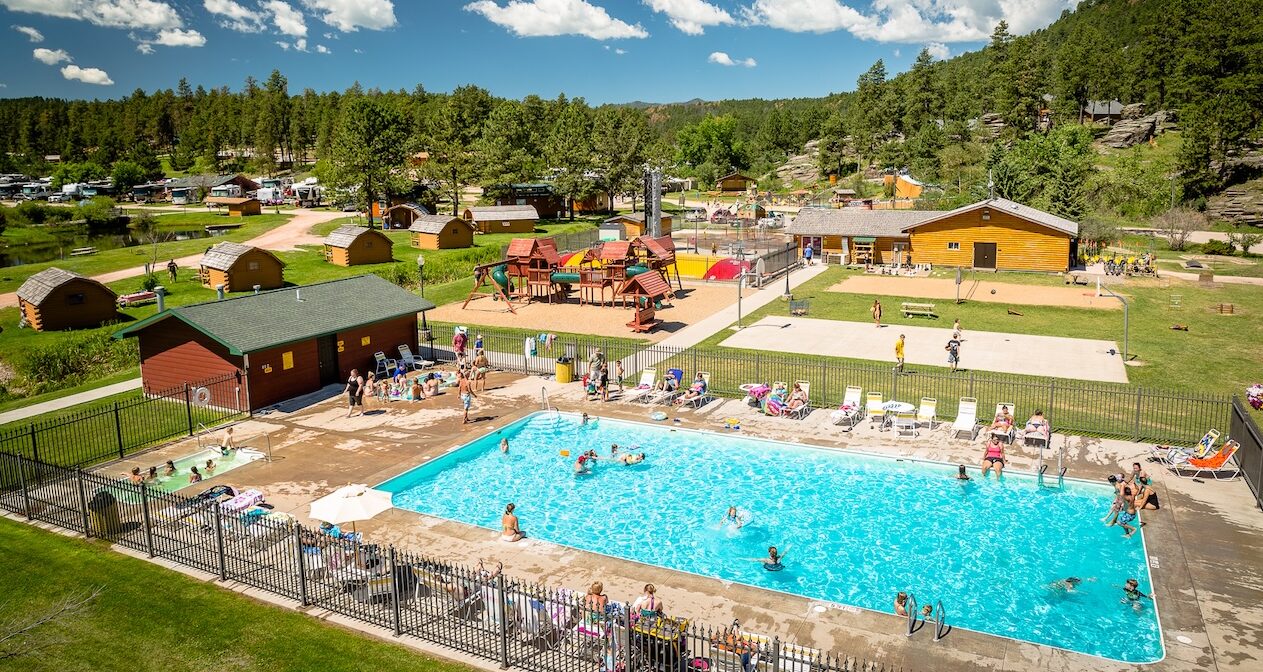
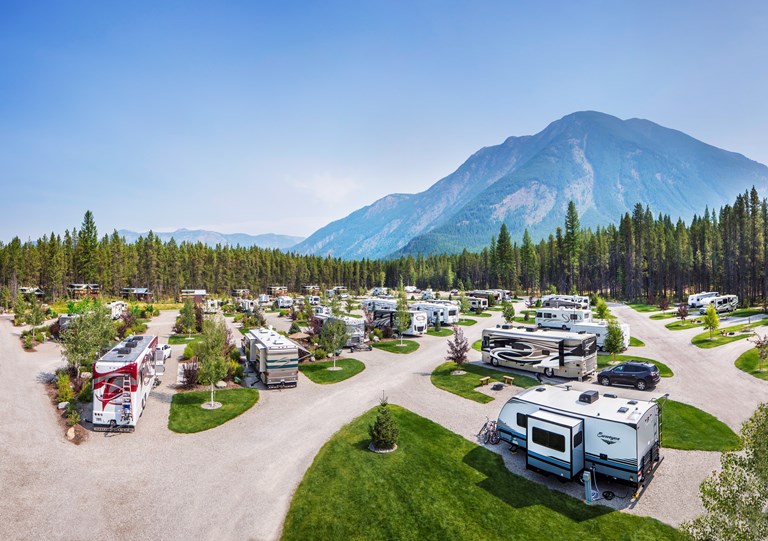
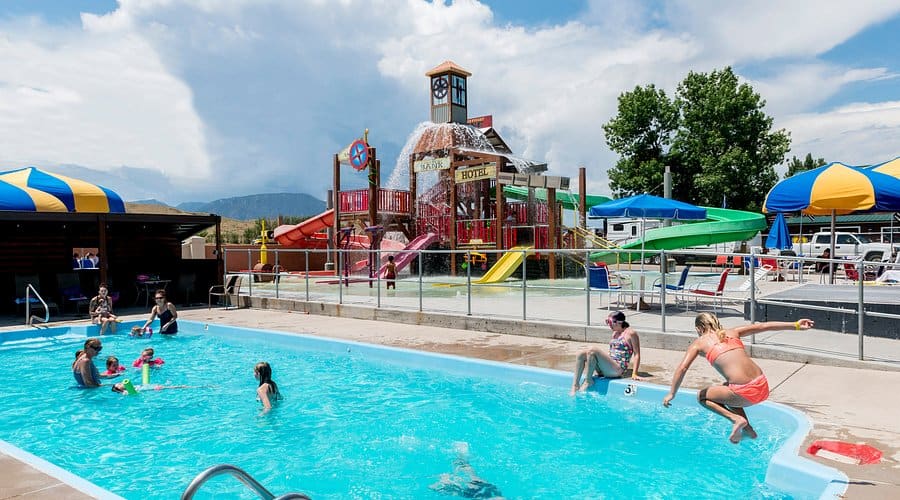
At the top of the hierarchy is the KOA Resort. These are destination-style campgrounds where the facility itself is the primary attraction. Features often include resort-style swimming pools, on-site dining options, mini-golf courses, and staff-led recreation programs. These sites are popular with "Snowbirds"—retirees who travel south for the winter—and travelers seeking an extended-stay community atmosphere.
Technical Infrastructure and Hookup Specifications
A critical component of RV camping is the technical management of the vehicle’s life-support systems. KOA provides three primary types of hookup options, each catering to different levels of self-sufficiency.
- Full Hookups: This is the gold standard for modern RVing. It includes a connection to city water, a dedicated sewer outlet, and an electrical pedestal. Electrical service at KOA usually offers both 30-amp and 50-amp options, essential for larger Class A motorhomes that require significant power to run multiple air conditioning units and high-end appliances.
- Partial Hookups: These sites typically provide water and electricity but lack a sewer connection. This is often sufficient for shorter stays or for smaller trailers with limited holding tank capacity.
- No-Hookup (Dry Camping): Primarily used by van-lifers or those in smaller, self-contained units, these sites offer the lowest price point but require the traveler to rely on their vehicle’s internal batteries and water tanks.
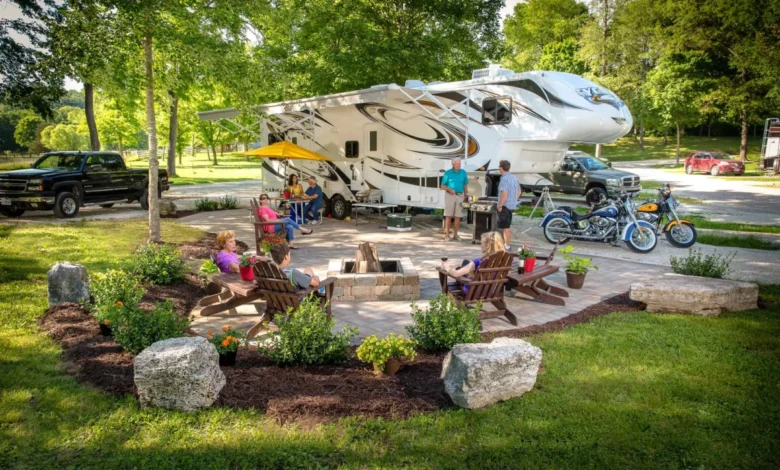
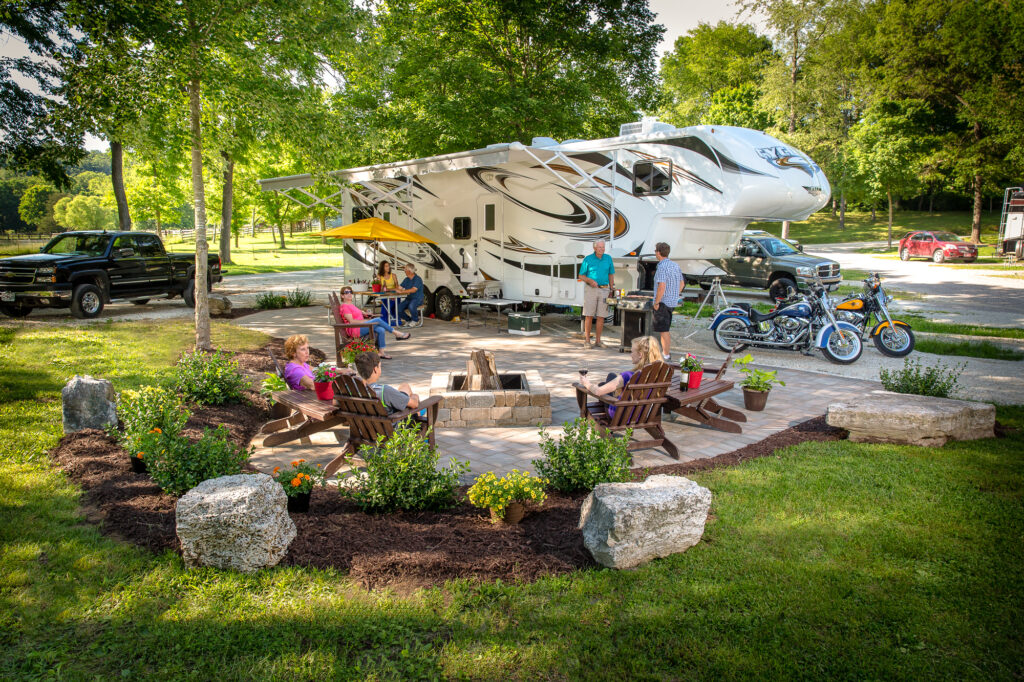
Furthermore, KOA has pioneered the "KOA Patio" site. Recognizing that the area immediately surrounding the RV is as important as the interior, these premium sites include a level, paved patio, high-quality outdoor furniture, and often a built-in fire pit or barbecue grill. This infrastructure addresses the growing demand for "outdoor living rooms," allowing campers to expand their living space significantly.
The Pet-Friendly Paradigm and KampK9
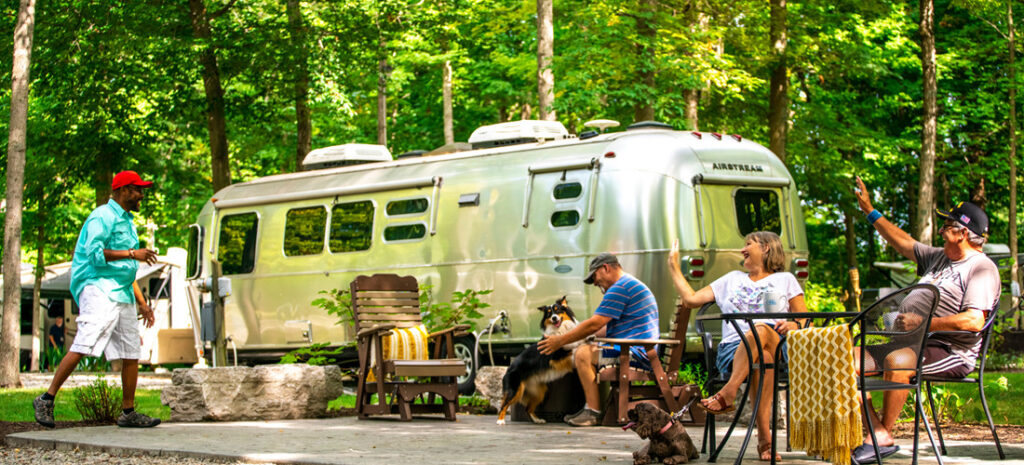
Data indicates that approximately 43% of all RVers travel with pets, primarily dogs. This demographic reality has led KOA to implement standardized pet amenities across its network. The "KampK9" program ensures that every location features a fenced, off-leash dog park with fresh water and disposal stations.
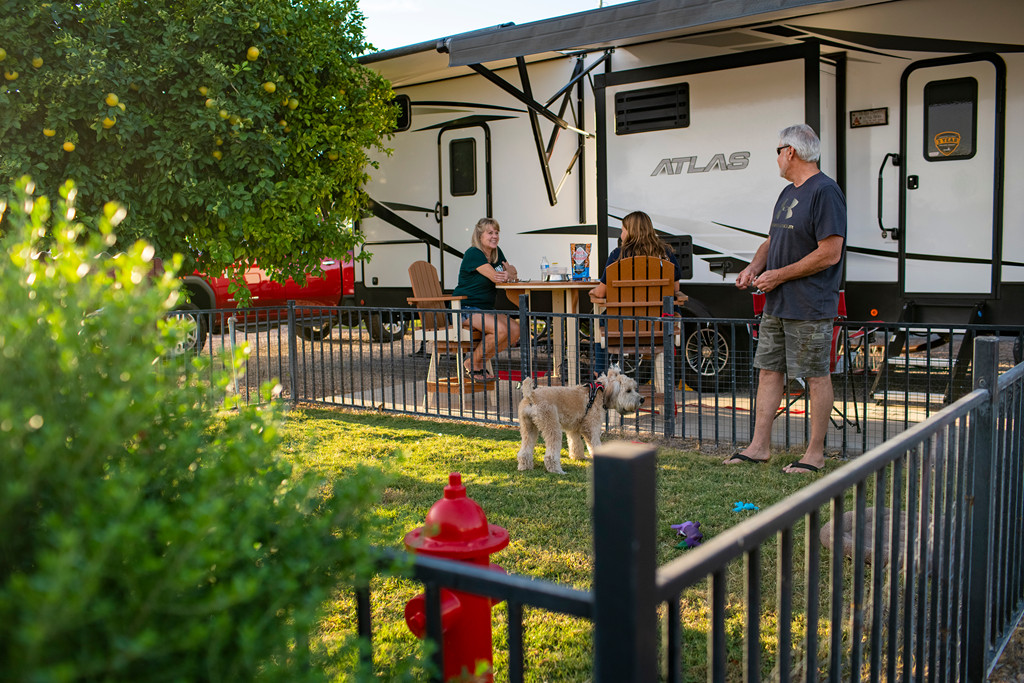
In a more recent innovation, KOA has introduced "Paw Pen" sites. These are individual RV sites that include a private, fenced-in area directly attached to the site’s patio. This allows pet owners to let their dogs outside without the need for constant tethering, a feature that has become a significant competitive advantage for the brand in the pet-friendly travel market.
Economic Implications and Loyalty Ecosystems
The economic impact of the KOA network extends beyond the campgrounds themselves. Each location acts as a catalyst for local economies, driving traffic to nearby gas stations, grocery stores, and local attractions. For the consumer, the KOA Rewards program serves as a financial incentive and a data-collection tool for the company. Members pay an annual fee to receive a 10% discount on nightly rates and earn points that can be redeemed for future stays.
This loyalty ecosystem creates a predictable revenue stream and fosters a sense of community among "KOA loyalists." In an era of fluctuating travel costs, the transparent pricing model and lack of hidden fees—often a complaint in the traditional hotel industry—provide a level of financial predictability that appeals to budget-conscious families and retirees on fixed incomes.
Operational Logistics and Industry Analysis
For those planning an RV excursion, industry experts recommend several operational best practices to ensure a successful trip. First, the importance of reservations cannot be overstated. With the current "RV boom," popular locations—especially those near National Parks—can book up six to twelve months in advance. KOA’s integrated booking platform allows for real-time availability checks, which is a significant technological leap over the manual reservation systems still used by many independent campgrounds.
Secondly, travelers are encouraged to utilize the "signature yellow shirt" staff for local intelligence. Because KOA managers often live on-site or in the immediate community, they provide a level of localized knowledge regarding road conditions, hidden hiking trails, and the best local services that automated travel apps cannot replicate.
From a broader perspective, the success of the KOA model suggests a permanent shift in travel priorities. The "Green Global Travel" movement highlights a desire for more sustainable and responsible travel options. While RVs themselves consume fossil fuels, the act of camping often results in a lower carbon footprint than international air travel and stay in large, energy-intensive hotel complexes. By centralizing waste management through professional sewer connections and promoting "Leave No Trace" principles, KOA facilitates a form of nature-based tourism that is manageable at scale.
Future Outlook for RV Camping
As we look toward the future, the RV camping industry shows no signs of slowing down. The integration of high-speed satellite internet, such as Starlink, into the RV lifestyle has enabled a new generation of remote workers to take their offices into the wilderness. KOA is responding to this by upgrading Wi-Fi infrastructure across its parks, recognizing that connectivity is now as essential as water or electricity.
The implications of this are profound. The traditional boundaries between "vacation" and "daily life" are blurring. As KOA continues to expand its resort-style offerings and technical infrastructure, it is not merely providing a place to park a vehicle; it is curate an ecosystem that supports a mobile society. Whether for a single night at a Journey location or a season-long stay at a Resort, the standardized quality and extensive reach of the KOA network remain the backbone of the North American RV experience, ensuring that the dream of the open road remains accessible, comfortable, and safe for millions.
Related posts: