The Evolution of Icelandic Mobile Tourism
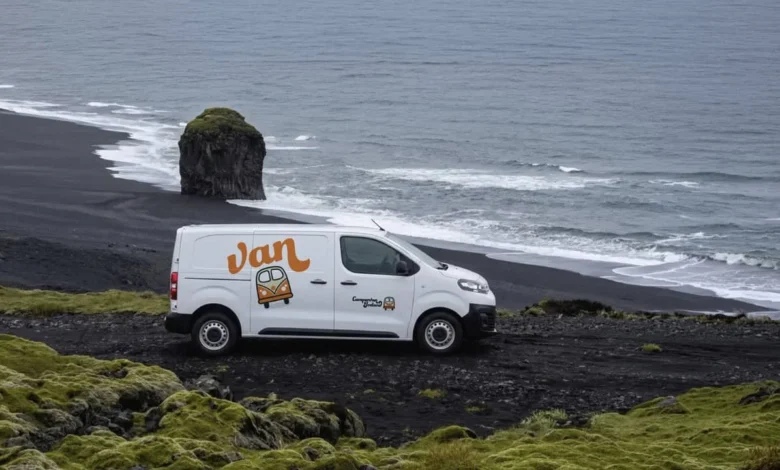
The rise of camper van travel in Iceland is rooted in both necessity and the country’s specific regulatory environment. Historically, Iceland’s hospitality infrastructure was concentrated in the capital, Reykjavík, leaving rural areas with limited hotel capacity during the peak summer months. To address this, local enterprises began developing specialized fleets of vehicles equipped with sleeping quarters, heating systems, and kitchenette facilities.
Since 2013, companies such as Campervan Iceland have spearheaded the movement to integrate vehicle rentals with the arrival experience at Keflavík International Airport (KEF). The logistical efficiency of airport-side pickups has eliminated the need for secondary transport into the capital, allowing travelers to begin their journey immediately upon landing. This shift reflects a broader trend in global tourism toward "slow travel" and self-reliance, providing a buffer against the high costs of traditional Icelandic hospitality.

Legislative Framework and Camping Regulations
A critical turning point for Icelandic tourism occurred in 2015 when the Icelandic government implemented strict legislation regarding overnight stays in vehicles. Prior to this, "wild camping" was common, but the environmental impact on the island’s delicate moss and volcanic soil prompted a legal overhaul.
Under current laws, it is illegal to sleep in a tent, trailer, or camper van outside of designated campsites unless express permission is granted by the landowner. To support this regulation, the country has developed a robust network of more than 170 registered campsites. These sites are strategically located along the Ring Road and in the Westfjords, providing essential services such as electricity, potable water, waste disposal, and heated communal areas. On average, these facilities cost between 2,000 and 3,500 Icelandic Króna (approximately $15 to $25 USD) per person, contributing significantly to the local economies of small coastal villages.
Technical Logistics of the Ring Road
The primary artery for Icelandic travel is Route 1, commonly known as the Ring Road. Spanning 1,332 kilometers (828 miles), this highway encircles the island, connecting the major inhabited regions and providing access to the most prominent geological landmarks.

Driving Conditions and Safety Standards
While the Ring Road is fully paved, it presents specific hazards that require driver vigilance. The Icelandic Road and Coastal Administration (Vegagerðin) maintains strict safety protocols, including a maximum speed limit of 90 km/h (56 mph) on paved surfaces and 80 km/h (50 mph) on gravel. Key safety regulations include:
- Permanent Headlights: Icelandic law requires vehicle headlights to be illuminated at all times, regardless of visibility or time of day.
- Single-Lane Bridges: Numerous bridges on the Ring Road remain single-lane, requiring a specific protocol of yielding to the driver who arrives first.
- Weather Volatility: The Icelandic Meteorological Office frequently issues alerts for high-wind events that can exceed 20 meters per second, posing a tipping risk for high-profile camper vans.
Expert analysis suggests that a minimum of ten days is required to complete the circuit without undue fatigue, while twelve to fourteen days allows for the inclusion of the Snæfellsnes Peninsula or the East Fjords.
Economic Analysis of Independent Travel
Iceland consistently ranks among the most expensive countries in the world for travelers. In 2023, the cost of a standard restaurant meal in Reykjavík averaged $40 to $60 USD per person. Consequently, the camper van model serves as a vital economic strategy for budget-conscious visitors.

The "grocery store strategy" has become a staple of the Icelandic road trip. Major discount chains such as Bónus and Krónan offer a means to bypass high restaurant prices. Travelers typically stock up on Icelandic staples such as skyr (a high-protein dairy product), smoked lamb, and local seafood. Additionally, the "hot dog economy" plays a role in transit; gas stations across the country serve as social and culinary hubs, offering the famous Icelandic hot dog (pylsur), which remains one of the few affordable prepared food options on the island.
Geographic Highlights and Tectonic Significance
The itinerary of a camper van journey is largely dictated by Iceland’s position on the Mid-Atlantic Ridge, where the North American and Eurasian tectonic plates are pulling apart.
The Golden Circle and South Coast
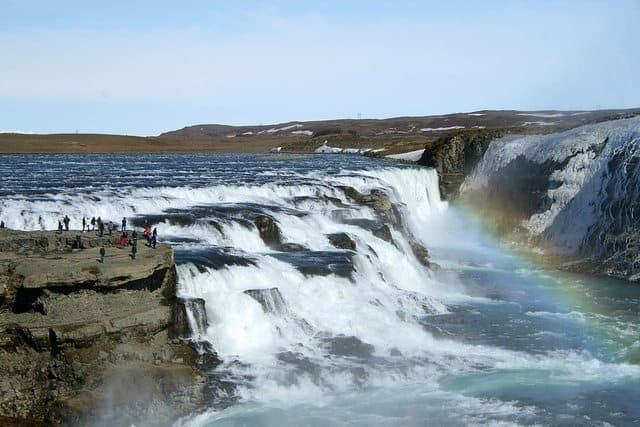
The initial phase of most loops involves the Golden Circle, encompassing Þingvellir National Park—a UNESCO World Heritage site where the Alþingi (the world’s oldest surviving parliament) was established in 930 AD. Moving south, the landscape is dominated by the Seljalandsfoss and Skógafoss waterfalls. These sites illustrate the power of glacial runoff, with Skógafoss dropping 60 meters and creating a constant mist that often produces vivid rainbows.
The Glacial Lagoons
Further east lies the Vatnajökull National Park, home to the Jökulsárlón Glacier Lagoon. Here, massive icebergs calve from the Breiðamerkurjökull glacier and drift toward the Atlantic. This area has seen significant environmental change; the lagoon has doubled in size since the 1970s due to glacial retreat, serving as a visible indicator of climate change. Across from the lagoon, the "Diamond Beach" features ice fragments washed ashore on black volcanic sand, creating a unique geological phenomenon.
The Northern Volcanic Zones
The Lake Mývatn region in the north offers a concentrated look at geothermal activity. The area is characterized by pseudo-craters, mud pots (Hverir), and the Mývatn Nature Baths. Unlike the more commercialized Blue Lagoon near the airport, the Mývatn baths are often cited by locals as a more authentic representation of Icelandic bathing culture, utilizing mineral-rich water drawn from depths of up to 2,500 meters.
The Highland Frontier and F-Roads
For travelers seeking deeper isolation, the Icelandic Highlands offer a stark, uninhabited interior. However, access to this region is strictly regulated. The roads, designated with an "F" prefix (e.g., F225), are only accessible by 4×4 vehicles and are typically closed until late June or early July due to snow and mud.
The Highlands require specialized camper vans equipped with heavy-duty suspension and snorkels for river crossings. Landmannalaugar, famous for its rhyolite mountains and natural hot springs, is a primary destination in the interior. This region highlights the necessity of "Sand and Ash" insurance—a specific coverage unique to Iceland that protects against damage caused by volcanic debris and high-velocity wind storms.
Risk Management and Environmental Stewardship
The sustainability of Icelandic tourism relies heavily on the behavior of independent travelers. Local authorities emphasize the "Icelandic Pledge," an agreement visitors can sign to respect nature and travel responsibly.
Key points of emphasis for camper van users include:
- Off-Road Driving: This is strictly prohibited and carries fines exceeding $2,000 USD. The tracks left by tires in volcanic soil can take decades to heal.
- Waste Management: Proper disposal of "grey water" and chemical toilet waste is mandatory at designated campsite stations to prevent contamination of the groundwater.
- The Icelandic Horse: Travelers are cautioned not to feed or pet horses on the side of the road, as this can lead to dangerous traffic situations and dietary issues for the animals. The Icelandic horse is a protected breed, isolated since the 10th century to prevent disease.
Conclusion: The Future of Mobile Exploration
As Iceland continues to manage the balance between economic growth and environmental preservation, the camper van remains the most viable tool for distributed tourism. By allowing visitors to carry their own infrastructure, the model reduces the pressure on urban centers and spreads tourism revenue to remote municipalities. For the traveler, the van represents a mobile vantage point to one of the most geologically active landscapes on Earth, providing a level of autonomy that fixed-site accommodation cannot replicate. The continued investment in campsite infrastructure and the modernization of rental fleets suggest that the "home on wheels" will remain the definitive way to experience the rugged periphery of the North Atlantic.