Ultimate Guide to Tulips in Holland – Keukenhof, Tulip Fields, and More in The Netherlands

The Netherlands serves as the global epicenter for floriculture, an industry that transforms the Dutch landscape into a geometric tapestry of vibrant color every spring. This annual phenomenon is not merely a seasonal attraction but a cornerstone of the national economy and a testament to centuries of sophisticated water management and agricultural innovation. From the meticulously manicured displays at Keukenhof Gardens to the expansive commercial fields of the Flevoland polders, the Dutch tulip season represents a unique intersection of history, commerce, and tourism.
Historical Context: From the Ottoman Empire to Tulip Mania
The association between the Netherlands and tulips began in the late 16th century. Contrary to popular belief, tulips are not indigenous to Western Europe; they were imported from the Ottoman Empire, where they were highly prized by the sultans in Constantinople. Carolus Clusius, a botanist at Leiden University, is credited with planting the first bulbs in Dutch soil in 1593. He discovered that the sandy, well-drained soil of the coastal regions, combined with the temperate maritime climate, provided ideal conditions for the flower.
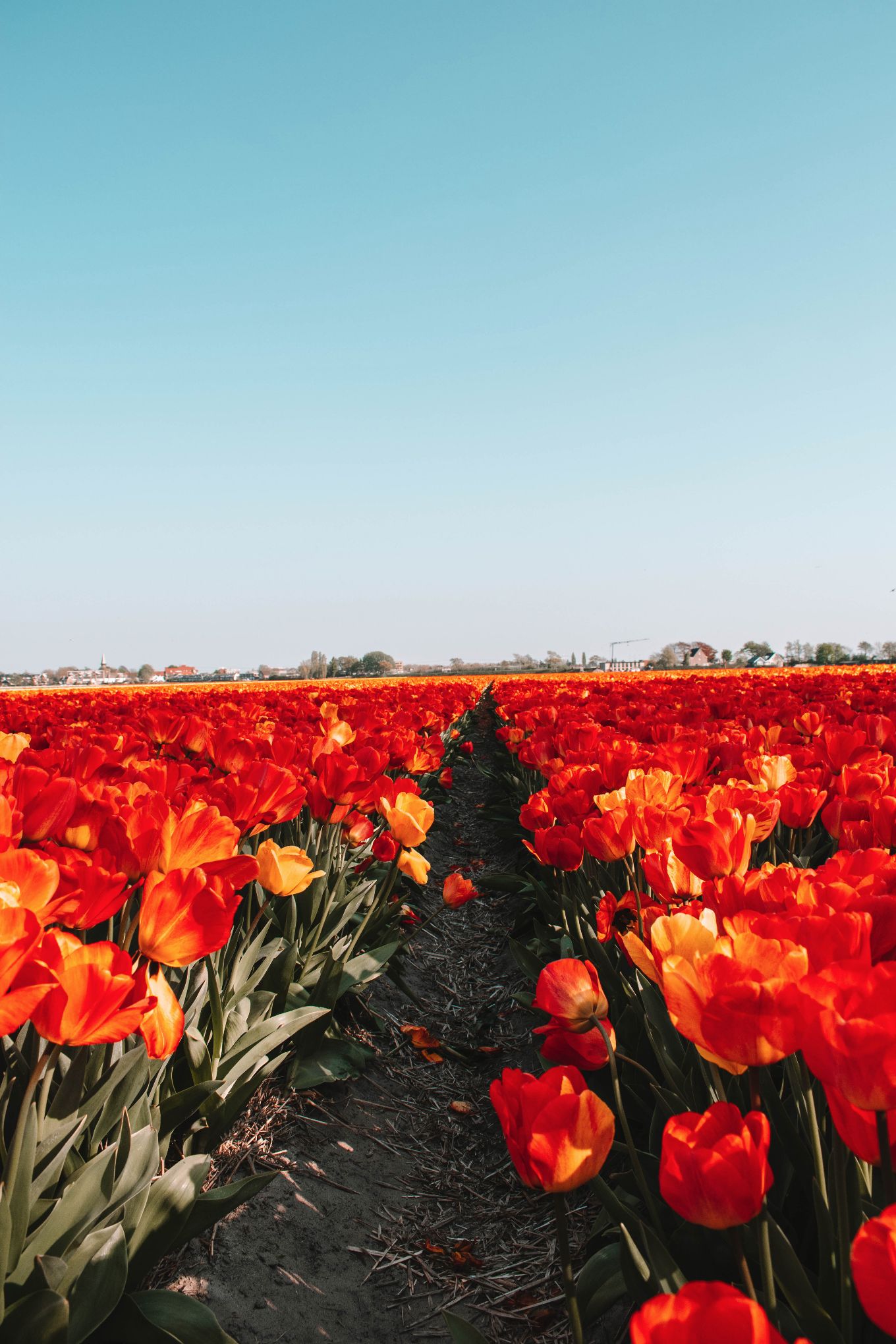
By the 1630s, the tulip had become a status symbol of the Dutch Golden Age, leading to the first recorded speculative bubble in history, known as "Tulip Mania." At the height of this frenzy, a single bulb of a rare variety, such as the Semper Augustus, could cost as much as a canal-side house in Amsterdam. While the market eventually collapsed in 1637, the infrastructure for bulb cultivation remained, laying the groundwork for the Netherlands to become the world’s leading exporter of ornamental plants. Today, the country produces over 3 billion tulip bulbs annually, accounting for approximately 75% of the global market.

The Seasonal Chronology of the Dutch Bloom
The Dutch floral season is a strictly timed window dictated by soil temperature and daylight hours. While the exact dates fluctuate annually based on weather patterns, the general chronology remains consistent:
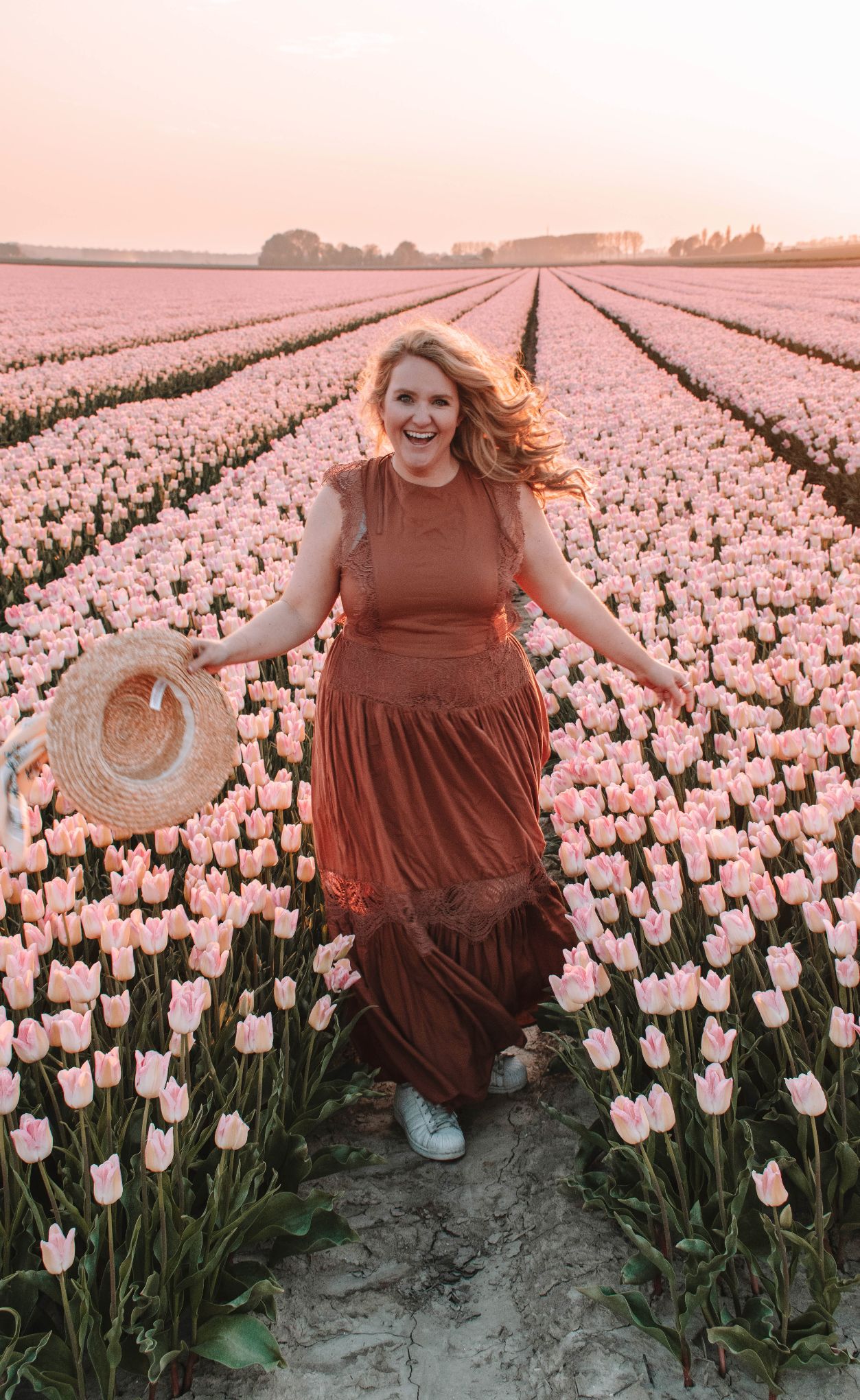
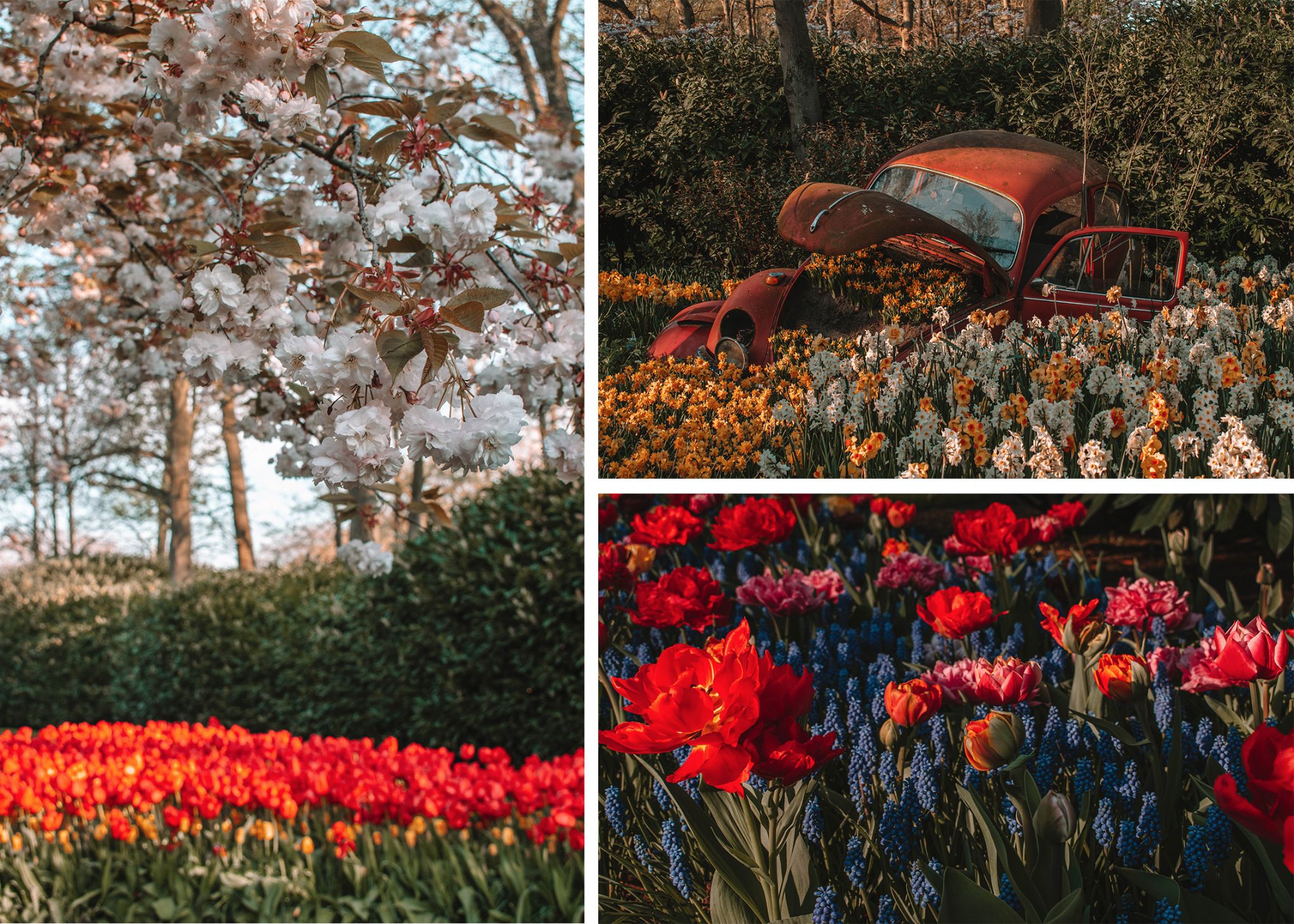
- Late March to Early April: The season commences with early bloomers, including crocuses, daffodils, and hyacinths. These flowers provide the first splashes of color and a heavy fragrance that permeates the bulb regions.
- Mid-April: This period is widely considered the "peak bloom" for tulips. During this fortnight, the fields reach their maximum saturation of color. It is during this window that the majority of international tourists arrive.
- Late April to Early May: The fields remain vibrant, but farmers begin the process of "topping" the flowers. This involves removing the flower heads to ensure the plant’s energy is directed back into the bulb rather than seed production, which is essential for the commercial bulb harvest.
- Mid-May: The official season concludes as the Keukenhof Gardens close and the remaining commercial fields are harvested.
Regional Analysis: Where the Tulips Grow
While tulips can be found throughout the country, three specific regions dominate the landscape:
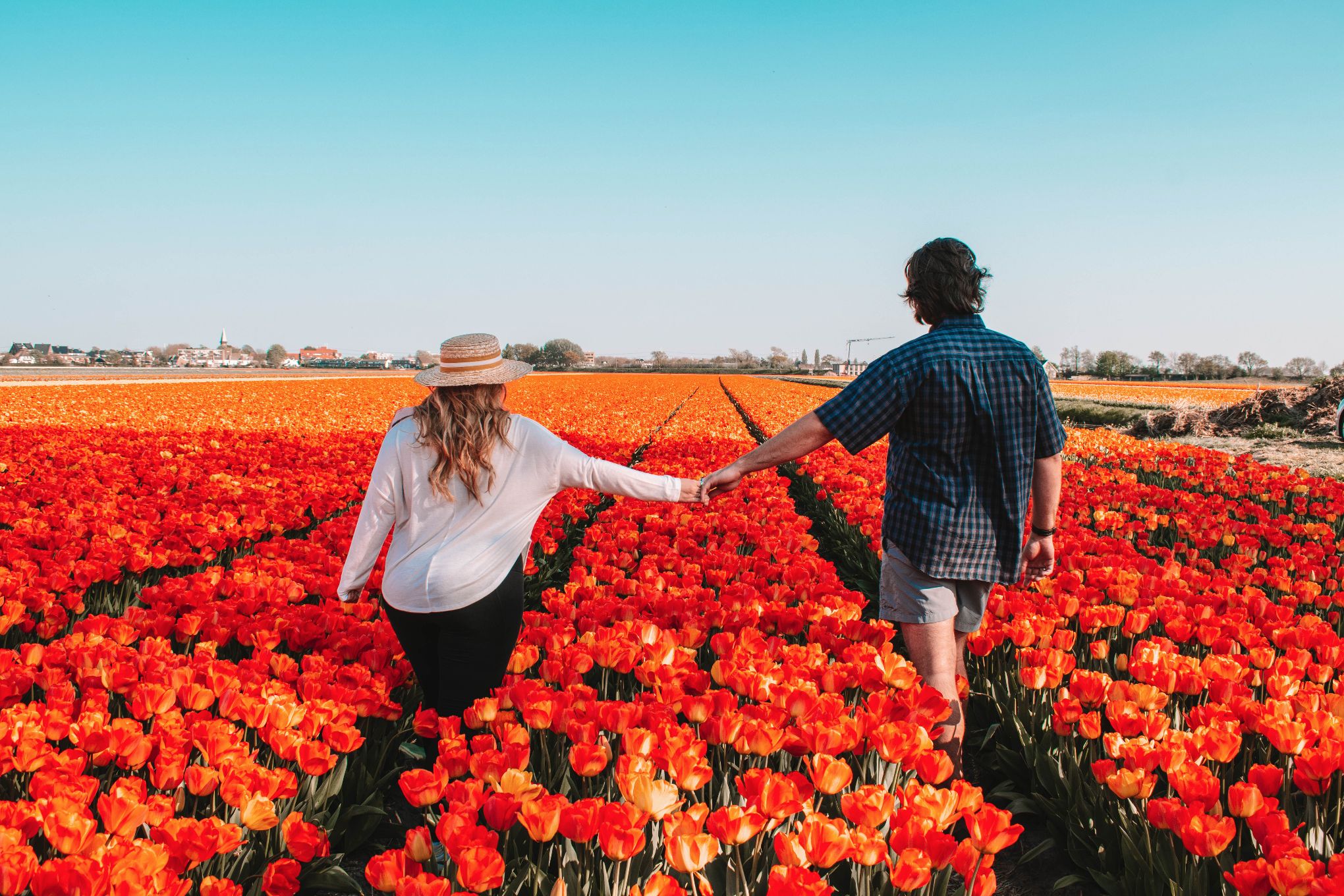
The Bollenstreek (Bulb Region): Located between Haarlem and Leiden, this is the most traditional and famous tulip-growing area. It is home to Lisse and the world-renowned Keukenhof Gardens. The proximity to the North Sea provides the sandy "geestgrond" (dune soil) that is optimal for hyacinths and tulips.
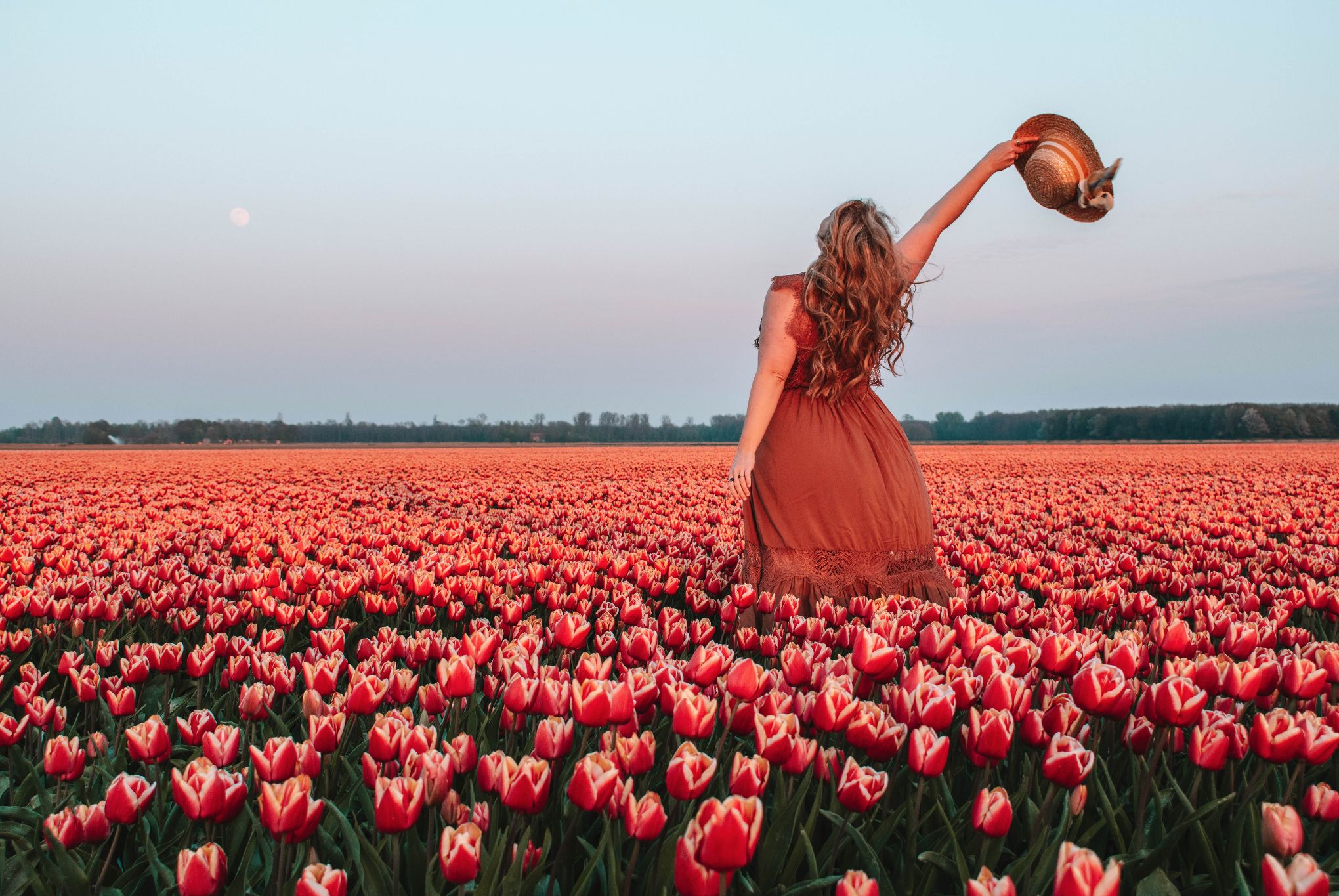
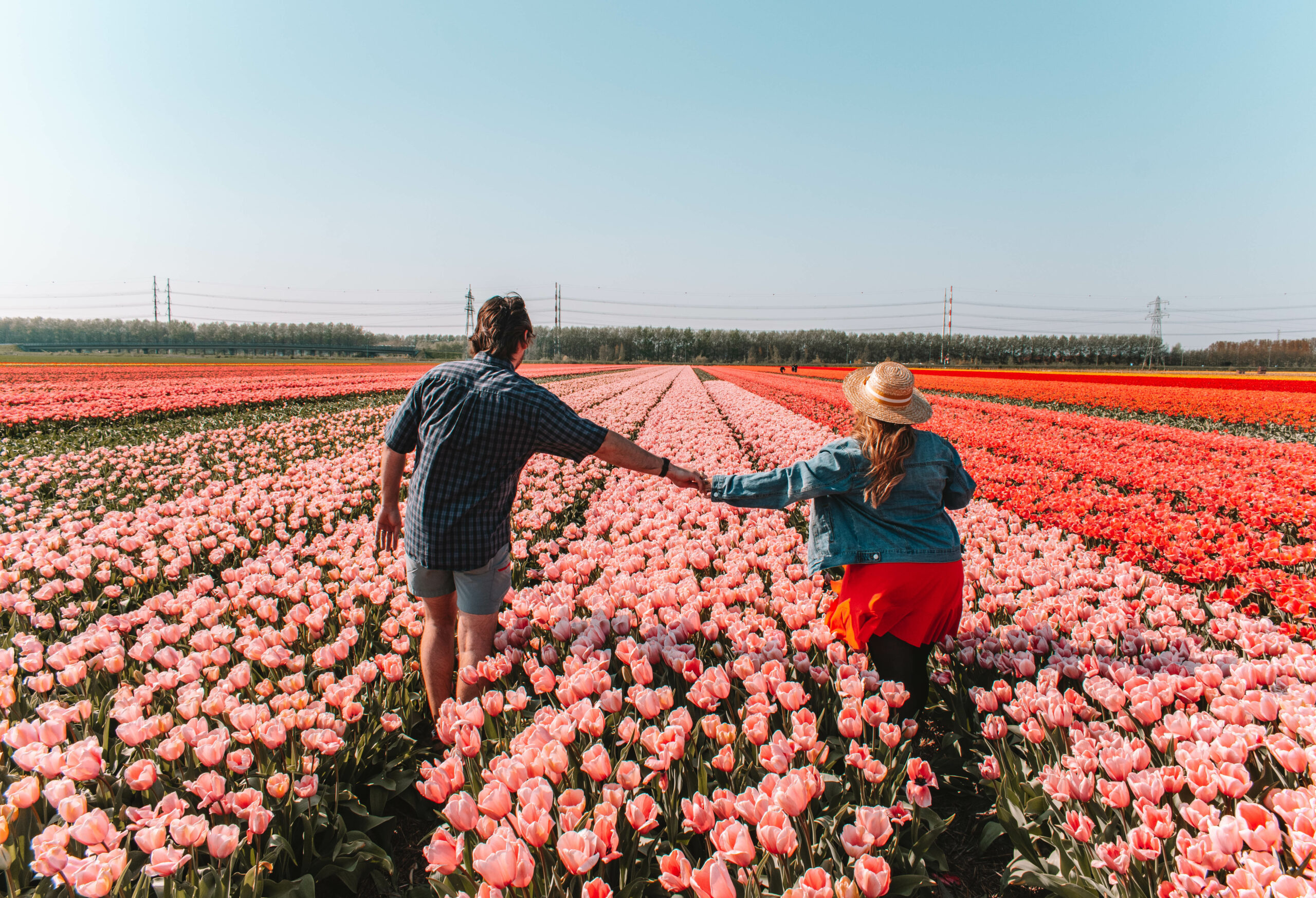
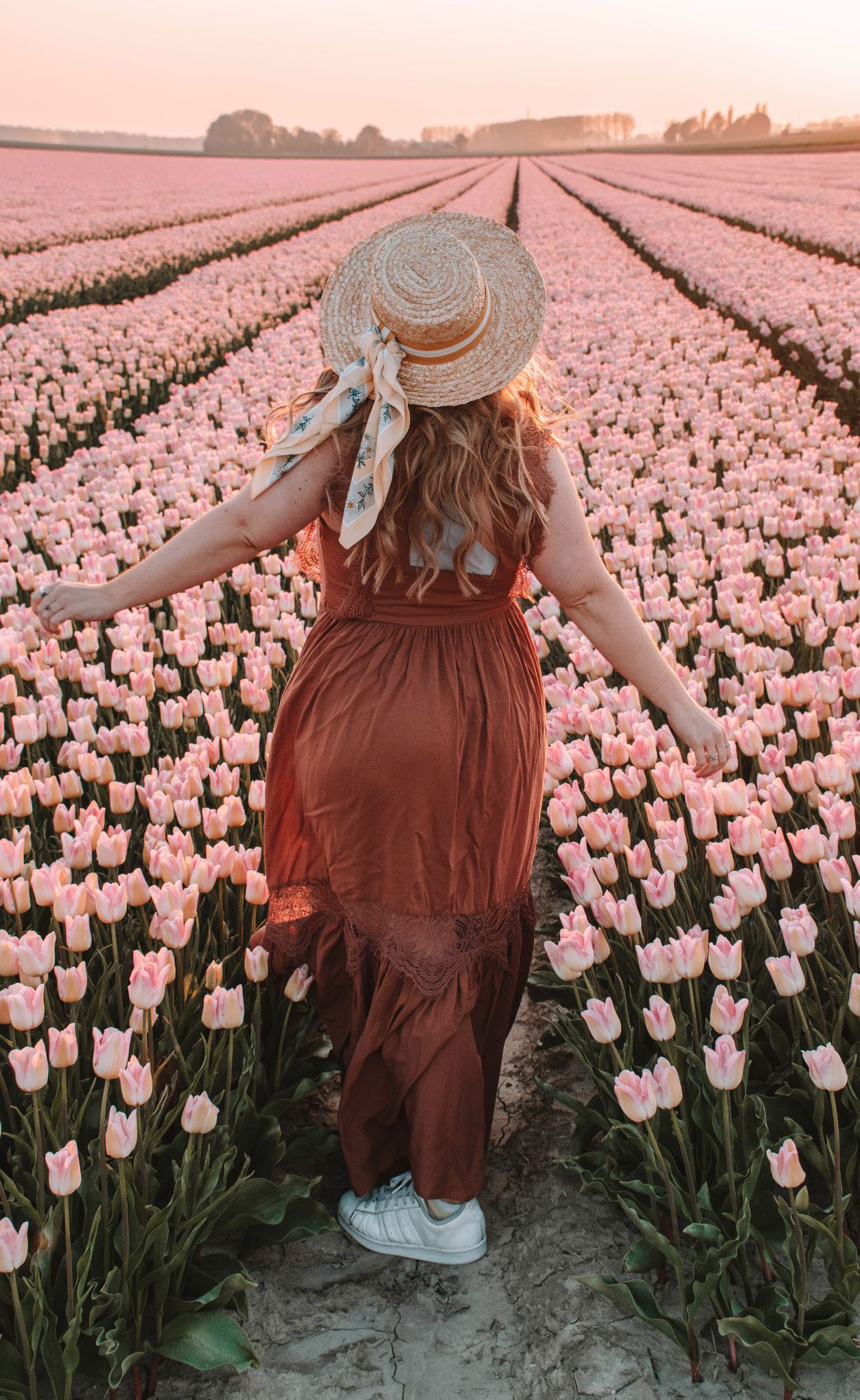
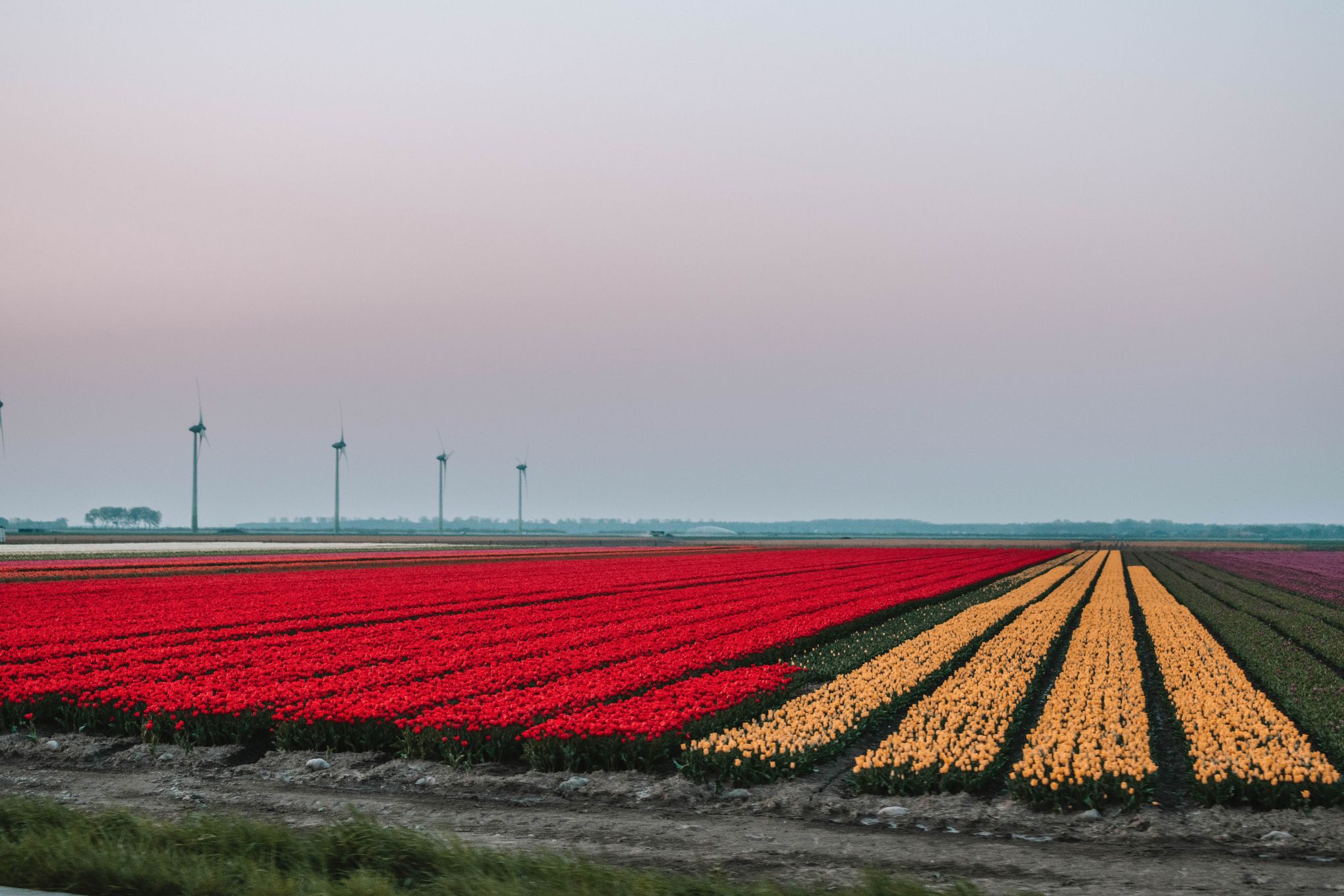
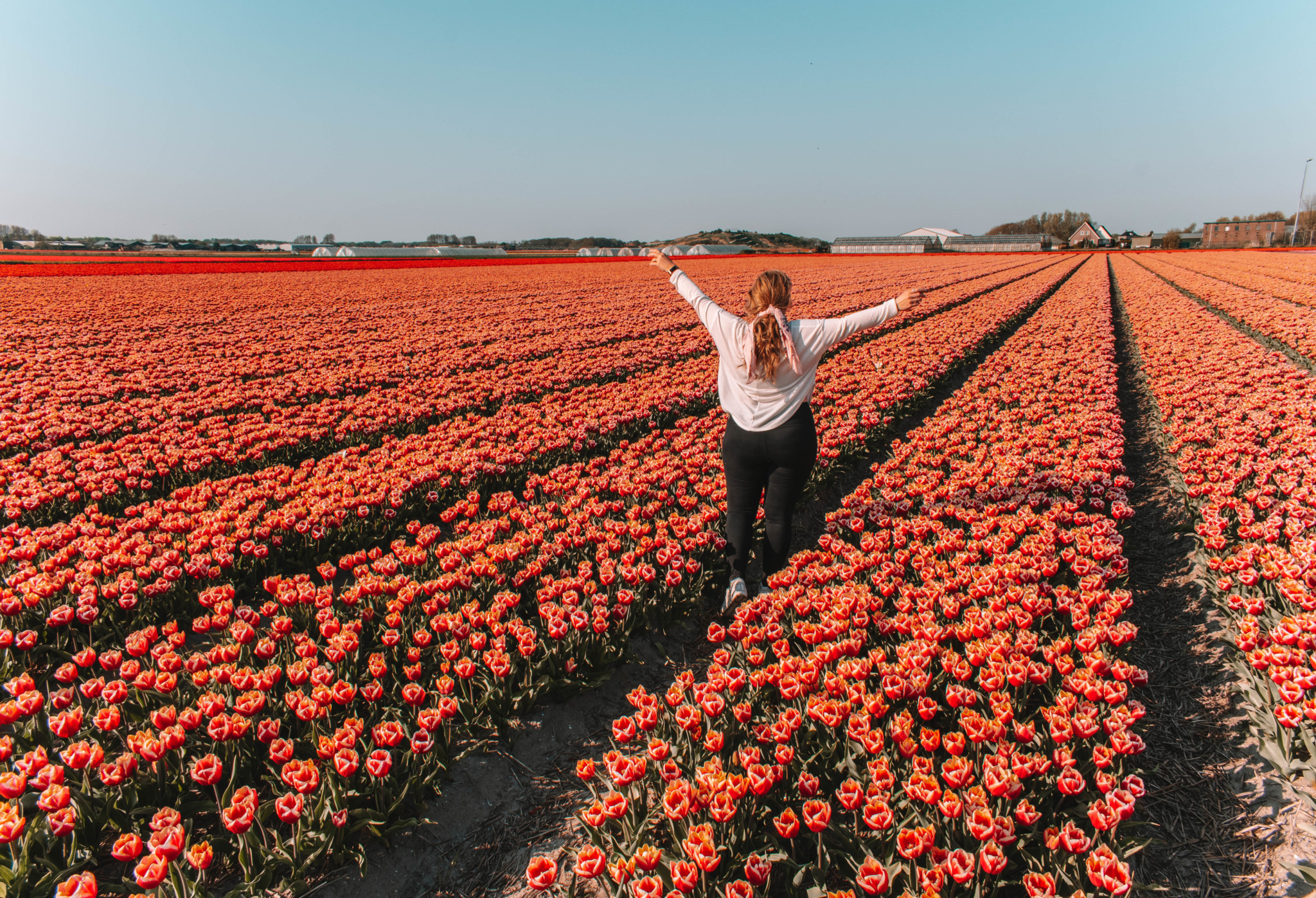
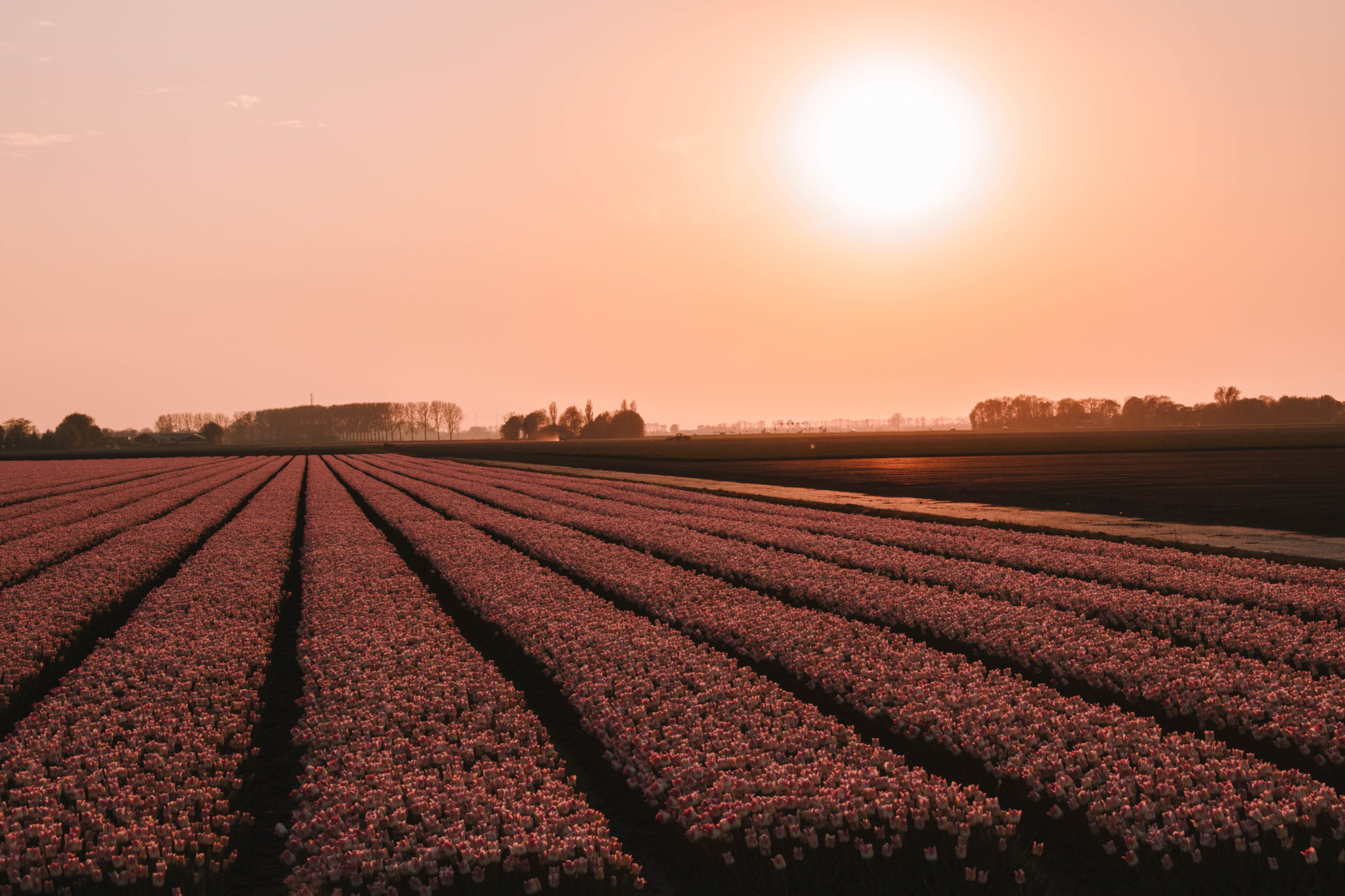
Noordoostpolder: Located in the province of Flevoland, this region represents the modern face of Dutch agriculture. These fields are situated on land reclaimed from the sea (polders) during the 20th century. Because the land is exceptionally flat and fertile, the fields here are significantly larger and more industrial in scale than those in the Bollenstreek. The Noordoostpolder boasts the longest tulip route in the Netherlands, covering over 100 kilometers.
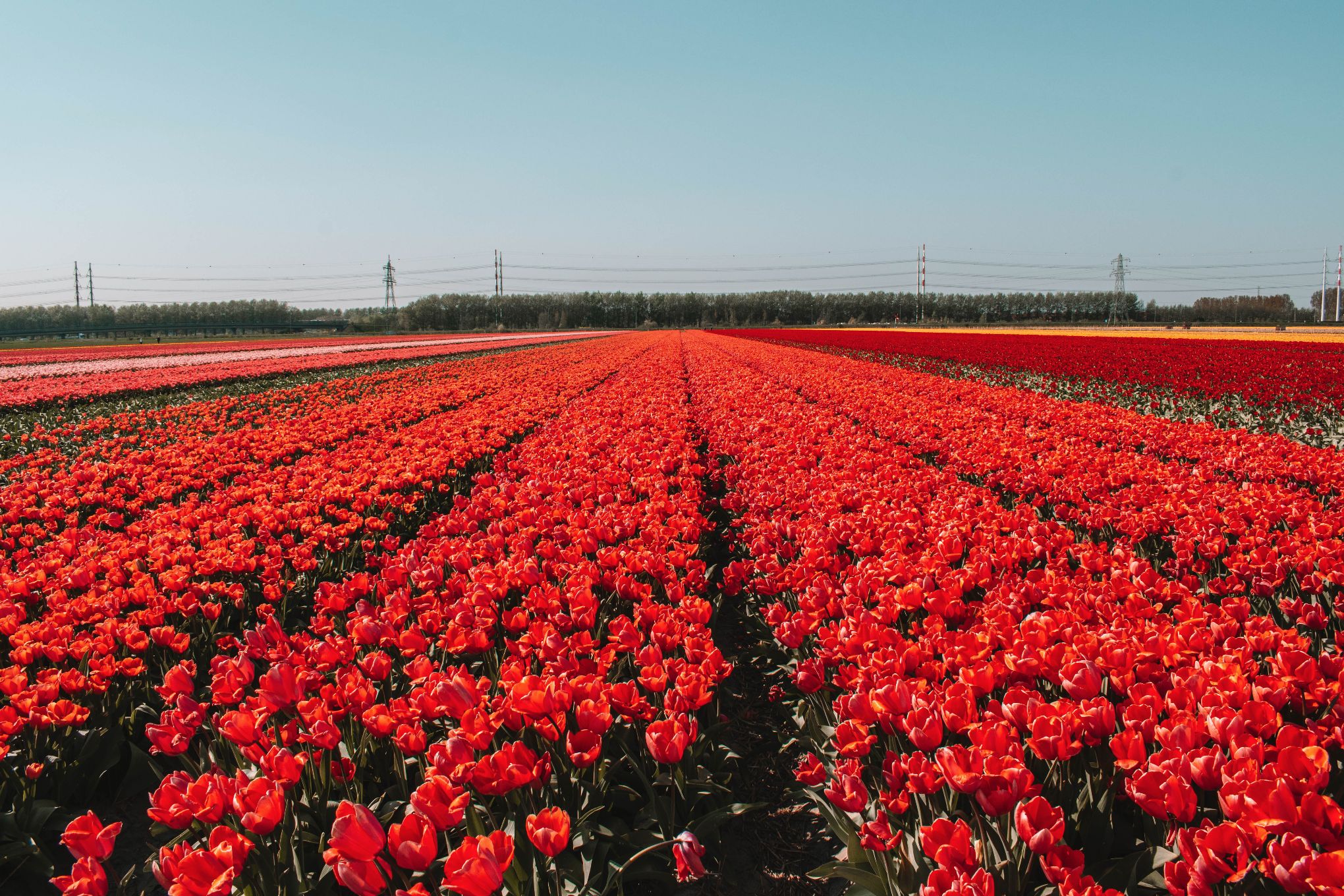
North Holland (Kop van Noord-Holland): This northern peninsula contains the largest contiguous flower bulb area in the world. It is characterized by its expansive views and traditional windmills, offering a more rustic experience compared to the high-traffic tourist zones near Amsterdam.
Keukenhof: The "Garden of Europe"
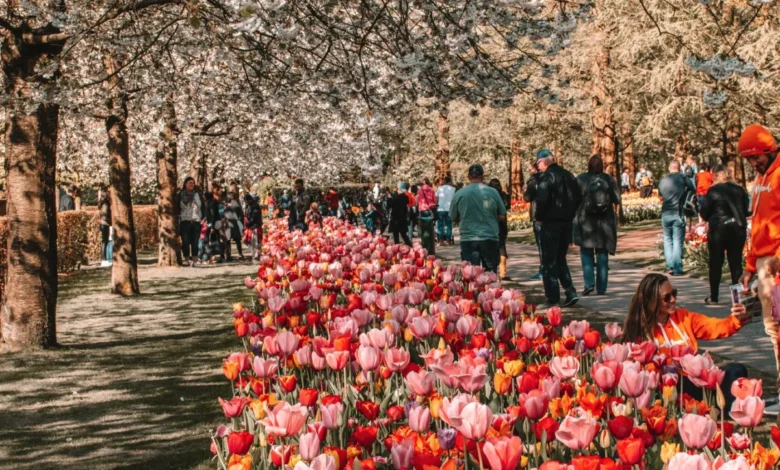
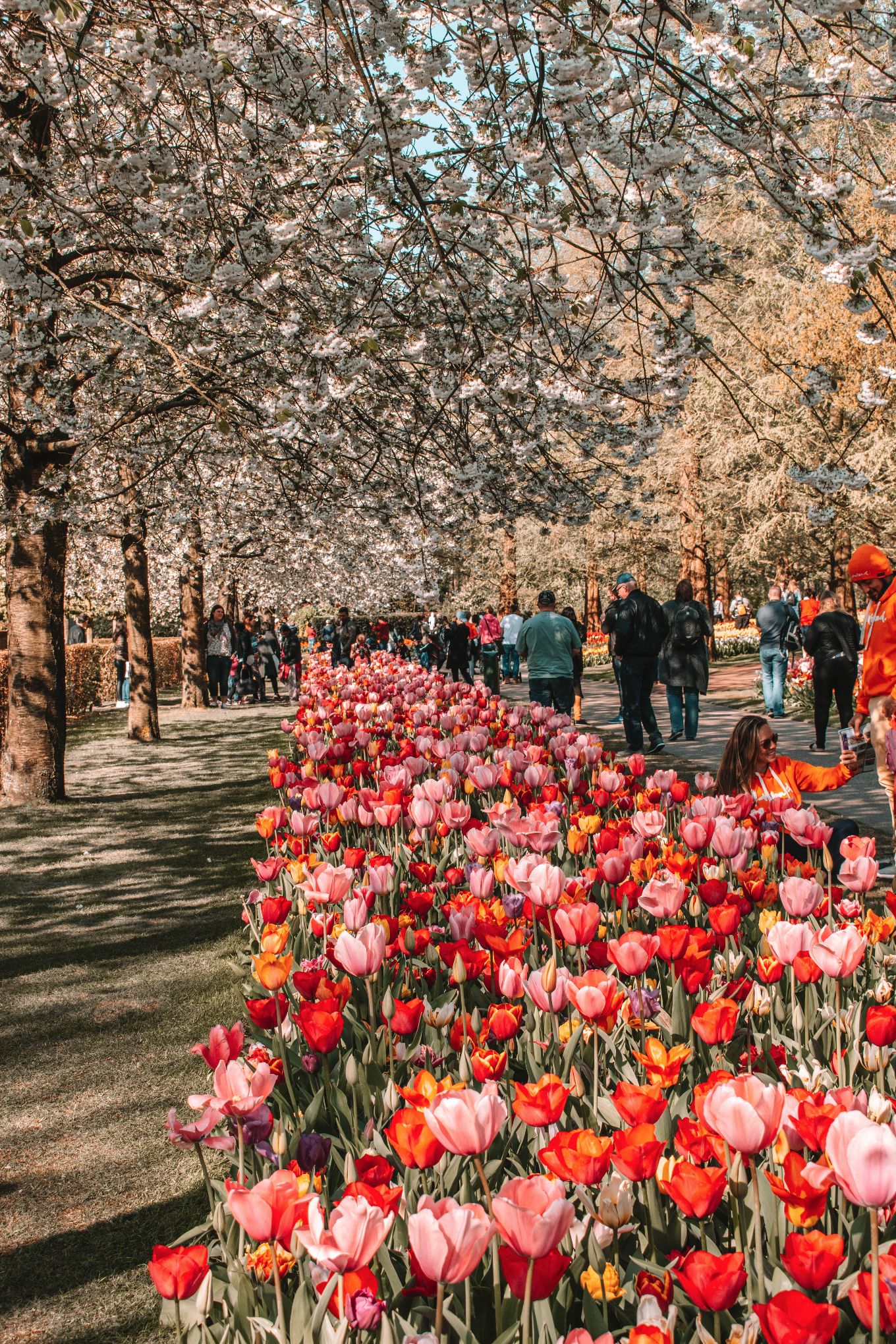
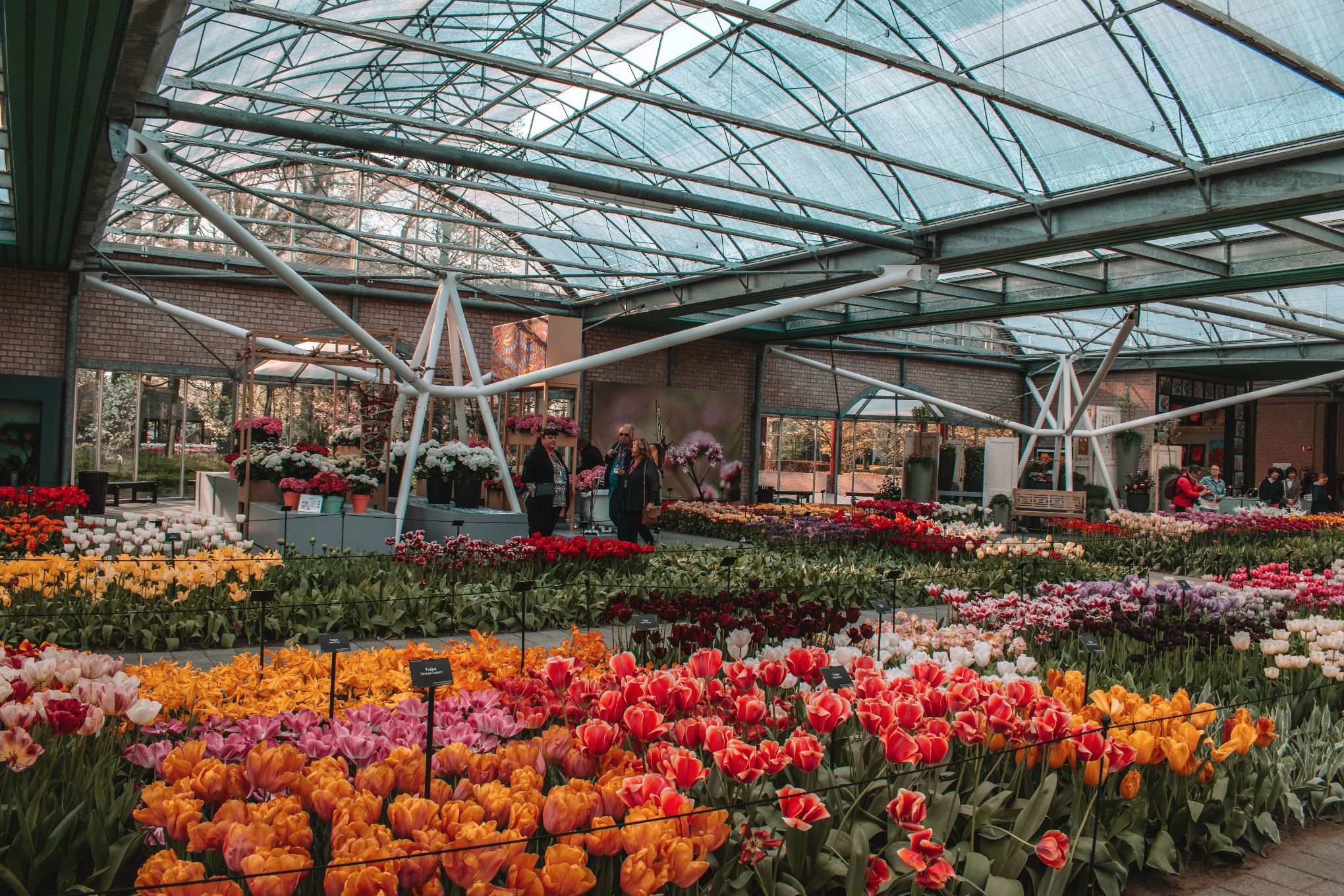
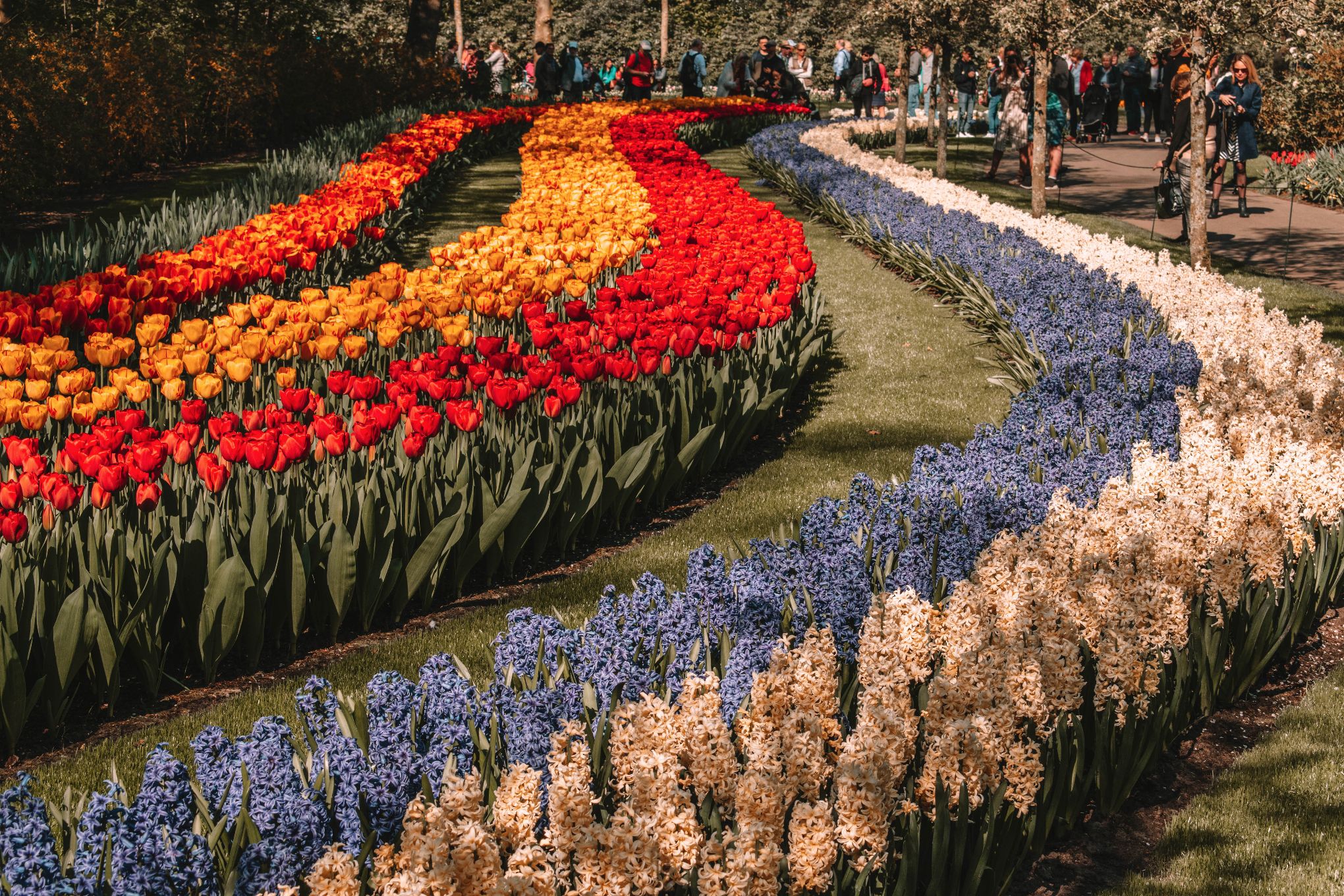
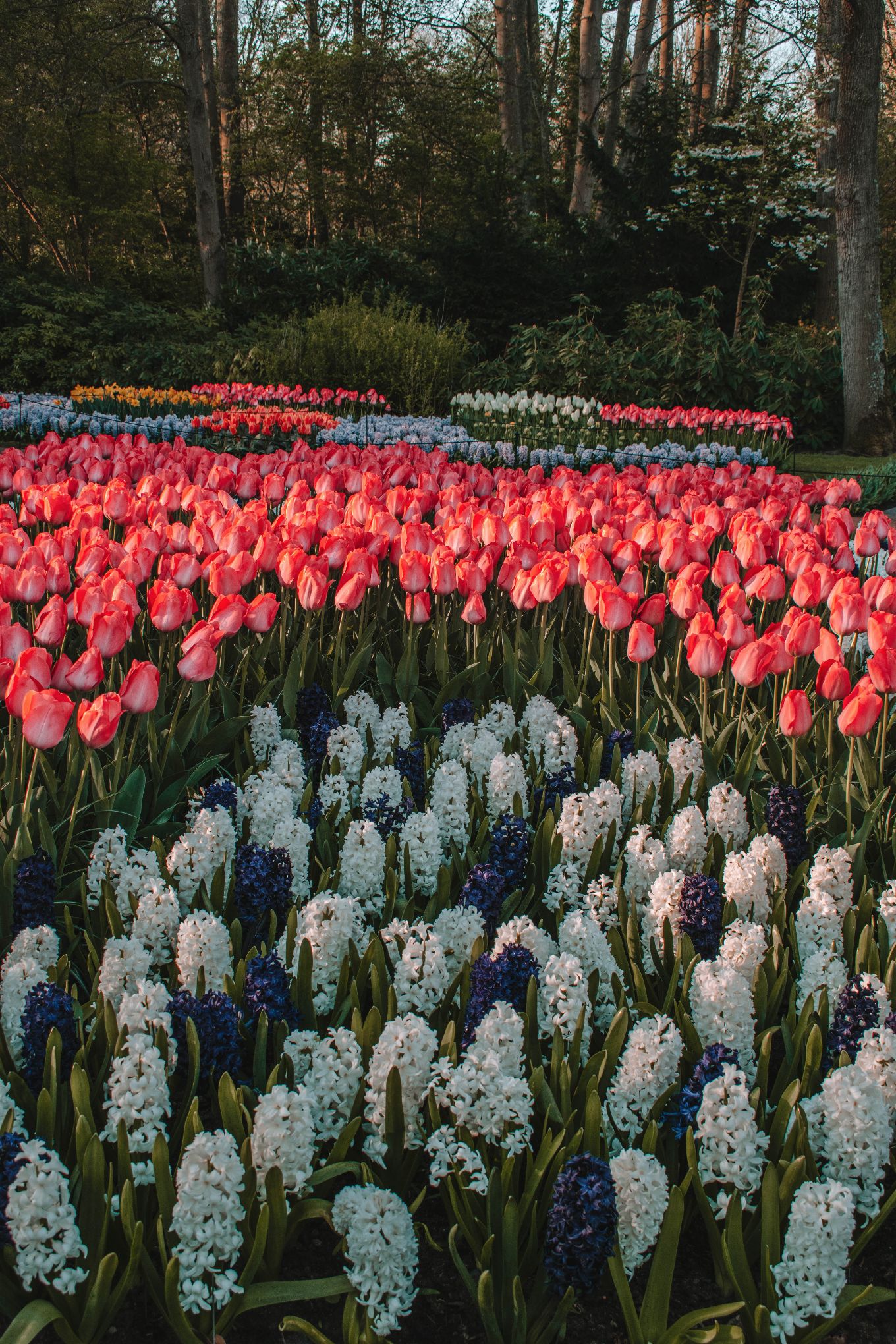
Keukenhof Gardens in Lisse stands as the crown jewel of the Dutch flower industry. Spanning 32 hectares, the park serves as a living catalog for the Dutch horticultural industry. Each year, approximately 100 royal suppliers provide 7 million bulbs, which are planted by hand in unique designs.
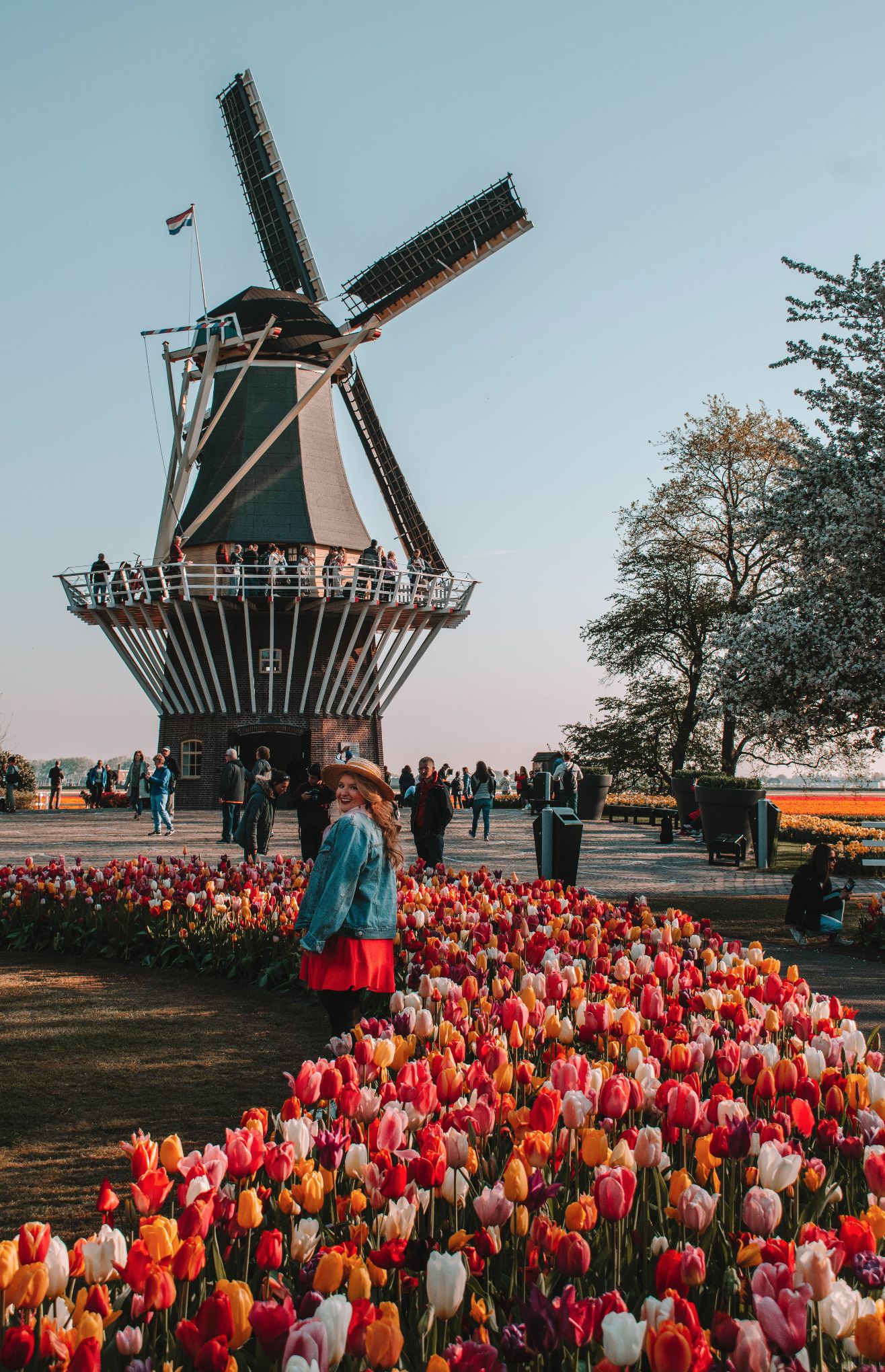
Keukenhof is not merely a park but a significant economic engine. In a typical eight-week season, the gardens attract over 1.5 million visitors, with roughly 80% coming from abroad. The park includes themed pavilions, indoor flower shows, and a historic 19th-century windmill that provides a panoramic view of the surrounding commercial fields. For 2026 and beyond, the park has integrated more sustainable gardening practices, including organic bulb sections and increased biodiversity to support local pollinator populations.
Economic Significance and Global Export Data
The Dutch floriculture sector is a vital component of the national GDP. According to data from the Dutch Association of Wholesalers in Floricultural Products (VGB), the total export value of Dutch flowers and plants often exceeds €6 billion annually.
The logistics are centered around Royal FloraHolland in Aalsmeer, the largest flower auction in the world. Utilizing a "Dutch Auction" system—where the price starts high and ticks down—millions of flowers are sold and shipped globally every day. Tulips remain one of the top five exported flowers, with major markets in Germany, the United Kingdom, and the United States. The industry supports approximately 150,000 jobs across the supply chain, from specialized bulb farmers to international logistics experts.
Tourism Management and Environmental Stewardship
The surge in "Instagram tourism" has presented both opportunities and challenges for the Dutch tulip industry. In recent years, farmers in regions like Lisse and Flevoland have reported significant crop damage caused by tourists entering private fields to take photographs. Trampling not only destroys the current bloom but can also spread soil-borne diseases that threaten the bulbs’ viability.
In response, the Dutch tourism board (NBTC) and local municipalities have launched the "Enjoy, don’t destroy" campaign. This initiative utilizes signage, physical barriers, and "Tulip Ambassadors" to educate visitors on field etiquette. Furthermore, new business models like "The Tulip Barn" and "Tulip Experience Amsterdam" have emerged. These are dedicated selfie-gardens and educational centers where visitors can walk through the flowers without interfering with commercial production.
From an environmental perspective, the industry is moving toward "Nature Friendly Farming." The Dutch government has implemented initiatives such as "Pollinator Paths," which encourage farmers to plant wildflower borders around tulip fields to support bee and hoverfly populations. Additionally, there is a nationwide push to reduce chemical pesticide use in bulb cultivation, shifting toward biological pest control and precision agriculture.
Logistical Infrastructure for International Visitors
The Netherlands’ compact geography and advanced transport network make the tulip fields highly accessible. The "Keukenhof Express" bus service (Line 858) provides a direct link from Schiphol Airport to the gardens, facilitating easy access for layover passengers and international tourists.
However, the most authentic Dutch experience is widely considered to be cycling. The Bollenstreek and Flevoland regions offer extensive networks of paved bike paths that wind through the fields. This "slow travel" approach is encouraged by local authorities to reduce traffic congestion and carbon emissions during the peak season. Many visitors opt to stay in historic secondary cities like Leiden or Haarlem, which offer a more localized atmosphere than the crowded capital of Amsterdam.
Cultural Implications and Future Outlook
The tulip is more than a plant; it is a national icon integrated into Dutch diplomacy and culture. Every January, the country celebrates National Tulip Day, where a massive temporary garden is constructed on Dam Square in Amsterdam, and citizens are invited to pick flowers for free.
The future of the tulip industry faces the dual challenges of climate change and shifting economic regulations. Warmer winters can disrupt the necessary "cold period" bulbs require for dormancy, while extreme weather events pose risks to harvest yields. Nevertheless, the Dutch horticultural sector remains at the forefront of agricultural technology, developing climate-resilient bulb varieties and automated harvesting systems.
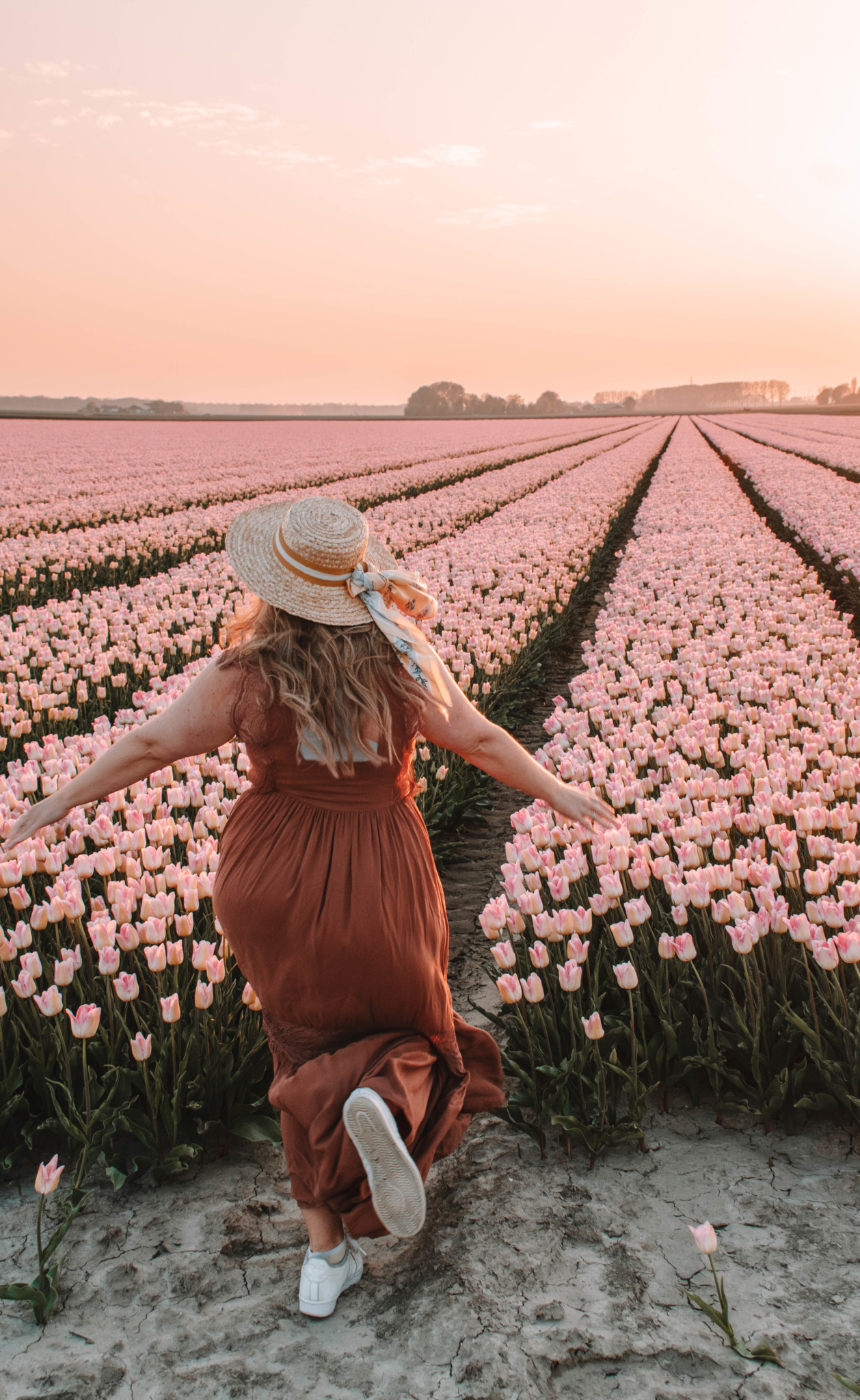
As a bucket-list destination, the Dutch tulip fields continue to hold a unique allure. They represent a rare moment where industrial-scale agriculture achieves a level of aesthetic beauty that rivals fine art. Whether through the manicured borders of Keukenhof or the infinite horizons of the Noordoostpolder, the Netherlands remains the undisputed guardian of the tulip’s legacy, ensuring that this 16th-century Ottoman import remains a 21st-century global wonder.