Elevating the Skyline: An In-Depth Look at the London Eye Afternoon Tea Experience

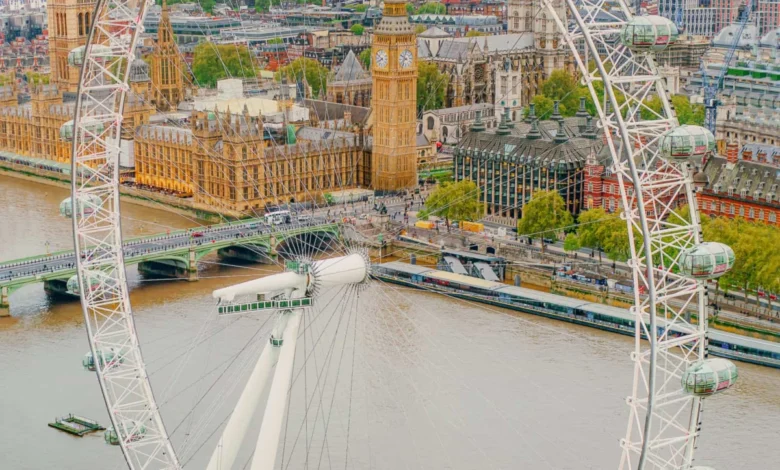
The London Eye, a centerpiece of the South Bank since the turn of the millennium, has evolved beyond its status as a mere observation wheel to become a versatile venue for high-end hospitality. Originally conceived as a temporary structure to mark the year 2000, the landmark has solidified its position as one of the United Kingdom’s most visited paid tourist attractions. In recent years, operators have introduced specialized VIP services, most notably the London Eye Afternoon Tea, which integrates a traditional British culinary experience with a panoramic tour of the capital.

Historical Context and Development of the London Eye
The London Eye was officially opened by Prime Minister Tony Blair on December 31, 1999, though it did not open to the public until March 2000. Designed by the architectural team of David Marks and Julia Barfield, the structure—often referred to as the Millennium Wheel—was intended to serve as a symbol of the UK’s entry into the 21st century. Standing at 135 meters tall, it was, at the time of its completion, the tallest Ferris wheel in the world.
Over the last two decades, the management of the attraction, now under the Merlin Entertainments Group, has focused on diversifying the visitor experience. The introduction of the Afternoon Tea service represents a strategic pivot toward premium experiential tourism. By utilizing the 32 climate-controlled, glass-enclosed capsules—each representing one of the London boroughs—the operators have successfully converted what was once a 30-minute rotation into a curated, hour-long dining event.

The Logistics of the VIP Afternoon Tea Experience
The Afternoon Tea service is positioned as an exclusive alternative to standard public admissions. Unlike standard ticketing, which allows for a single rotation, the VIP tea service includes a double rotation, extending the total flight time to approximately 60 minutes.
The operational structure is highly regulated to ensure the seamless delivery of food and service. Guests are required to arrive at a dedicated VIP check-in point, typically 30 minutes prior to departure. This facility grants access to an exclusive lounge, designed to mitigate the congestion associated with the main boarding area. A dedicated concierge then facilitates the transition from the lounge to the boarding platform, bypassing general public queues.

Each capsule used for this service is limited to approximately eight guests, ensuring a more intimate environment compared to the standard capacity of 25 passengers per pod. The service is timed to the rotation of the wheel, meaning the service team must coordinate the presentation of traditional tiered stands, beverages, and optional champagne pairings with the mechanical movement of the structure.
Culinary Standards and Dietary Considerations
The menu for the London Eye Afternoon Tea adheres to the traditional components of the British ritual. This includes a selection of finger sandwiches—typically featuring classic fillings such as cucumber, egg mayonnaise, and smoked salmon—followed by warm scones accompanied by clotted cream and strawberry preserves. The final course consists of a variety of seasonal pastries and cakes.

From an operational standpoint, the catering team has had to adapt to the constraints of a moving, glass-enclosed environment. While the service is pre-set, the inclusion of dietary alternatives, such as vegan and gluten-free options, is available upon prior request. This flexibility is critical for international visitors and those with specific health requirements, and it represents a significant logistical effort to maintain consistency in a non-traditional dining space.
Market Positioning and Economic Implications
The pricing strategy for the Afternoon Tea reflects its premium status. With prices starting at approximately £75 per person—varying based on seasonal demand, add-ons like champagne, and promotional availability—the service is positioned as a luxury add-on.

Analytically, the integration of afternoon tea into the London Eye’s offerings serves several purposes for the attraction’s stakeholders:
- Increased Revenue Per User (RPU): By bundling a standard attraction visit with a high-margin food and beverage service, operators significantly increase the total revenue generated from a single capsule rotation.
- Capacity Management: By limiting pods to eight people for the tea service, the attraction can maintain a sense of exclusivity and "VIP" status, which allows for higher price points even during lower-volume periods.
- Competitive Differentiation: In a crowded London tourism market, offering a unique, branded experience distinguishes the London Eye from other high-altitude observation decks, such as The Shard or the Sky Garden, which offer views but not necessarily in-flight dining.
The use of promotional codes, such as those found on official booking platforms, suggests a dynamic pricing model aimed at maintaining high occupancy rates throughout the year. This strategy is essential for sustaining the high overheads associated with operating such a complex mechanical structure.

Operational Safety and Scheduling Requirements
The nature of the London Eye’s continuous rotation presents unique challenges for food service. Because the wheel does not stop to allow passengers to board or disembark, the timing of the service must be precise. Guests are advised that punctuality is non-negotiable; late arrivals cannot be accommodated, as the pods maintain a strict departure schedule.
Furthermore, the environment is subject to strict safety protocols. The transition of glassware and ceramic service ware in a rotating, climate-controlled glass pod requires staff to undergo specialized training to handle both service and passenger safety. This focus on "VIP" service is not merely a marketing tactic but a necessary operational requirement to manage the logistics of serving food 135 meters above the ground while the structure is in motion.

Broader Impact on London’s Tourism Landscape
The success of the London Eye Afternoon Tea indicates a broader trend in the travel industry: the shift from "passive" sightseeing to "active" experiences. Tourists are increasingly seeking activities that combine traditional landmark visits with localized cultural experiences. Afternoon tea is a quintessential British experience, and hosting it within the most recognizable landmark in the city creates a "dual-purpose" tourist activity.
This approach has implications for urban planning and tourism management. By concentrating high-value, low-volume activities like the VIP tea service, operators can effectively manage foot traffic while maximizing the economic utility of the infrastructure. As London continues to compete with other global cities for high-spending international tourists, these curated experiences become essential tools for maintaining the city’s relevance in the luxury travel sector.

Future Outlook and Conclusion
As the London Eye continues to operate well beyond its original anticipated lifespan, the focus on diversifying the visitor experience will likely remain a priority for the Merlin Entertainments Group. Potential future developments could include thematic seasonal menus, collaborations with high-end tea purveyors, or further technological integration to enhance the passenger experience within the pods.
For the visitor, the London Eye Afternoon Tea provides an efficient way to experience two distinct facets of London culture: the panoramic urban vista and the traditional afternoon meal. While the cost is higher than a standard entry ticket, the inclusion of lounge access, priority boarding, and the unique setting provides a value proposition that aligns with the expectations of the luxury tourism market. As the attraction moves further into the 2020s, it serves as a primary example of how historic landmarks can reinvent their utility to remain central to the evolving demands of the global travel industry.