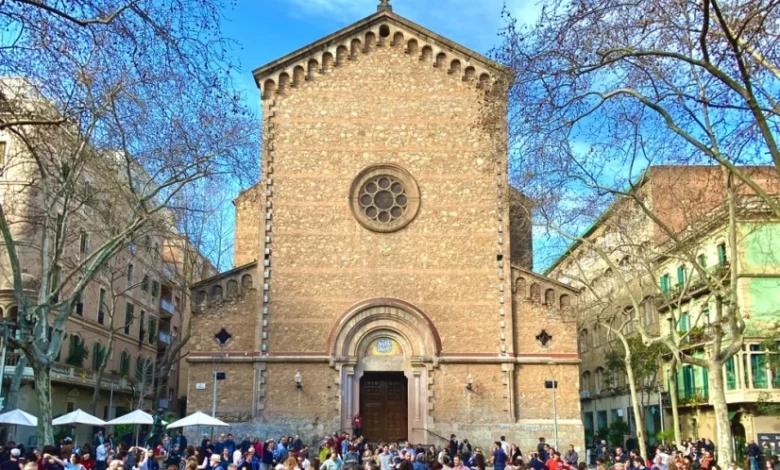
Barcelona has long held its position as one of Europe’s premier tourist destinations, consistently drawing millions of visitors to its iconic landmarks. For the uninitiated, the city is defined by a specific set of architectural and cultural touchstones: the towering spires of Antoni Gaudí’s Sagrada Família, the whimsical mosaics of Park Güell, the winding corridors of the Gothic Quarter, and the bustling promenade of La Rambla. However, data from the Barcelona Tourism Board indicates a significant shift in visitor behavior; repeat travelers now constitute a growing segment of the city’s international arrivals. This transition from "first-time sightseeing" to "depth-oriented exploration" allows for a more nuanced understanding of the Catalan capital. Moving beyond the established tourist circuit not only alleviates pressure on the city’s most saturated sites but also provides a more accurate representation of the local socio-economic landscape.

A Chronological Evolution of Urban Tourism
The transformation of Barcelona’s tourism profile has been gradual, punctuated by major historical milestones. In the decades following the 1992 Olympic Games, the city underwent a massive urban renewal project that repositioned it as a global cultural hub. This period saw the "Gaudí-fication" of the city’s brand, which reached its zenith in the early 2000s. By the late 2010s, however, the concept of "overtourism" began to influence city policy. Local government initiatives, such as the Strategic Tourism Plan 2020, were introduced to distribute visitor foot traffic away from the central Ciutat Vella district and into peripheral neighborhoods. For the returning traveler, this evolution provides an opportunity to engage with the city’s history, from the 1929 International Exposition to the contemporary industrial repurposing seen in districts like Poblenou.
Socio-Economic Dynamics of Neighborhood Exploration
The city is currently characterized by a distinct neighborhood-based identity, where each district functions as an autonomous socio-economic entity.

El Raval: The Intersection of Heritage and Modernity
Once a marginalized industrial zone, El Raval has transitioned into a melting pot of migrant communities and creative industries. The area serves as a primary example of urban gentrification balancing against traditional cultural preservation. Visitors exploring this area will find the Museum of Contemporary Art (MACBA) acting as a civic anchor, creating a focal point that bridges historical labor struggles with contemporary artistic expression.
Gràcia: The Independent Village Model
Gràcia’s identity remains rooted in its history as an independent municipality, annexed by Barcelona in 1897. Its narrow, pedestrian-heavy streets offer a glimpse into the late 19th-century urban planning that defied the grid-like structure of the Eixample district. The district maintains a high density of small-scale, locally owned enterprises, a stark contrast to the international franchises proliferating along the city’s central commercial arteries.

Sant Antoni and the Gastronomic Shift
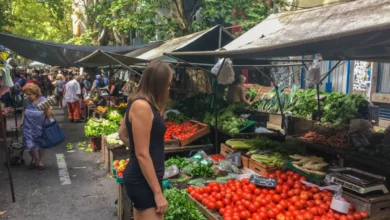
The 2018 completion of the Mercat de Sant Antoni renovation served as a catalyst for the surrounding area’s economic revitalization. The market, which functions as a vital logistics hub for local food security, has also become a cultural destination. The juxtaposition of the historic iron-wrought structure with the modern, minimalist aesthetics of the surrounding cafes illustrates the city’s approach to adaptive reuse of heritage infrastructure.
The Role of Managed Tourism and Local Guides
The expansion of the "authentic experience" market has introduced a new sector of professional tour operators, such as Fernwayer and various local cooperatives. Unlike standard sightseeing tours that focus on architectural facts, these operations prioritize contextual narratives—explaining the historical implications of the Spanish Civil War on current neighborhood aesthetics or the impact of the 1929 Exposition on the city’s infrastructure. Industry analysts suggest that this shift reflects a broader market trend: travelers are increasingly seeking "insider knowledge" to mitigate the perception of being mere observers in a lived-in city.

Expanding the Radius: Beyond the Metropolitan Core
For those who have exhausted the central districts, the surrounding region of Catalonia offers a broader perspective on the area’s economic and cultural history.
- Montjuïc: Frequently mischaracterized as merely a viewpoint, this hill is a repository of significant geopolitical history. The site of the 1929 International Exposition and the 1992 Olympics, it also houses the Montjuïc Castle, which served as a military fortress and prison during the Francoist regime. Its dual role as a site of celebration and a site of state-sanctioned repression provides a profound, if somber, context for visitors.
- Poblenou: Formerly known as the "Manchester of Catalonia" due to its dense concentration of textile factories, the district is now the centerpiece of the 22@ innovation project. This initiative has transformed decaying industrial facilities into tech incubators, universities, and creative studios. It is perhaps the most accurate site for observing the city’s transition into a post-industrial knowledge economy.
- Alella and the Wine Industry: The Alella Denominación de Origen (DO) is one of the oldest in Spain. Positioned just 15 kilometers from the city center, the region’s focus on white wine production—specifically the Pansa Blanca variety—offers an economic alternative to the high-volume tourism of the city center. Engagement with this sector supports the preservation of agricultural land against the encroachment of suburban development.
Analytical Implications of Returning Travel
The shift toward repeat visitation has several measurable implications for Barcelona’s future:

- Sustainability and Footprint Management: By spreading tourists across districts like Poble Sec or Poblenou, the city reduces the "crush capacity" of the Gothic Quarter, which has historically struggled with infrastructure strain.
- Economic Diversification: Spending in peripheral neighborhoods ensures that tourism revenue circulates within local ecosystems rather than being funneled primarily into international hospitality conglomerates centered around La Rambla.
- Cultural Authenticity: As residents interact more with repeat visitors who demonstrate a genuine interest in local customs—such as the pintxo culture of Poble Sec—there is potential for a more symbiotic relationship between the tourism sector and the permanent population.
Conclusion: A Strategic Approach to Repeat Visits
The "completion" of a Barcelona itinerary is a misconception often fueled by standardized marketing. The reality of the city is that it is a complex, multi-layered urban environment that changes based on the observer’s focus. Whether through the lens of urban planning in Gràcia, historical memory in Montjuïc, or economic transition in Poblenou, the secondary visit is where the true narrative of the city is found.
For the modern traveler, the objective should not be to "check off" sites, but to engage with the city as a living, breathing entity. Utilizing the regional transport network to visit towns like Girona, Sitges, or the Montserrat monastery adds a regional dimension that is impossible to grasp while remaining within the city walls. By moving slowly, prioritizing local gastronomy, and engaging with the deeper historical context of the Catalan region, the visitor moves from being a transient consumer of scenery to an active participant in the ongoing story of Barcelona. This approach not only enhances the quality of the travel experience but also aligns with the global imperative for more responsible, sustainable, and respectful tourism practices.
Related posts: