Jurassic Quest Roars Back to Cities Nationwide with Immersive Drive-Thru Dinosaur Experience

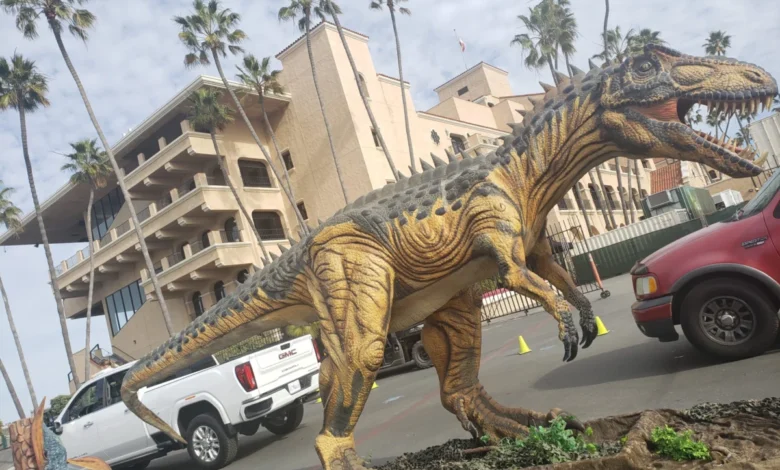
The popular traveling prehistoric attraction Jurassic Quest has officially announced its return to select cities across the United States, bringing its signature life-sized animatronic dinosaurs back to families seeking safe, engaging entertainment. Following successful runs in various regions, including a high-profile engagement at the Del Mar Fairgrounds, the touring exhibition continues to draw strong attendance by adapting traditional amusement models into a flexible, vehicle-based format.
Originally conceptualized as an indoor walking exhibition featuring massive fiberglass and animatronic dinosaurs, Jurassic Quest underwent a significant operational pivot in response to public health guidelines and shifting consumer demands for outdoor, socially distanced activities. The adaptation transformed the classic museum-style walkthrough into a continuous, drive-thru safari experience. This evolution has allowed the organization to maintain continuous operations, bringing paleontological education directly to communities while keeping vehicle cabins safely isolated from other attendees.
Main Facts of the Exhibition
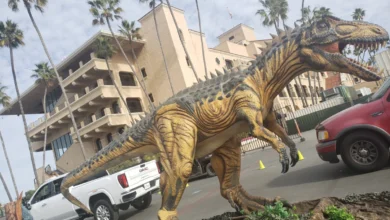
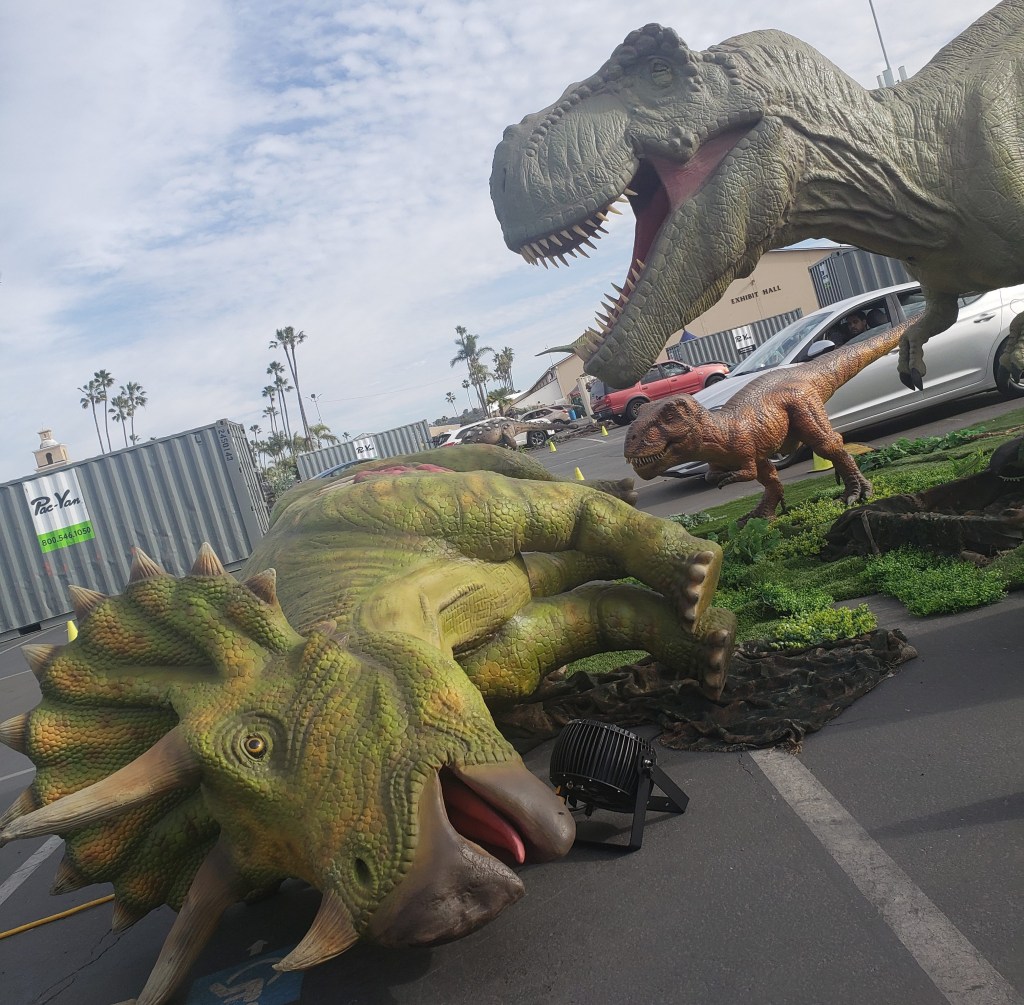
The core of the Jurassic Quest drive-thru experience features dozens of photorealistic, life-sized animatronic dinosaurs designed in collaboration with leading paleontologists to ensure anatomical accuracy. These specimens range from small juvenile hatchlings to towering apex predators like the Tyrannosaurus rex and multi-ton herbivores such as the Triceratops and Spinosaurus. Unlike static museum displays, these creatures are engineered with internal motors and pneumatic systems that allow them to blink, breathe, tail-swipe, and roar as vehicles pass by.
A defining feature of the modern Jurassic Quest setup is its synchronized audio tour. Delivered via a dedicated mobile platform or downloadable broadcast, the audio guide paces visitors through the exhibit route dynamically. Because vehicle speeds can fluctuate due to traffic density or family preference, the audio system is structured to accommodate slower spacing, ensuring that educational narration about each species aligns precisely with what passengers observe outside their windows. The narrative content covers dietary habits, prehistoric eras, geographical habitats, and fossil discoveries, transforming an entertaining visual spectacle into an interactive mobile classroom.
Chronology and Operational Evolution
The timeline of Jurassic Quest reflects the broader resilience of the live-entertainment sector during periods of constrained public gatherings. Established years prior as a prominent convention-style touring event that occupied expansive indoor exhibition halls, the company faced unprecedented logistical hurdles as indoor venues closed nationwide. Rather than halting operations indefinitely, event organizers engineered the drive-thru model, launching pilot routes that quickly scaled to fairgrounds, racetracks, and large outdoor municipal lots across the country.
The Del Mar Fairgrounds engagement in Southern California serves as a prime case study of the exhibition’s operational blueprint during this phase. Operating through the winter months, the venue hosted thousands of vehicles daily. The success of these winter runs established a permanent framework for future city engagements, proving that large-scale experiential entertainment could successfully transition from enclosed arenas to open-air, vehicular formats without sacrificing production value or educational depth.
Pricing Structure and Economic Accessibility
A critical factor in the widespread appeal of Jurassic Quest is its pricing architecture. Unlike traditional theme parks or massive entertainment complexes that charge per capita—often resulting in prohibitive costs for larger families—Jurassic Quest maintains a flat-rate pricing model pegged per vehicle. With standard admission typically starting around $49 per carload, multi-member households and carpooling groups find the financial barrier to entry significantly lower than conventional ticketed attractions.
To further customize the experience, organizers introduced tiered add-on packages ranging from $15 to $50. These optional upgrades, such as the Tracker Pack, include physical merchandise, customized safari lanyards, interactive activity books, and specialized dinosaur-themed souvenirs designed to extend the engagement beyond the physical boundaries of the drive-thru route. Additionally, ancillary revenue streams—including pre-tour carnival-style food concessions and post-tour drive-up merchandise booths—allow attendees to round out their outing with themed snacks and memorabilia while maintaining efficient traffic flow.

Supporting Data and Safety Protocols
Logistical efficiency remains a cornerstone of the Jurassic Quest touring model. Municipalities and fairground operators hosting the event have reported streamlined vehicle processing capabilities, frequently managing hundreds of cars per hour through carefully mapped, multi-lane exhibition paths. The design minimizes bottlenecks by spacing entry times through a pre-booked ticketing system, which helps regulate local traffic congestion around host venues like the Del Mar Fairgrounds.
From a health and safety perspective, the drive-thru format inherently satisfies public health parameters for social distancing. Because occupants remain inside their personal vehicles for the duration of the main dinosaur tour—typically lasting between 45 to 60 minutes—the risk of interpersonal transmission is virtually eliminated. Restroom facilities and food vendors are strategically positioned at the terminus of the route rather than the beginning, ensuring that any necessary foot traffic occurs in controlled, widely spaced environments equipped with sanitation stations.
Official Responses and Industry Implications
While formal corporate statements from Jurassic Quest organizers emphasize community engagement and family-friendly education, industry analysts note that the company’s ability to pivot rapidly has set a benchmark for other experiential event producers. By embracing a hybrid model that merges mobile audio technology with physical set design, the organization demonstrated how legacy touring companies could survive—and even thrive—during periods of restricted indoor venue availability.
Educational specialists have also praised the initiative for bridging the gap between passive entertainment and active learning. Children exposed to the realistic movements and detailed audio narratives of the exhibits frequently display heightened curiosity about natural sciences, paleontology, and archaeology. The incorporation of scavenger-hunt elements—such as the playful audio references regarding a temporarily "missing" T-Rex—encourages active observation among younger participants, reinforcing cognitive retention of the scientific facts presented during the tour.

Broader Impact on Family Entertainment
The enduring popularity of Jurassic Quest underscores a broader consumer shift toward flexible, accessible, and value-driven family activities. As entertainment costs continue to rise across traditional amusement sectors, the per-vehicle pricing model offers a predictable and economical alternative for middle-class households. Furthermore, the event’s modularity allows it to adapt to diverse geographical footprints, bringing high-production-value entertainment to mid-sized markets that rarely host permanent theme parks or major museum exhibitions.
As the touring schedule expands to new cities, prospective attendees are encouraged to secure reservations well in advance through the official Jurassic Quest website. With limited operational windows in each municipality, early booking ensures preferred time slots and smooth entry. By combining rigorous scientific education, state-of-the-art animatronics, and a consumer-friendly economic model, Jurassic Quest has solidified its position as a staple of modern traveling family entertainment.